Wild orchids
Eight kinds on the terraces of l'Arribassada
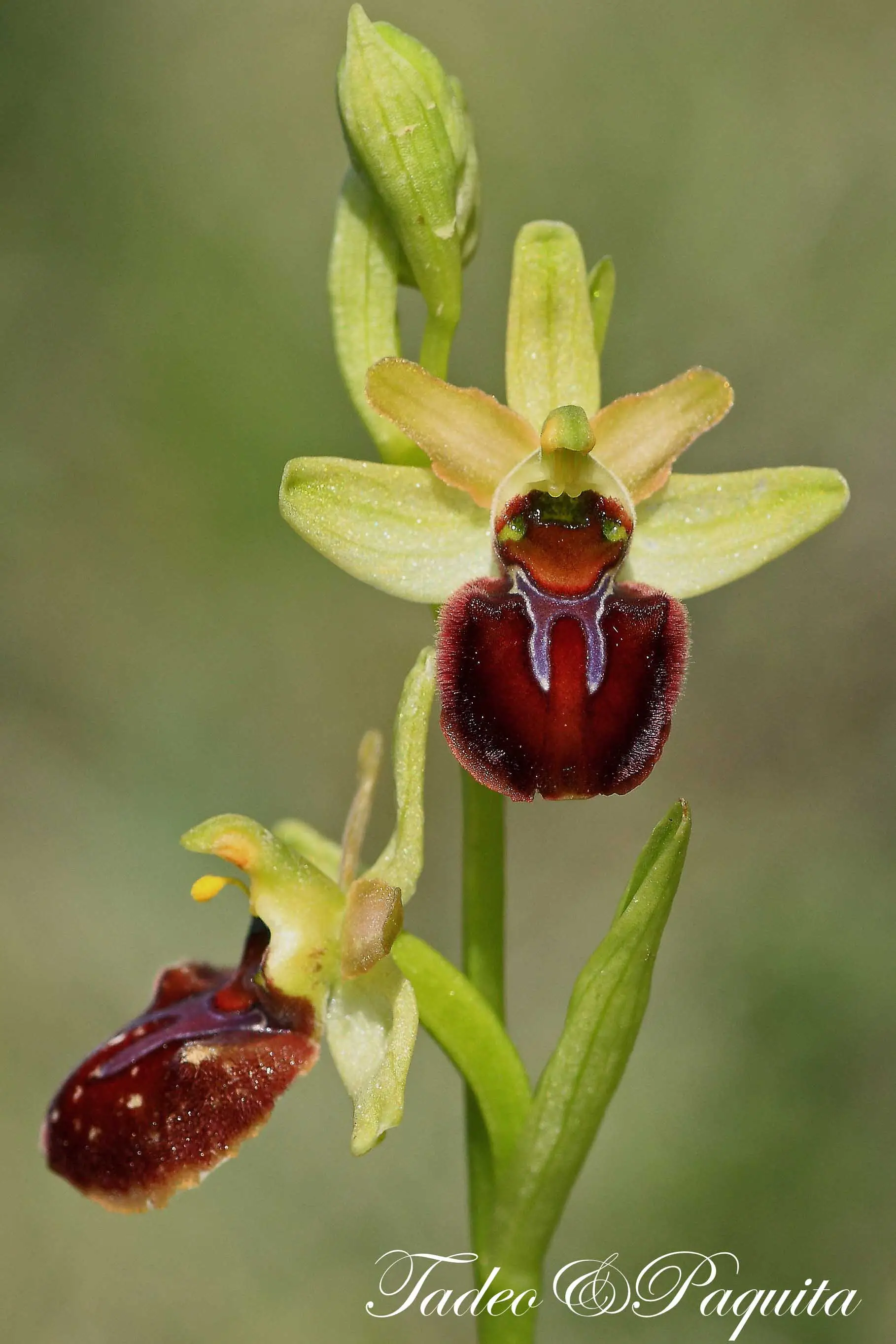
Less showy than their tropical relatives, but more delicate and subtle. Some, like the Ophrys, are trap flowers that mimic bees.
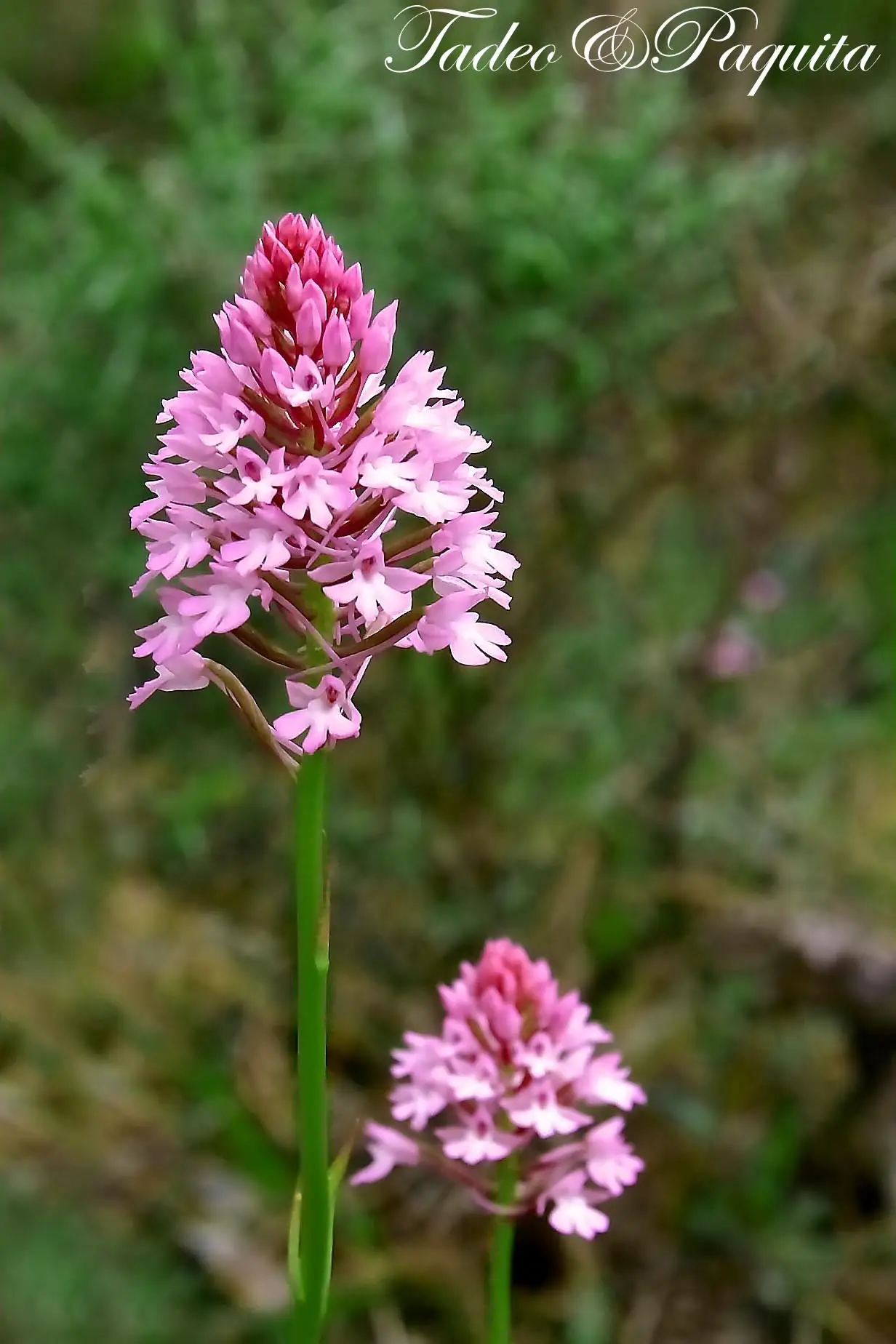
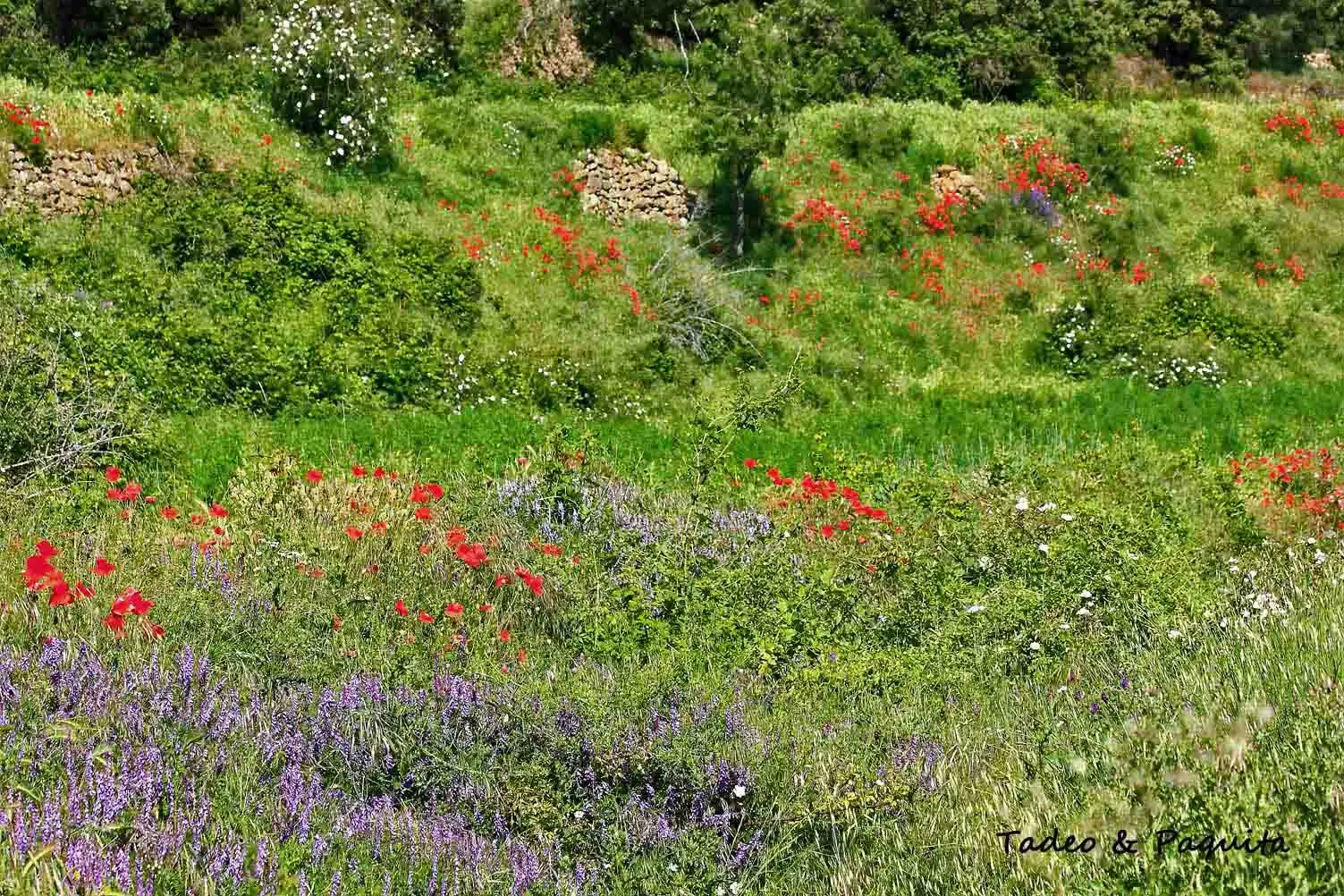
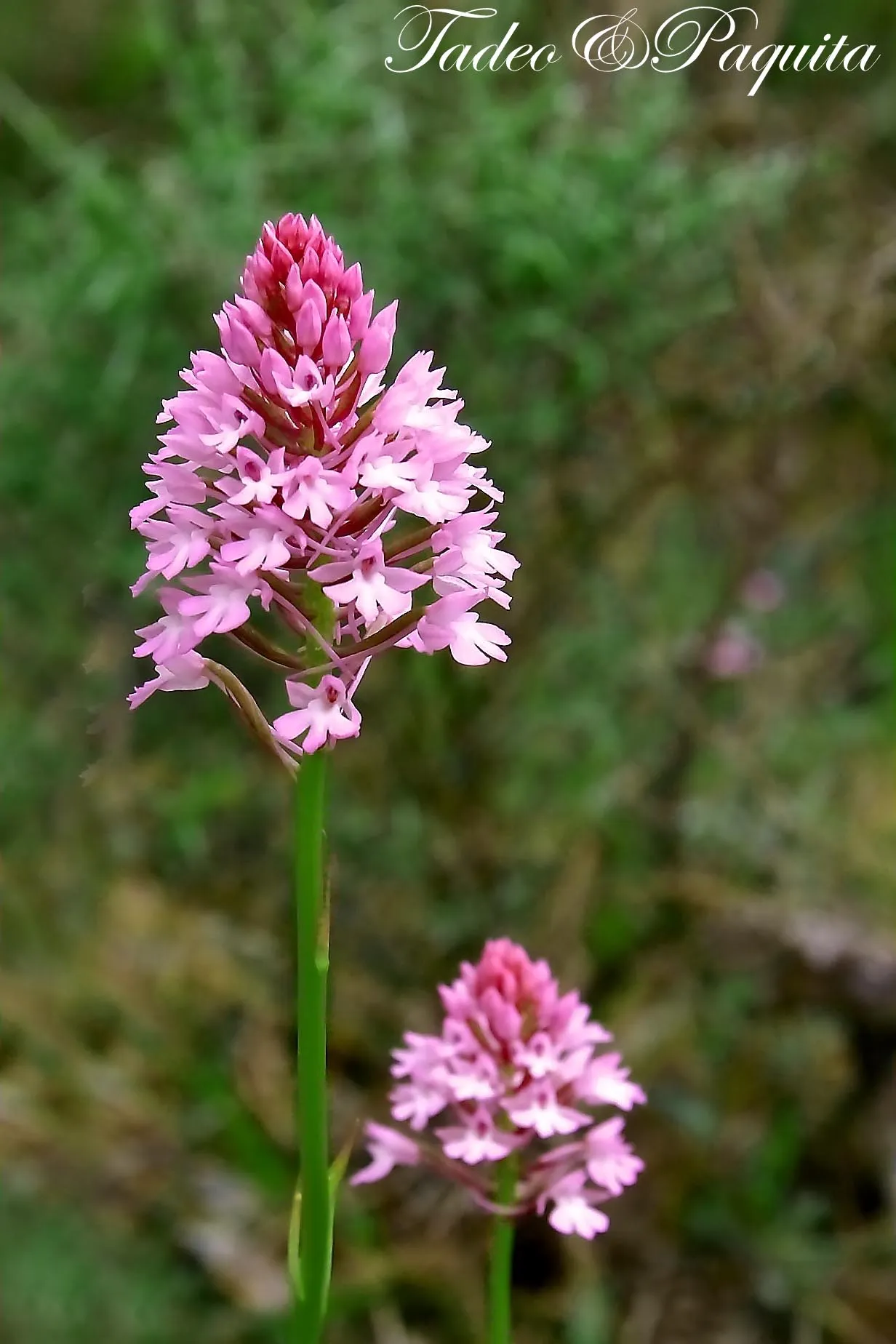
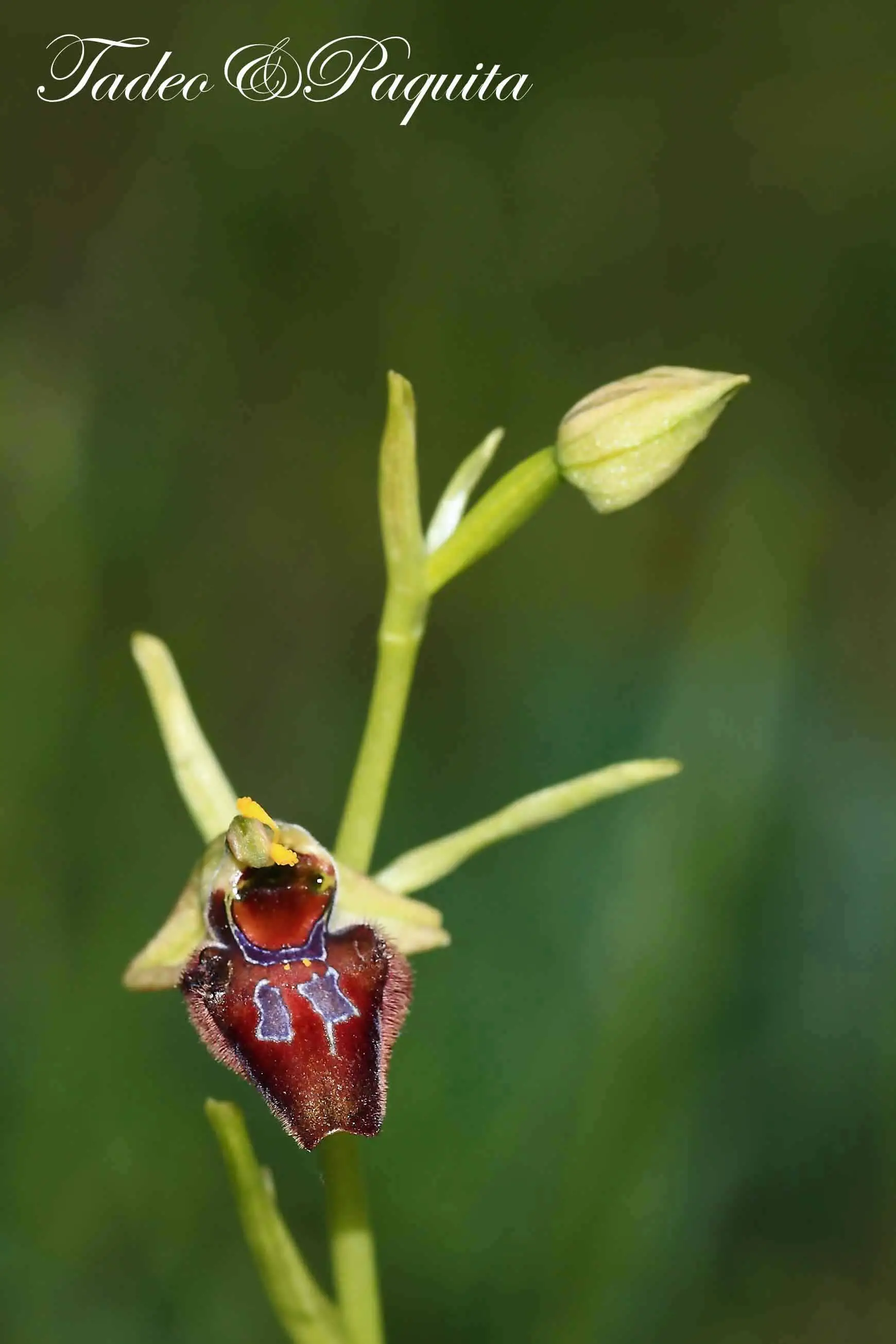
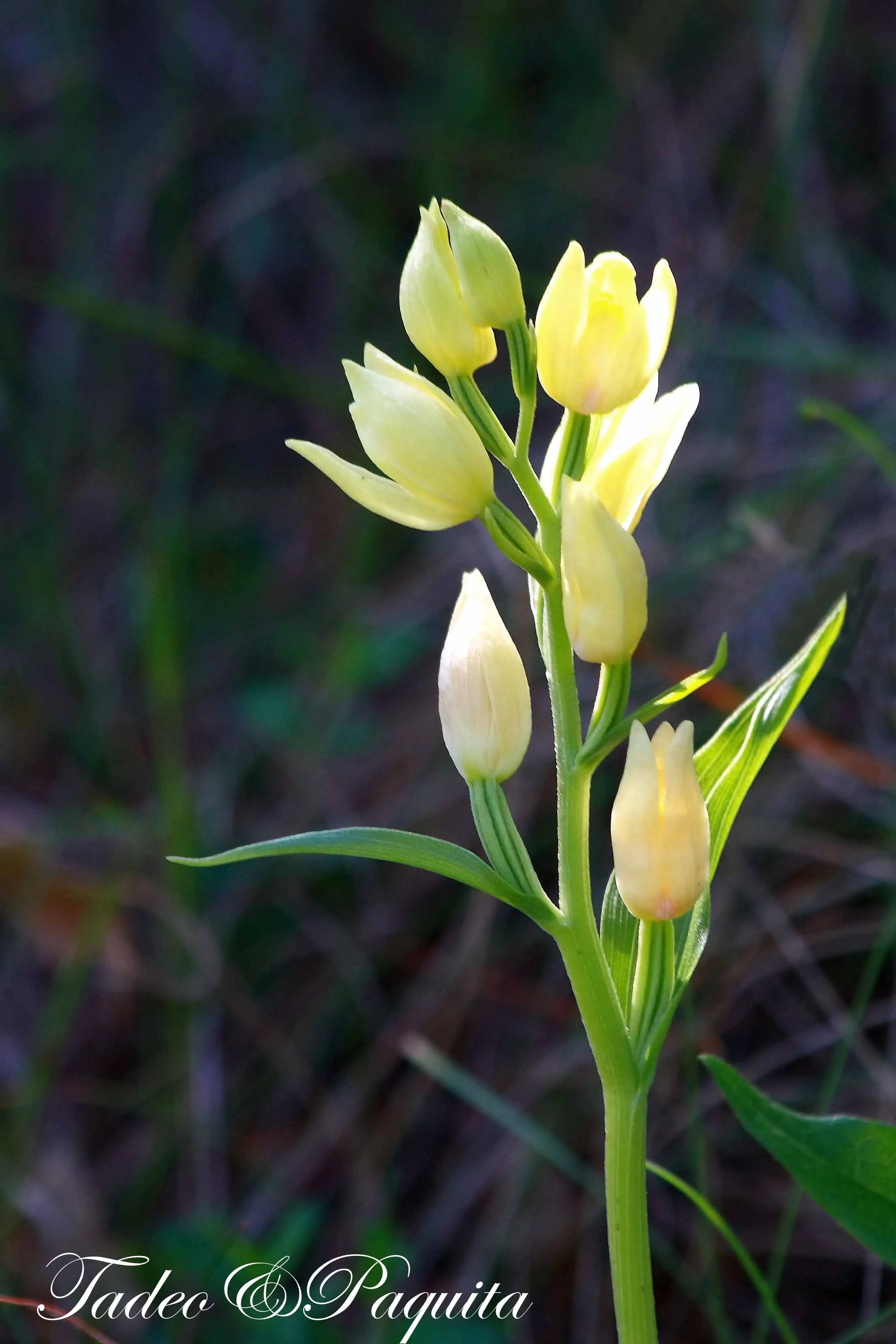
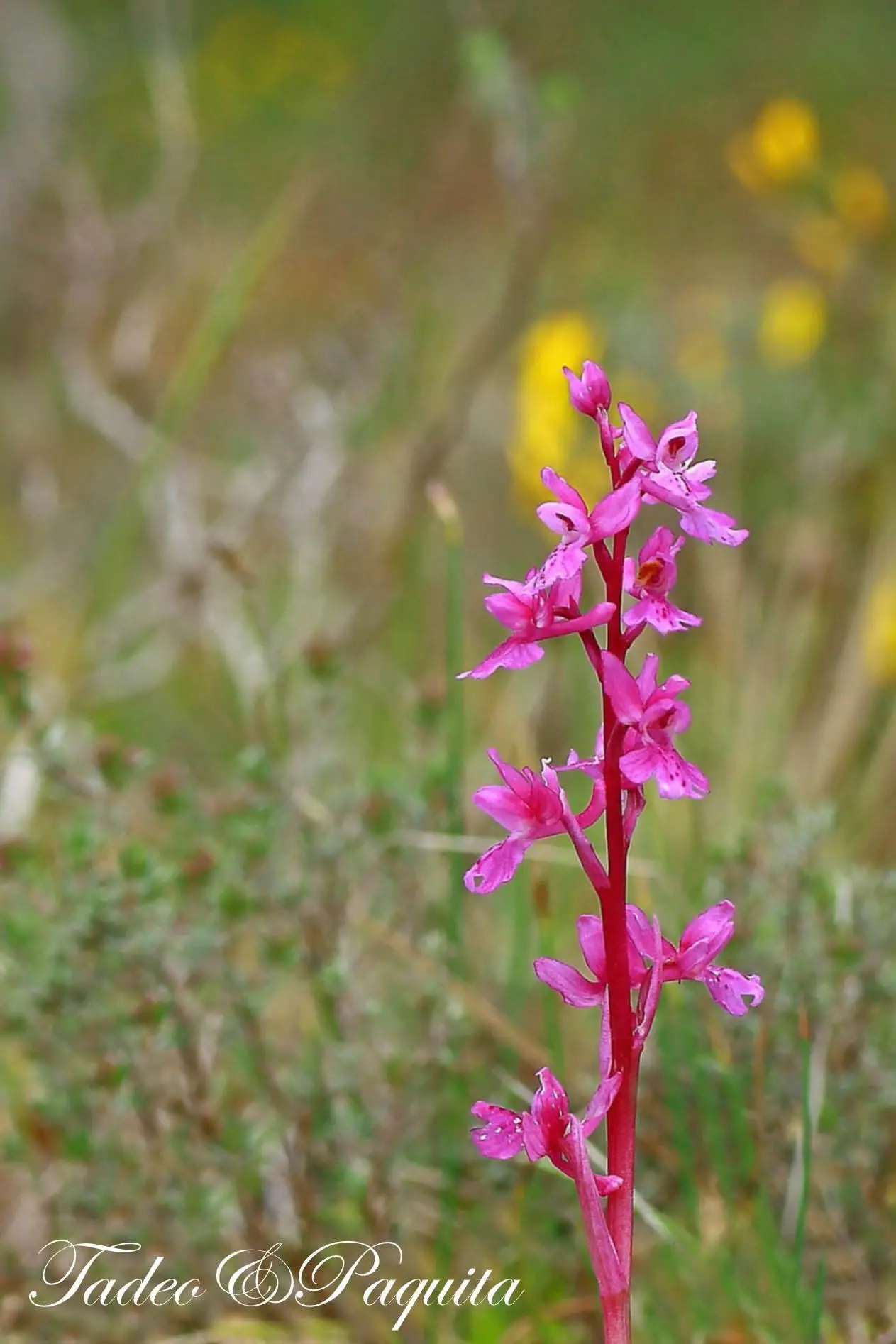
On the terraces of l’Arribassada, in the municipality of Cinctorres, the land has not been farmed for fifty years. Favoured by the local microclimate, beside the edge of the Rambla Celumbres and among many other endemic flowering plants, I have found eight kinds of orchid. Some may be less showy than their tropical relatives, but they are perhaps more delicate and subtle.
Orchids are plants that require particular conditions, and they are an example of evolution in the plant kingdom. Their structure is adapted to pollination by insects. Certain orchids (Ophrys) are trap flowers: they closely resemble bees in scent, touch and colour, and pollination takes place when a male bee tries to mate with the flower. Orchid seeds are so tiny they look like dust, and they can only germinate in association with special fungi that supply them with food; the fungus, in turn, will go on living as a guest of the plant once it develops, dwelling in its roots.
More in Flora
See the whole sectionThe trees
The longest-lived of living things
Scots and black pines, holm oaks, Portuguese oaks, hazels, elms and service trees. The commonest trees of the area, one by one.
Wildflowers
Catalogue from A to Z
Nearly seventy flowers photographed in the rambla, listed alphabetically by scientific name and grouped by family.