Fauna
Vultures, ibex, butterflies, spiders and other neighbours
Birds and mammals
Birds of prey
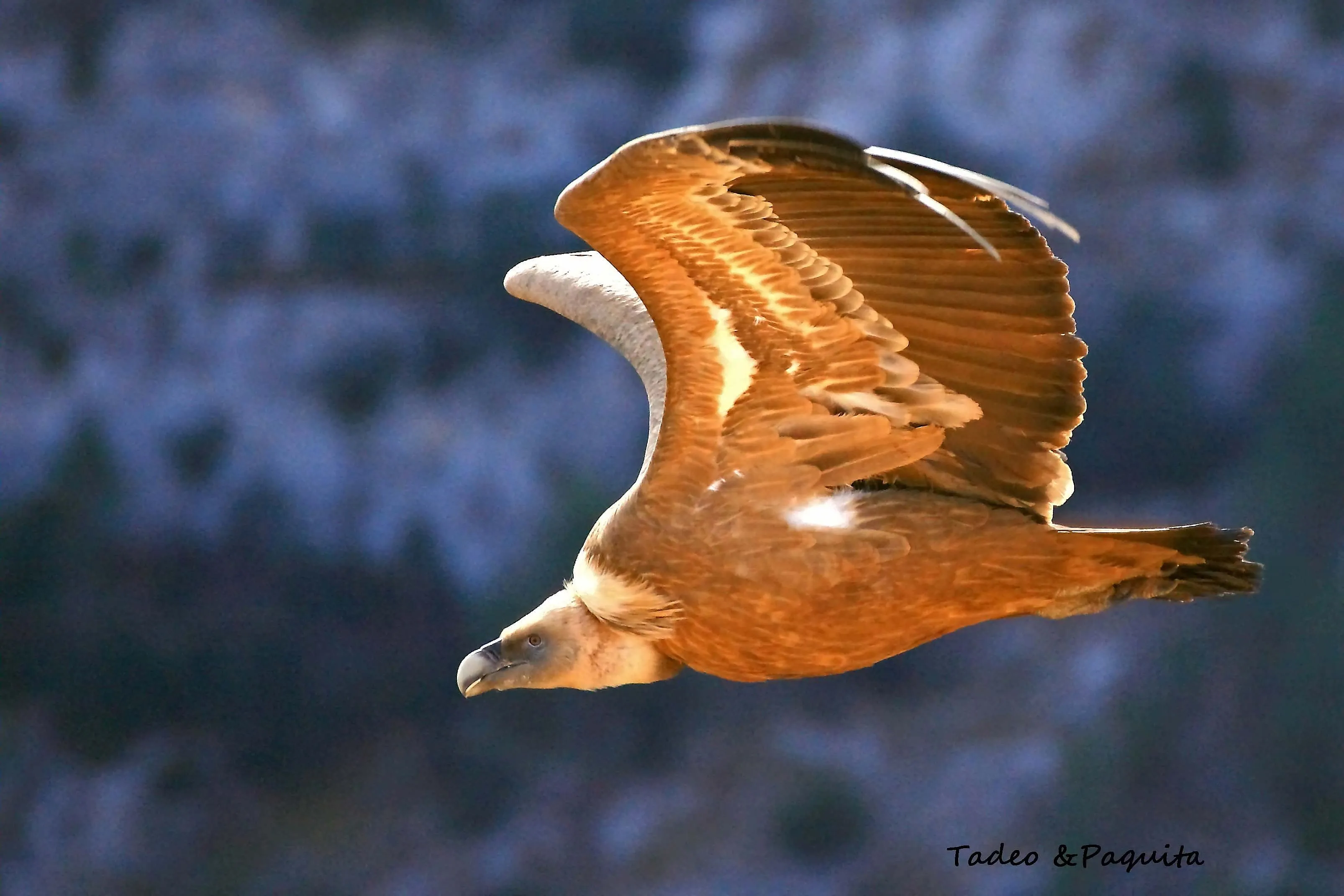
Griffon vulture and peregrine falcon
Several mornings crouched under a camouflage net at the top of the Roca Parda, until they captured the majestic flight of the vultures.
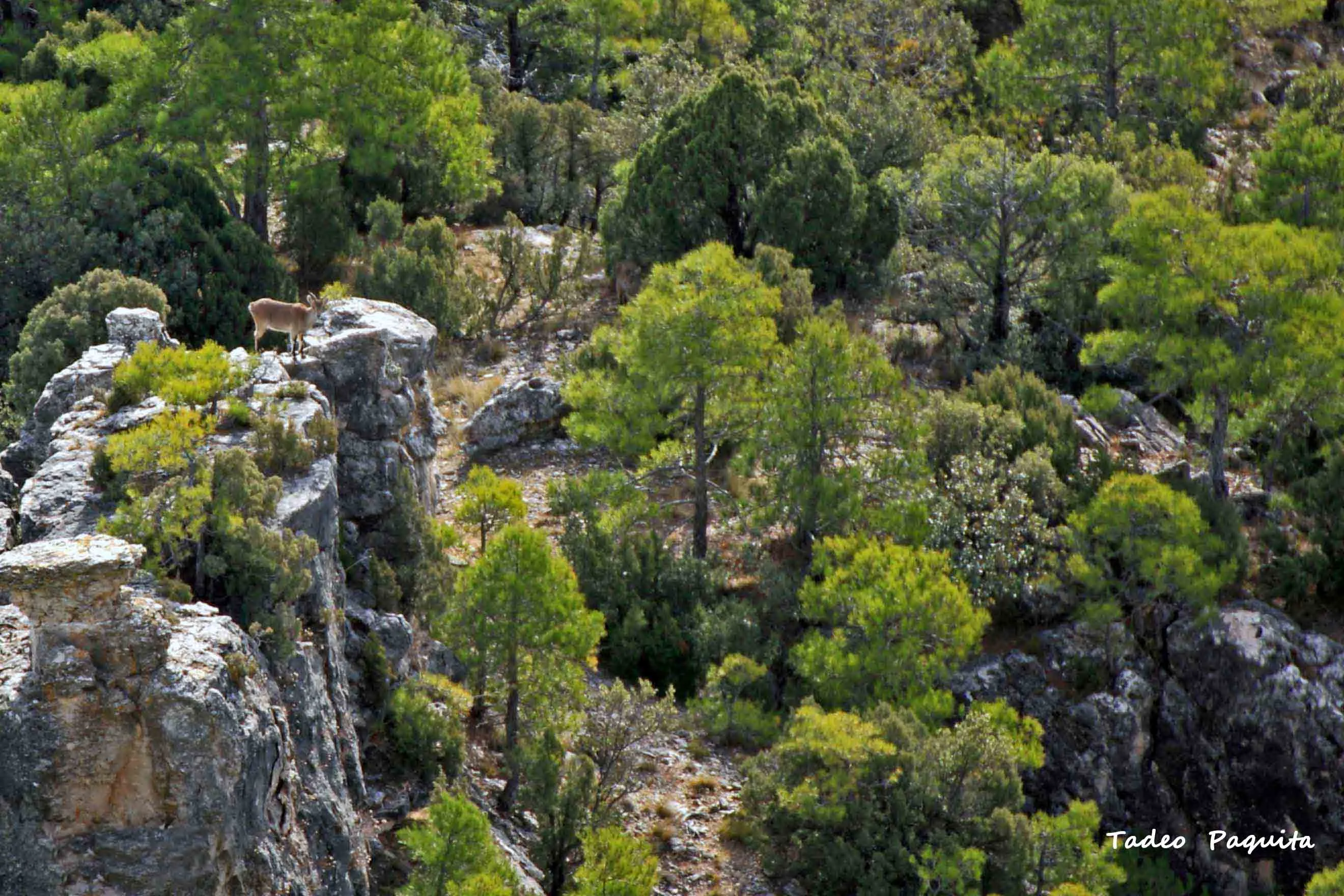
Iberian ibex
Capra pyrenaica
They climb gorges and crags on the edge of the abyss, and when the group is feeding there is always one on watch. At the first sign of danger, they all run.
Insects
Butterflies
Papallones, palometes
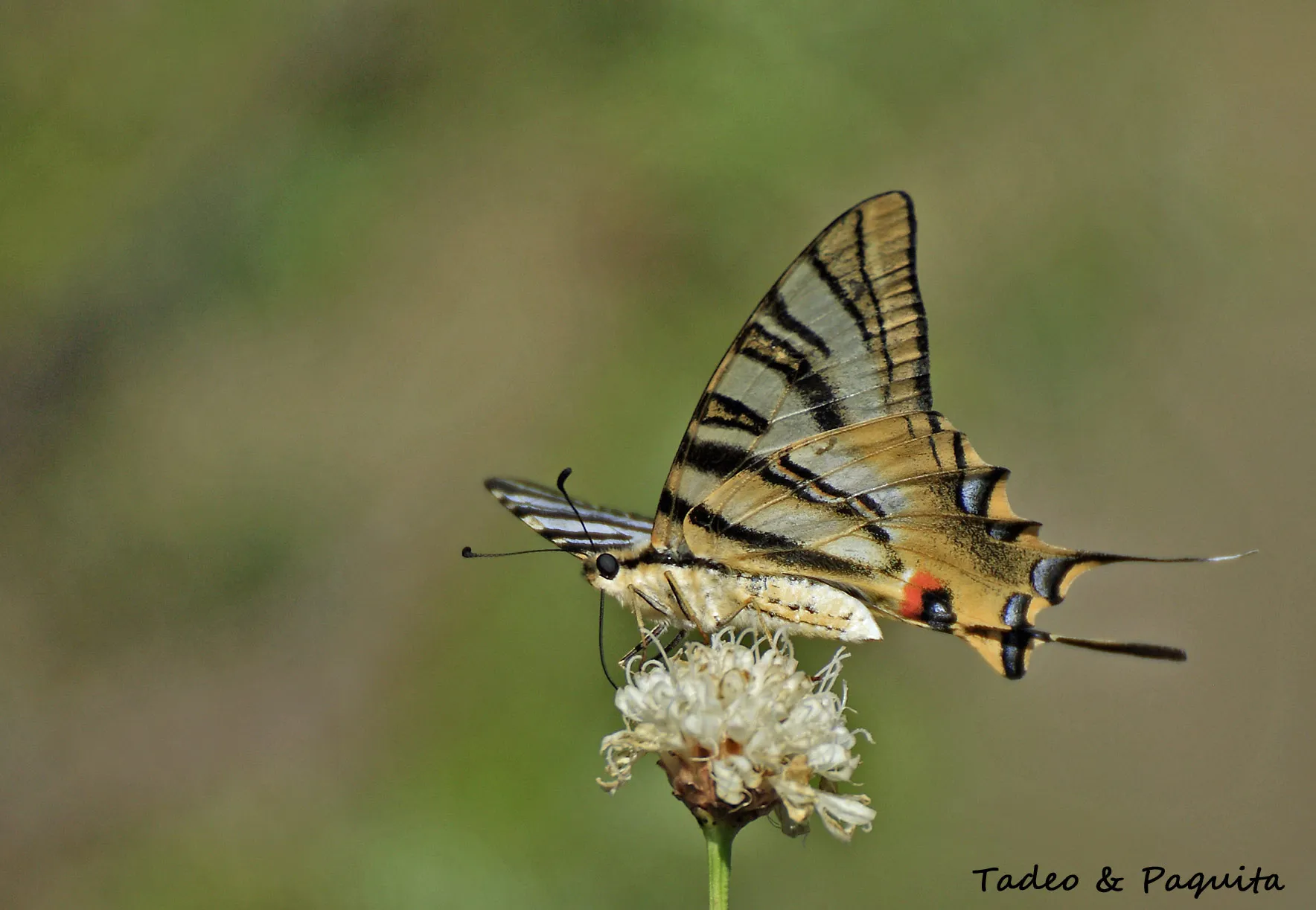
Wings covered in scales and antennae ending in a club. Five families live in the rambla; the nymphalids are the most abundant.
Moths
The first moth of the season
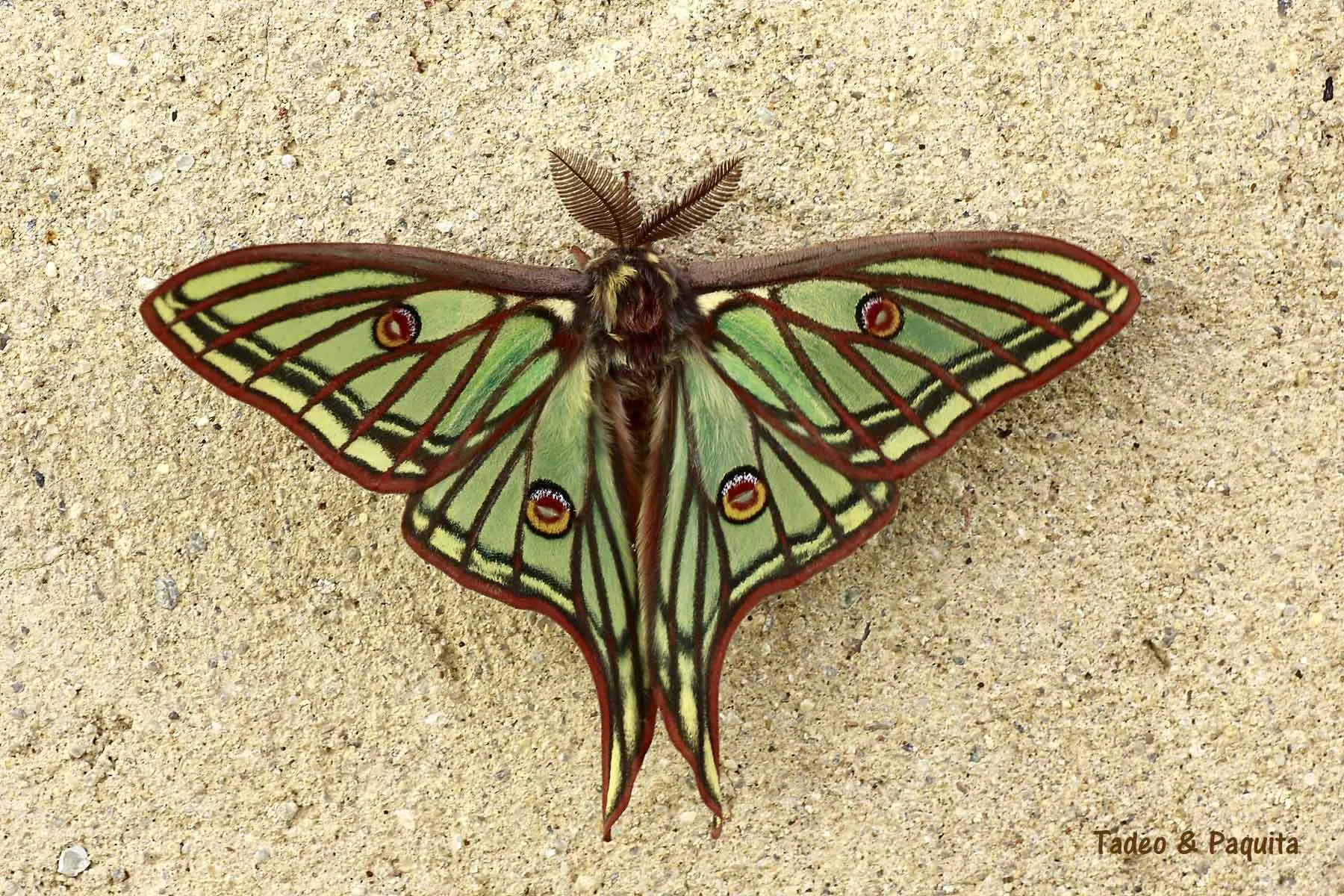
A Graellsia isabellae almost as big as a hand, found at seven in the morning at the dels Bassis spring, and other moths of the rambla.
Beetles
Coleoptera
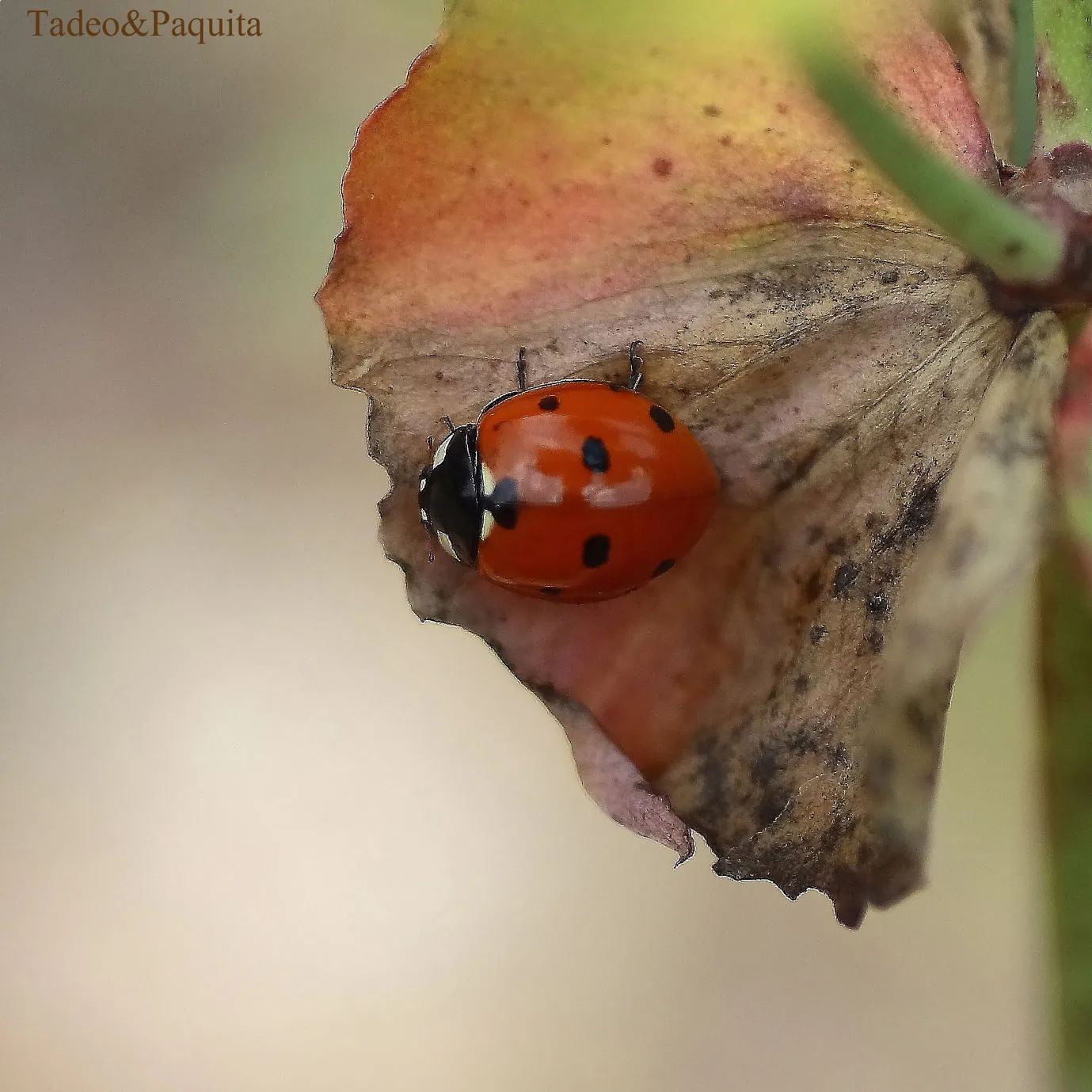
Ladybirds, “beetles of Our Lady” since the Middle Ages, and other colourful beetles that live among the flowers of the rambla.
Mantises
Mantodea
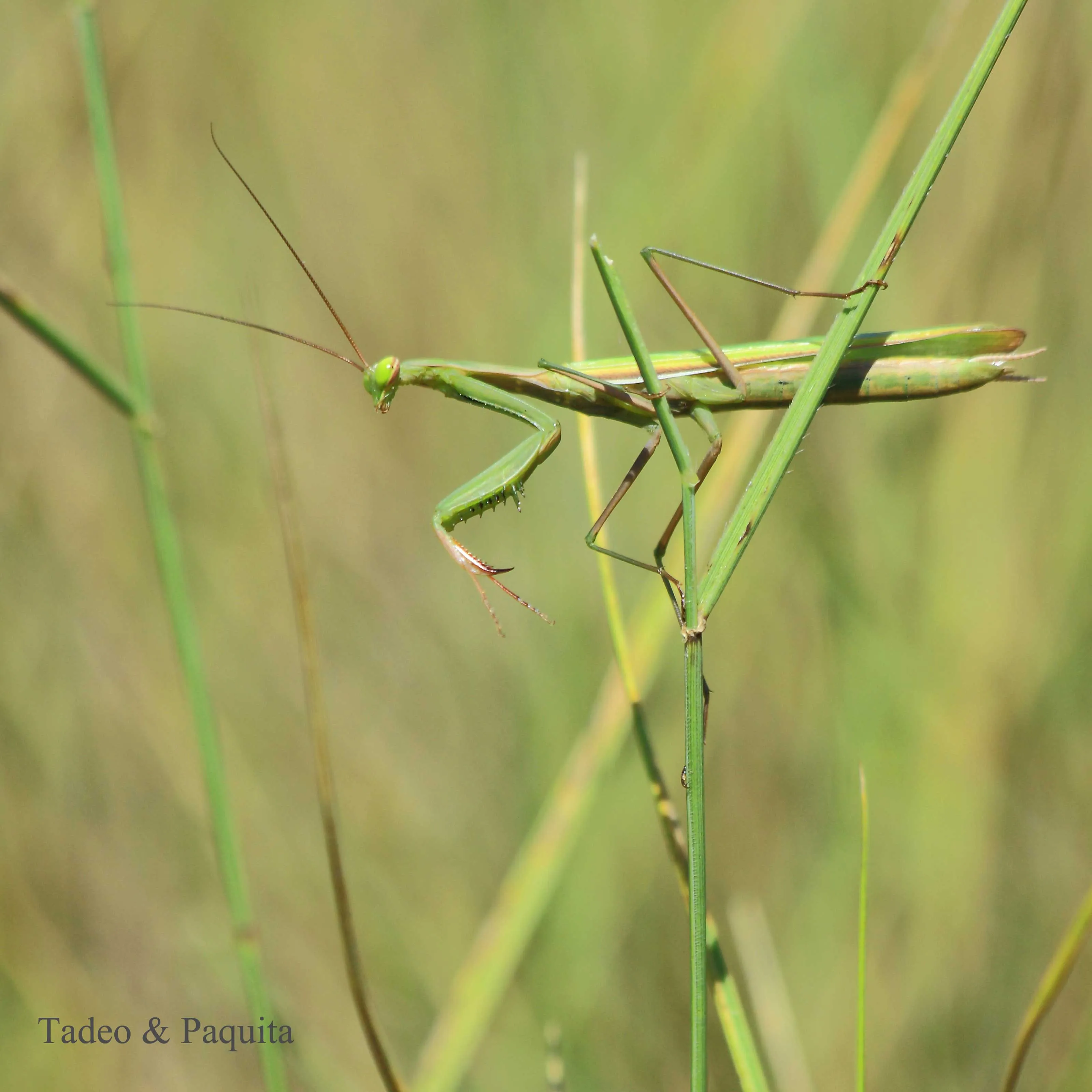
A mobile head, grasping forelegs and a camouflage that fools predators. The conehead mantis is named after a spectre of Greek mythology.
Bugs
Hemiptera
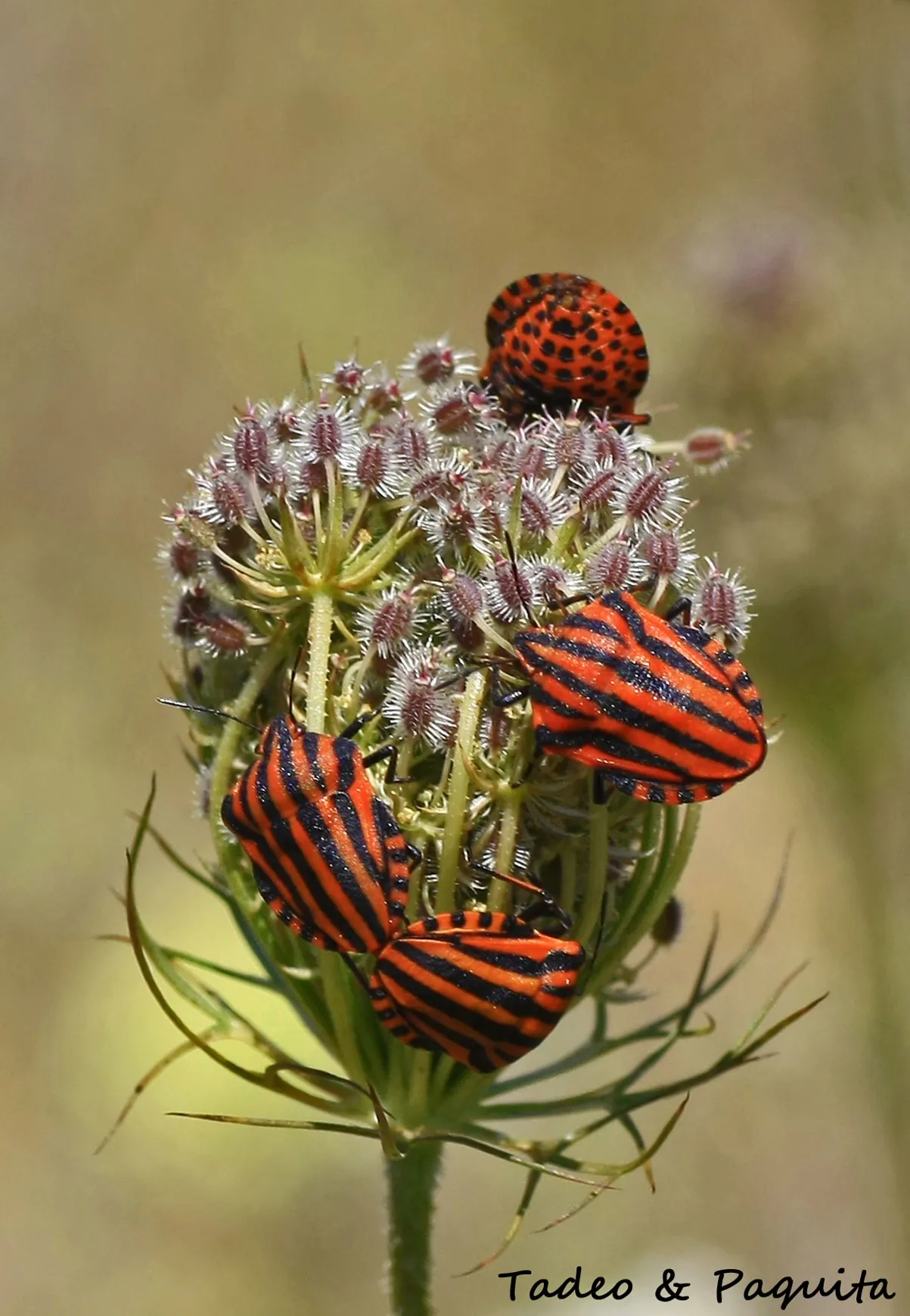
Wings half hard, half membranous, and bright colours that warn of their foul taste. Among them, a North American invader that threatens the pines.
Bees, wasps and ants
Hymenoptera
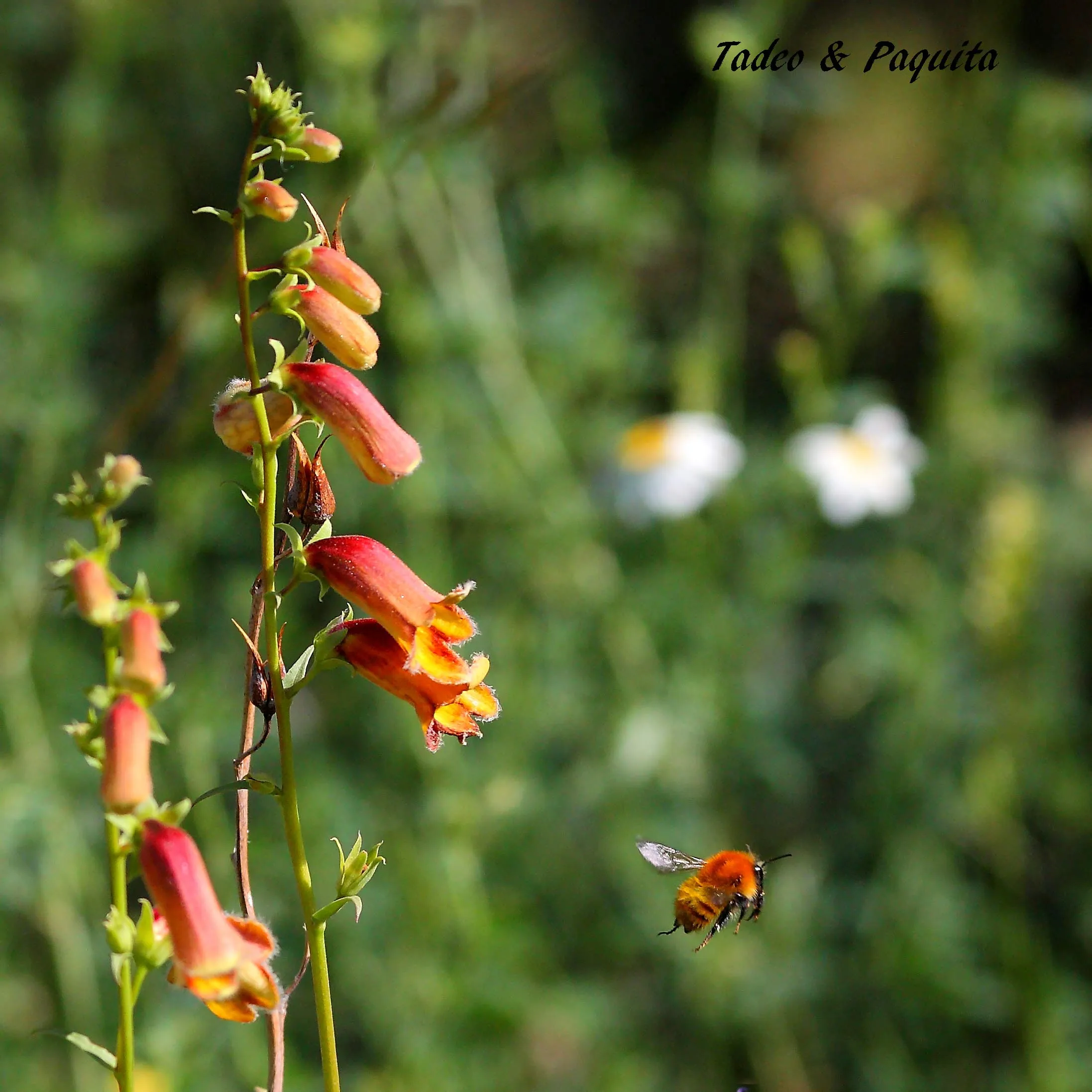
Societies of queens and daughters, swarms that rest while the scouts look for a home, mud nests shaped like pots, and the traps of the antlions.
Dragonflies
Odonata
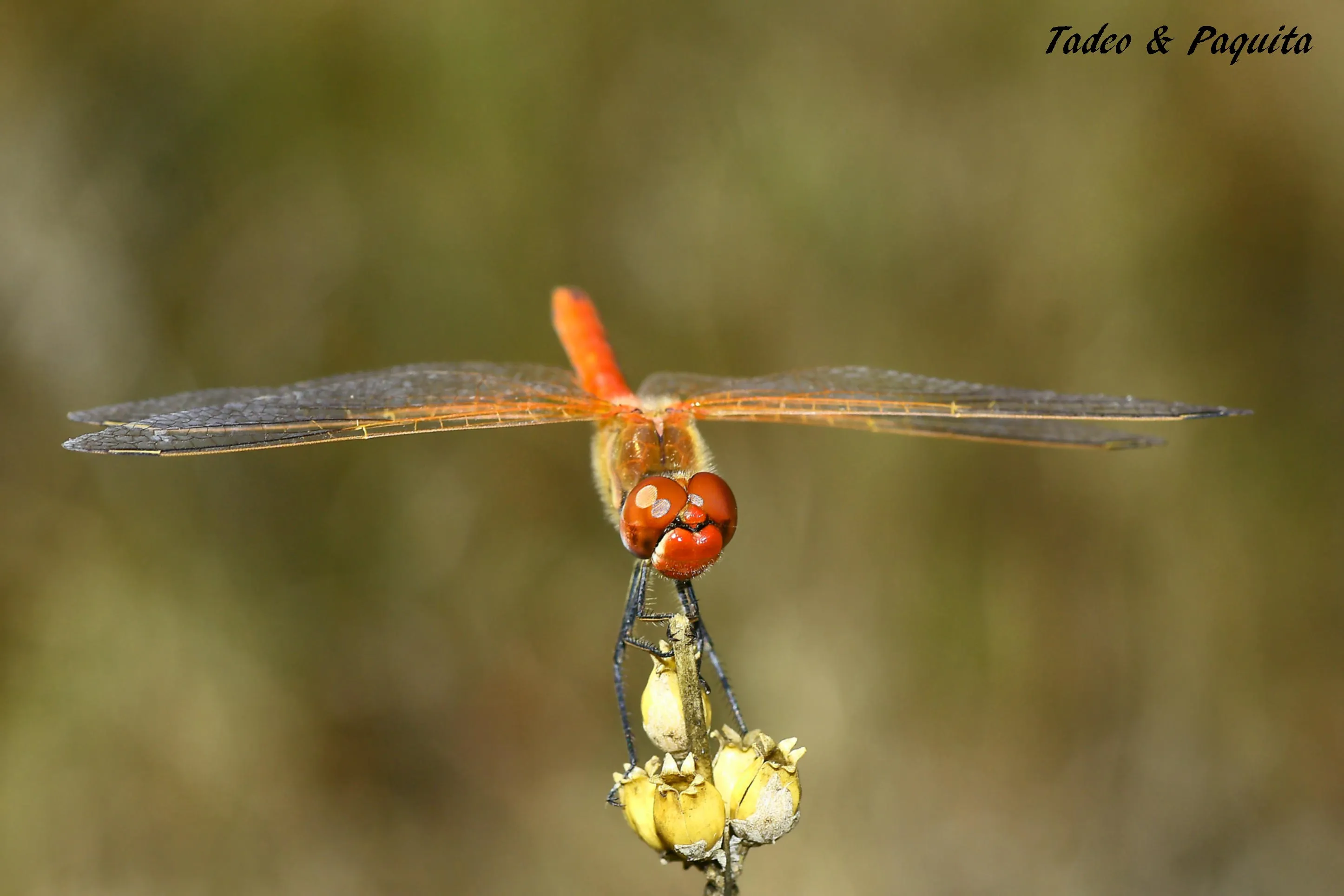
Metallic glints, iridescent wings and a helicopter's flight. They live in the pools the rain leaves in the rambla.
Grasshoppers and crickets
Orthoptera
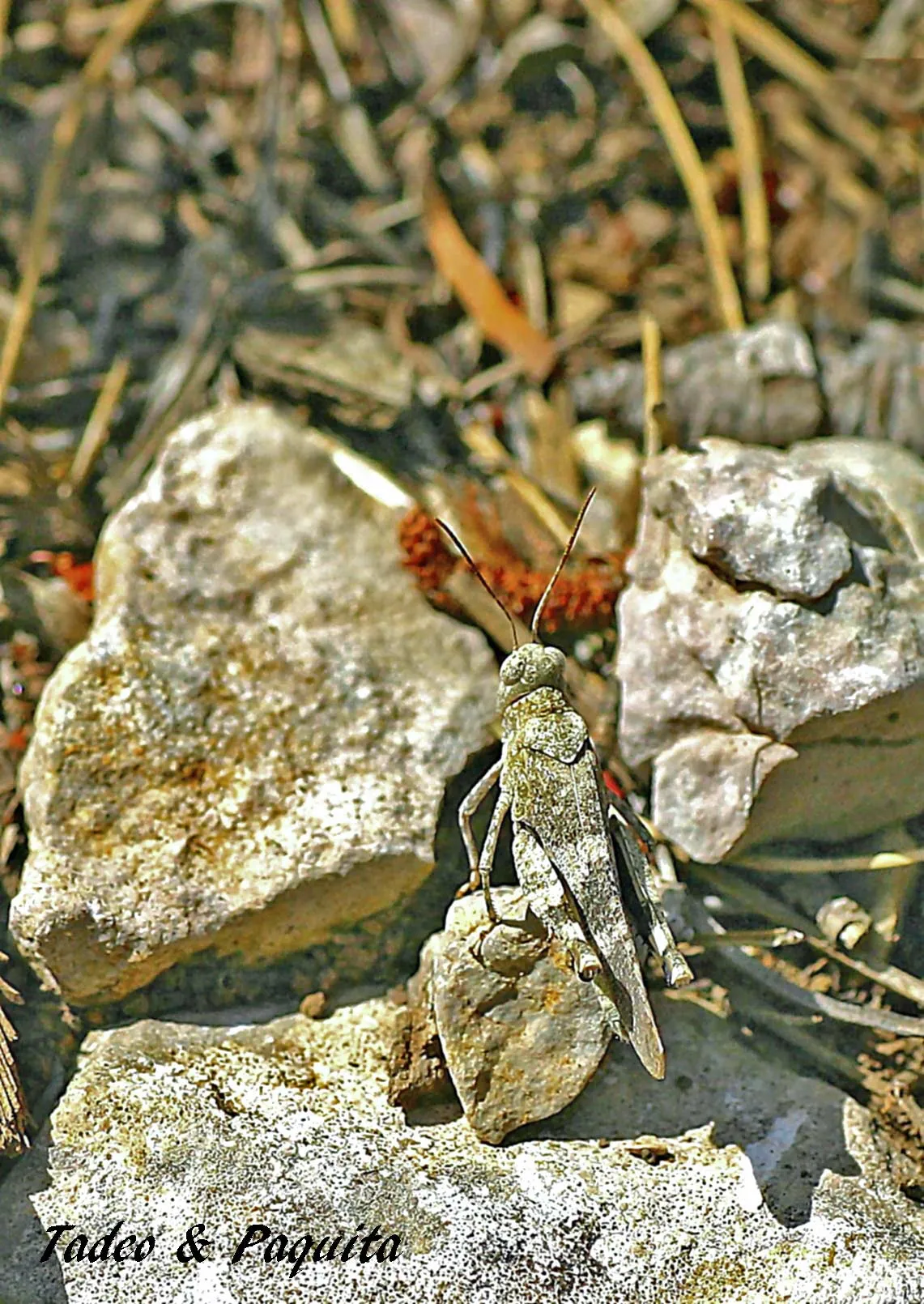
Great jumpers with incomplete metamorphosis. Some sing by rubbing their legs against their wings; others rub their wings together, and hear with their legs.