Iberian ibex
Capra pyrenaica
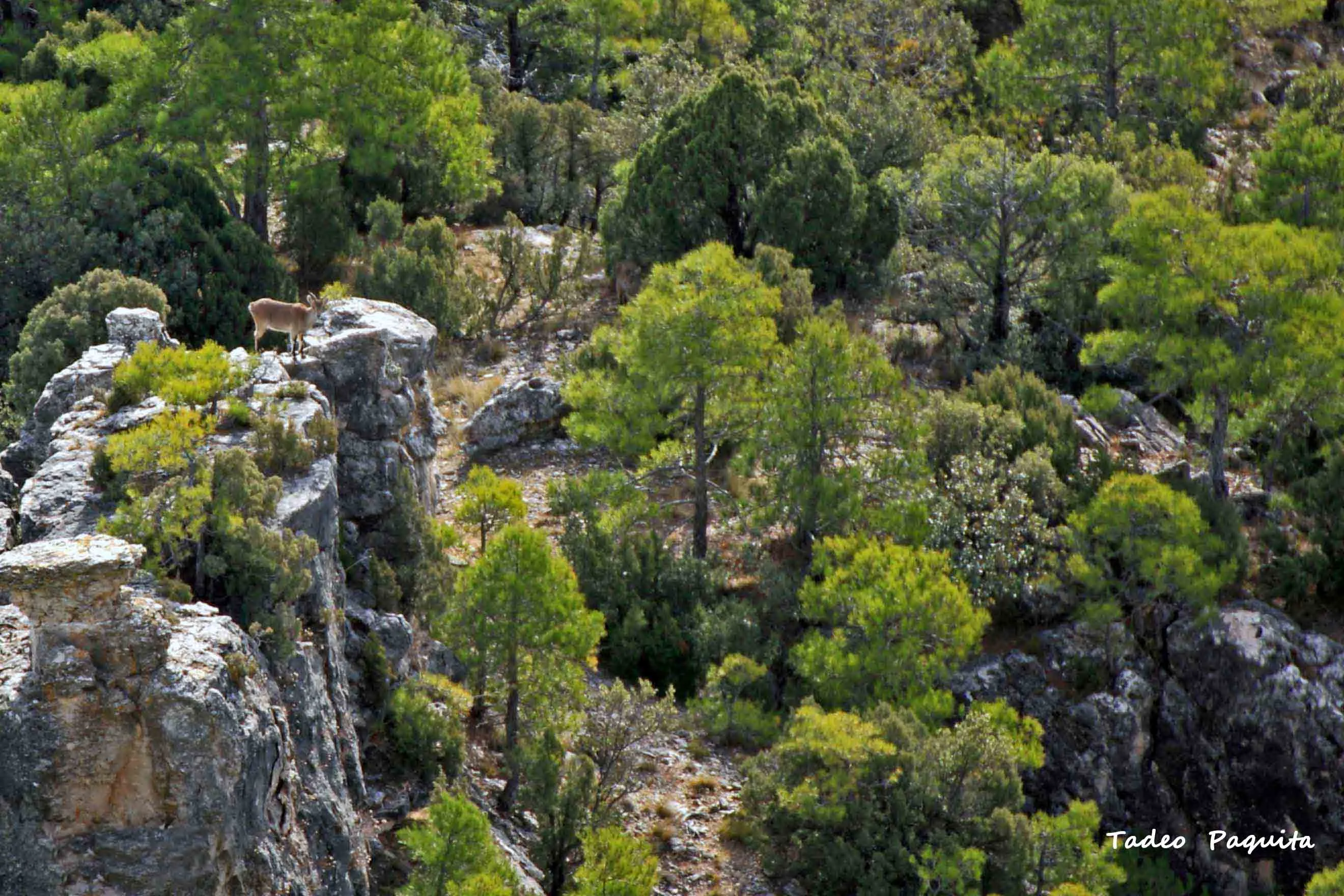
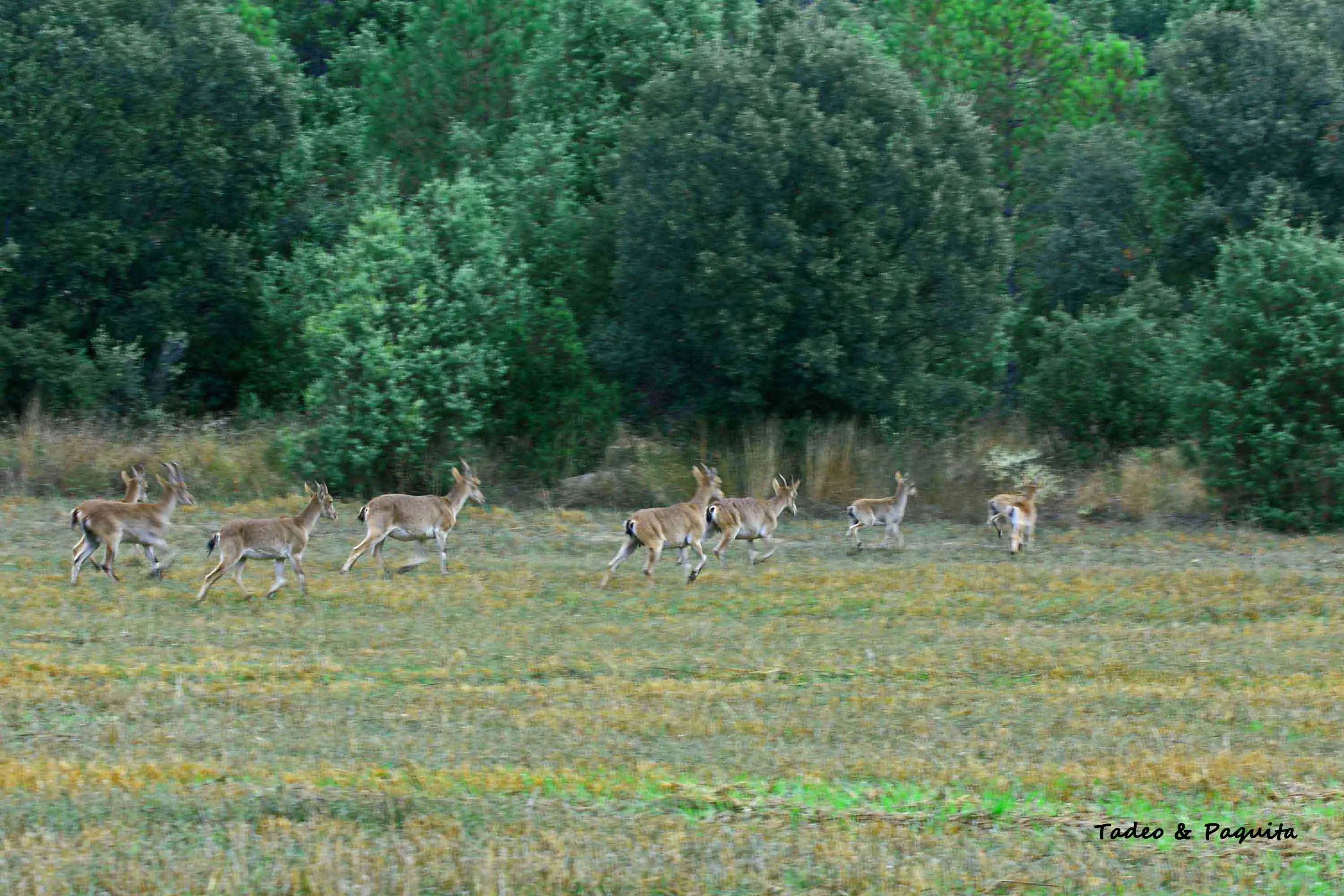
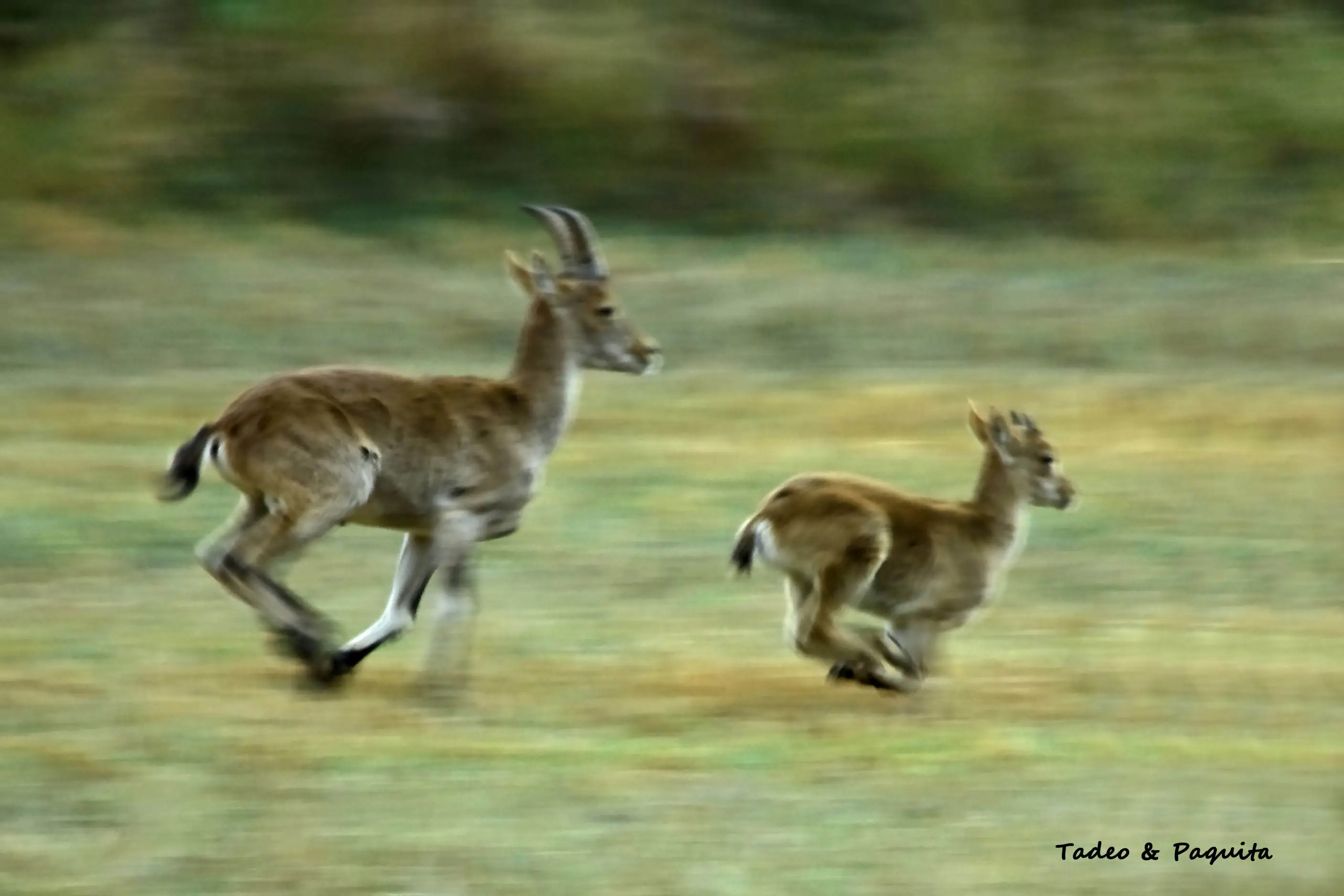
They climb gorges and crags on the edge of the abyss, and when the group is feeding there is always one on watch. At the first sign of danger, they all run.
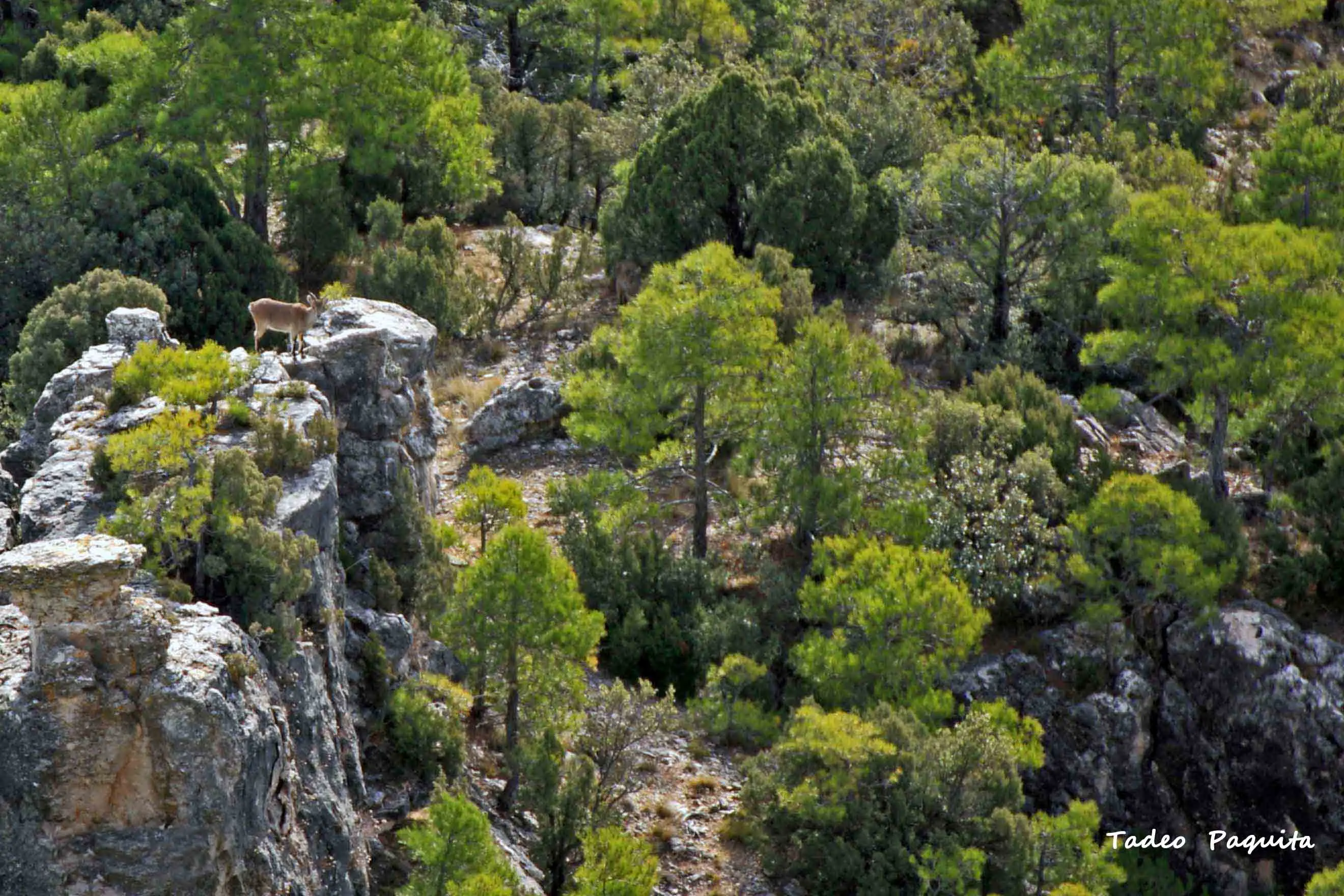
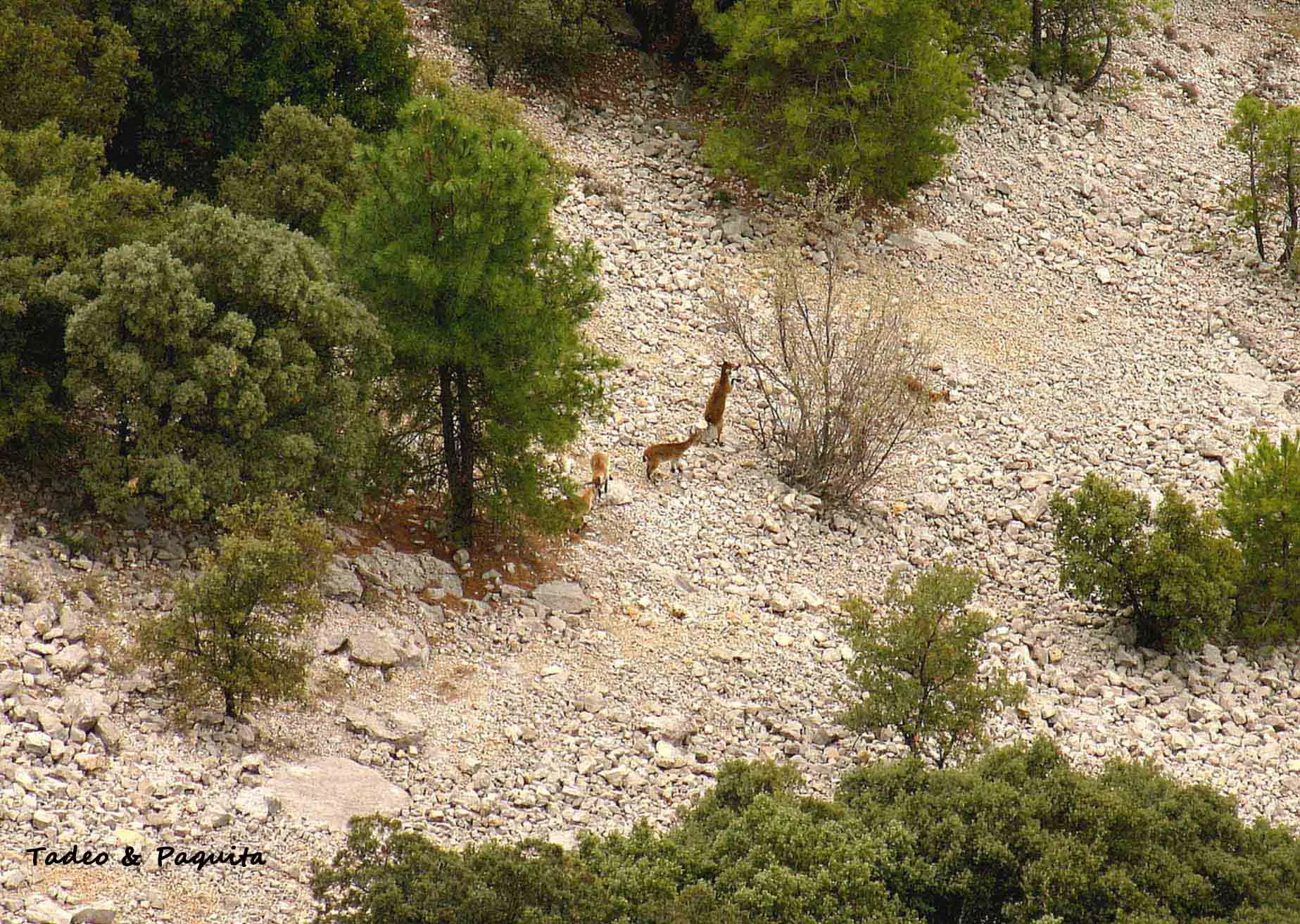
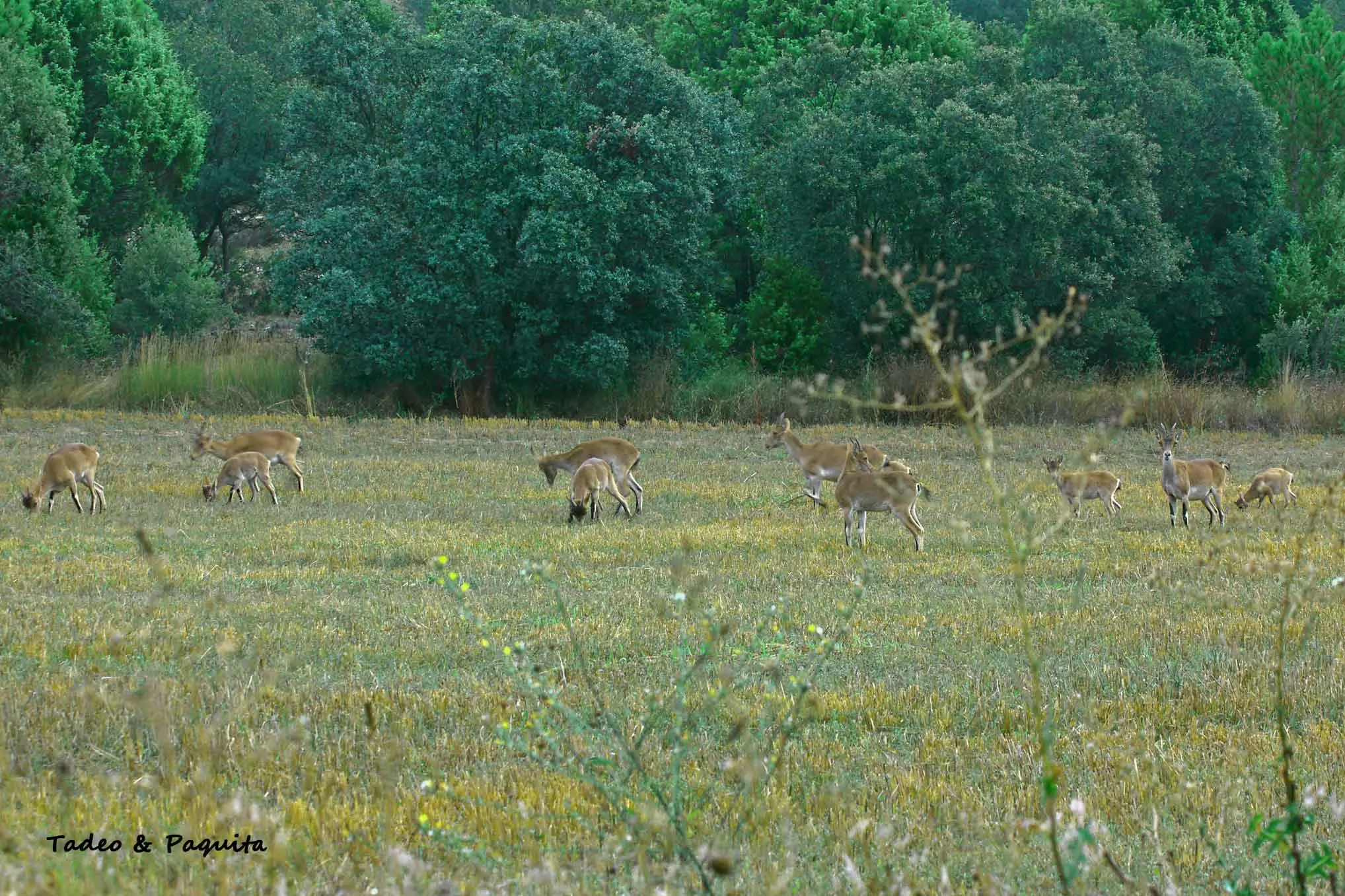
It is not unusual, driving along the country roads of Els Ports, for an Iberian ibex to cross your path, to your surprise; and, depending on the time of year, in small groups that climb nimbly up gorges and crags, skirting the abyss. They feed on pasture and, when it is scarce, eat the leaves and tender tips of tree branches.
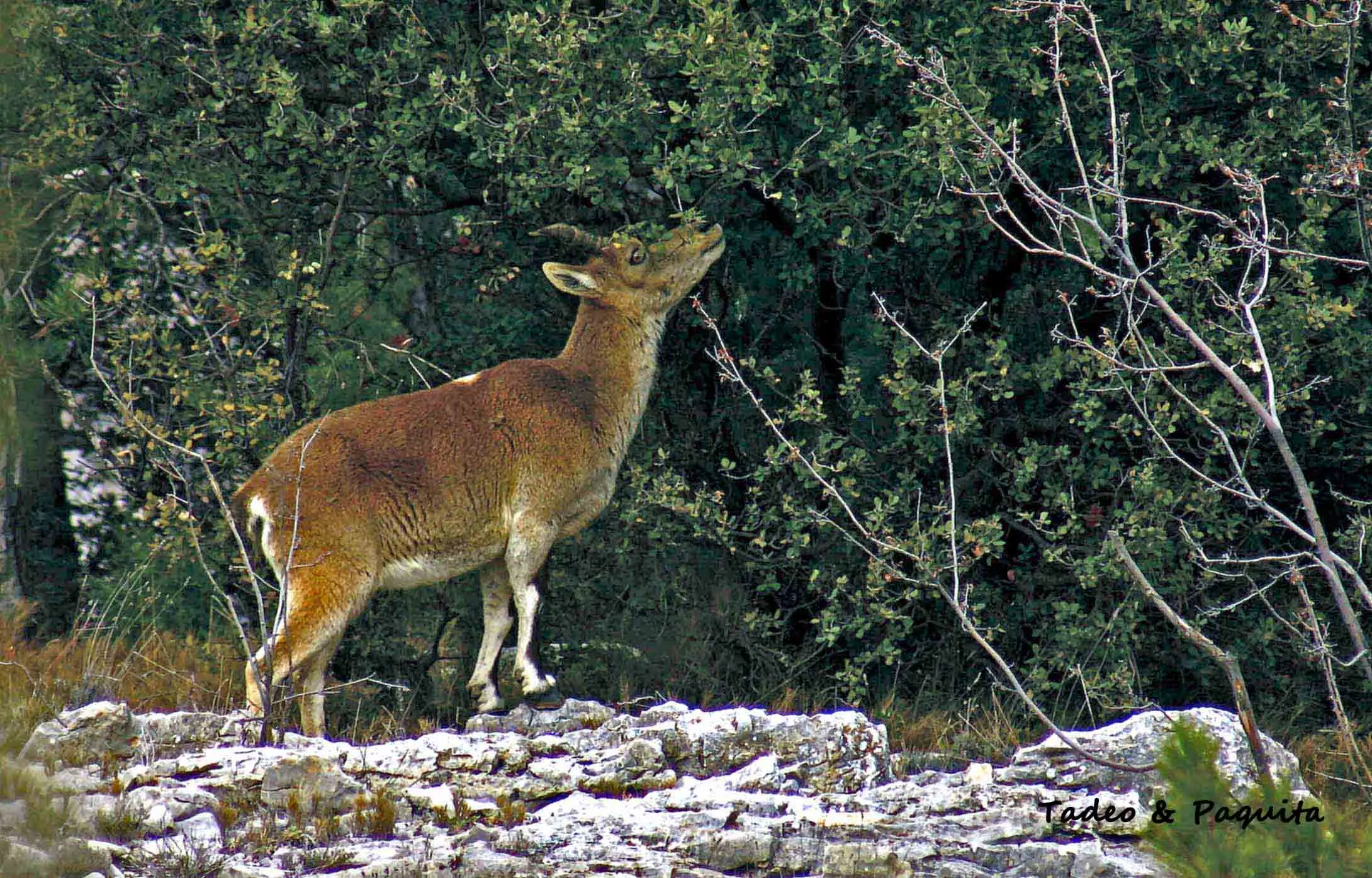
It is a strong, sturdily built animal. The male is larger, and so are his horns, ringed and curving backwards. The female’s horns are smaller and thinner.
It is a polygamous species: the male goes alone. When the mating season comes he approaches the herd of females, which generally keep together. The male is aggressive towards the other males, who also answer the call in the rutting season; the one who wins the contest stays with the group of females, and leaves them after mating.
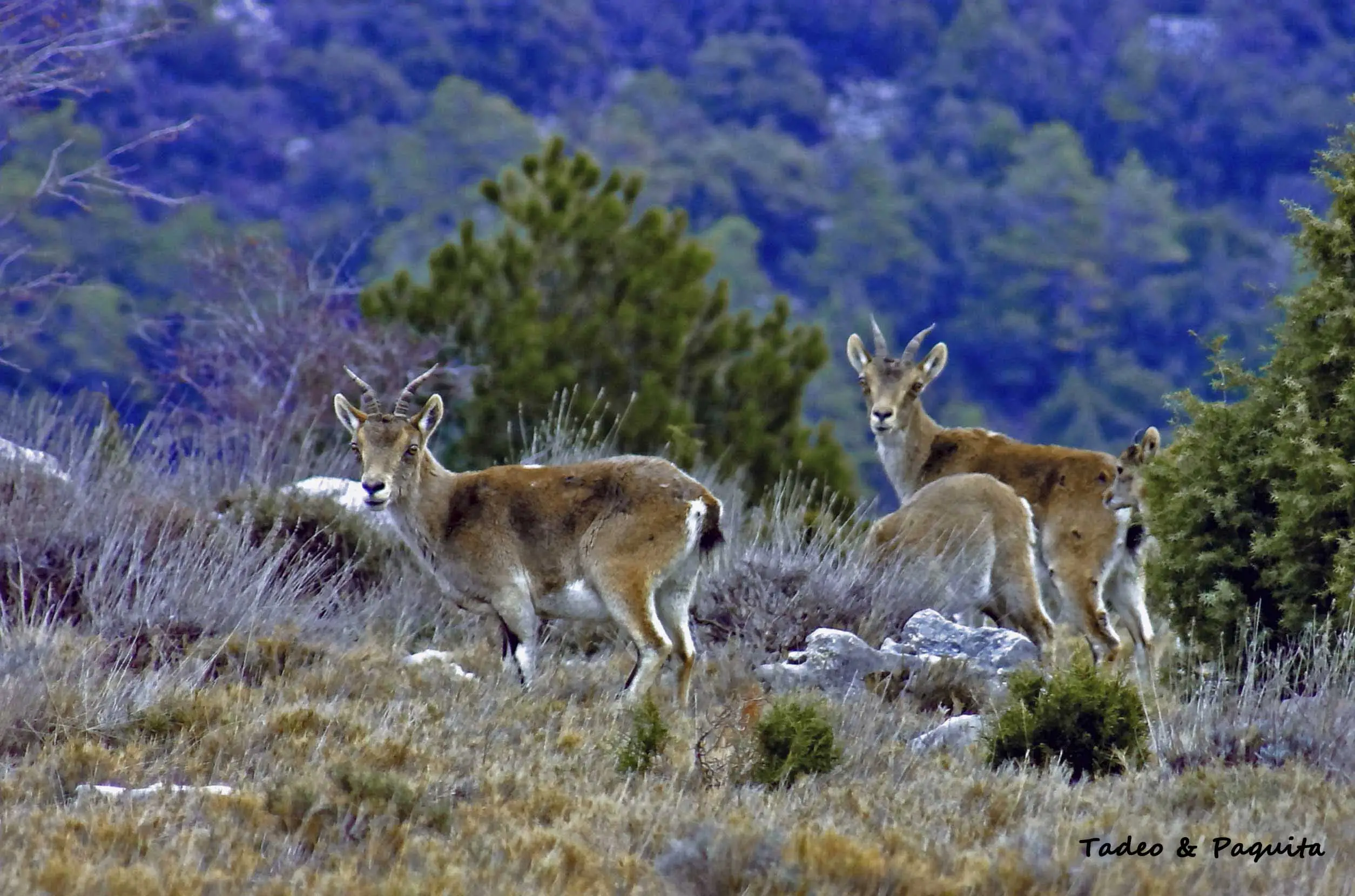
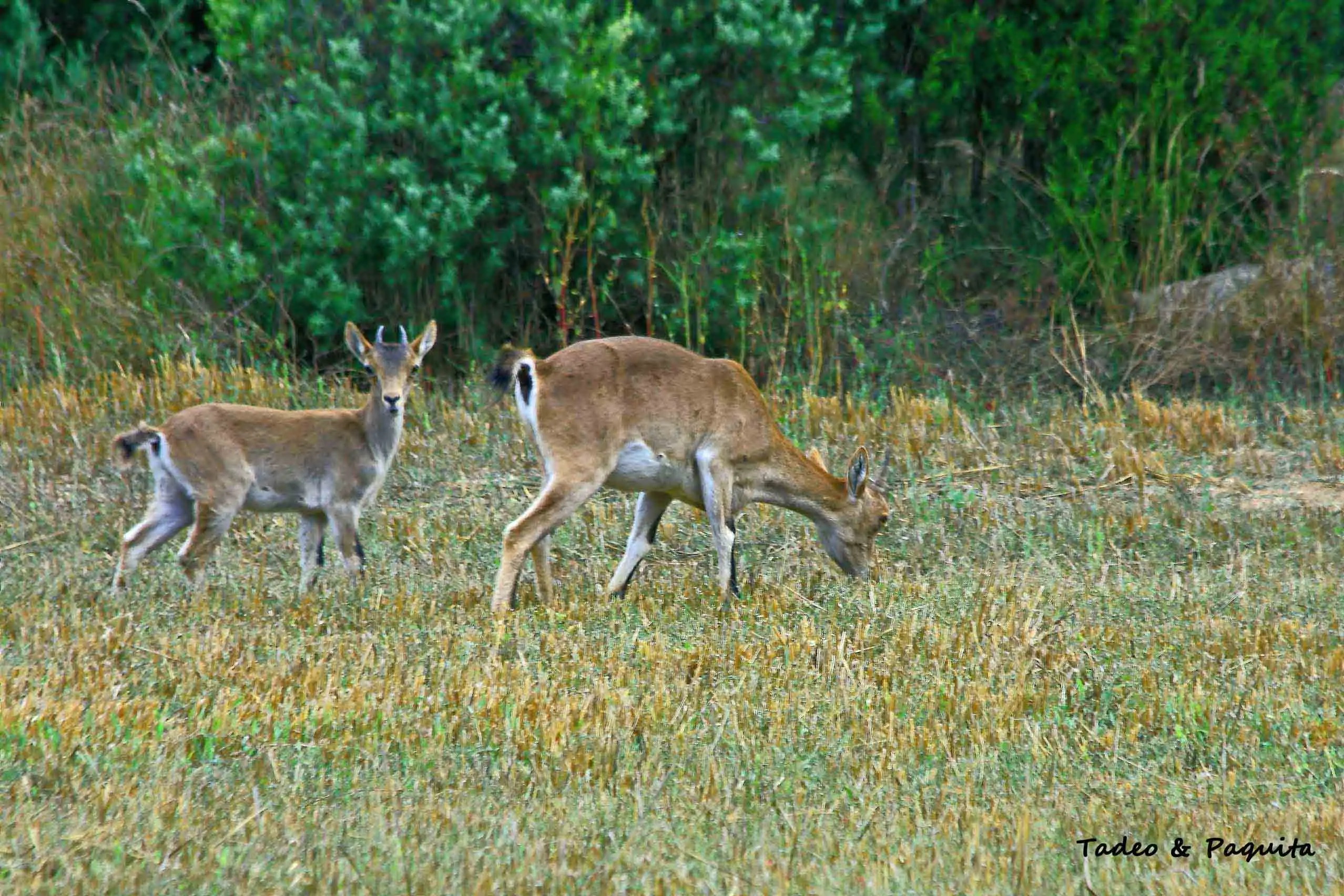
Gestation lasts about 23 or 24 weeks, and the young are born between April and July. They usually have one or two kids. Female kids always stay with their mother; not so the xotos, the young males, which leave the herd.
We have noticed that when a group of ibex with their young is feeding there is always one on watch, scanning the surroundings, and at the first sign of danger they all run. Their predators are foxes, eagles and poachers. At other times, if we watch them calmly, they go on their way: they have a keen sense of survival and know when they are in danger.
More in Fauna
See the whole sectionBirds of prey
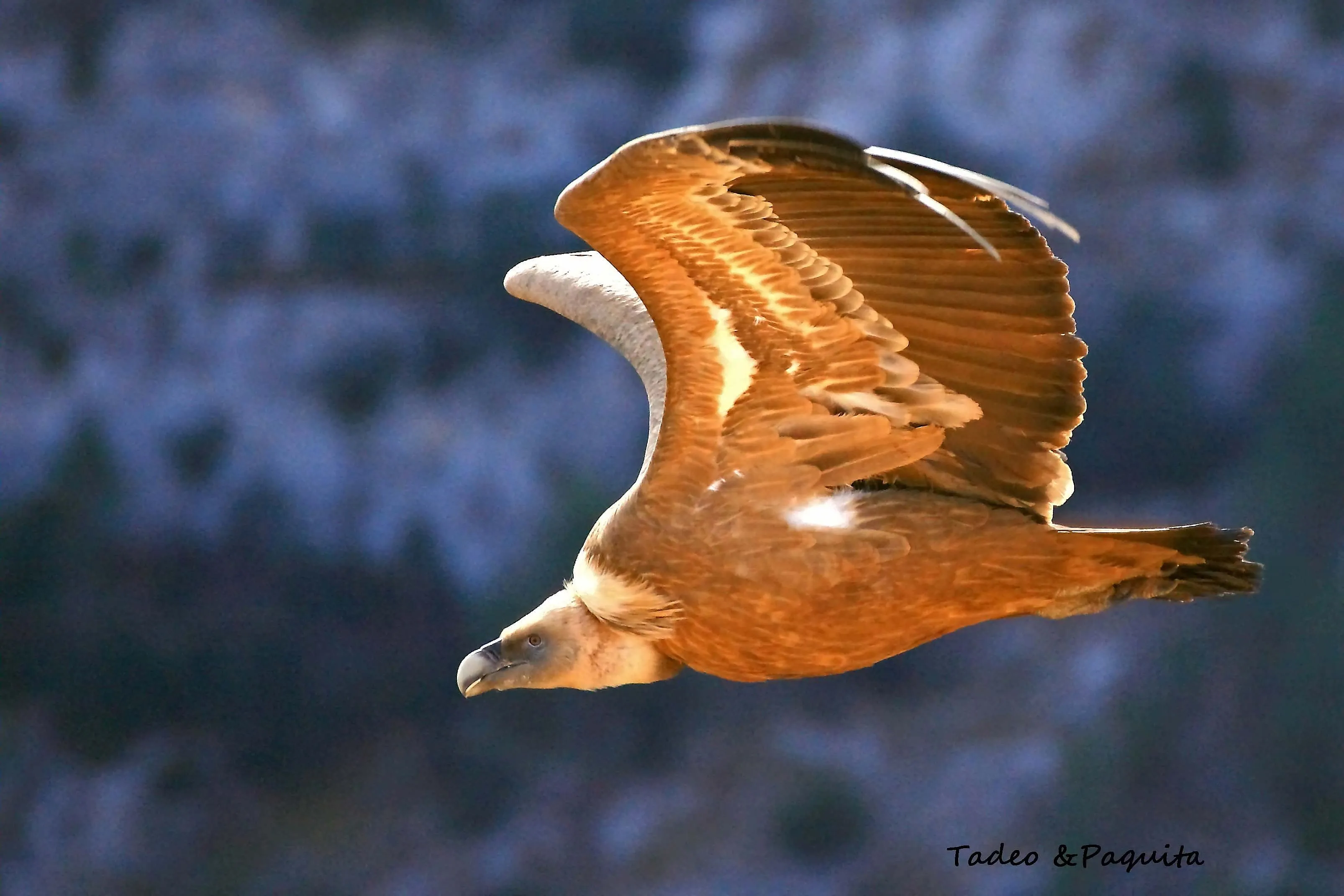
Griffon vulture and peregrine falcon
Several mornings crouched under a camouflage net at the top of the Roca Parda, until they captured the majestic flight of the vultures.
Butterflies
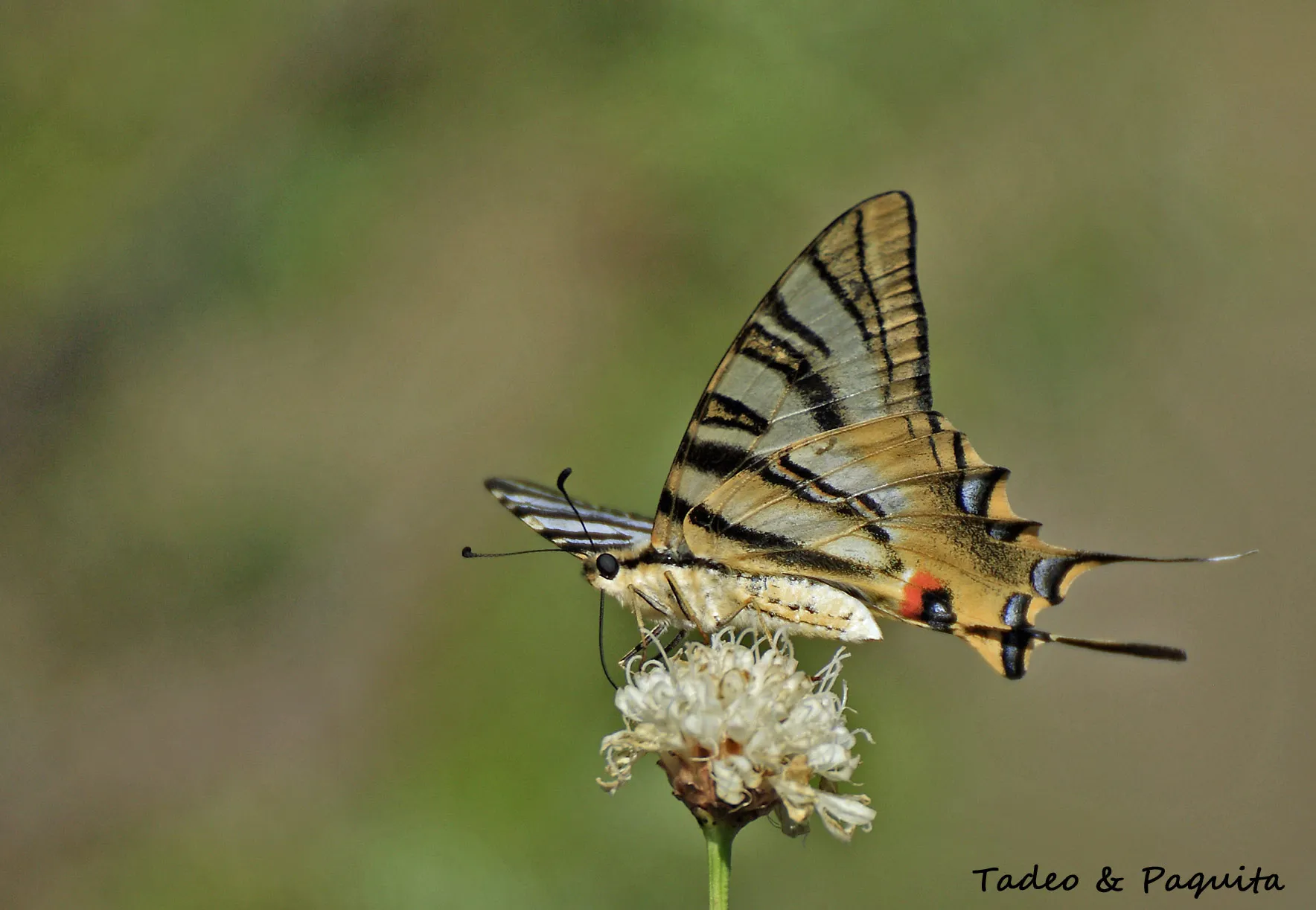
Papallones, palometes
Wings covered in scales and antennae ending in a club. Five families live in the rambla; the nymphalids are the most abundant.
Moths
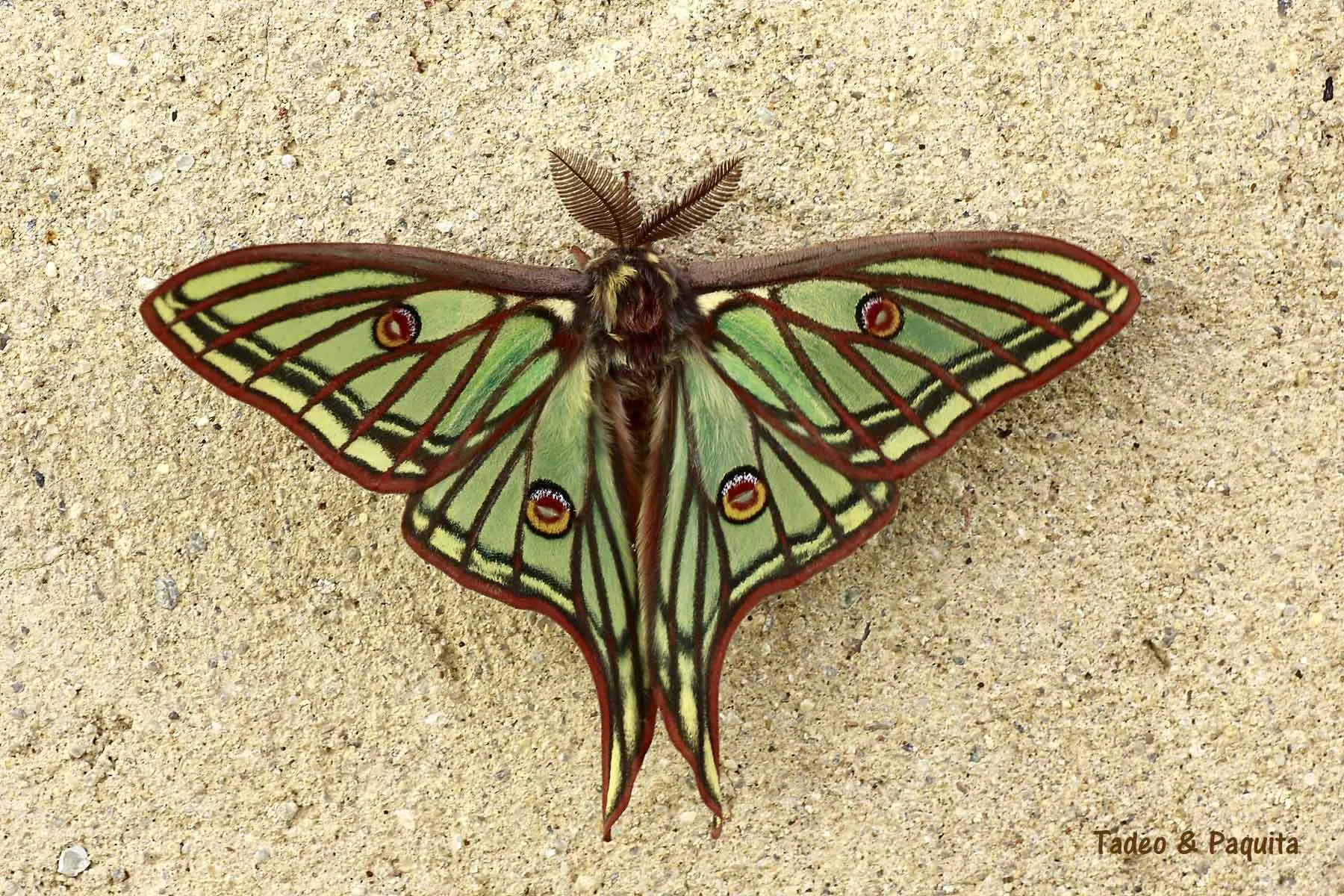
The first moth of the season
A Graellsia isabellae almost as big as a hand, found at seven in the morning at the dels Bassis spring, and other moths of the rambla.