Wildflowers
Catalogue from A to Z
Nearly seventy flowers photographed in the rambla, listed alphabetically by scientific name and grouped by family.
However beautiful a tree or a shrub may be, so is its flower. Its purpose is to reproduce and form new plants: various kinds of insects and birds pollinate them, and the wind scatters their seeds.
The flowers are arranged alphabetically in the catalogue that follows, and each one carries the name of the family it belongs to.
The families
- Amaryllidaceae. Herbaceous plants with a bulb.
- Aristolochiaceae. Herbs and woody plants, often climbers.
- Asphodelaceae. Plants with fleshy flowers; their colourful blooms are pollinated by birds and insects.
- Asparagaceae. Trees, shrubs, herbs or rosette-forming plants.
- Asteraceae. Also called composites. Plants or shrubs with leaves in a basal rosette, opposite or alternate. The flowers are small, and it is one of the largest and most varied plant families: it includes edible plants (lettuce, endive), medicinal ones (camomile, arnica) and others used in gardening.
- Boraginaceae. Mostly herbaceous plants; they are usually covered in stiff, prickly hairs and have five membranes folded inwards, like the fingers of a glove.
- Caprifoliaceae. Generally shrubs or small trees, often lianas; rarely herbs.
- Caryophyllaceae. Herbaceous, with upright or hanging stems; they have swollen nodes and simple, entire leaves.
- Cistaceae. Herbs or shrubs, perennial and also annual, with compound and sometimes simple leaves. Their flowers, in cymes or clusters, are regular and hermaphrodite.
- Convolvulaceae. The family of the bellflowers or morning glories, and of the bindweeds. Most are climbing plants.
- Euphorbiaceae. One of the most variable families, found throughout the world.
- Fabaceae. Brings together trees, shrubs and herbs, perennial or annual.
- Gentianaceae. Herbaceous plants, annual and perennial, and some shrubs, often with rhizomes. Leaves generally opposite, without stipules. Flowers bisexual, regular, arranged in cymes.
- Geraniaceae. Herbaceous or shrubby. Some species may be aromatic.
- Iridaceae. Mostly herbaceous plants, usually with rhizomes and organs such as bulbs and corms. Bisexual flowers.
- Liliaceae. Perennial plants. They are notable for their great variety of forms, sometimes herbaceous with bulbs or rhizomes.
- Plantaginaceae. Known for its ornamental species.
- Primulaceae. Perennial plants that form a rosette of leaves at the end of winter and flower when the fine weather arrives in spring.
- Ranunculaceae. Herbaceous plants with much-branched, sometimes twining stems.
- Rosaceae. Generally perennial plants, from herbs to trees. Alternate leaves.
- Umbelliferae. A family of dicotyledons with grooved, hollow stems, leaves with sheathing stalks and flowers without sepals, arranged in umbels. Carrot, celery and parsley belong to the umbellifers.
Wildflower catalogue
A
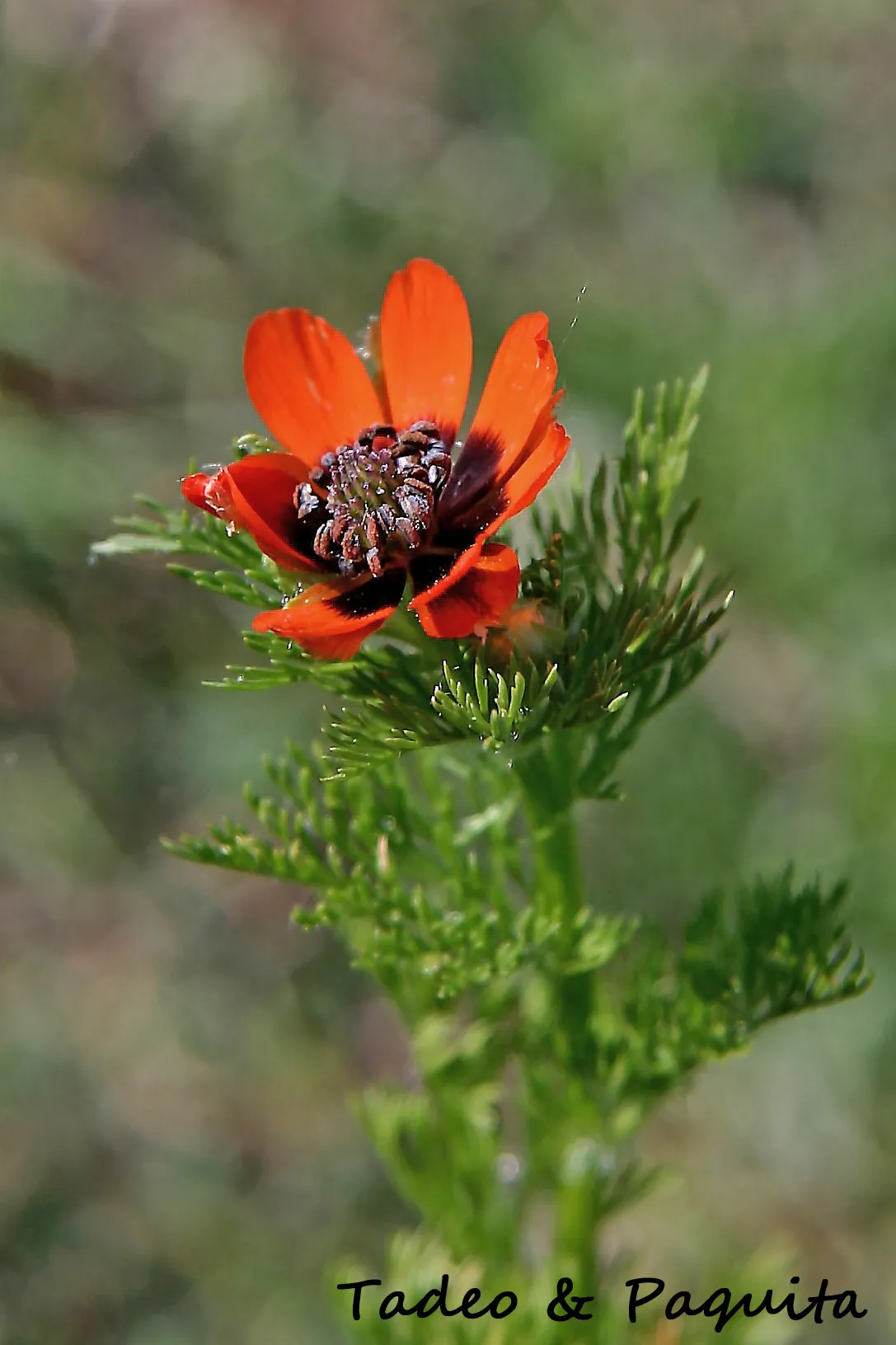
Adonis annuapheasant's-eyeRanunculaceae 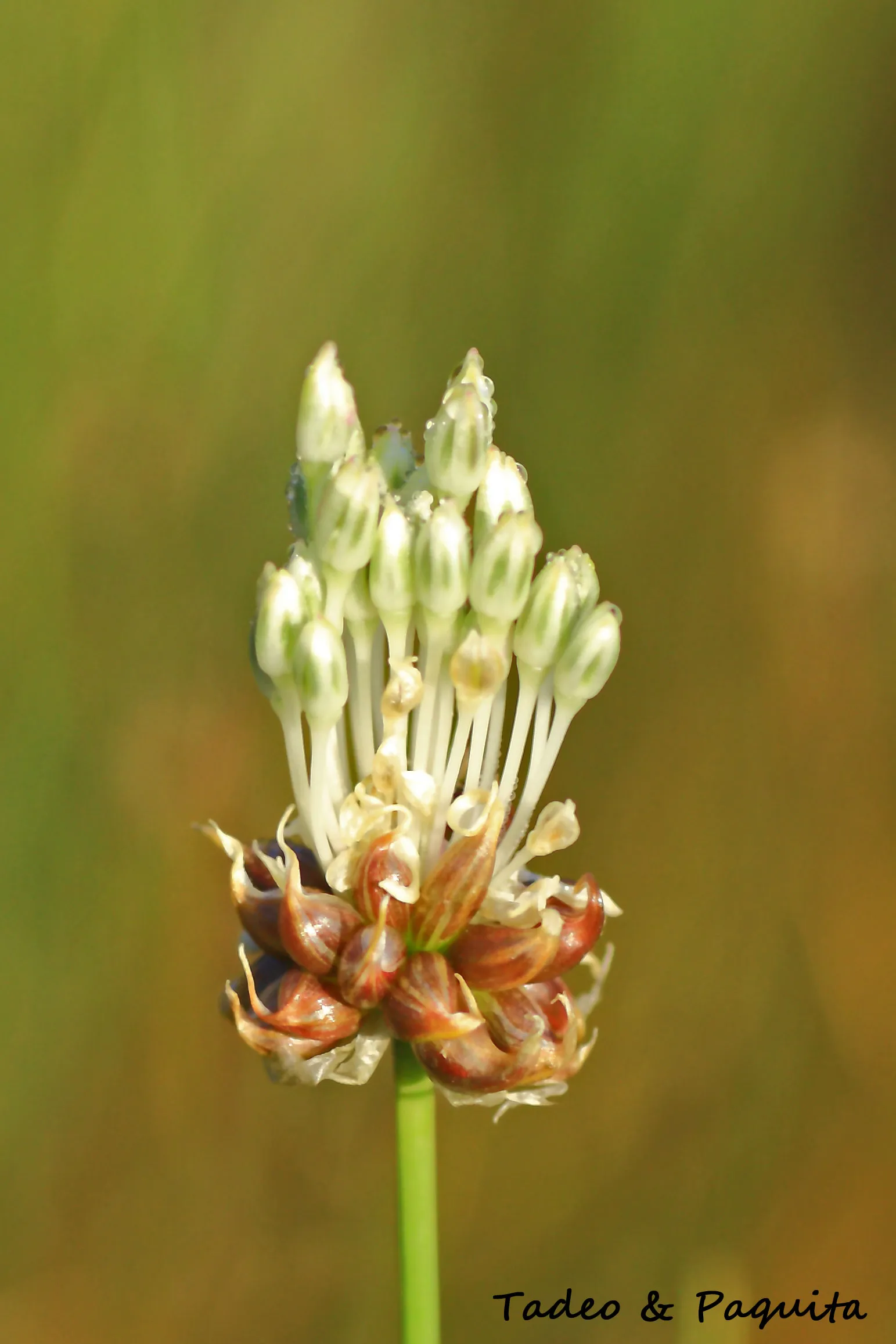
Allium oleraceumfield garlicAmaryllidaceae 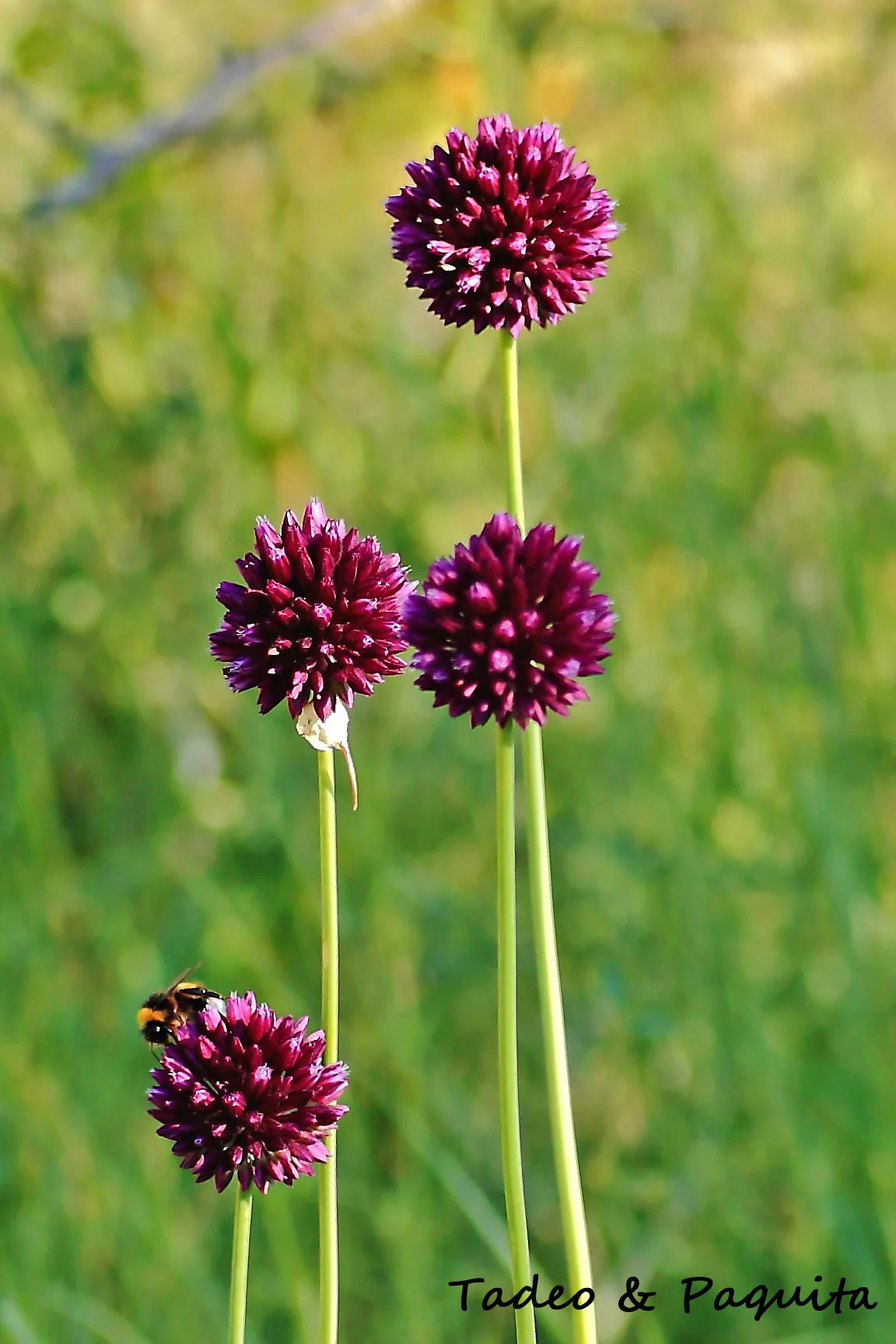
Allium scorodoprasumsand leekAmaryllidaceae 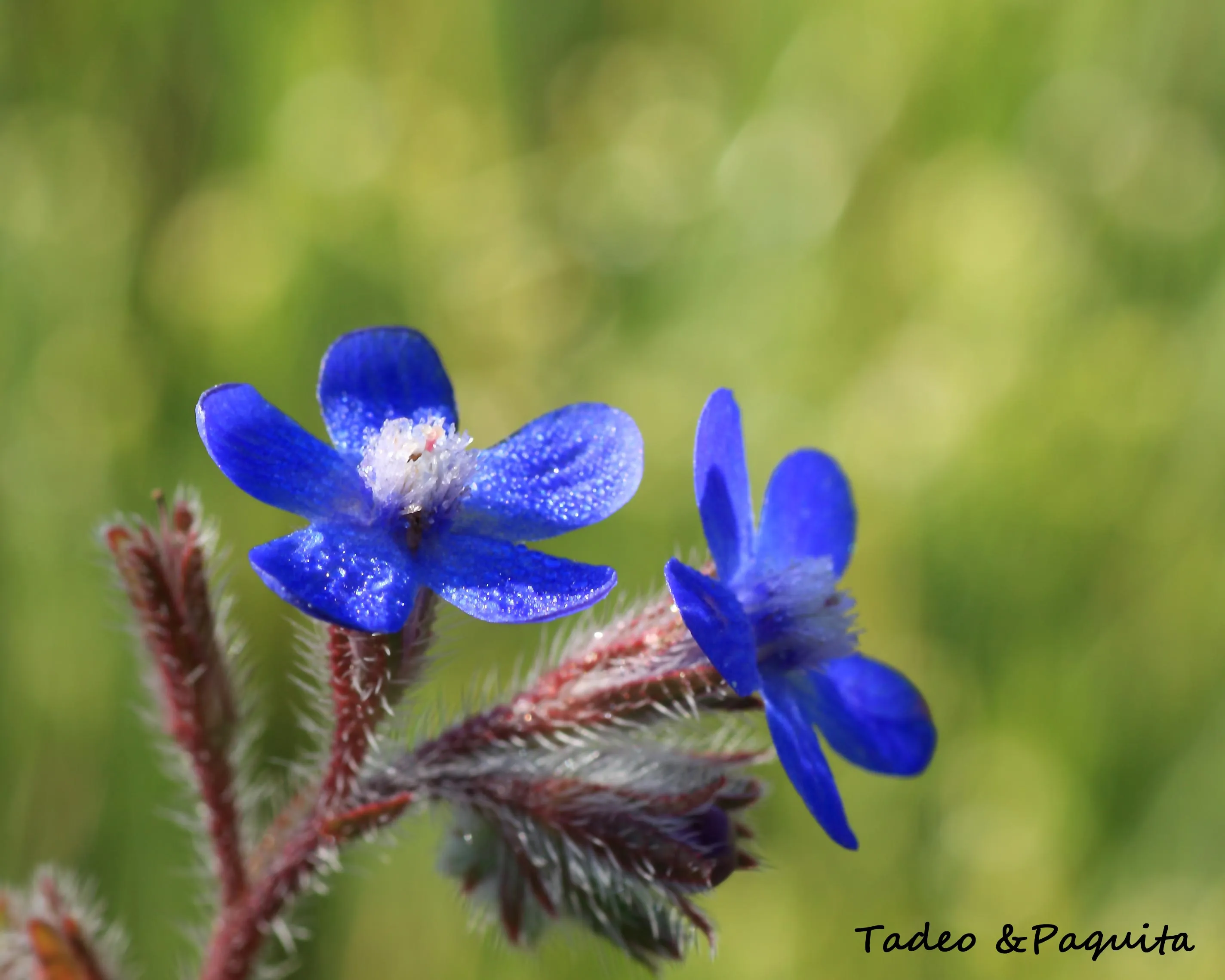
Anchusa azureaItalian buglossBoraginaceae 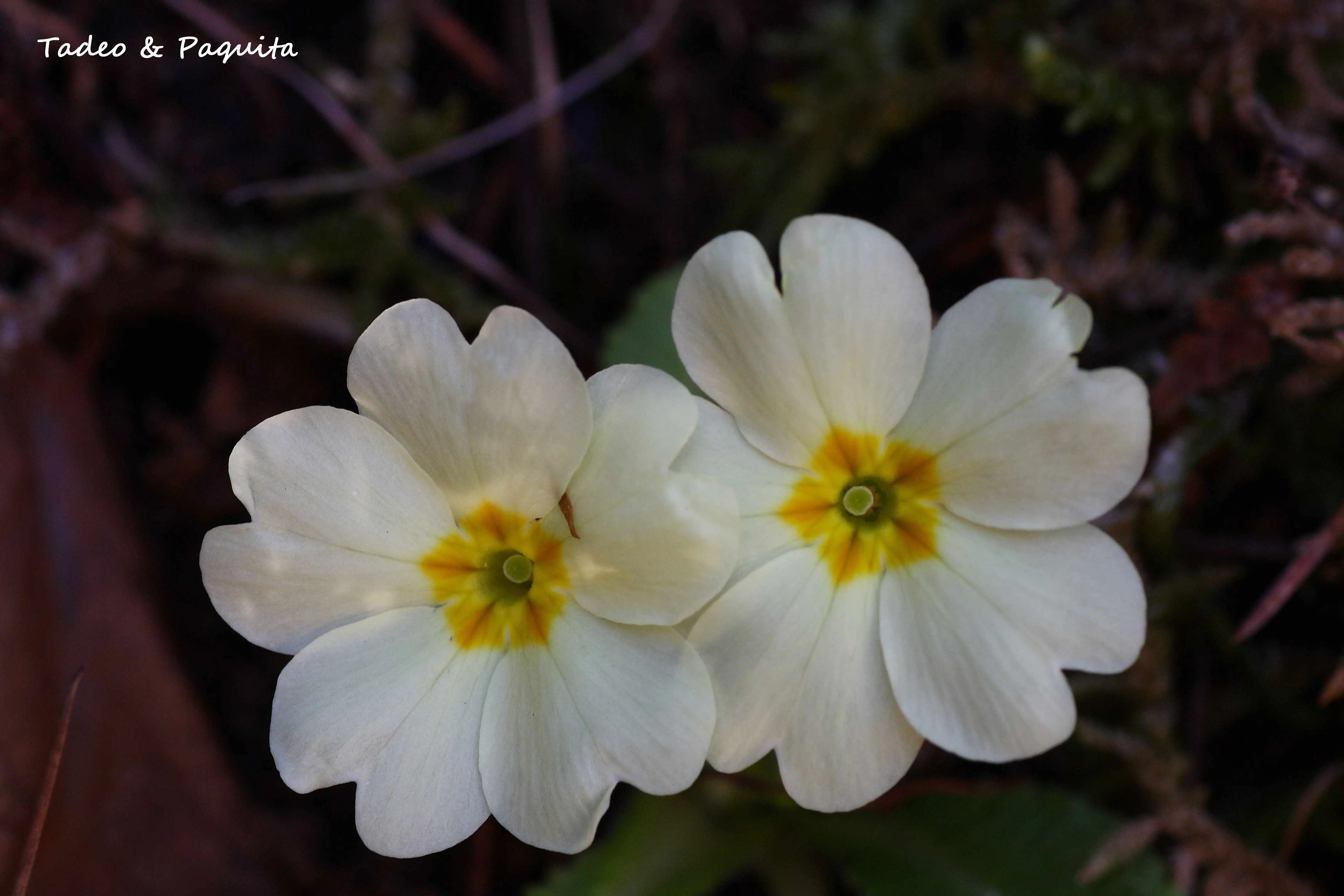
Androsace obtusifoliaPrimulaceae 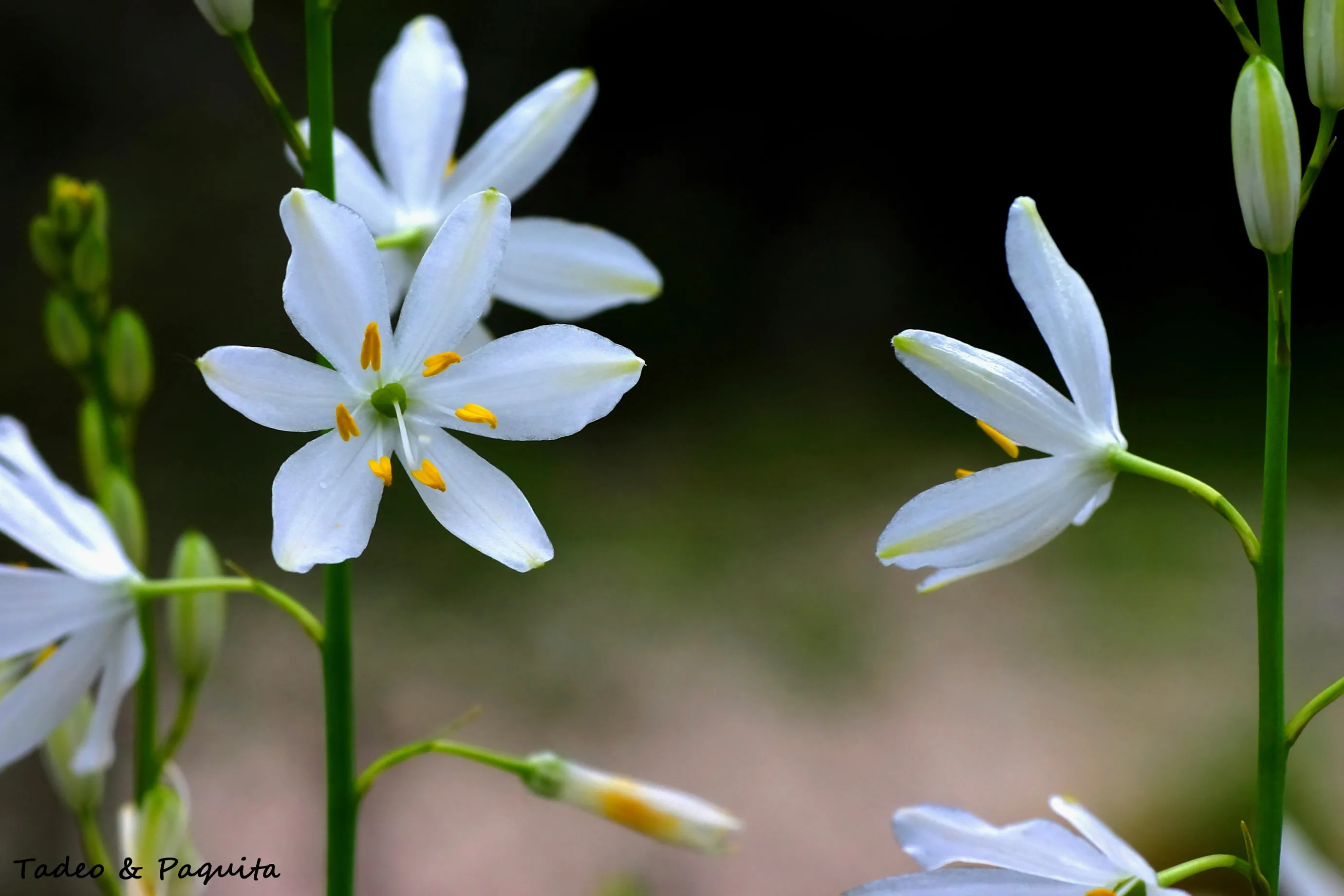
Anthericum liliagoSt Bernard's lilyAsparagaceae 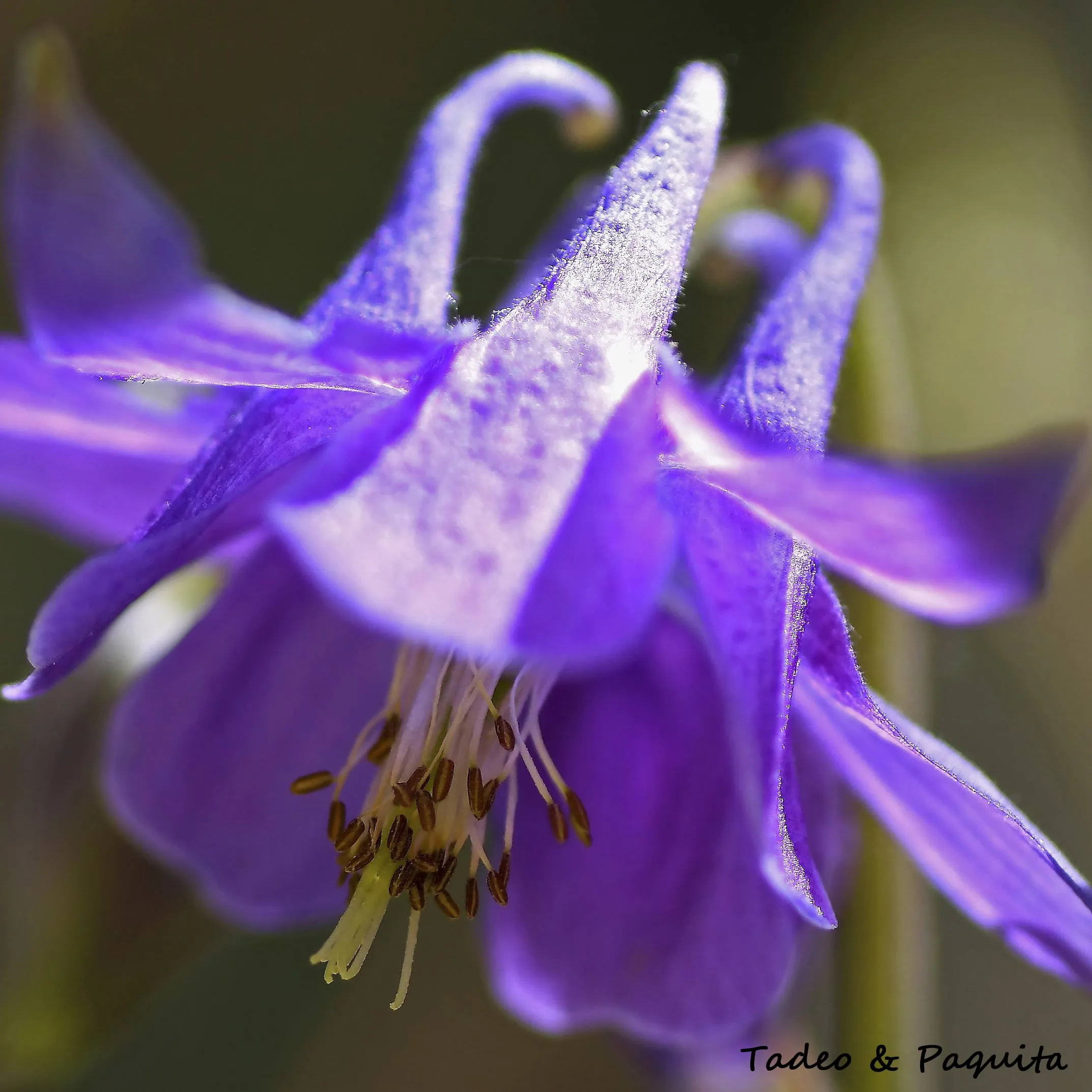
Aquilegia vulgariscommon columbineRanunculaceae 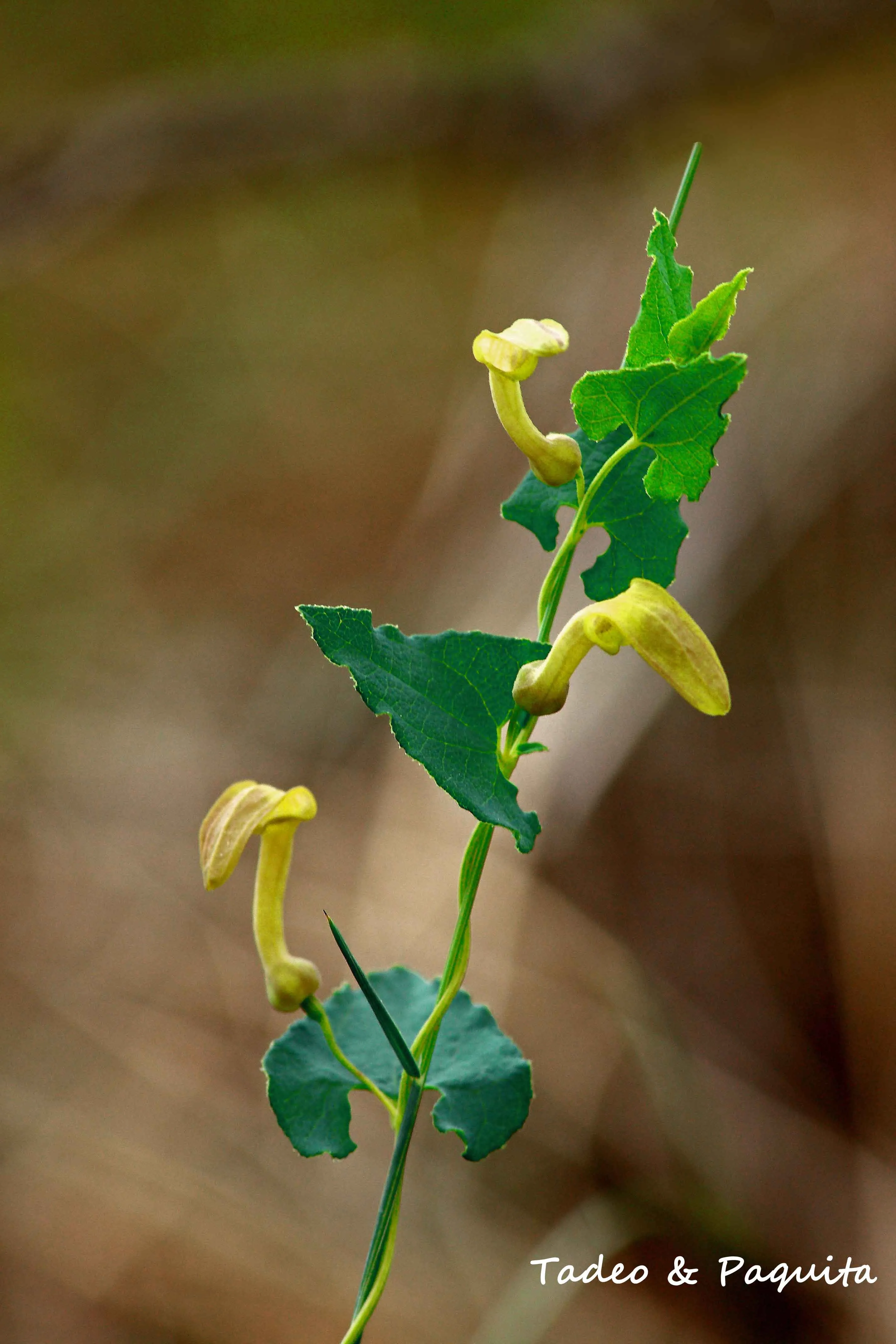
Aristolochia pistolochiaAristolochiaceae 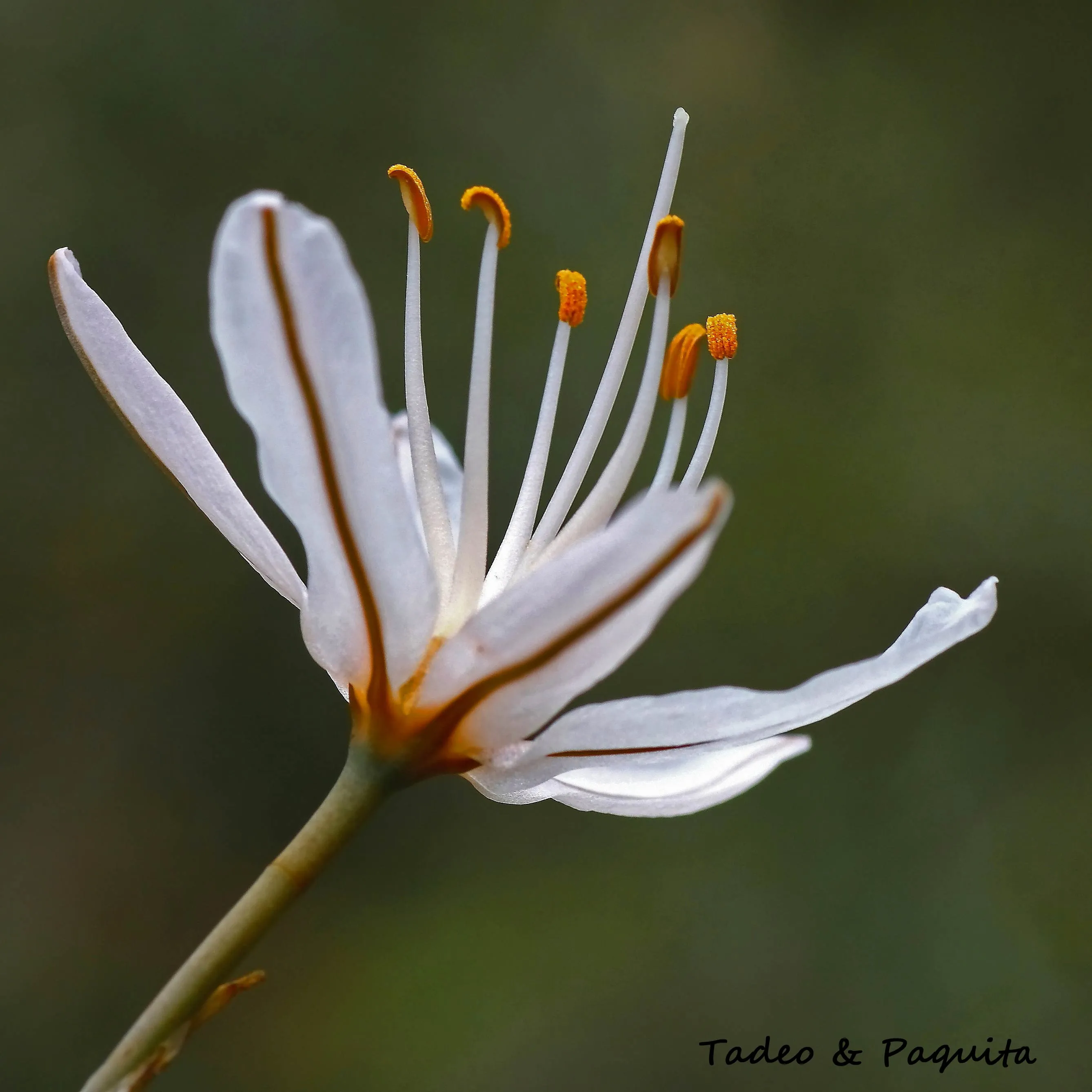
Asphodelus albuswhite asphodelAsphodelaceae
B
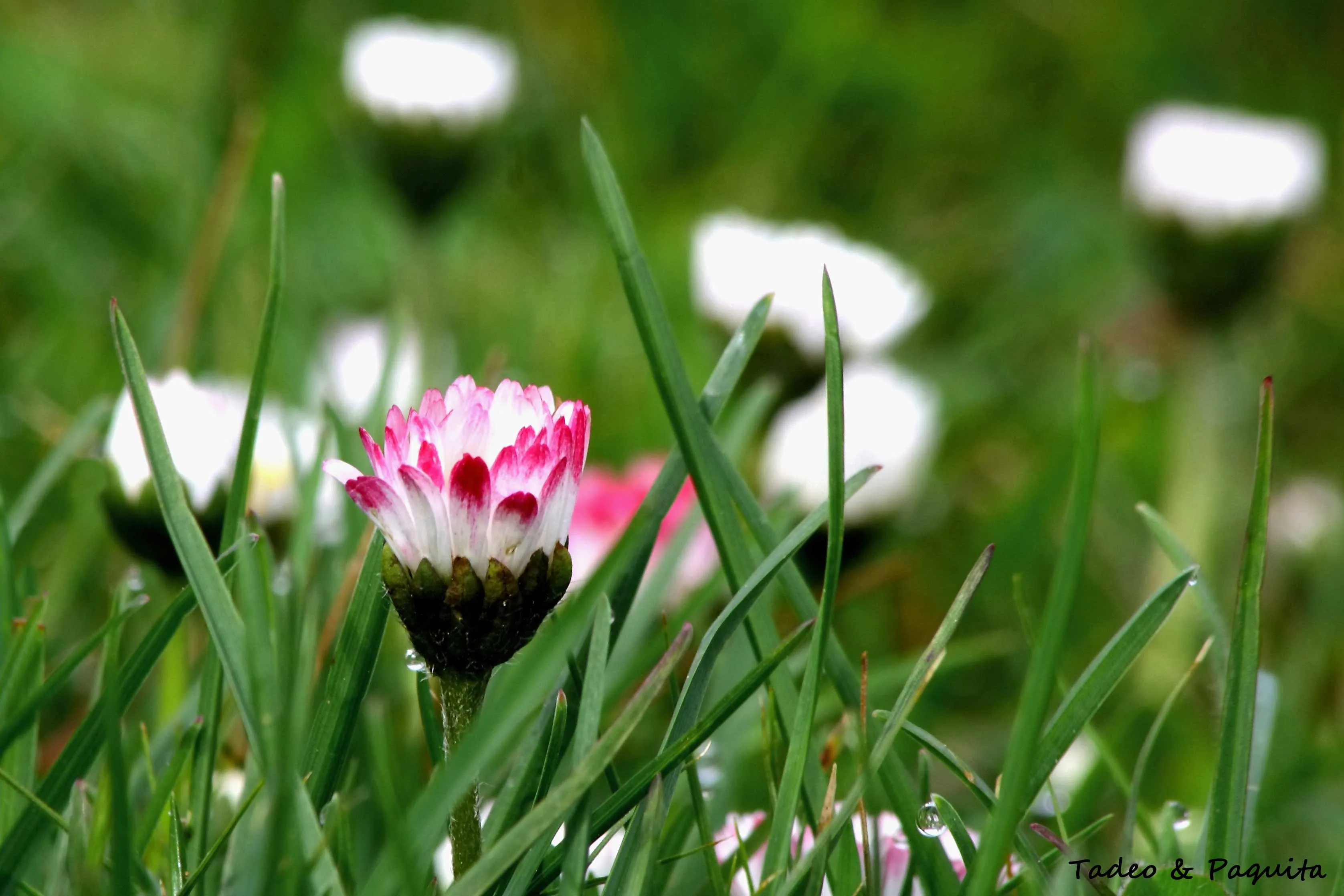
Bellis perennisdaisyAsteraceae
C
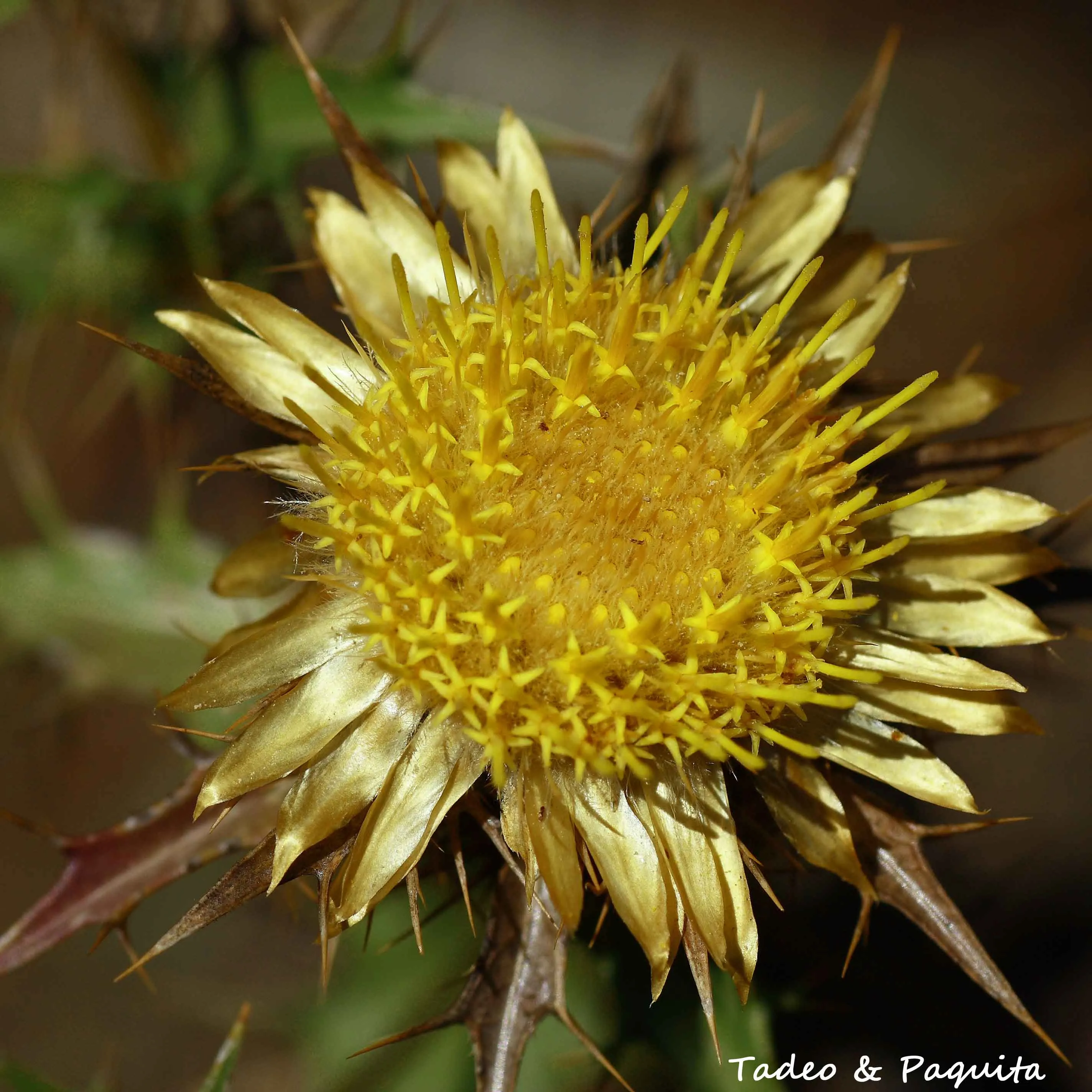
Carlina hispanicaAsteraceae 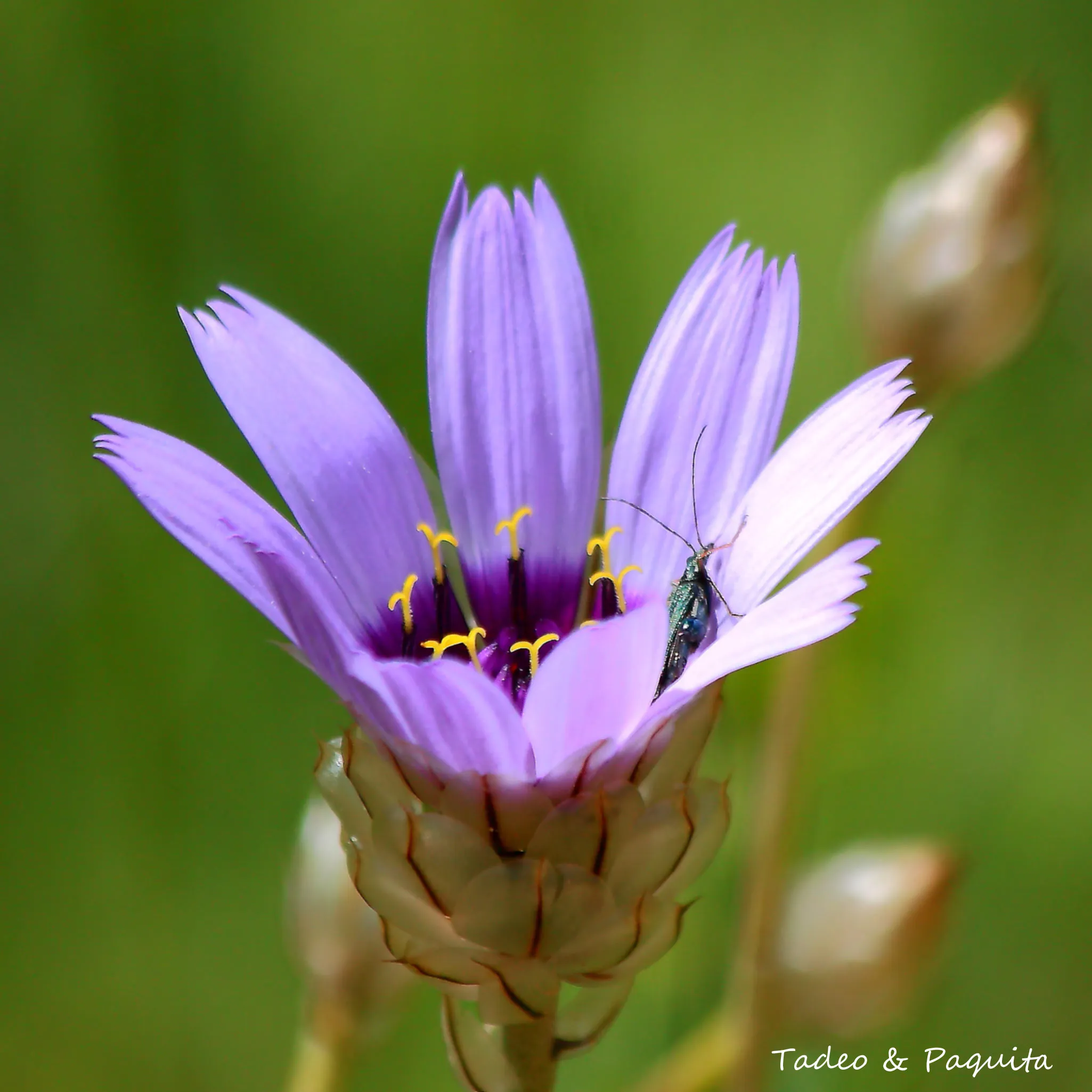
Catananche caeruleacupid's dartAsteraceae 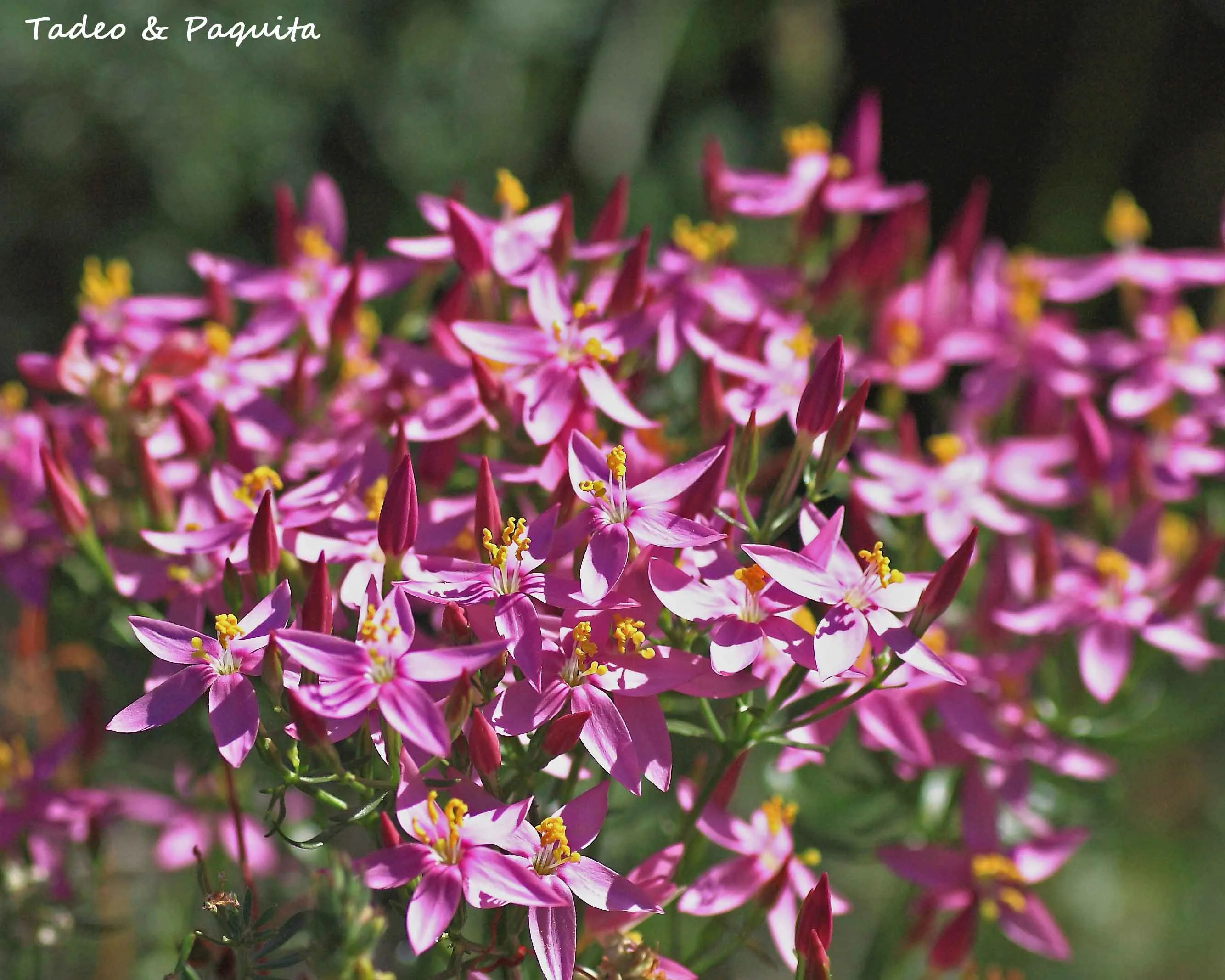
Centaurium erythraeacommon centauryGentianaceae 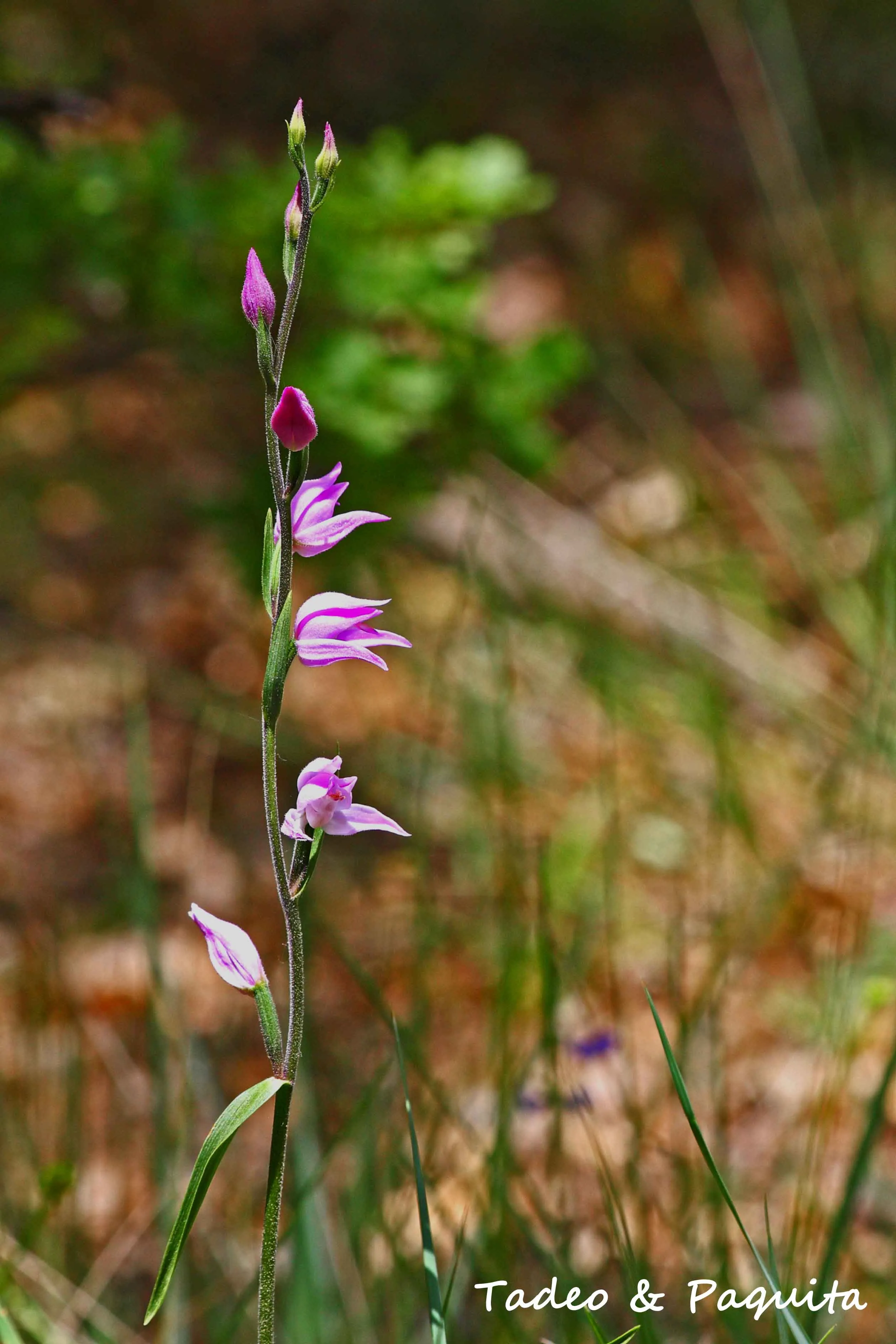
Cephalanthera rubrared helleborineOrchidaceae 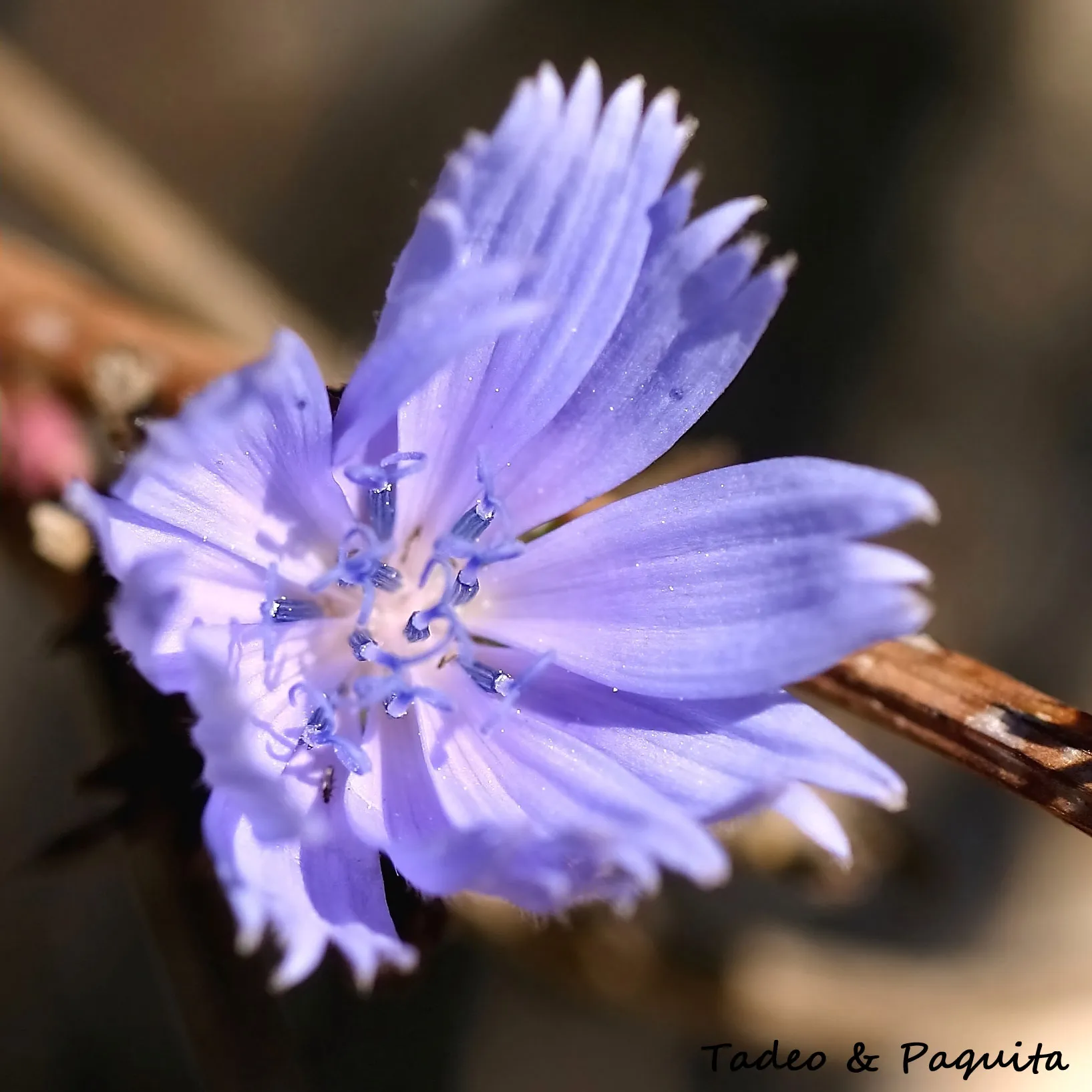
Cichorium intybuschicoryAsteraceae
D
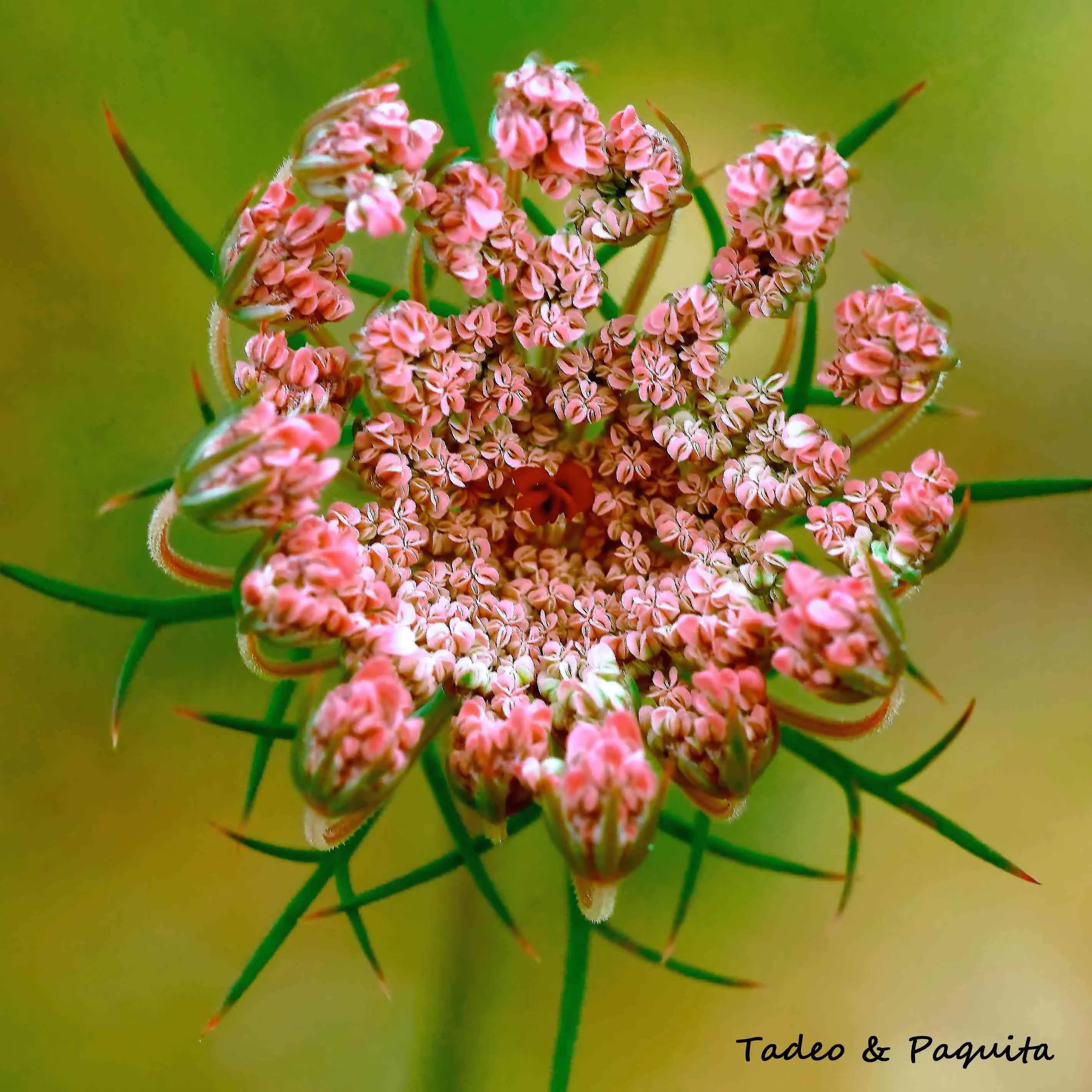
Daucus carotawild carrotApiaceae 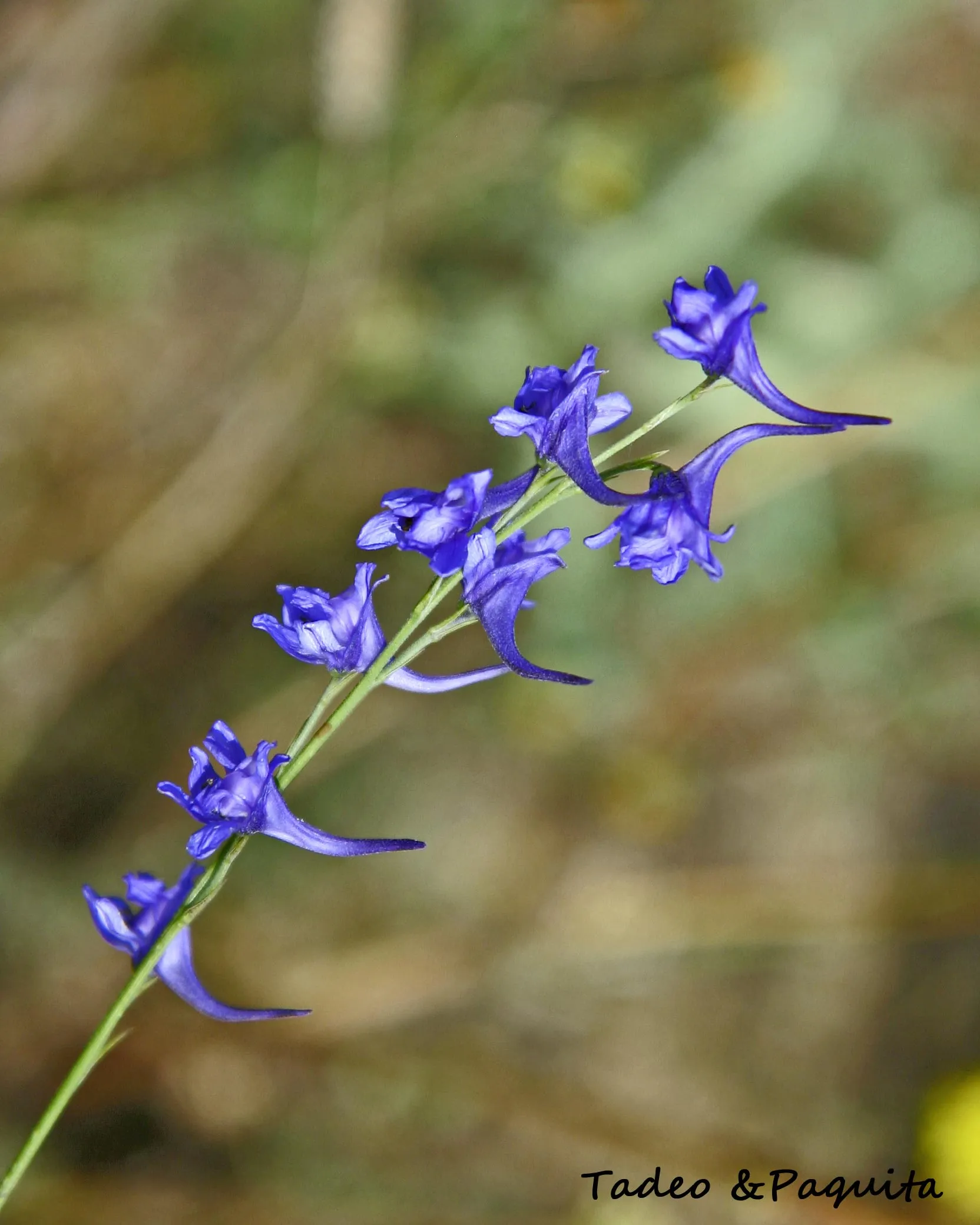
Delphinium gracilelarkspurRanunculaceae 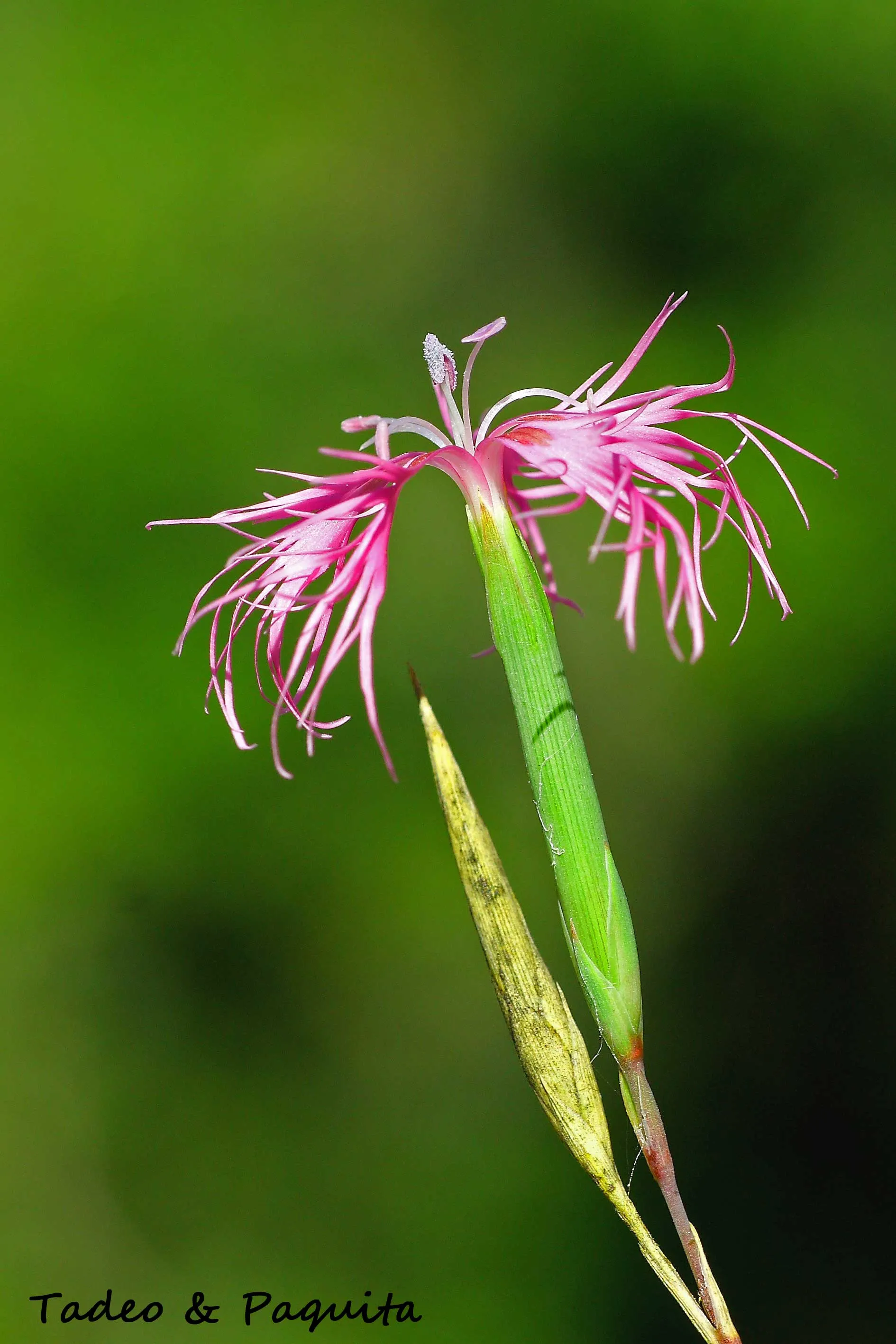
Dianthus broteriwild carnationCaryophyllaceae
E
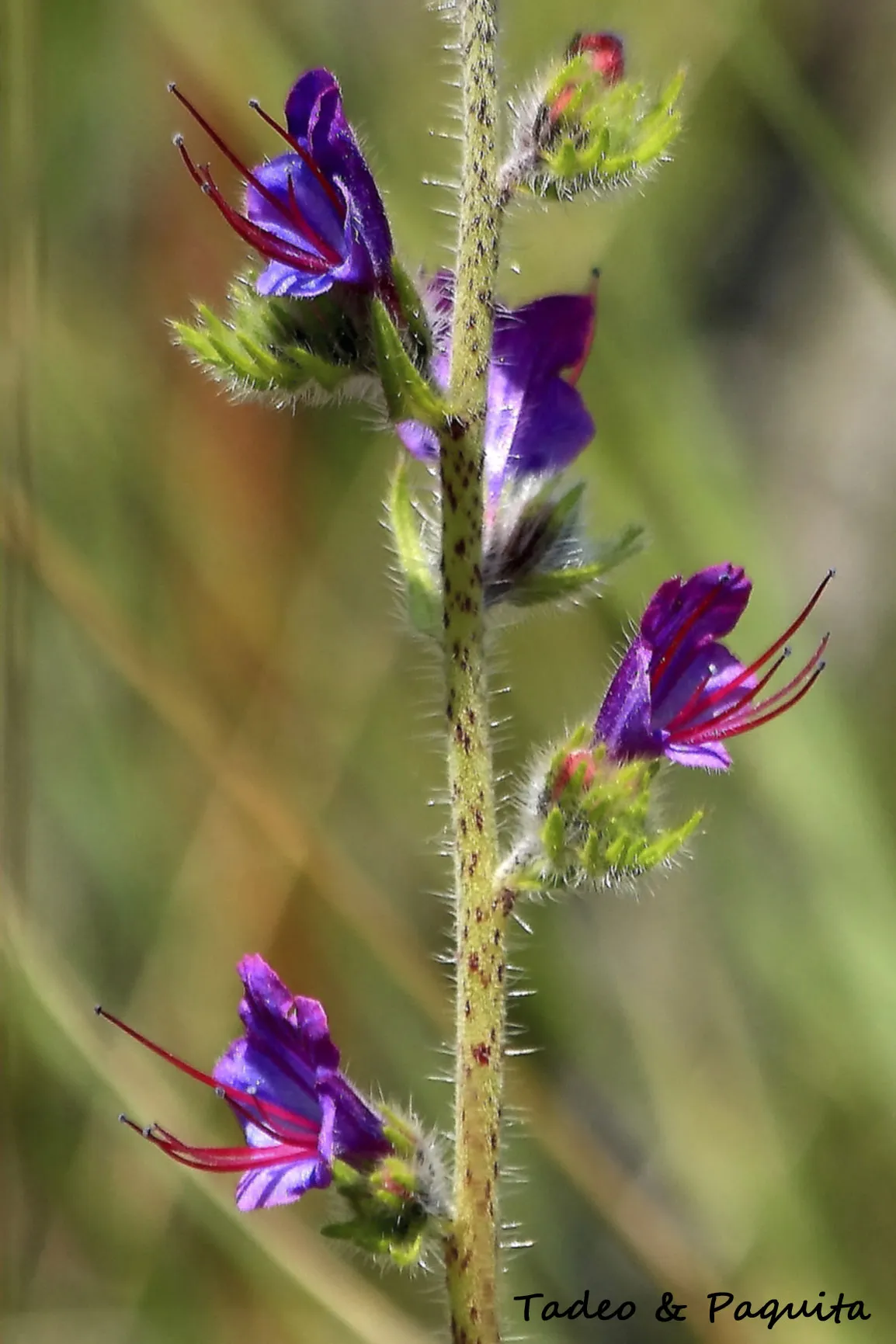
Echium plantagineumpurple viper's-buglossBoraginaceae 
Erinacea anthyllishedgehog broomFabaceae 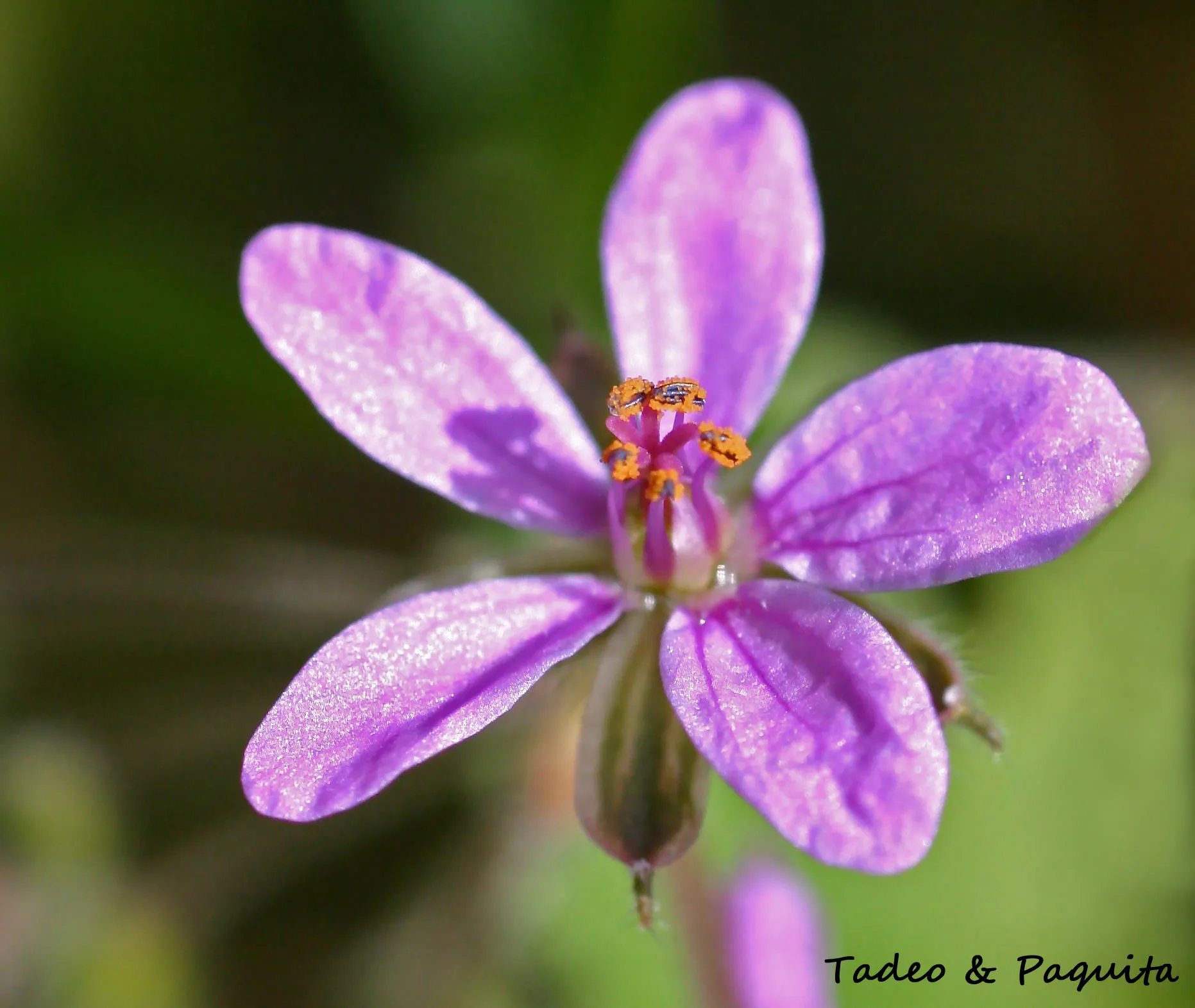
Erodium malacoidesMediterranean stork's-billGeraniaceae 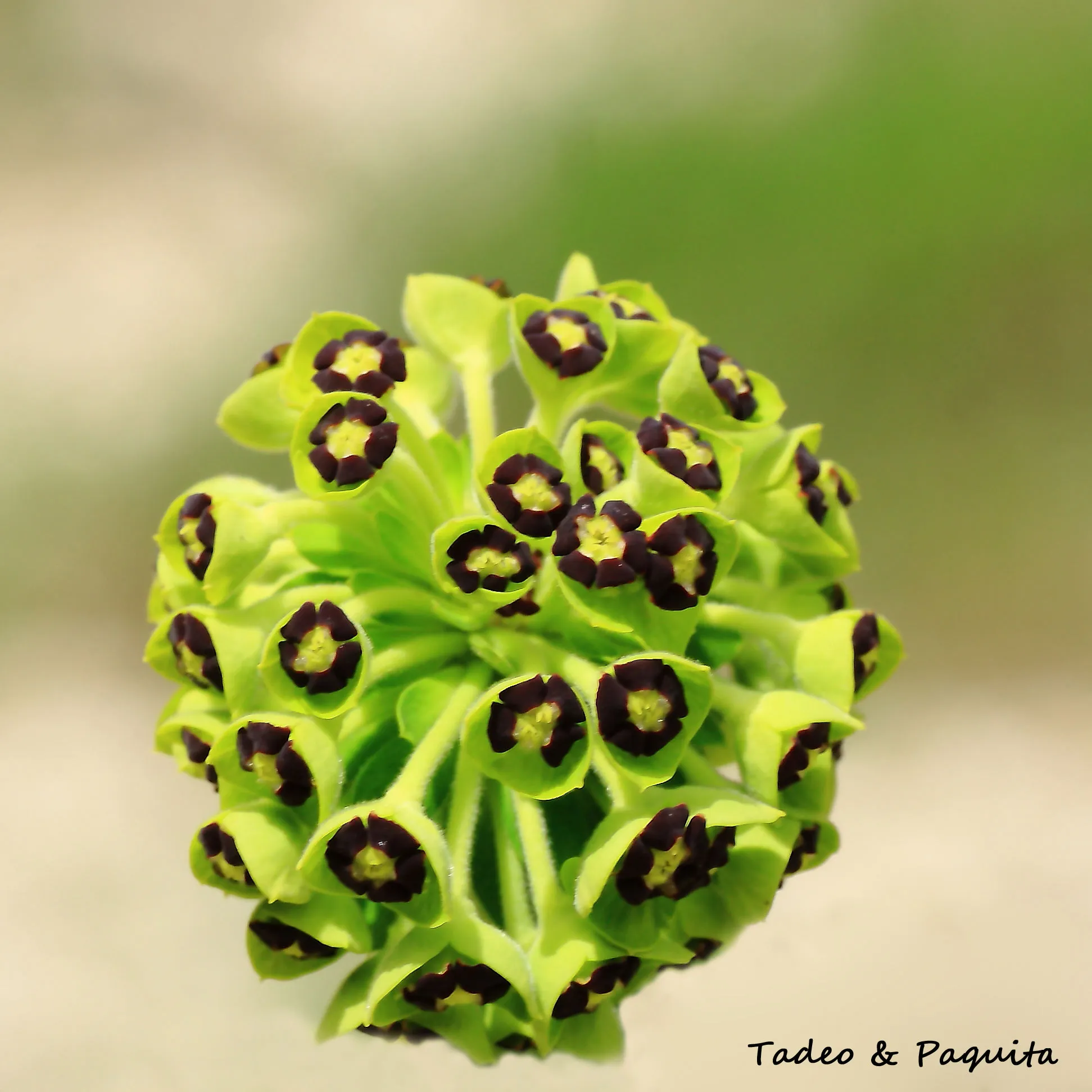
EuphorbiaspurgeEuphorbiaceae
F
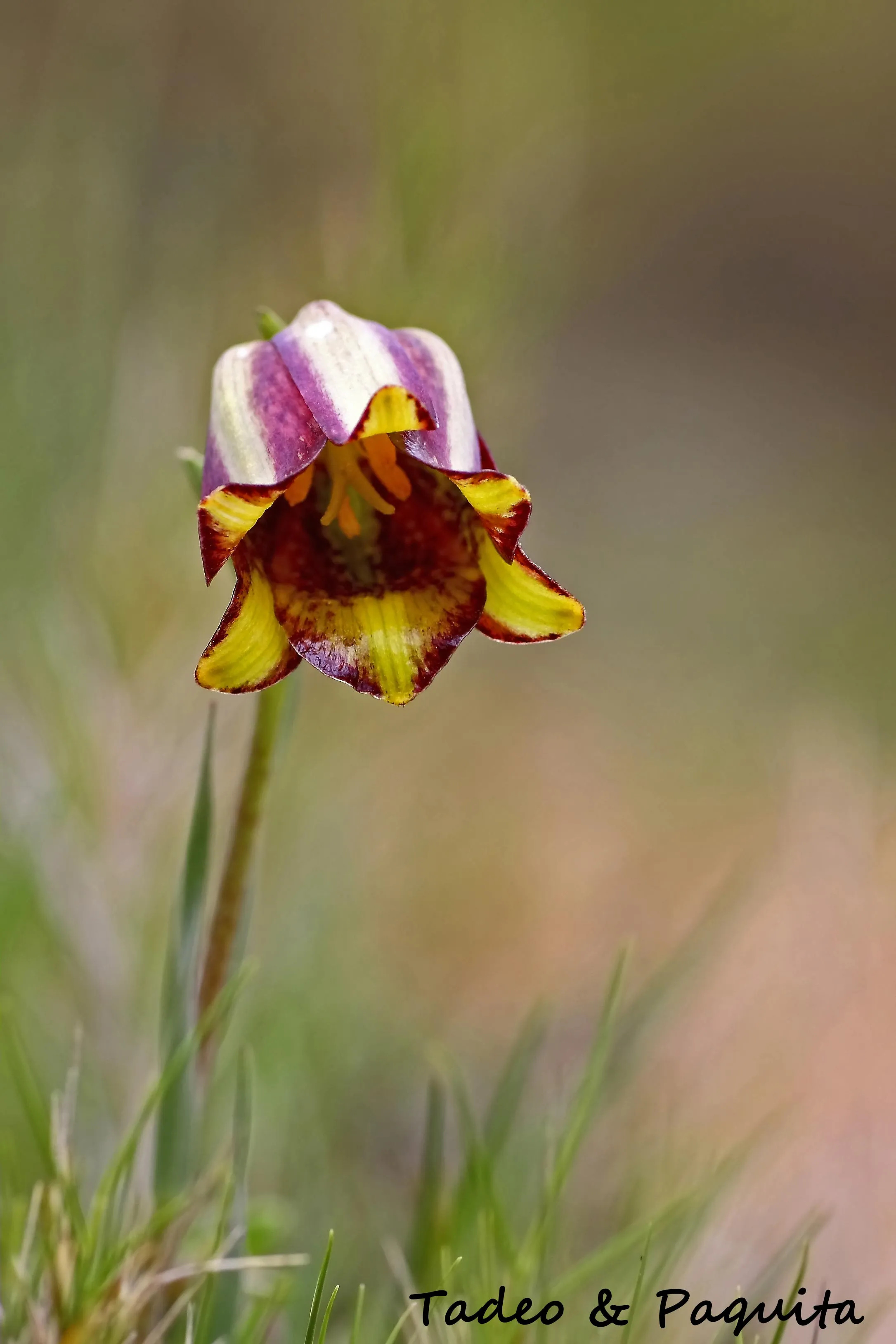
Fritillaria hispanicaLiliaceae
G
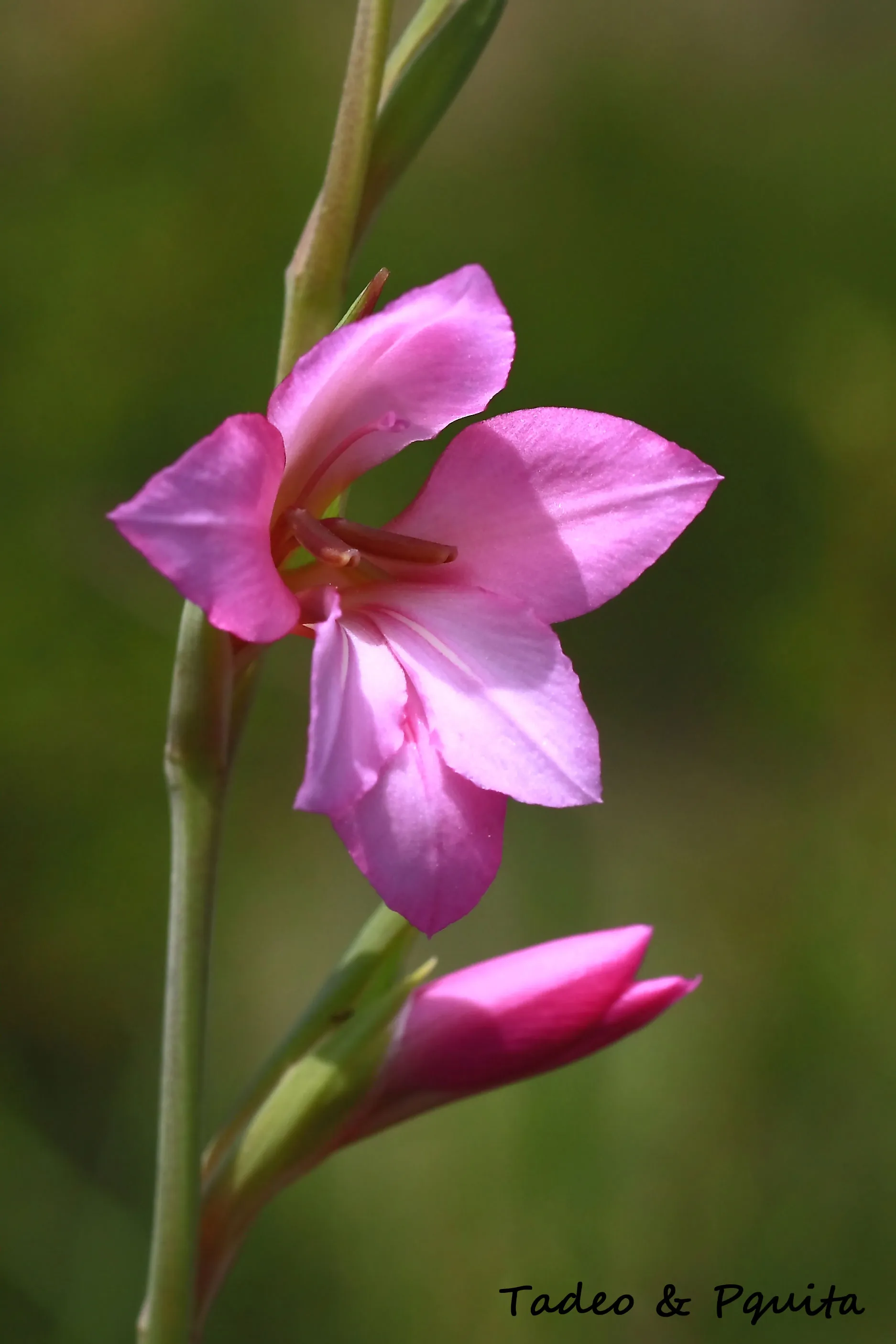
Gladiolus illyricuswild gladiolusIridaceae 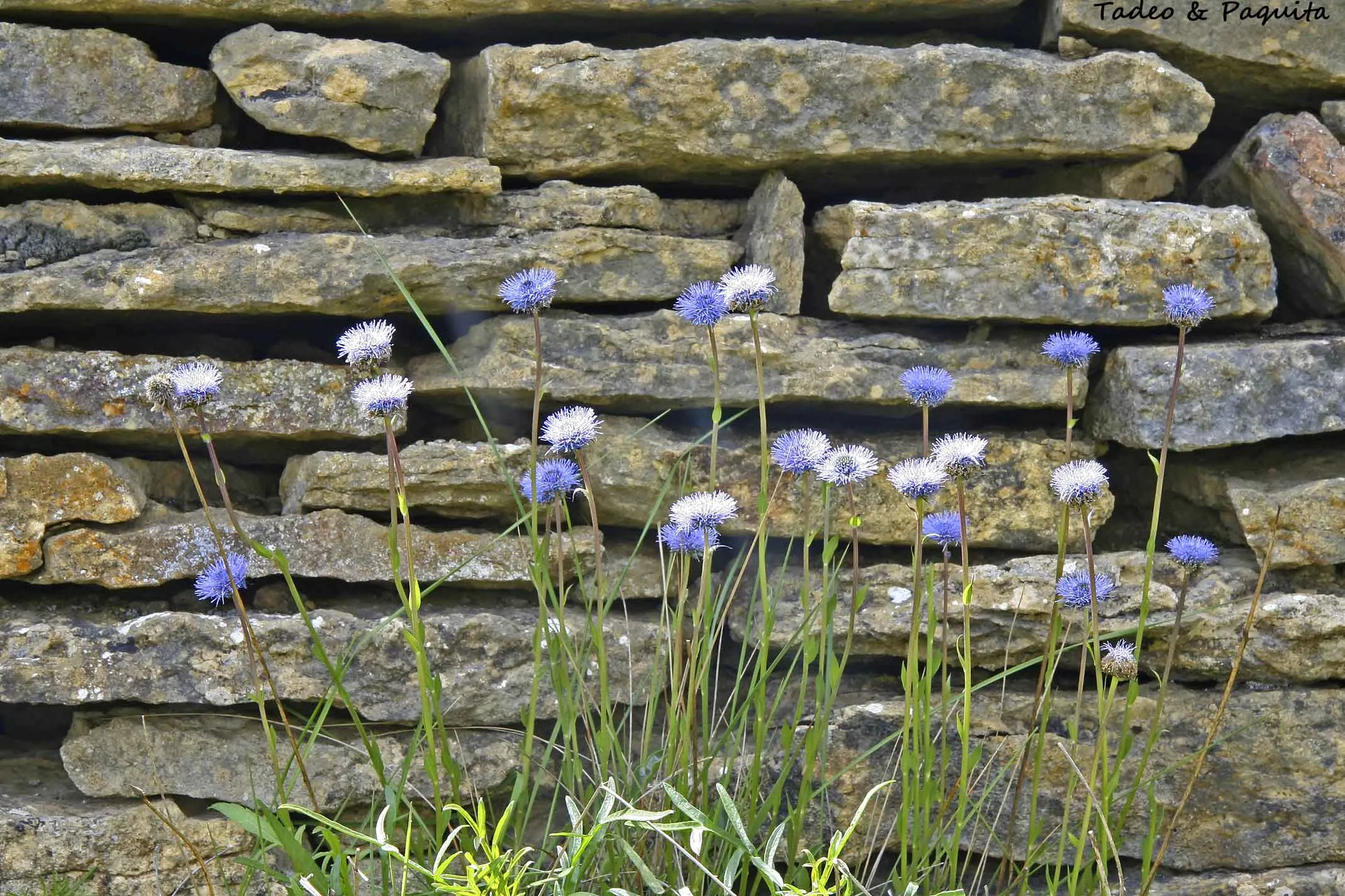
Globularia vulgariscommon globulariaPlantaginaceae
H
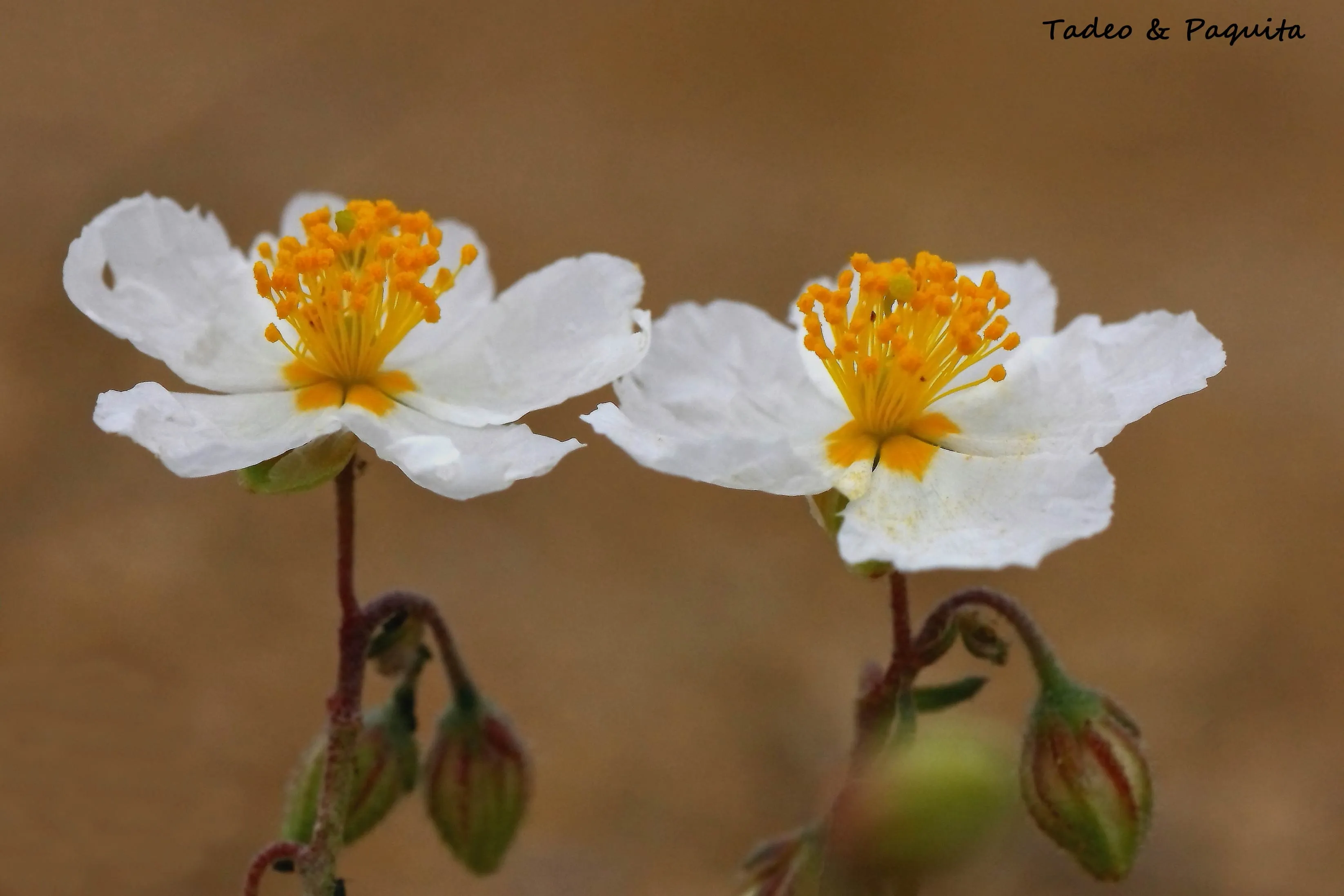
Helianthemum apenninumwhite rock-roseCistaceae 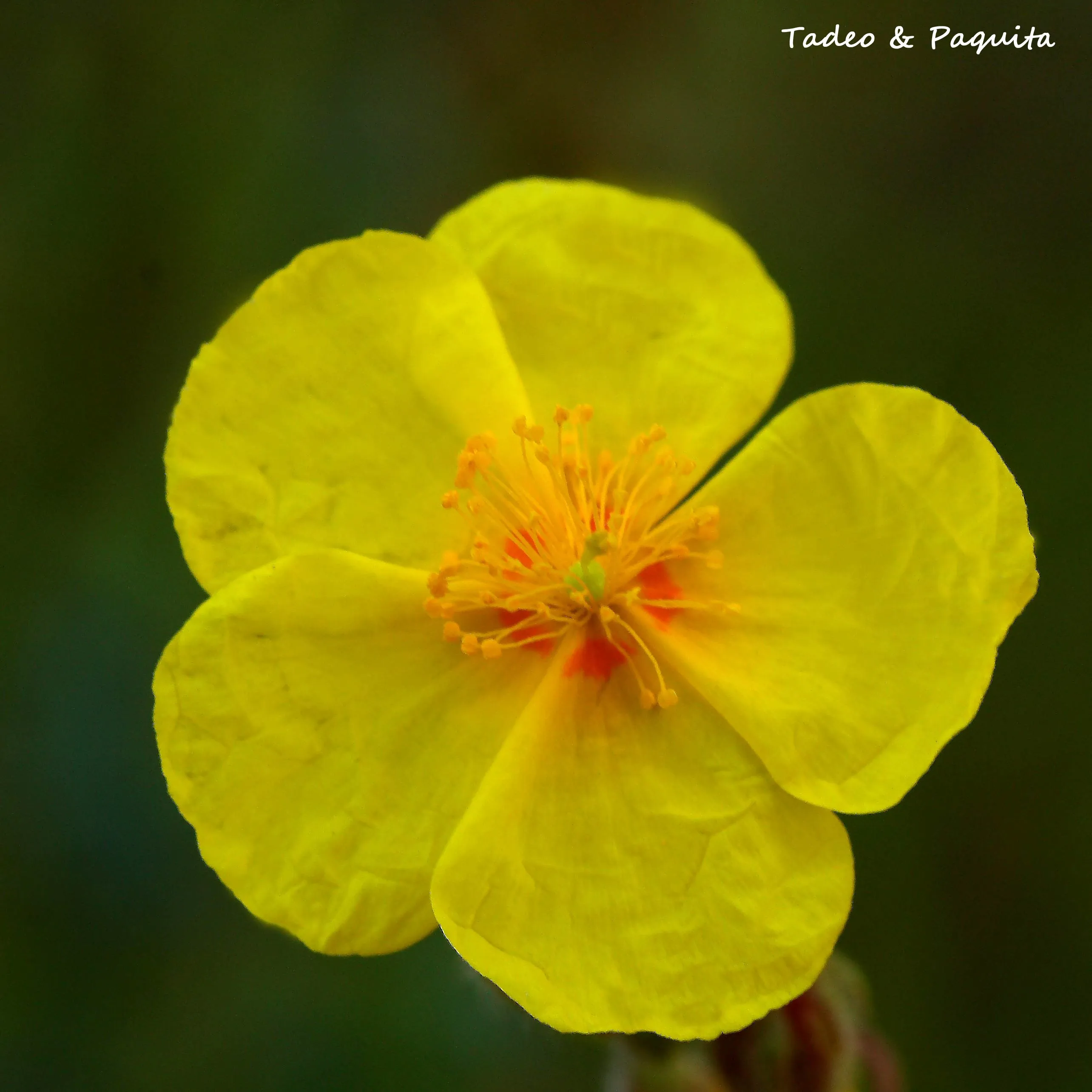
Helianthemum nummulariumcommon rock-roseCistaceae 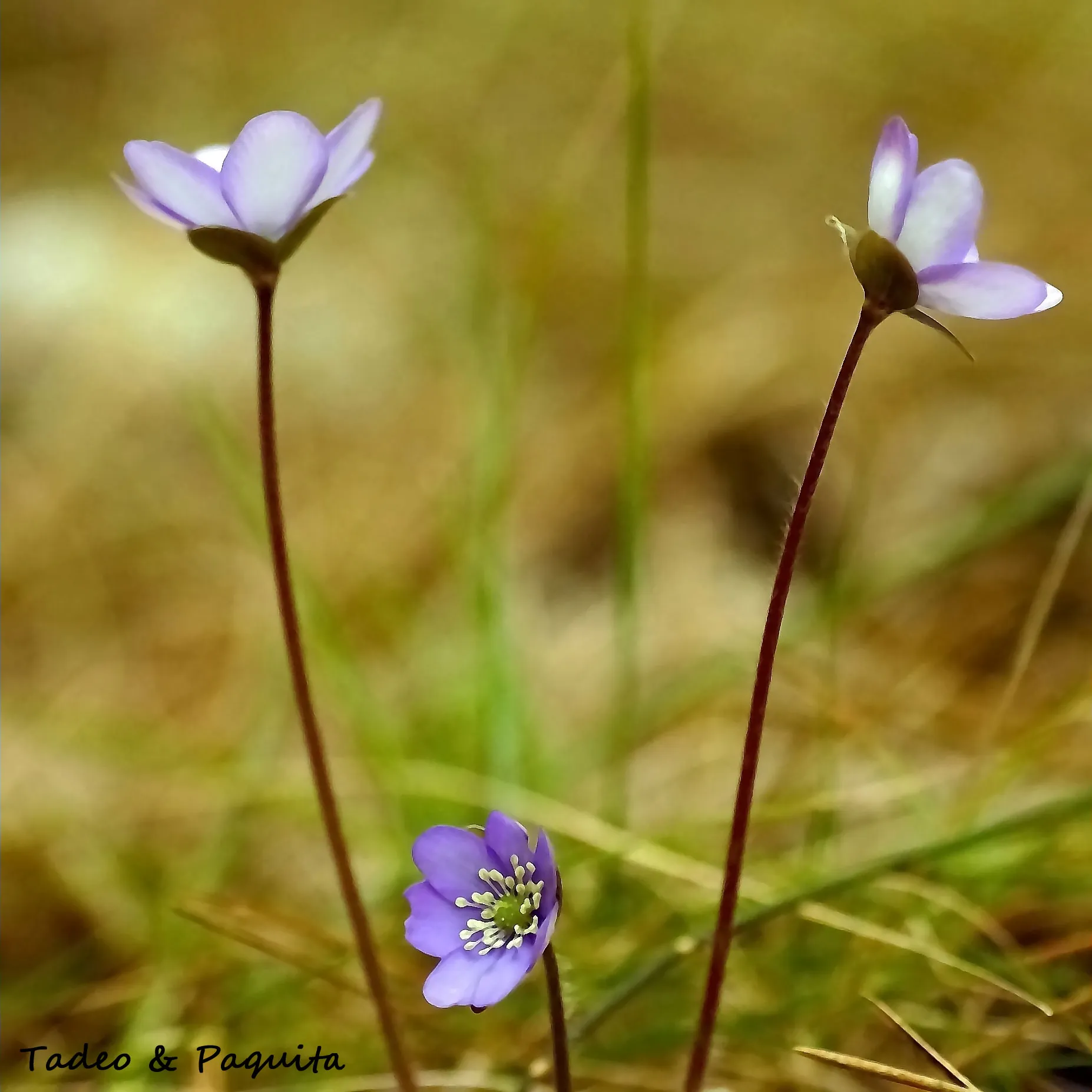
Hepatica nobilisliverleafRanunculaceae
I
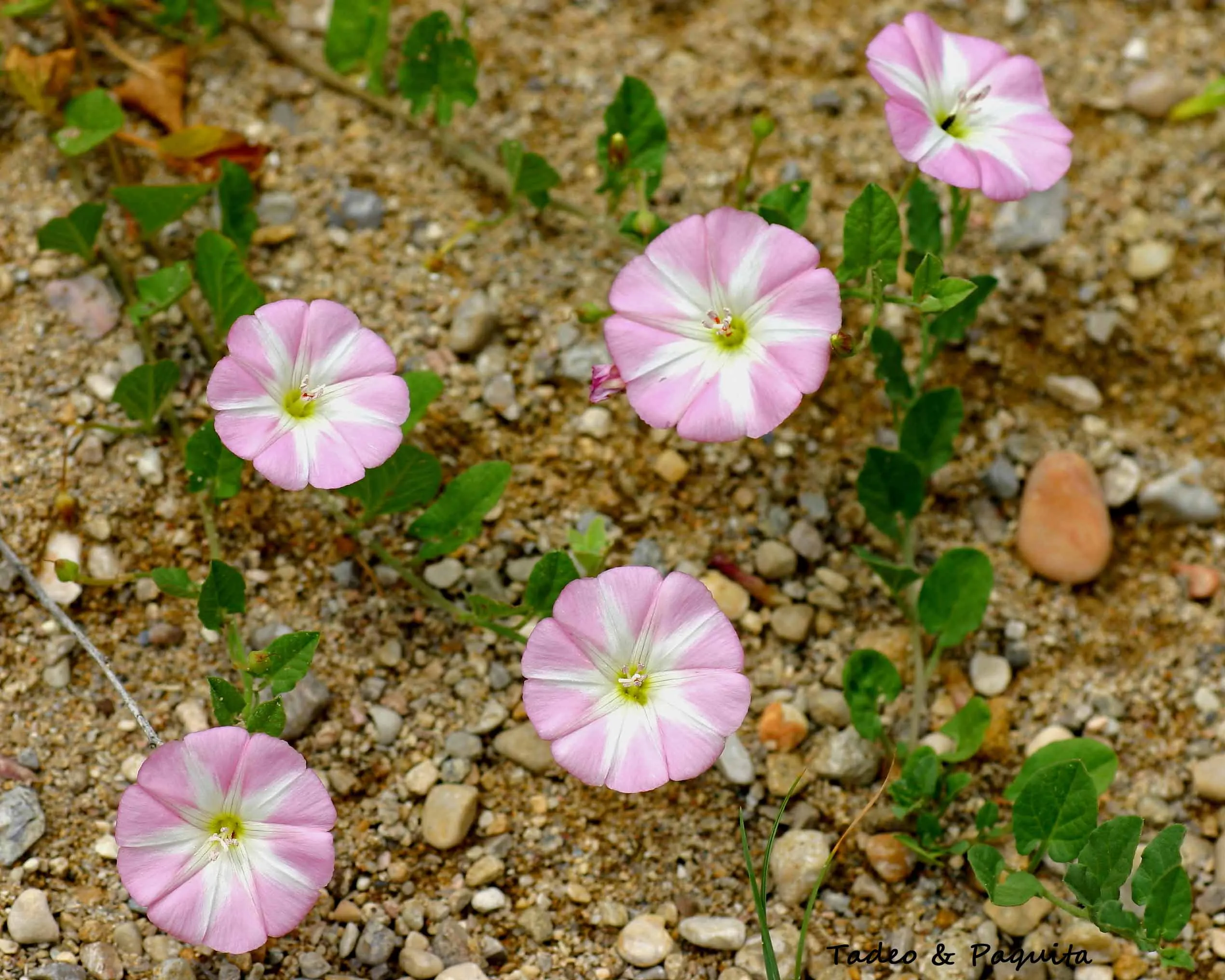
Ipomoea carneaConvolvulaceae
K
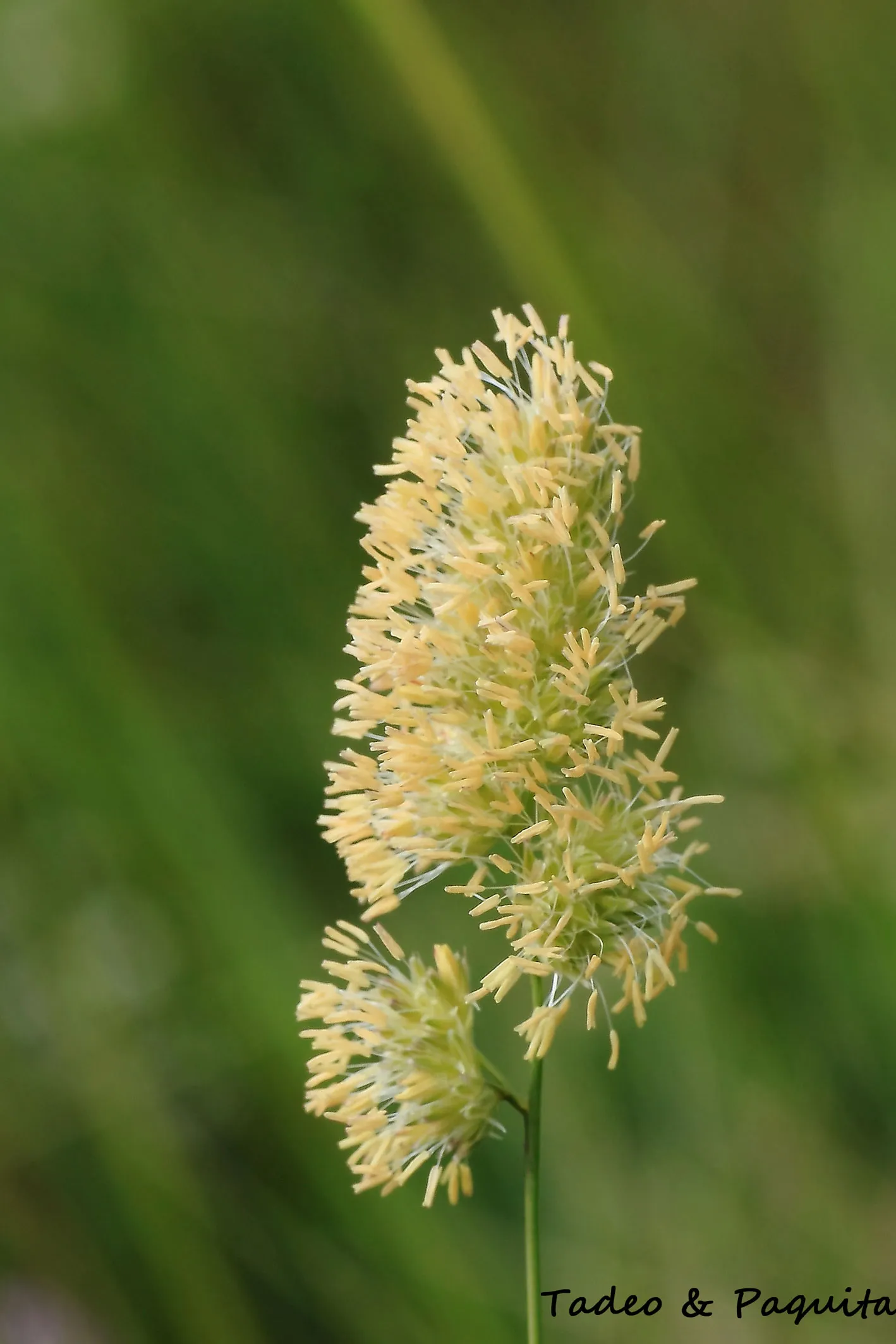
Koeleria vallesianaPoaceae
L
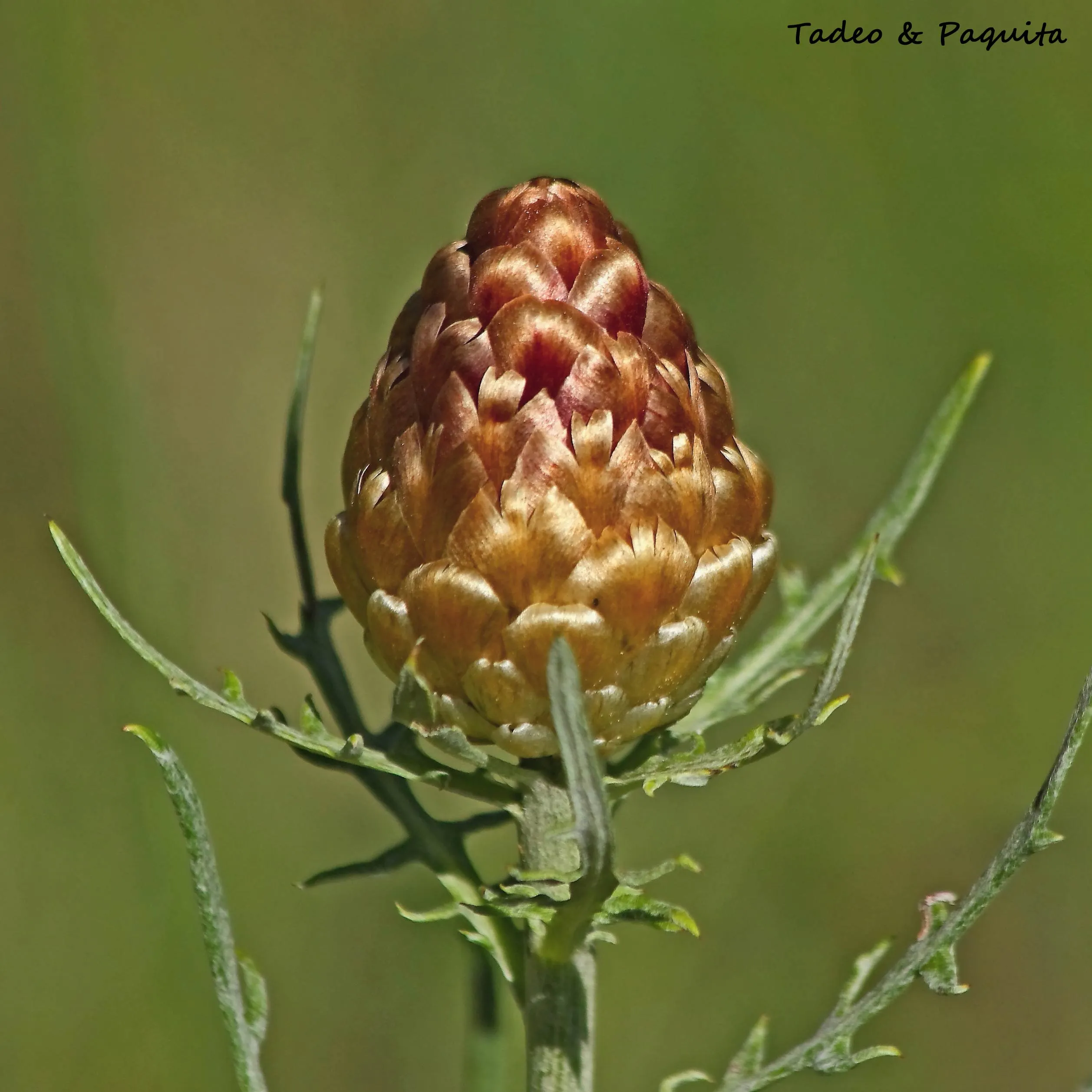
Leuzea coniferacone knapweedAsteraceae 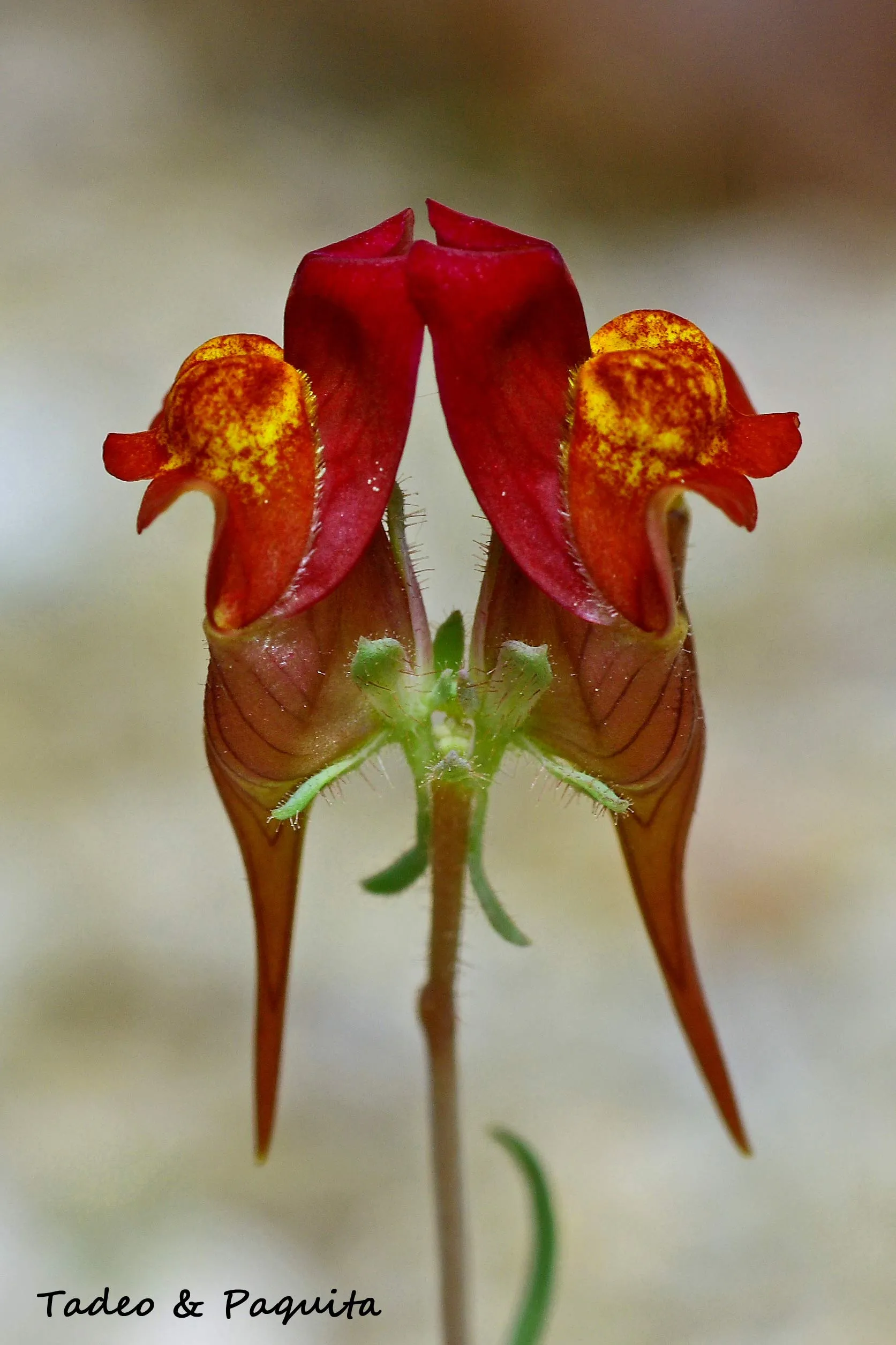
LinariatoadflaxPlantaginaceae 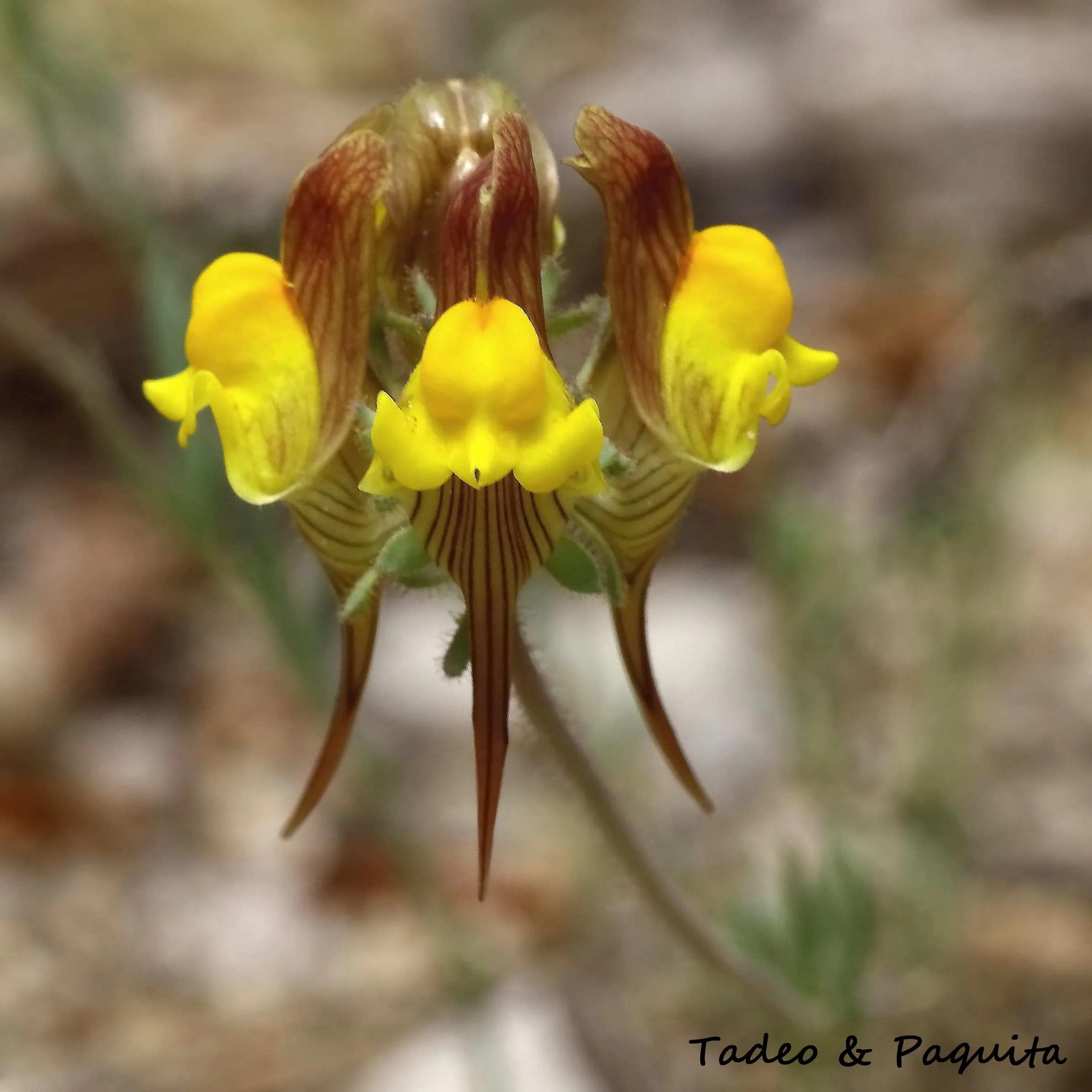
LinariatoadflaxPlantaginaceae 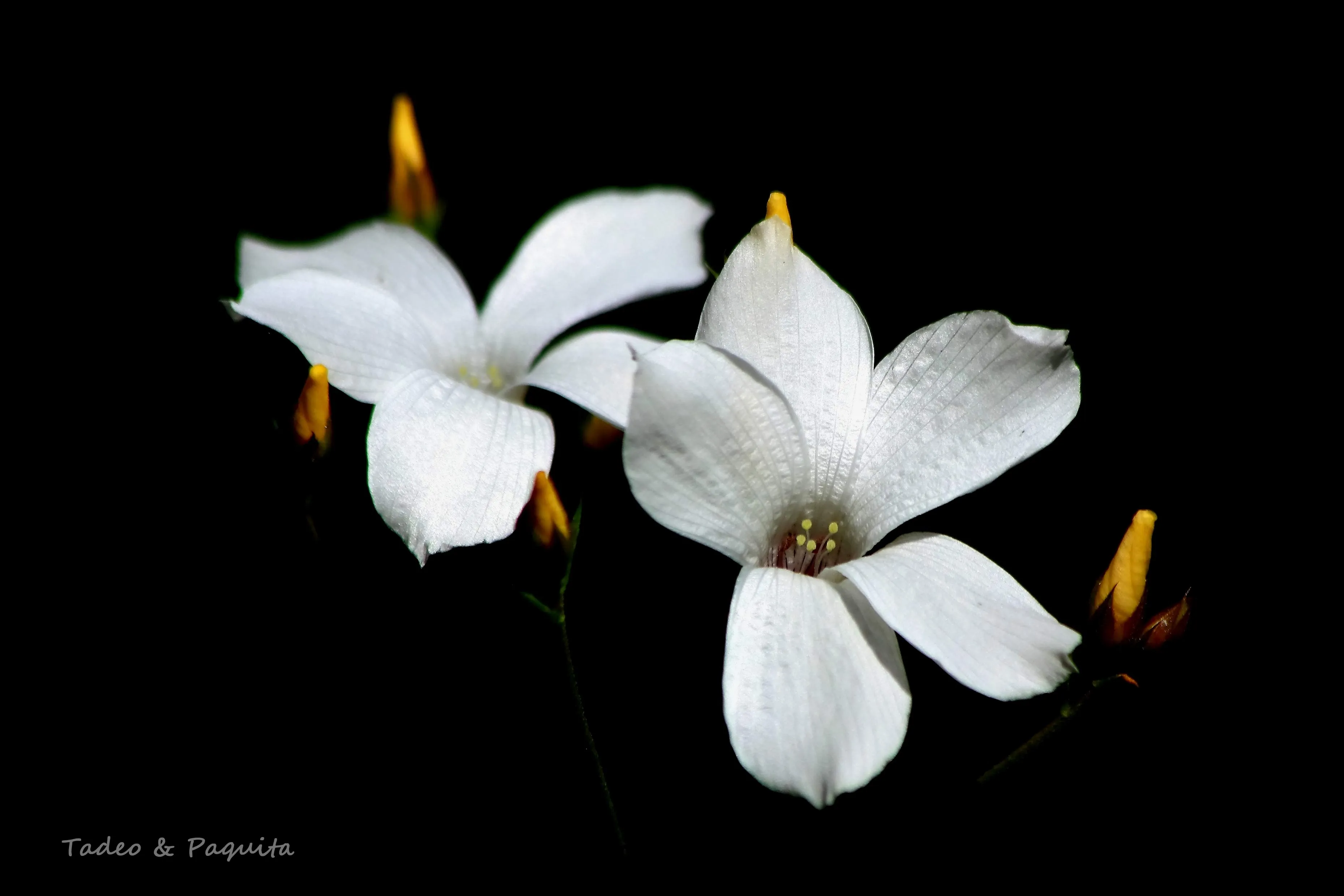
Linum suffruticosumwhite flaxLinaceae 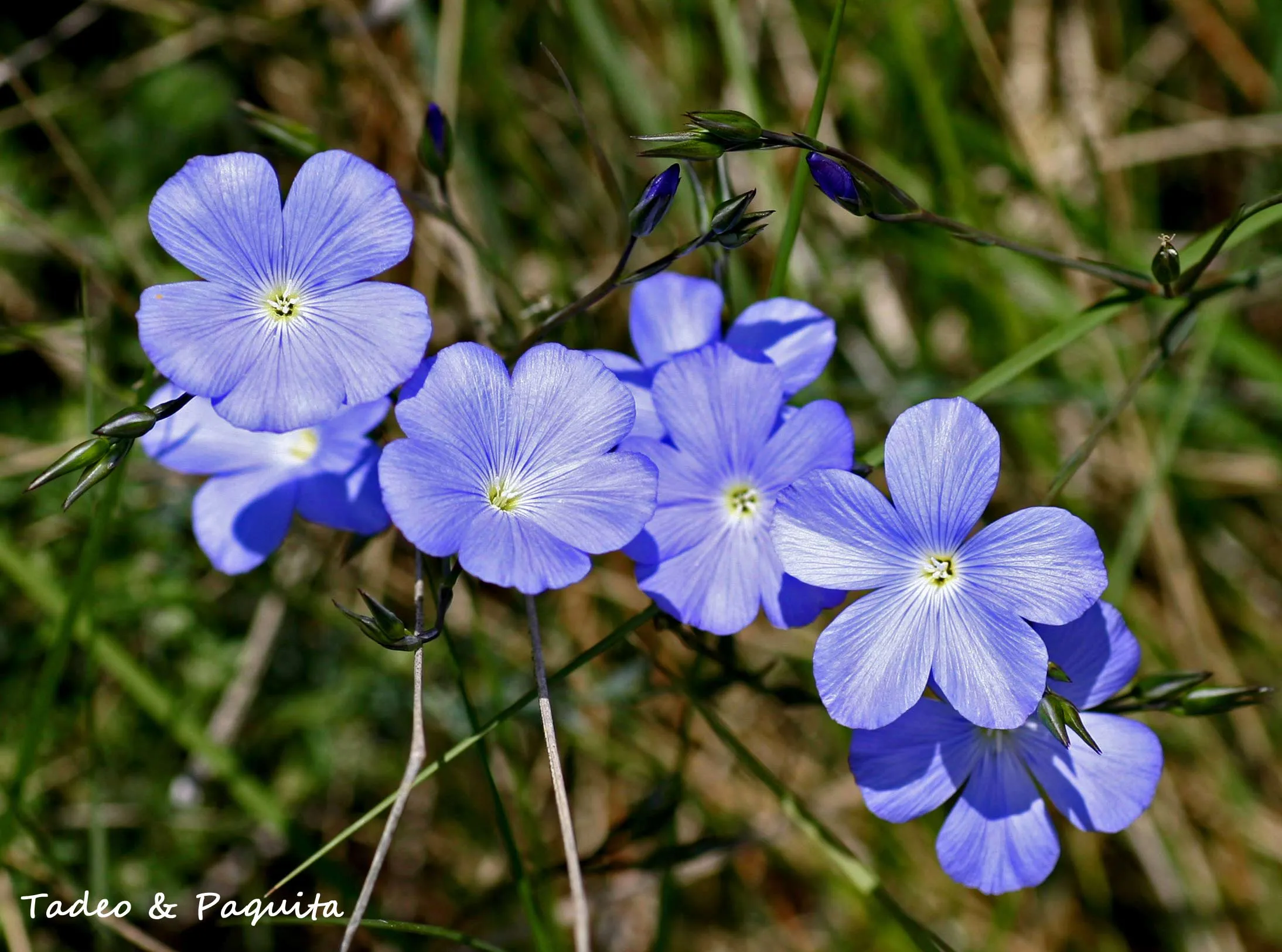
Linum usitatissimumflaxLinaceae 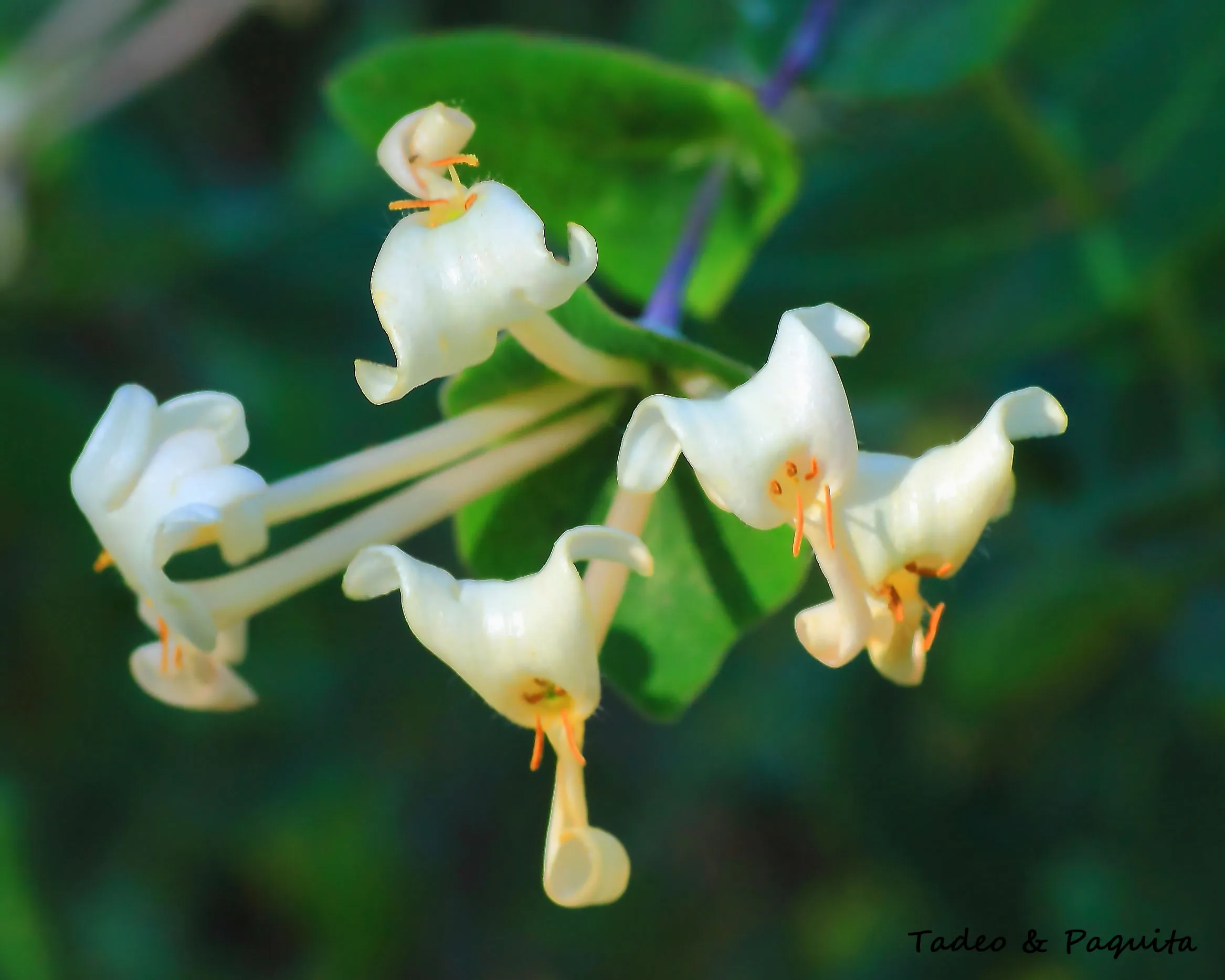
LonicerahoneysuckleCaprifoliaceae
M
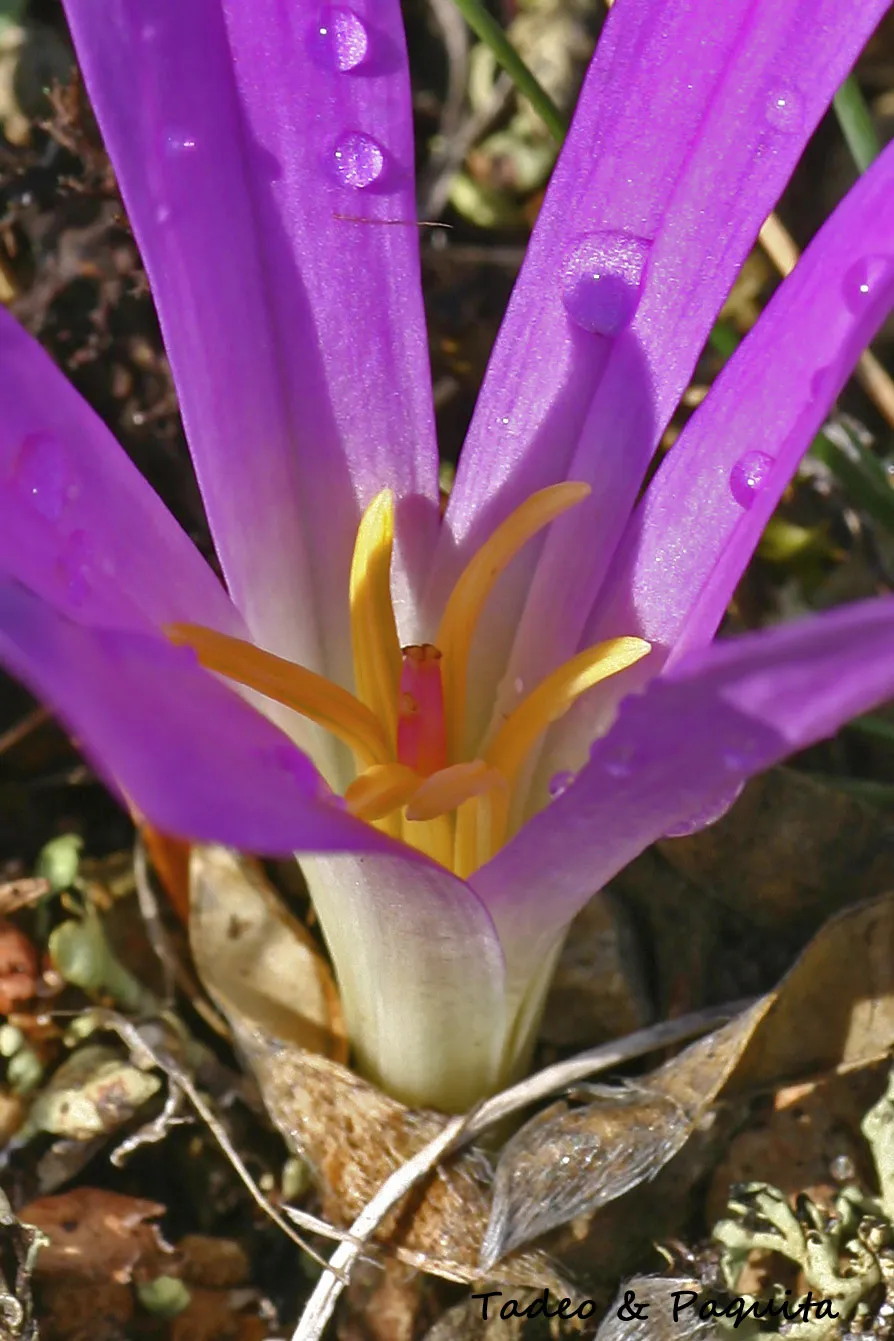
Merendera bulbocodiumColchicaceae 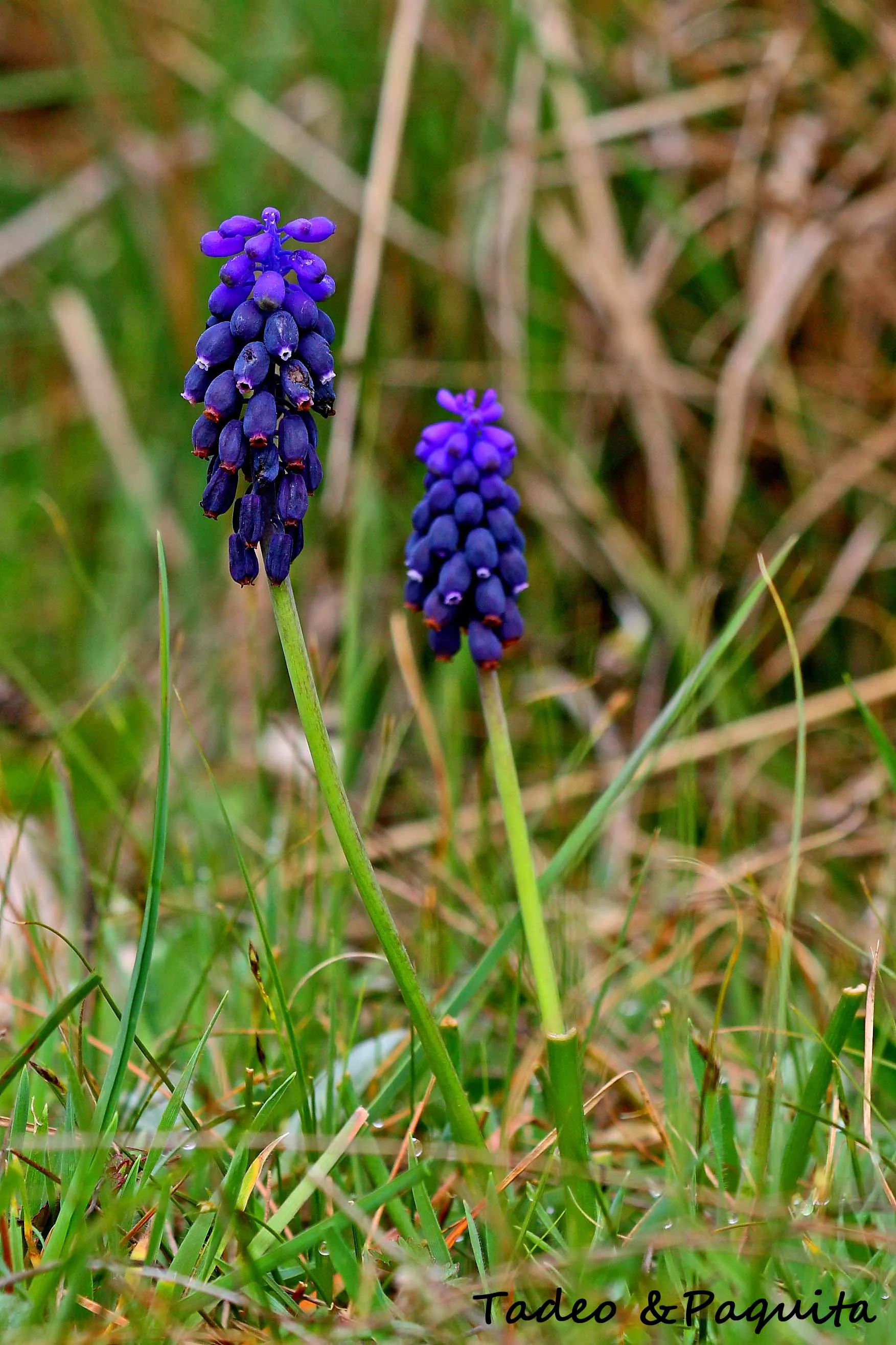
Muscari neglectumgrape hyacinthAsparagaceae
N
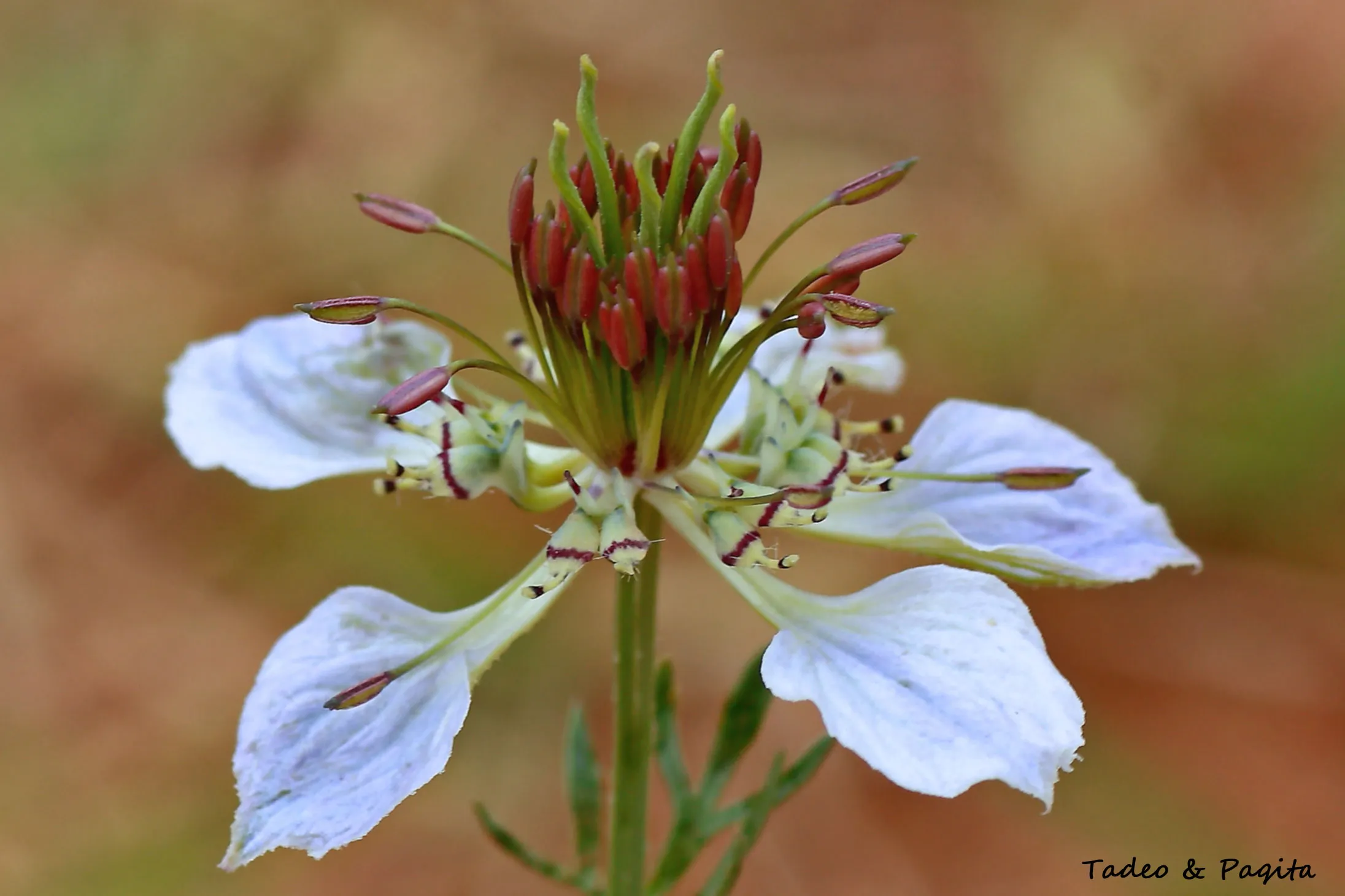
Nigella damascenalove-in-a-mistRanunculaceae
O
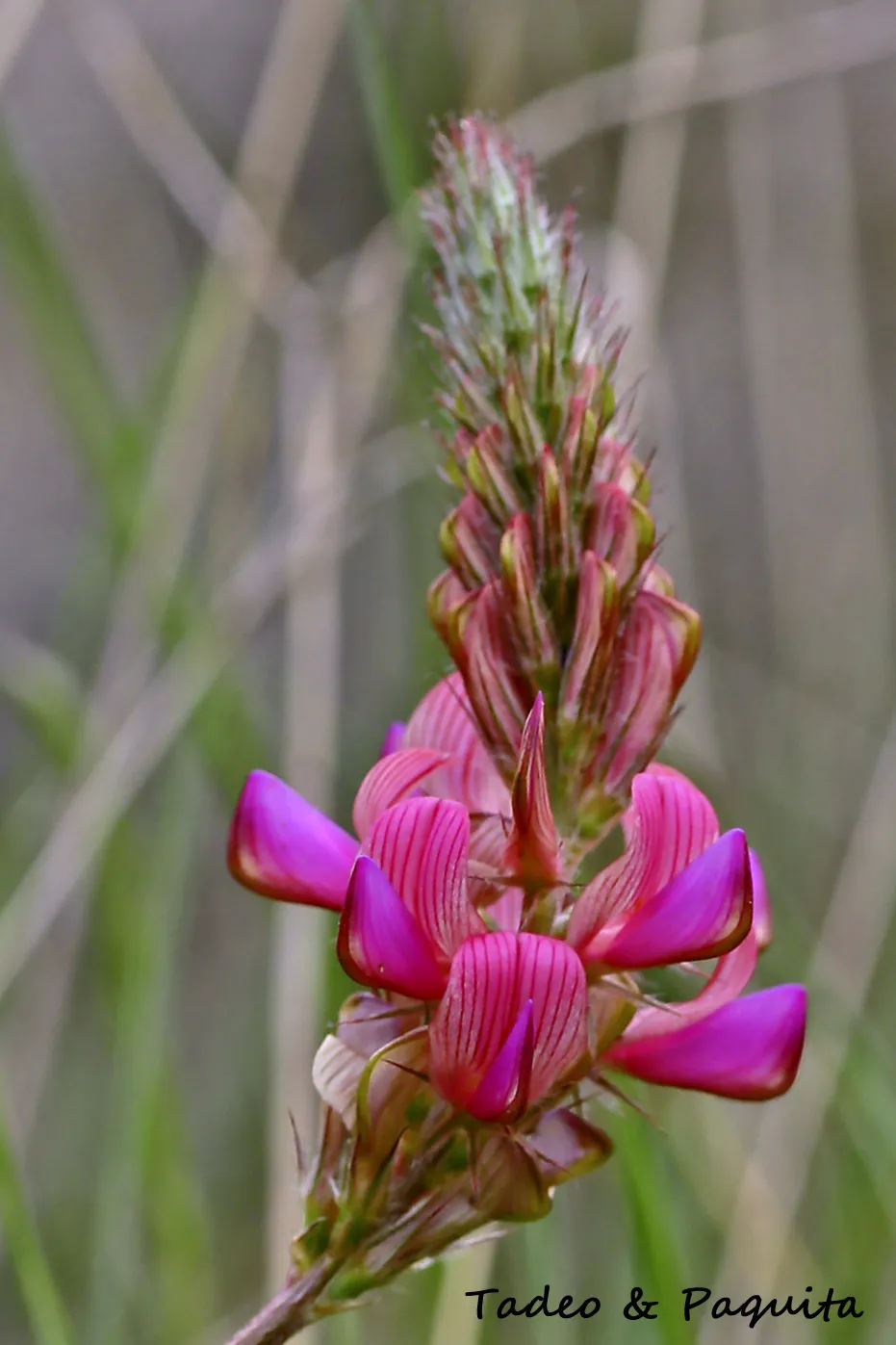
Onobrychis stenorhizasainfoinFabaceae 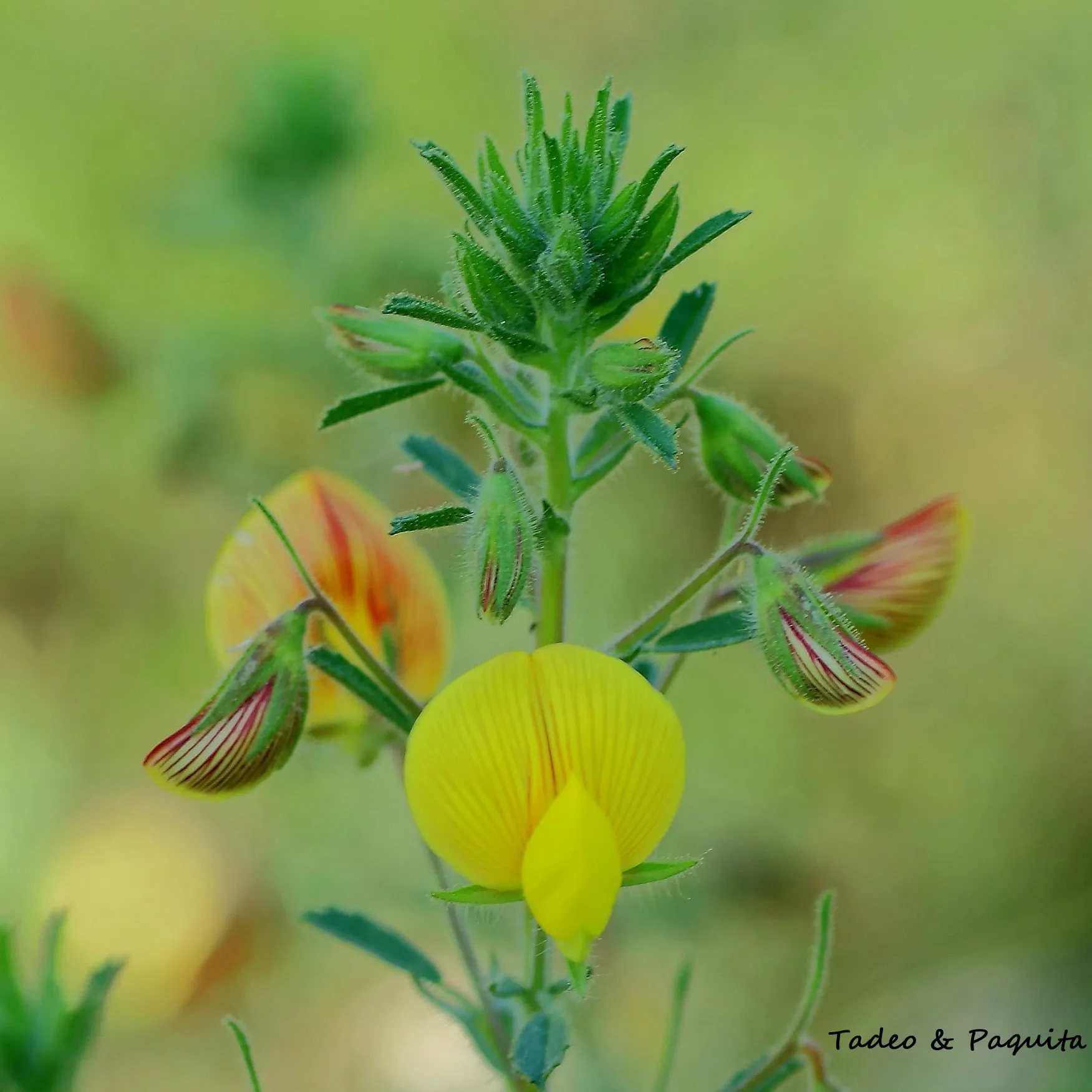
Ononis natrixyellow restharrowFabaceae
P
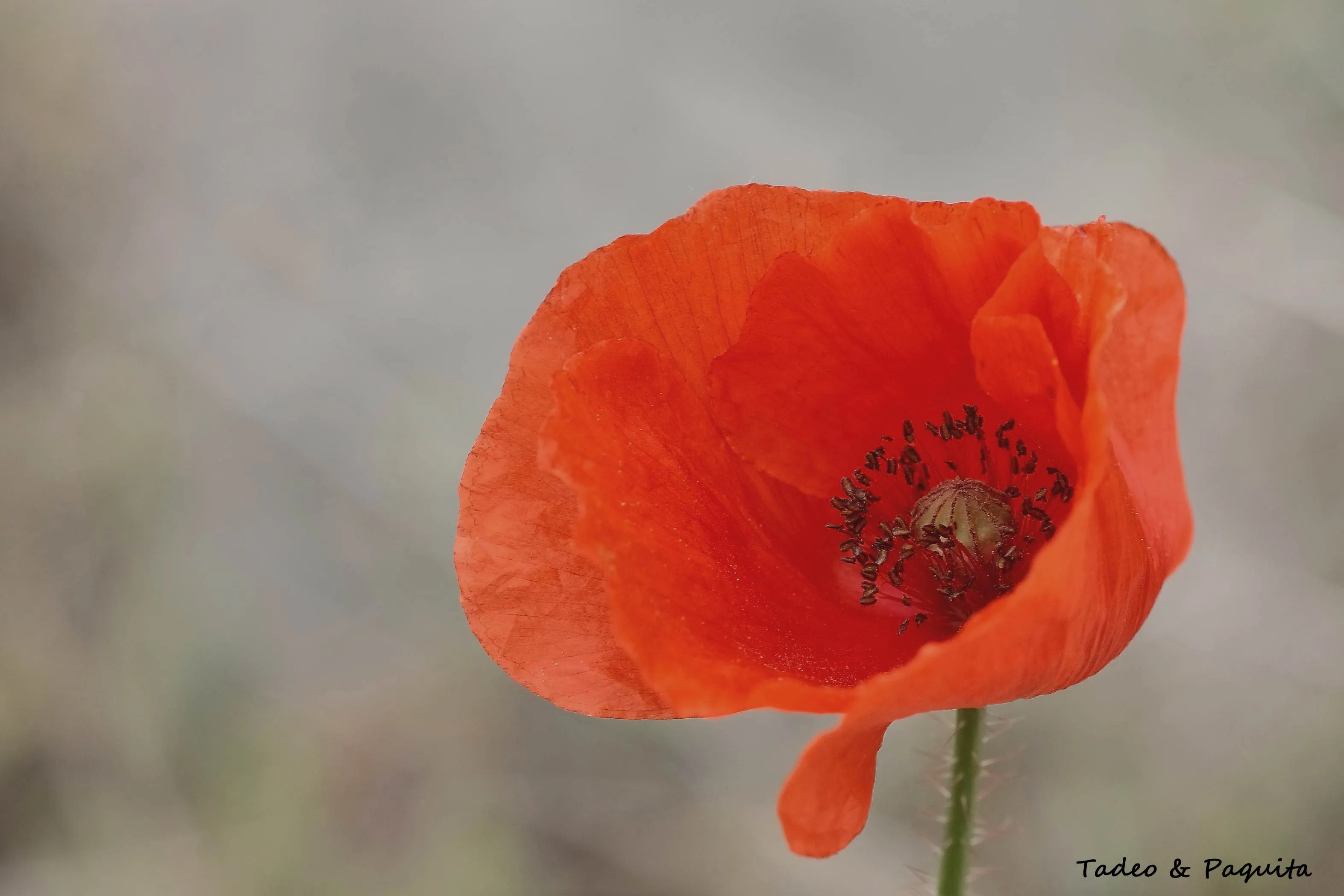
Papaver rhoeascommon poppyPapaveraceae 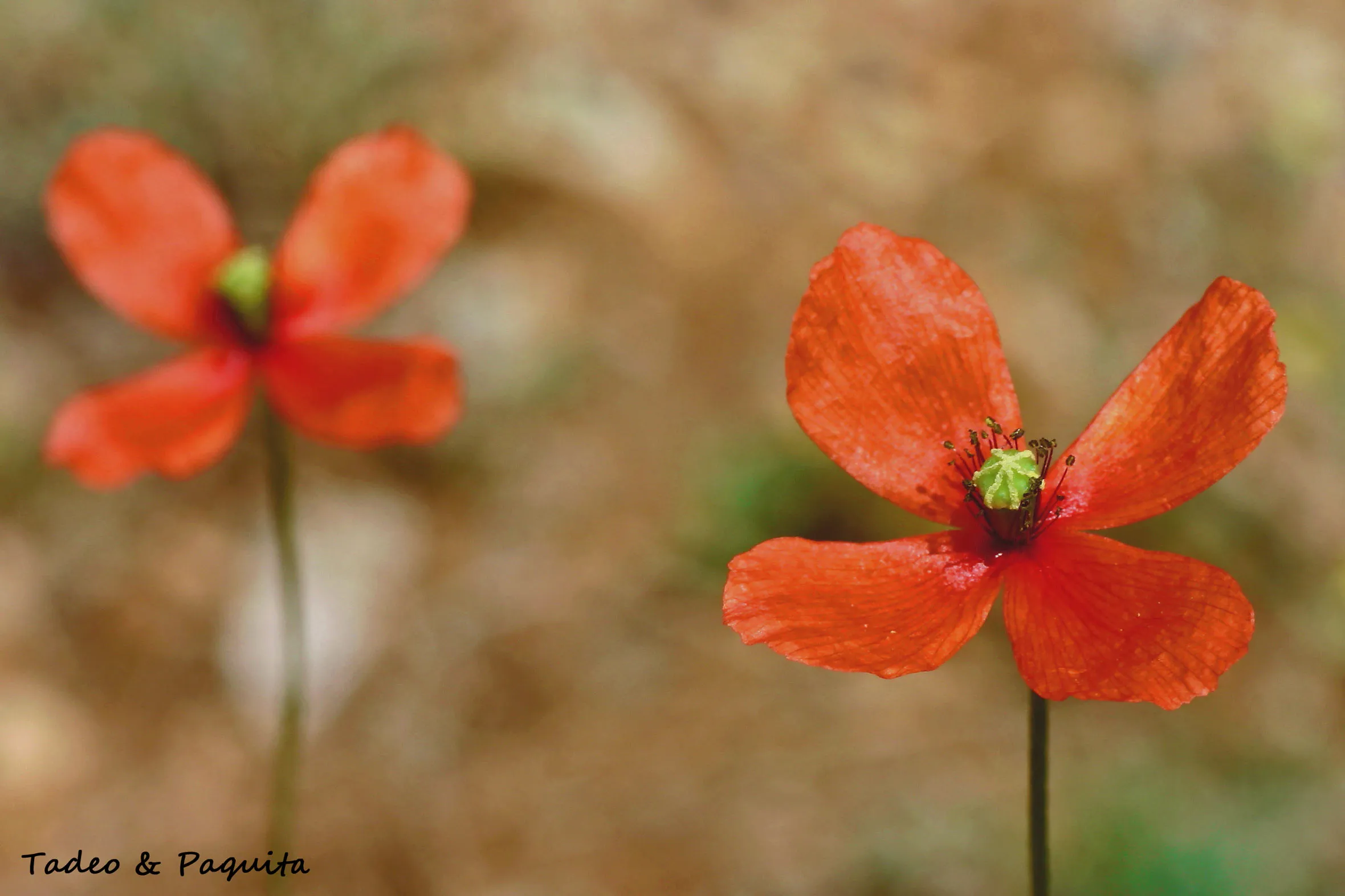
Papaver rupifragumSpanish poppyPapaveraceae 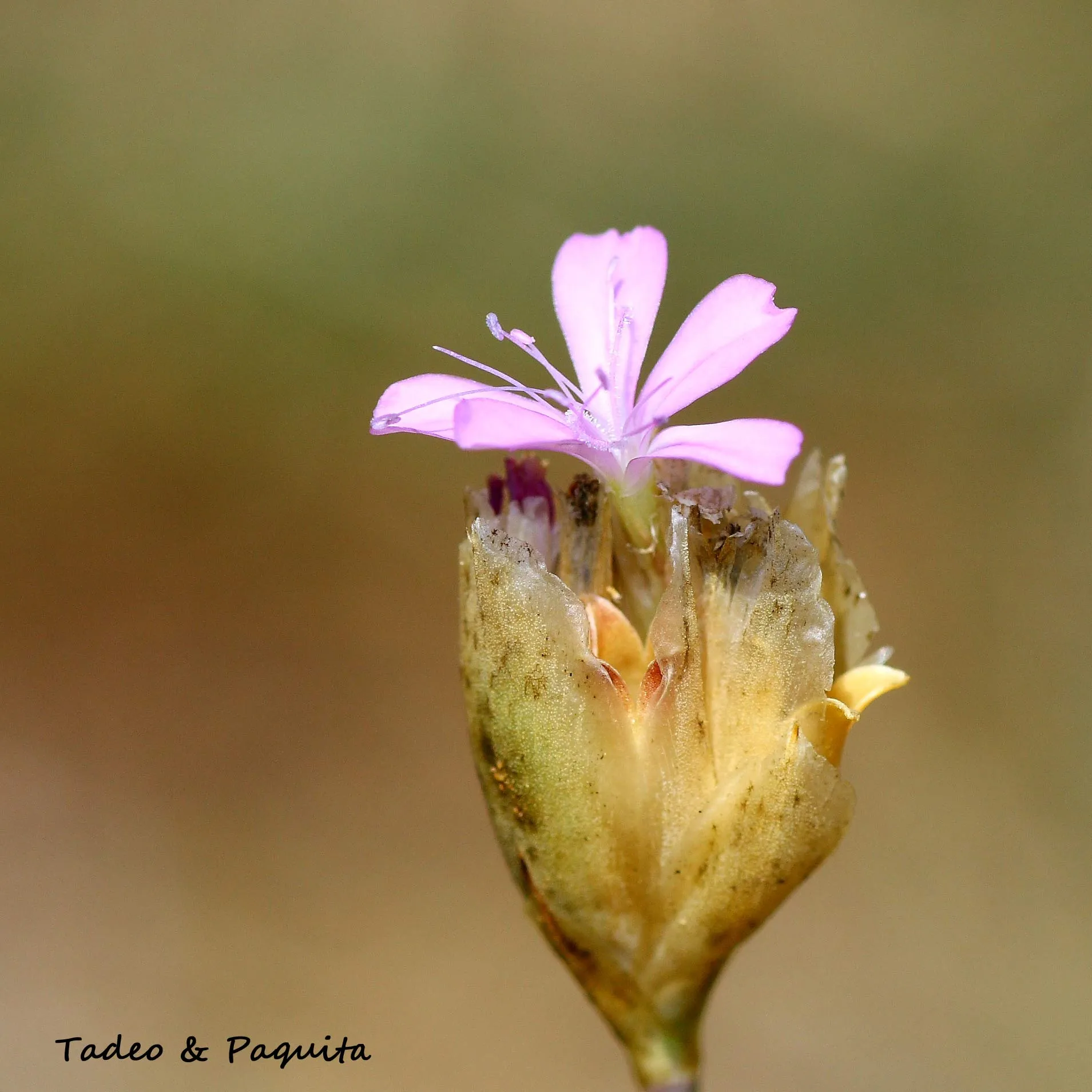
Petrorhagia proliferaproliferous pinkCaryophyllaceae 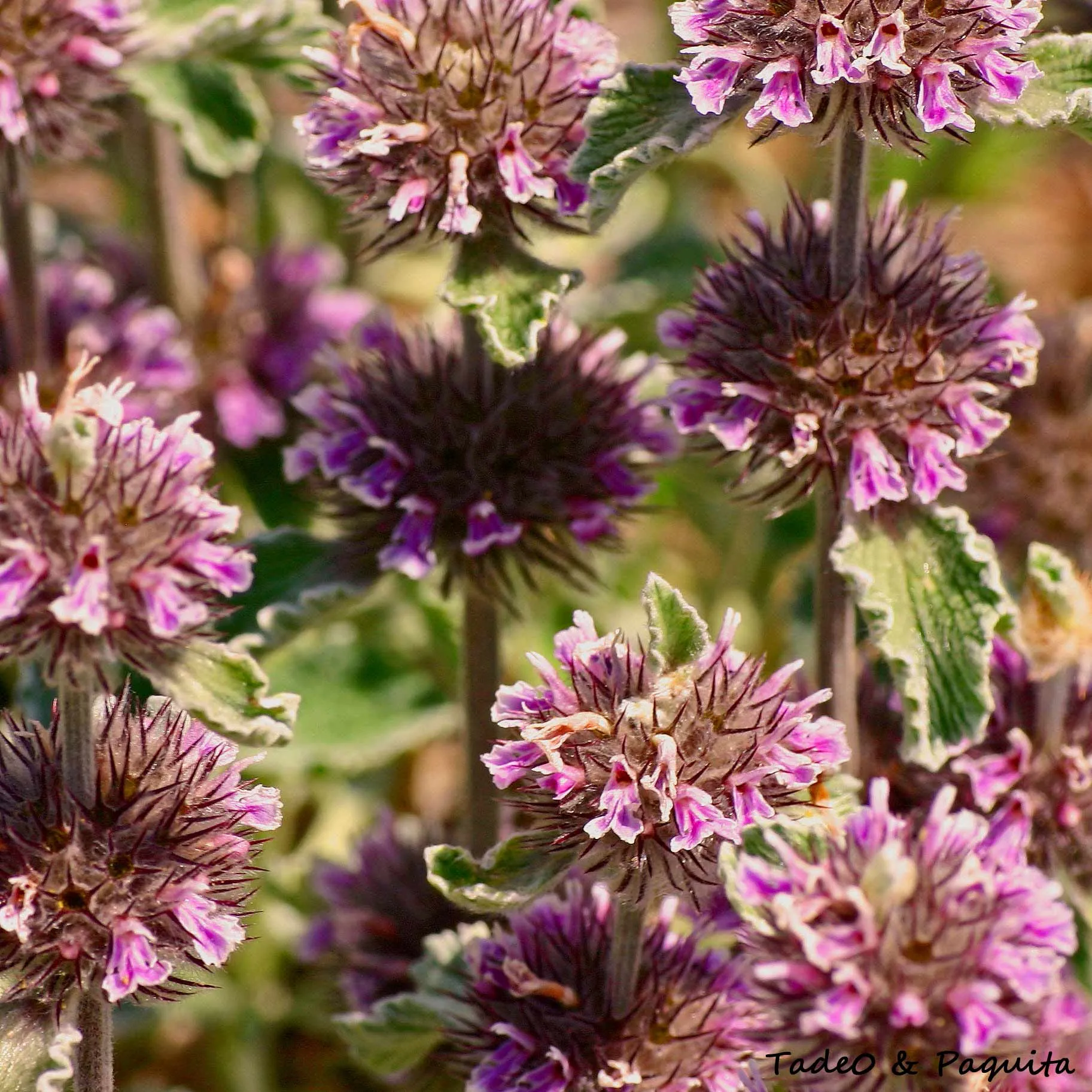
Phlomis lychnitislampwick plantLamiaceae 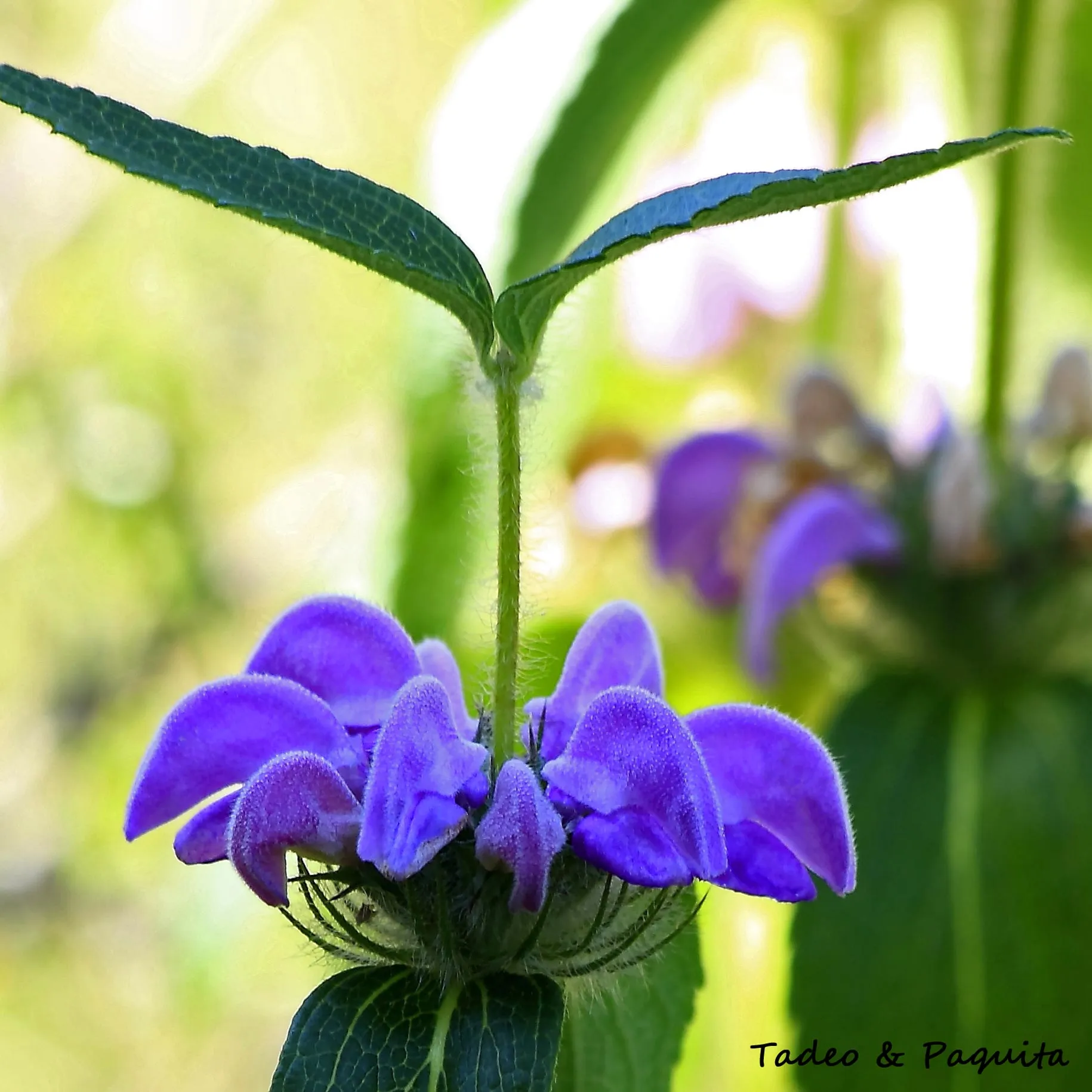
Phlomis purpureapurple phlomisLamiaceae 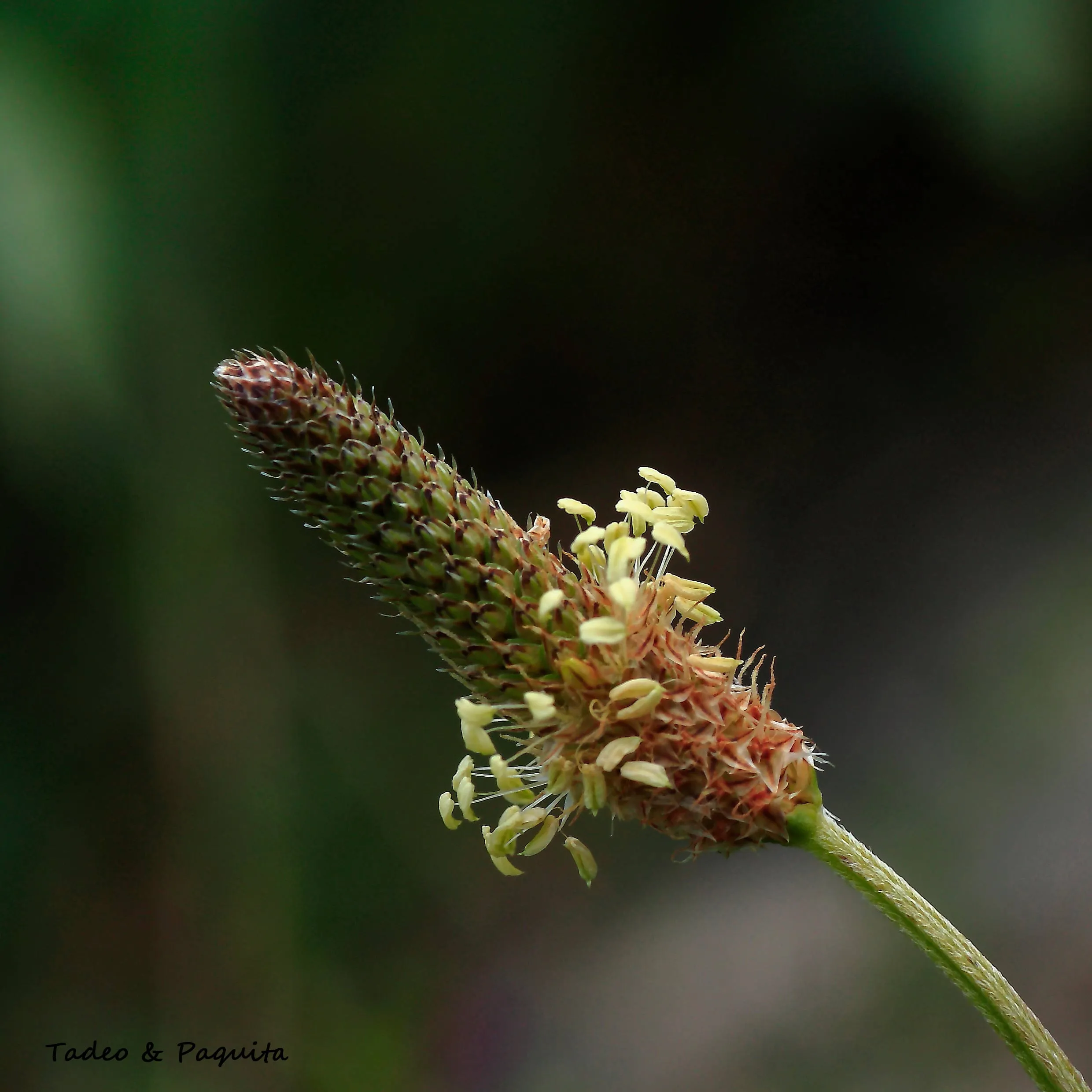
Plantago lagopushare's-foot plantainPlantaginaceae 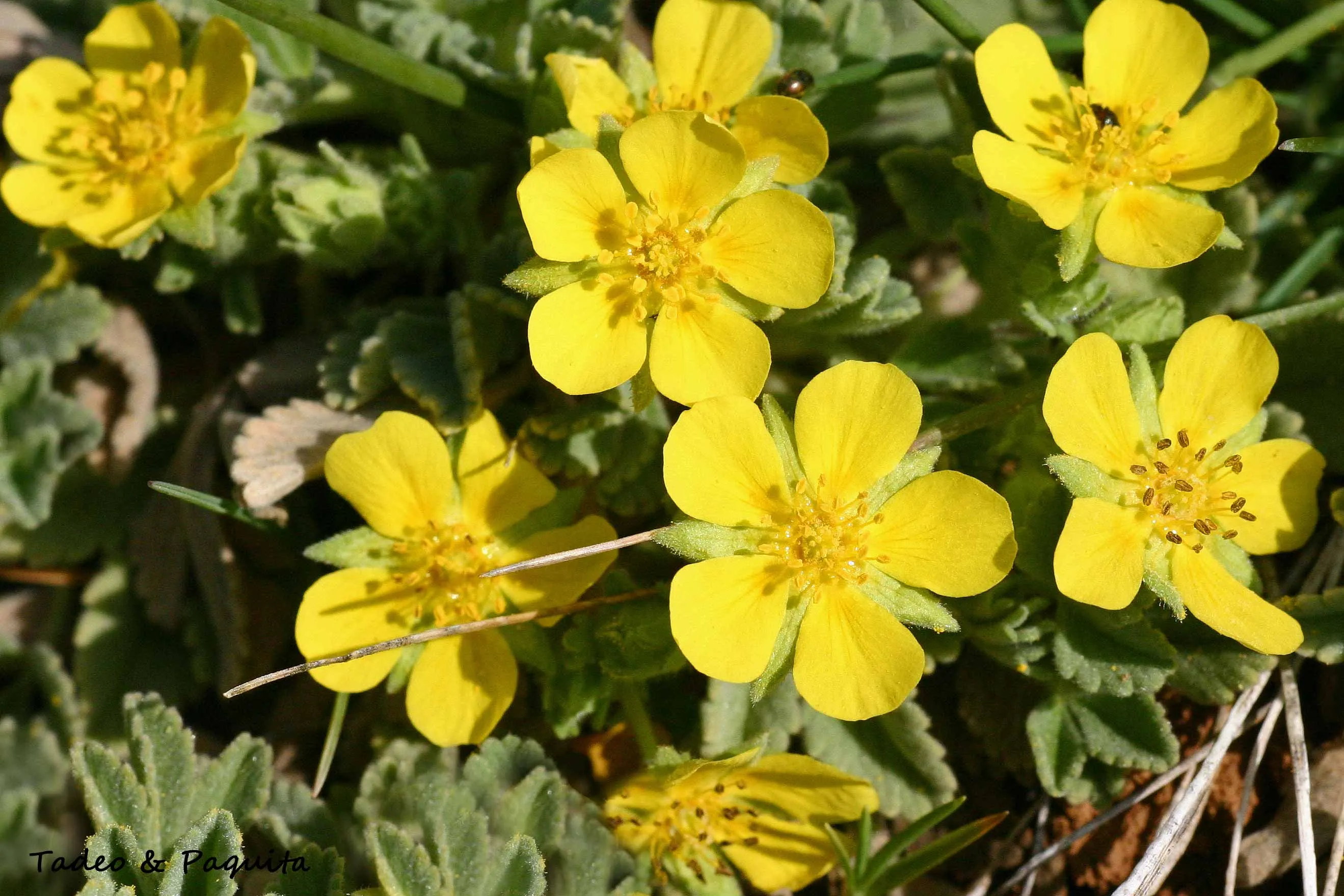
Potentilla neumannianaspring cinquefoilRosaceae 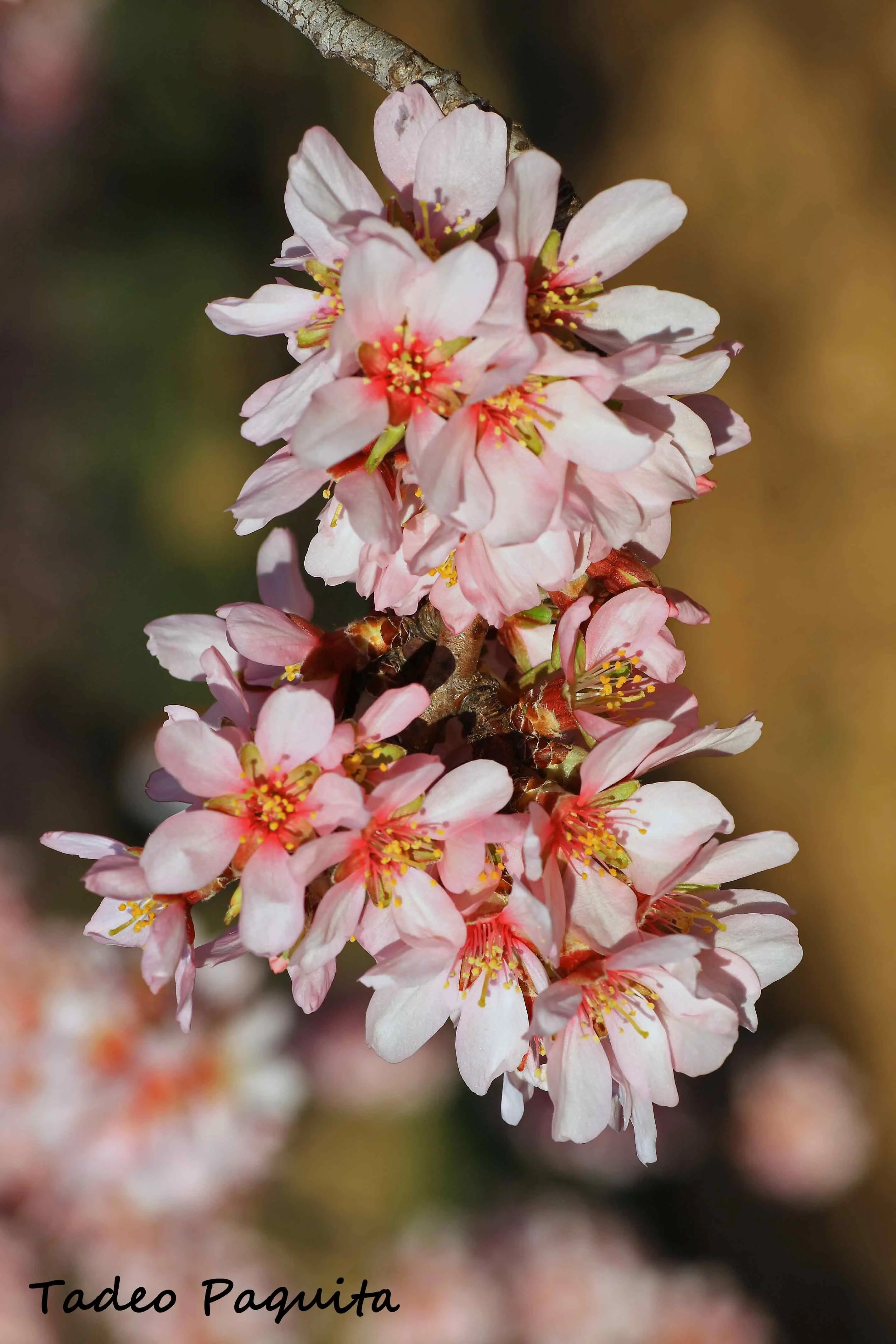
Prunus dulcisalmondRosaceae
R
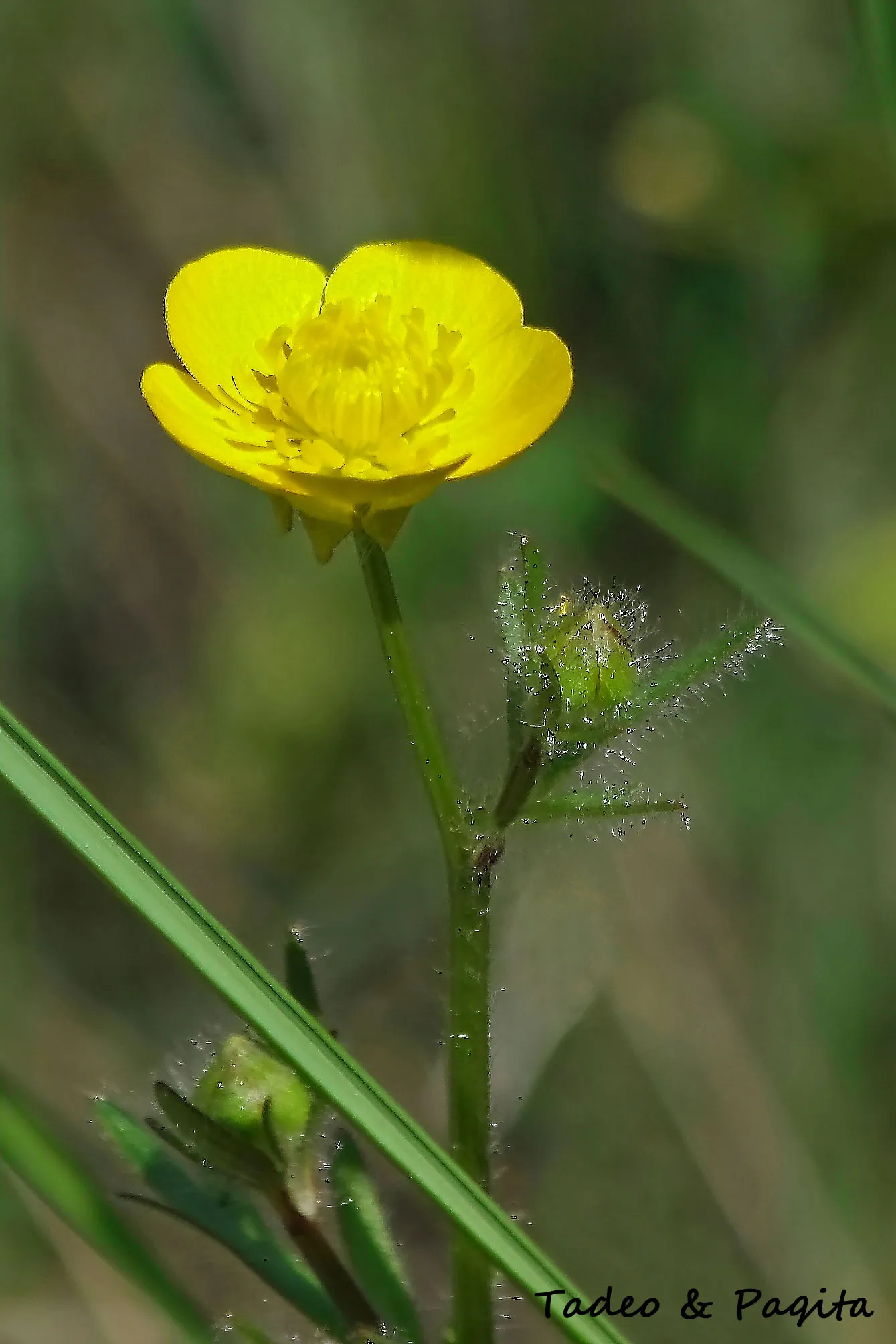
Ranunculus repenscreeping buttercupRanunculaceae 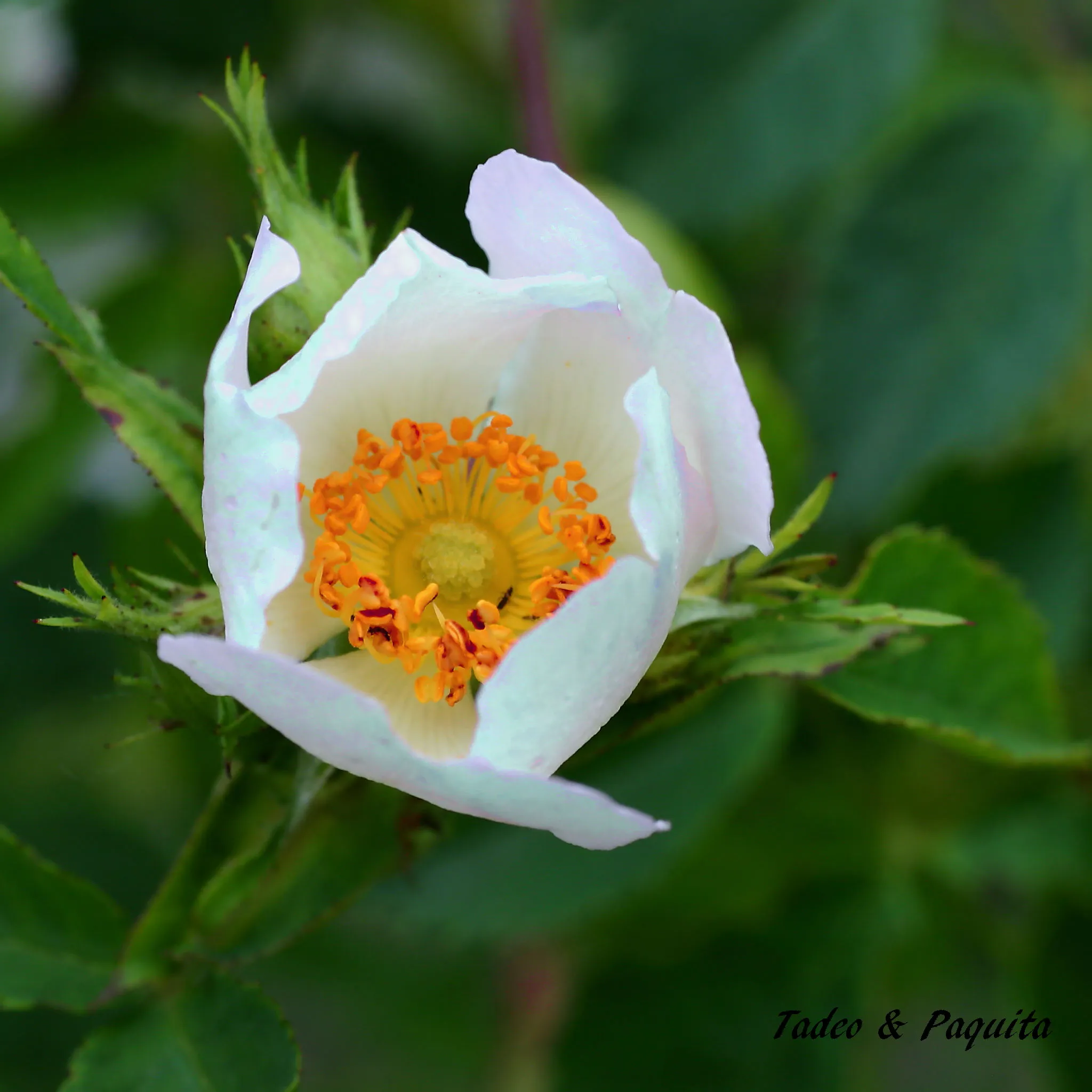
Rosa caninadog roseRosaceae 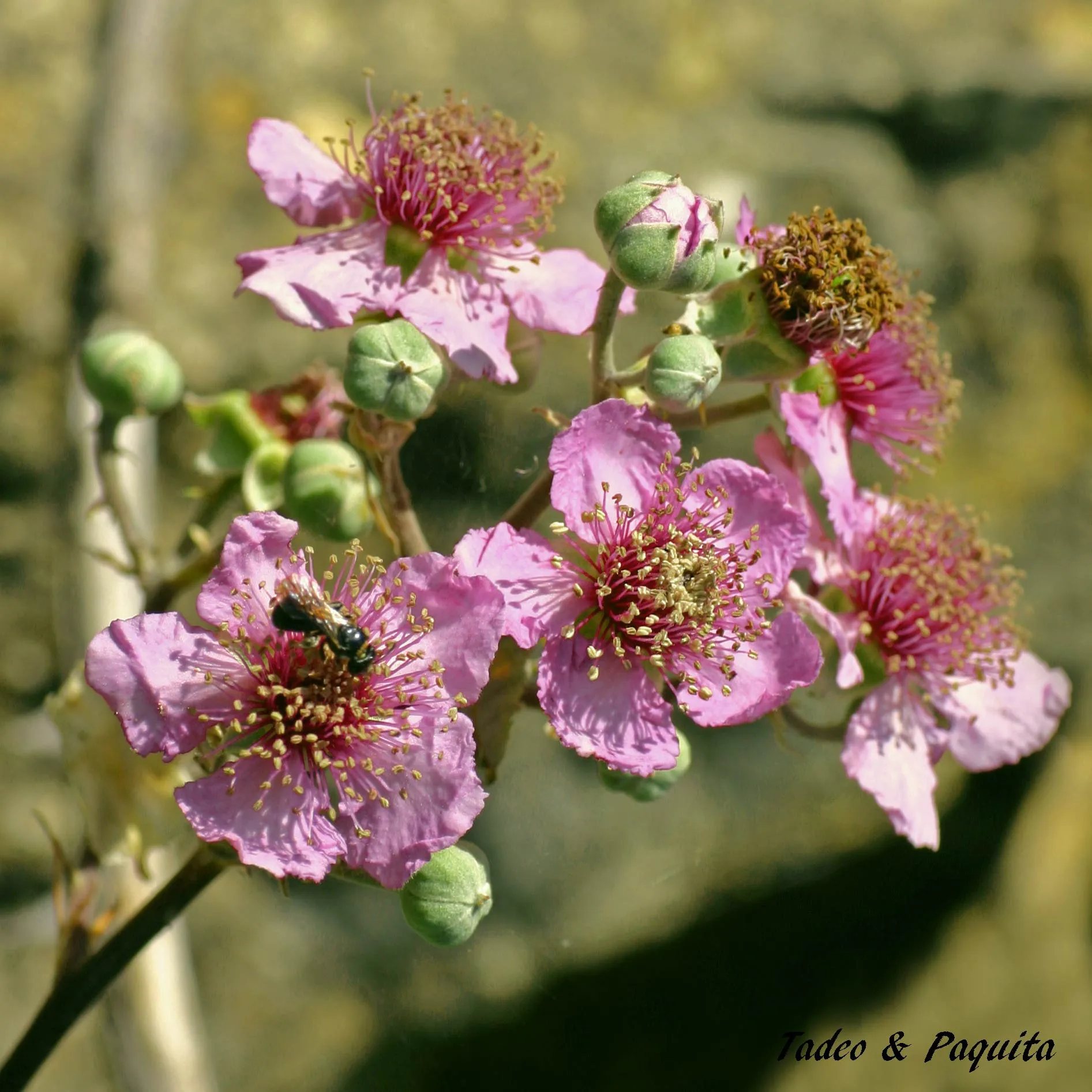
Rosa caninadog roseRosaceae 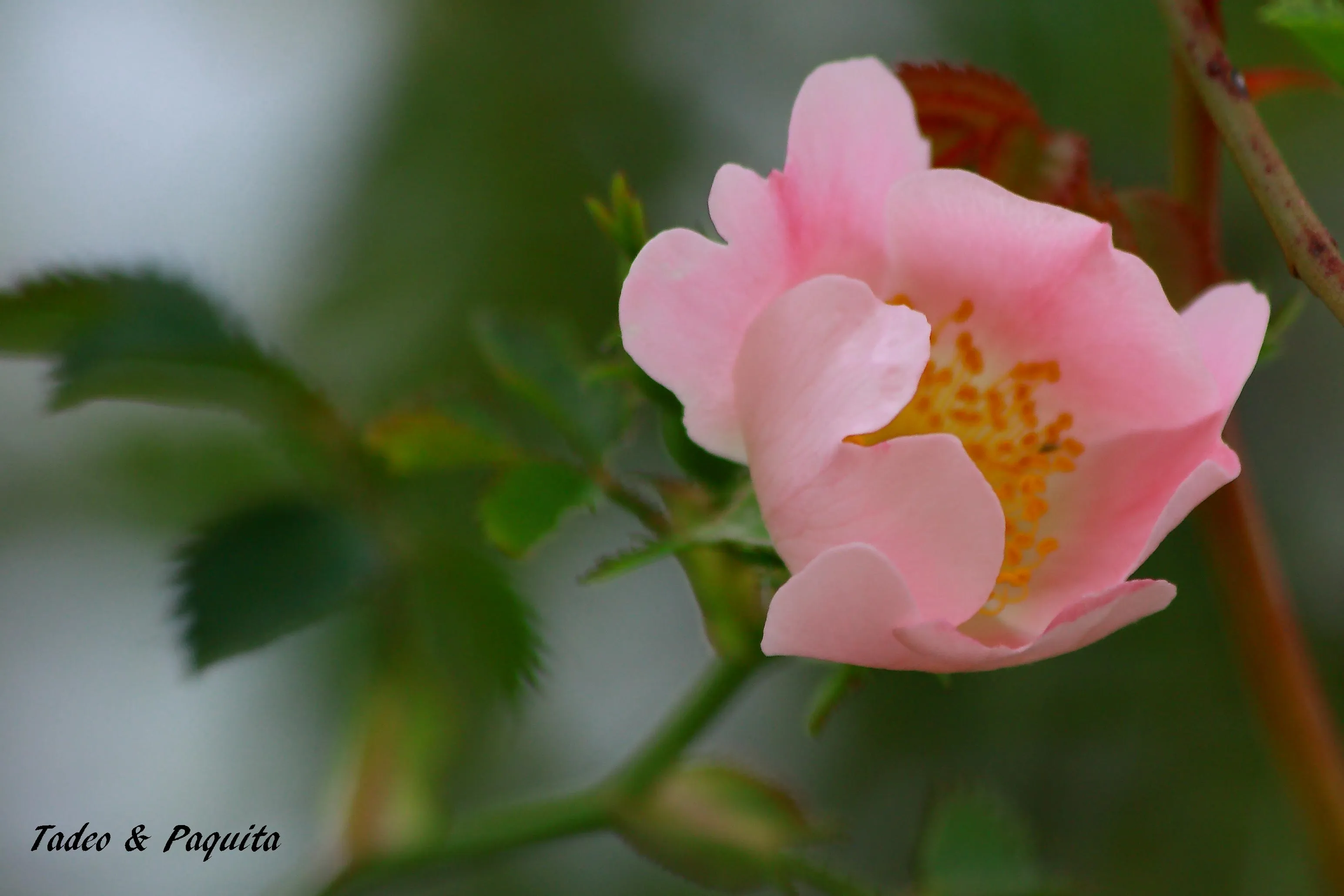
Rosa caninadog roseRosaceae
S
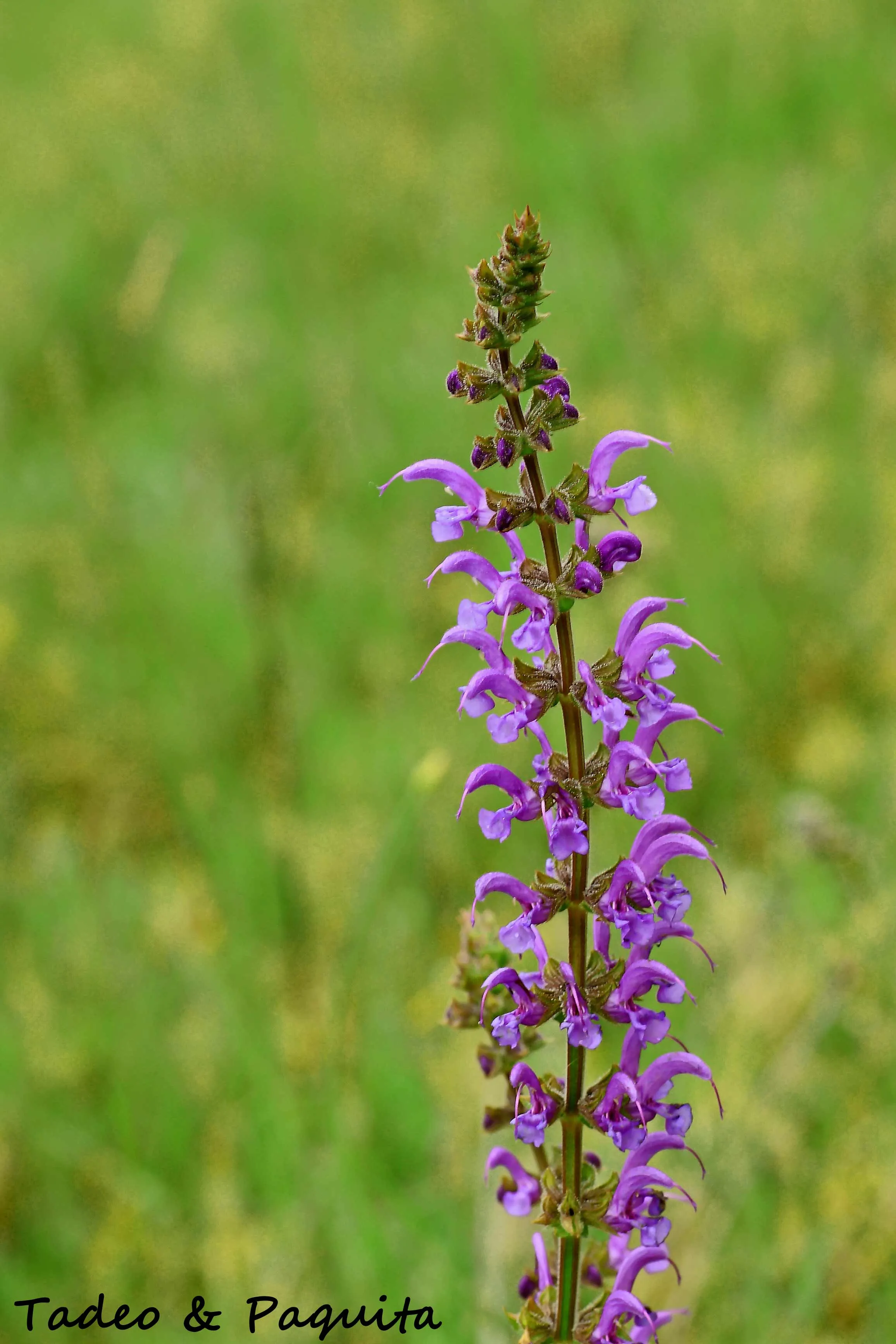
Salvia pratensismeadow claryLamiaceae 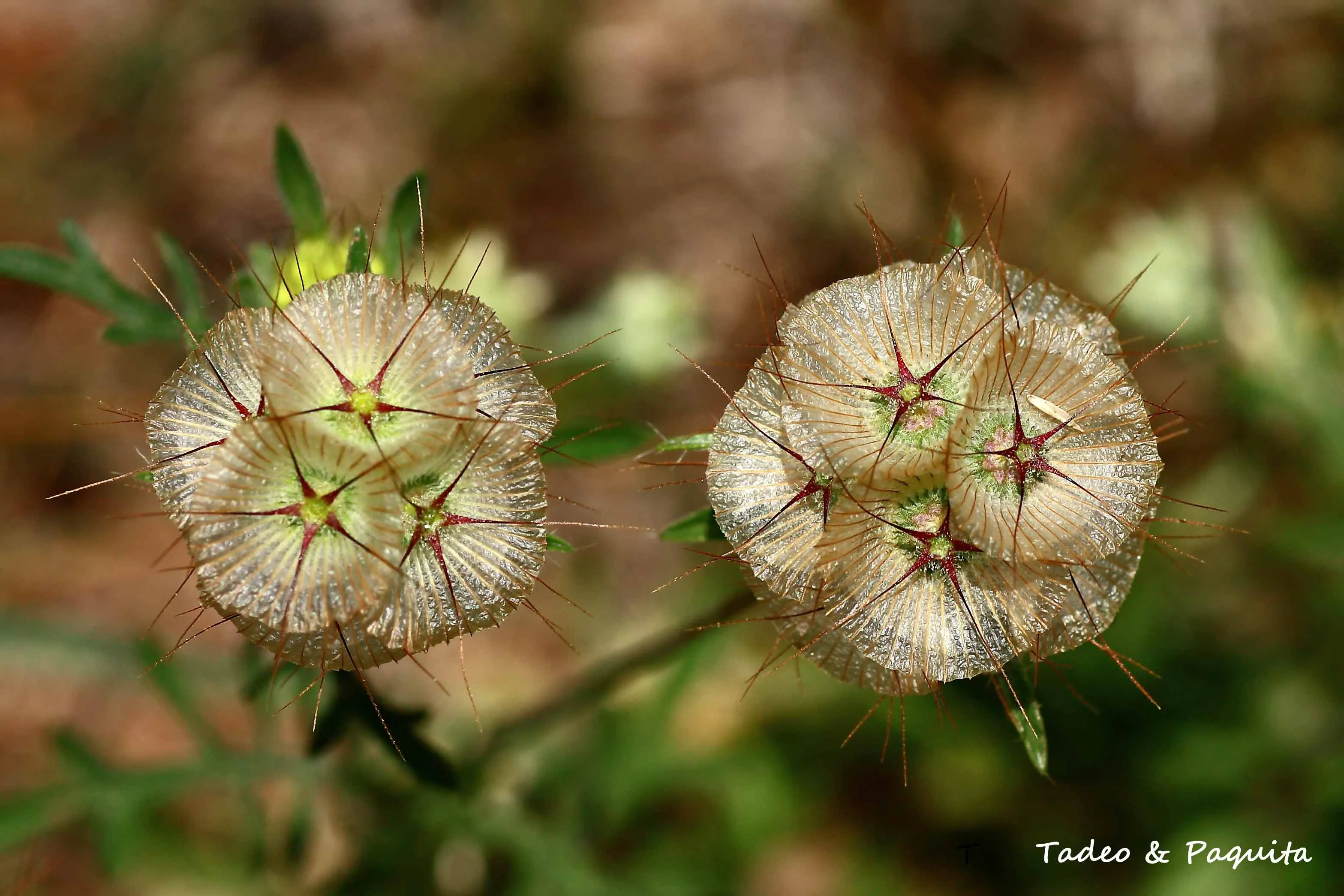
ScabiosascabiousDipsacaceae 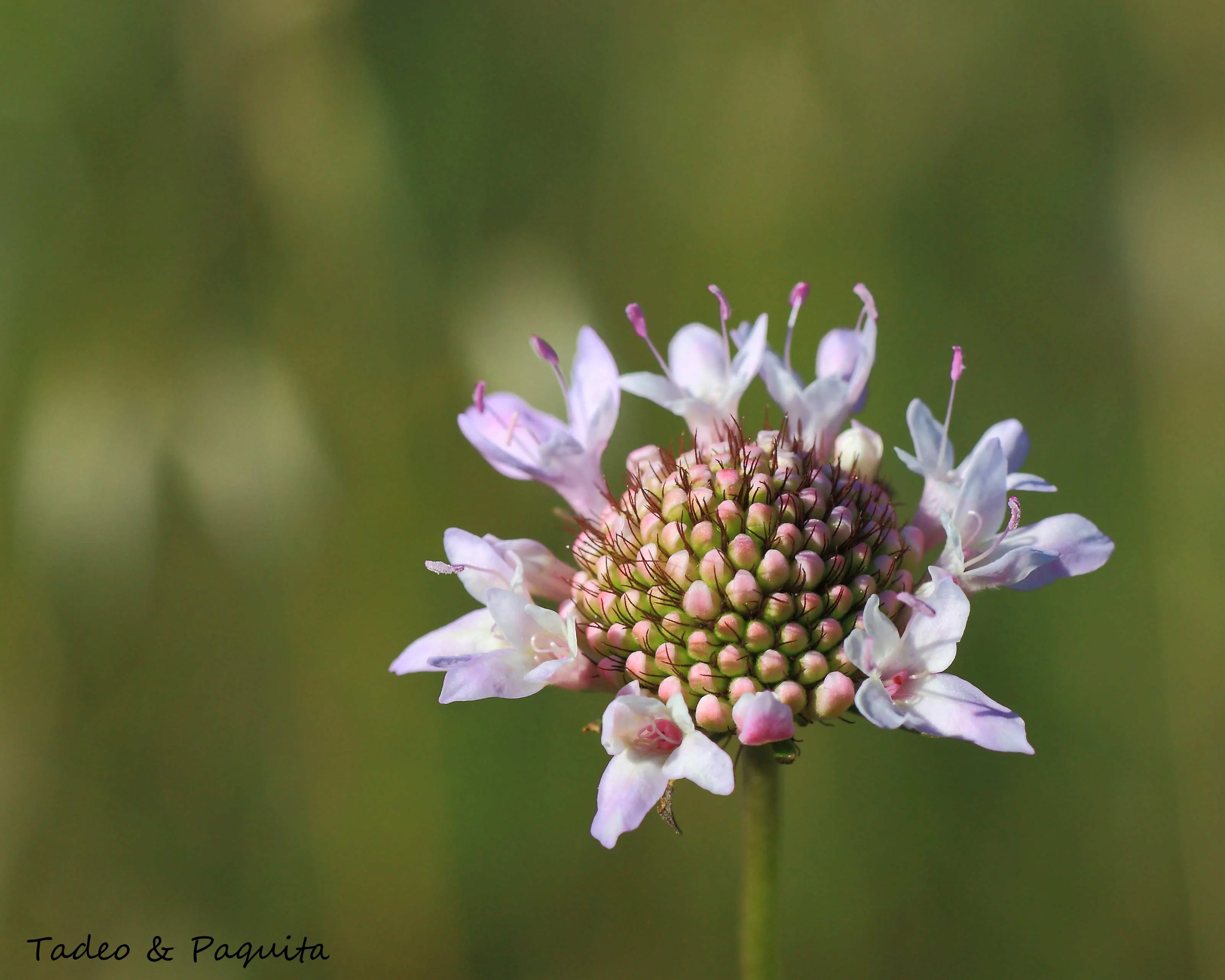
Scabiosa atropurpureasweet scabiousDipsacaceae 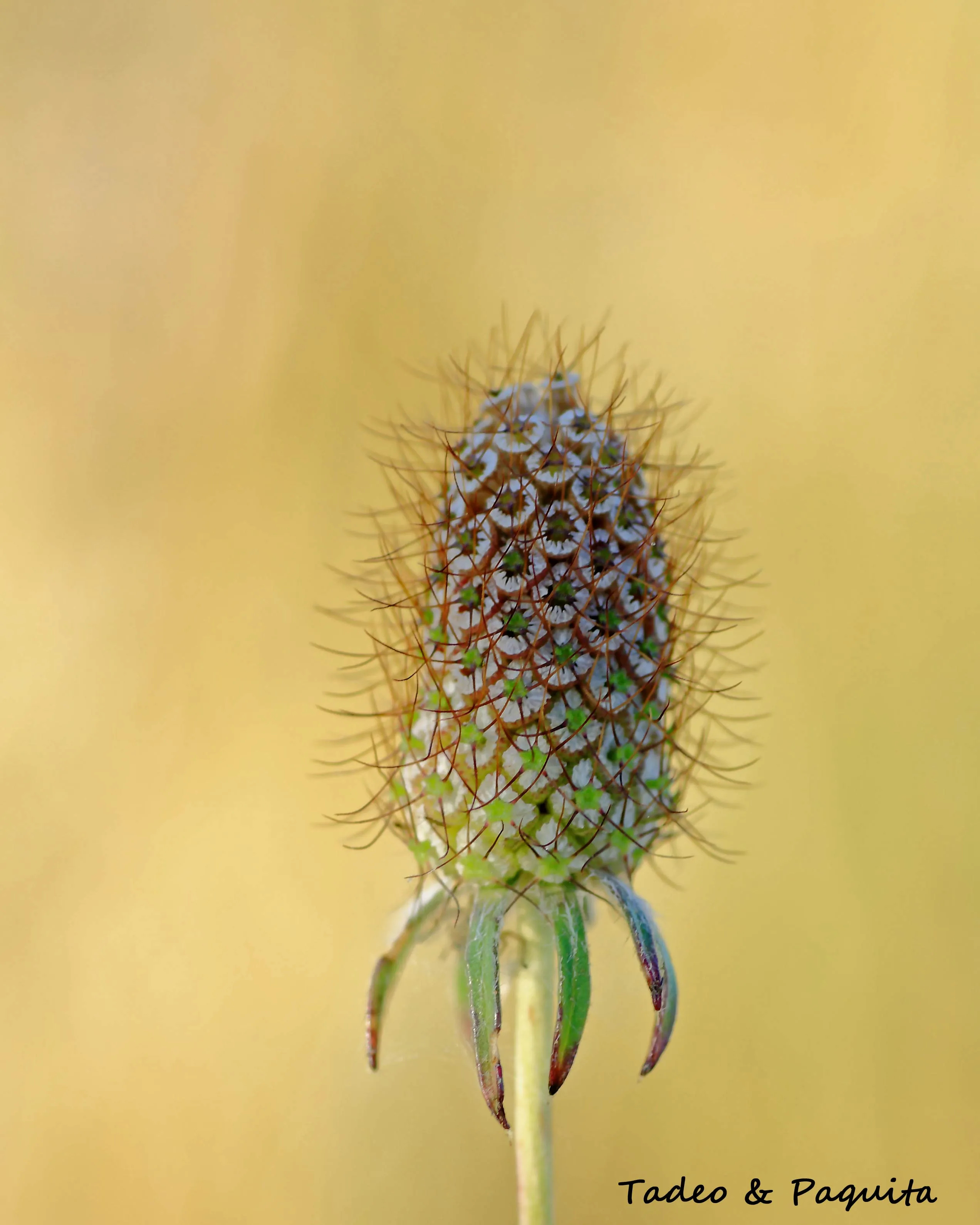
Scabiosa atropurpureasweet scabiousDipsacaceae 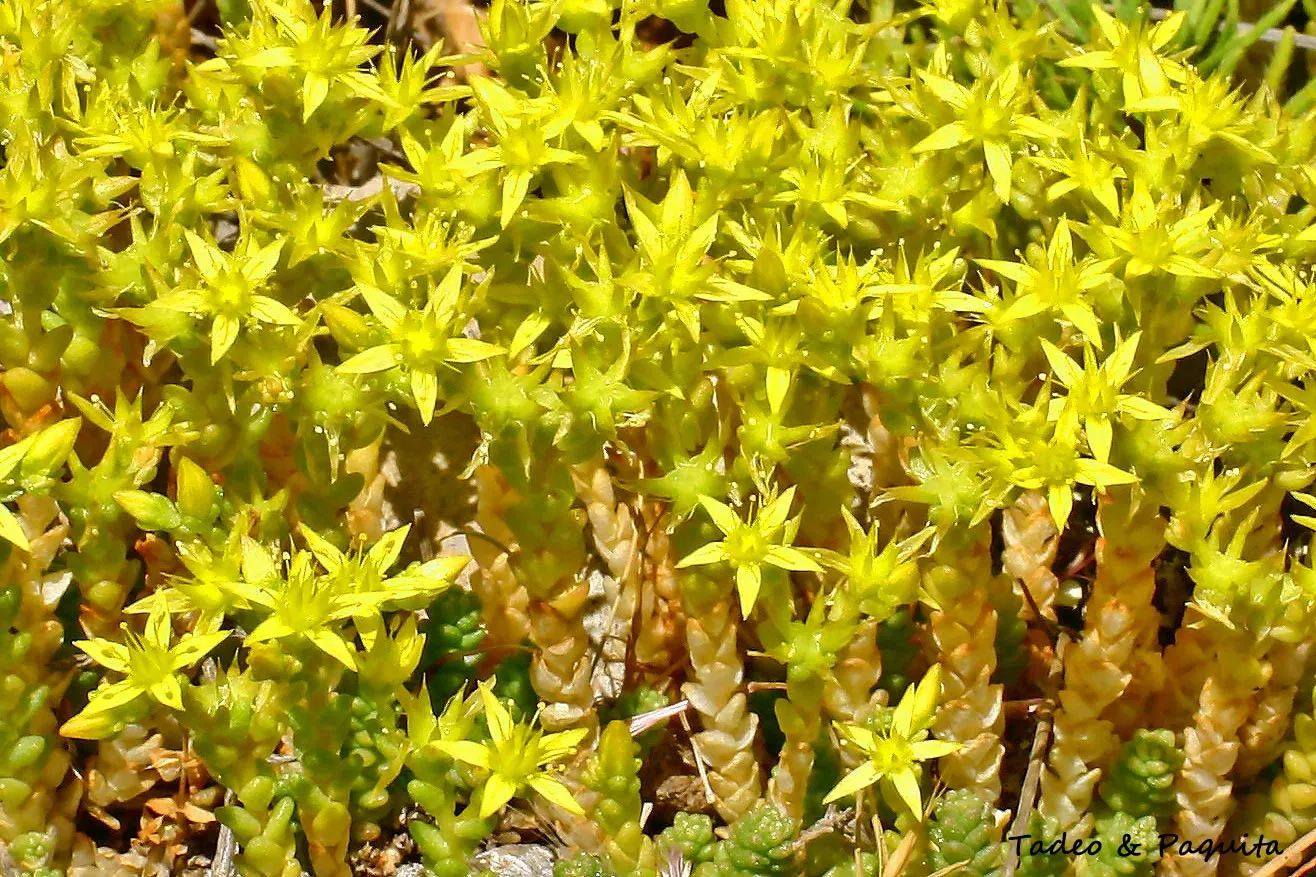
Sedum acrebiting stonecropCrassulaceae 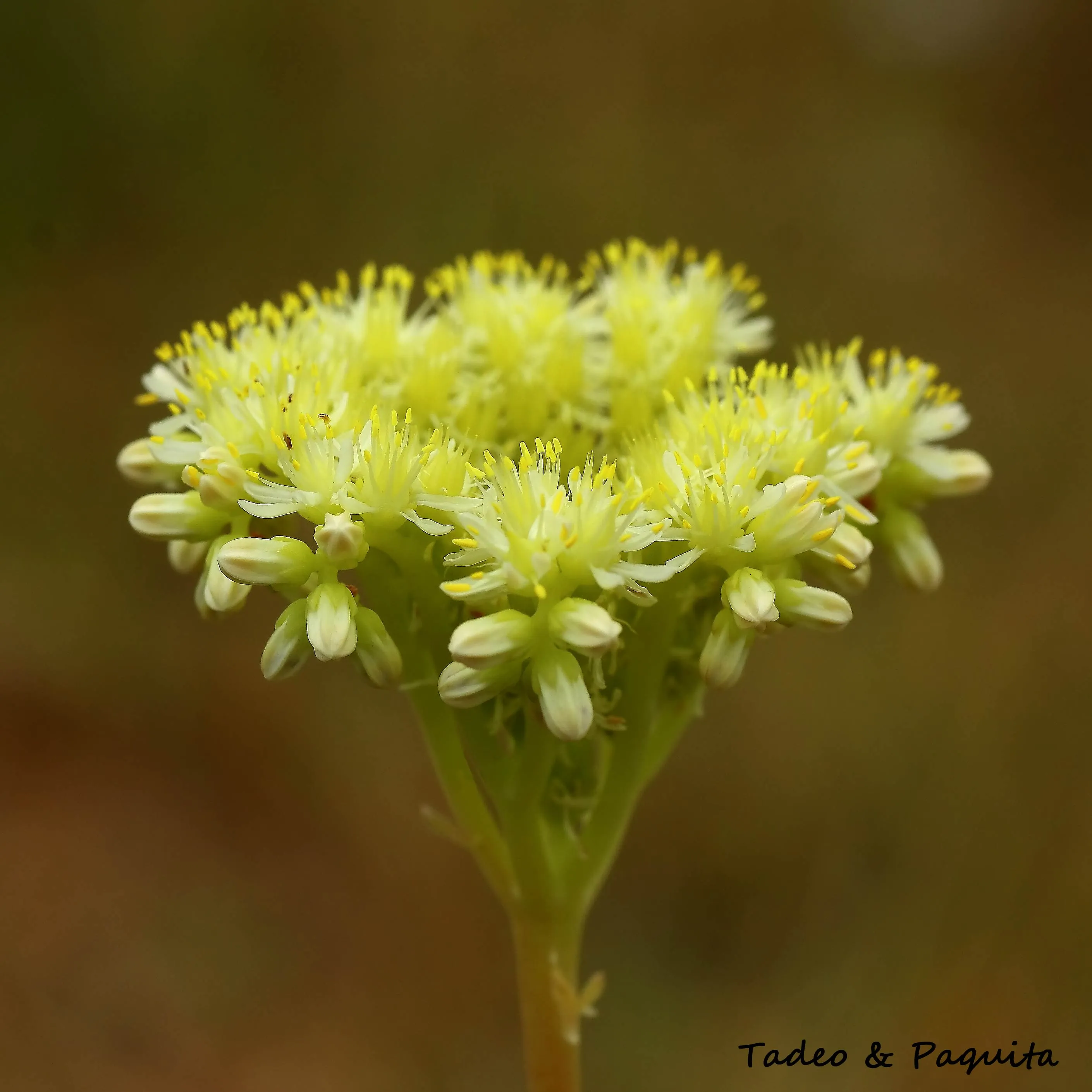
Sedum sediformepale stonecropCrassulaceae 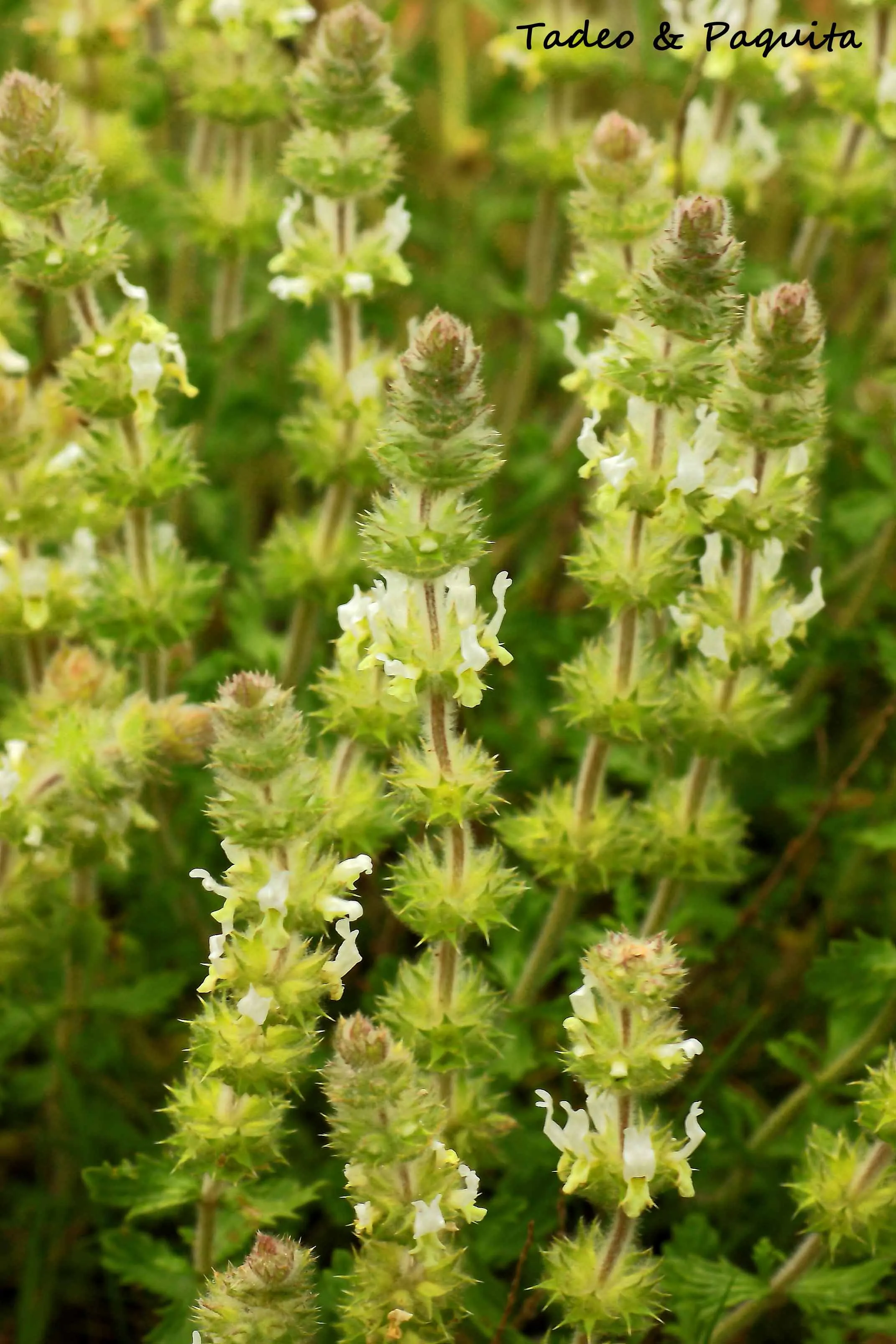
Sideritis hirsutaironwortLamiaceae 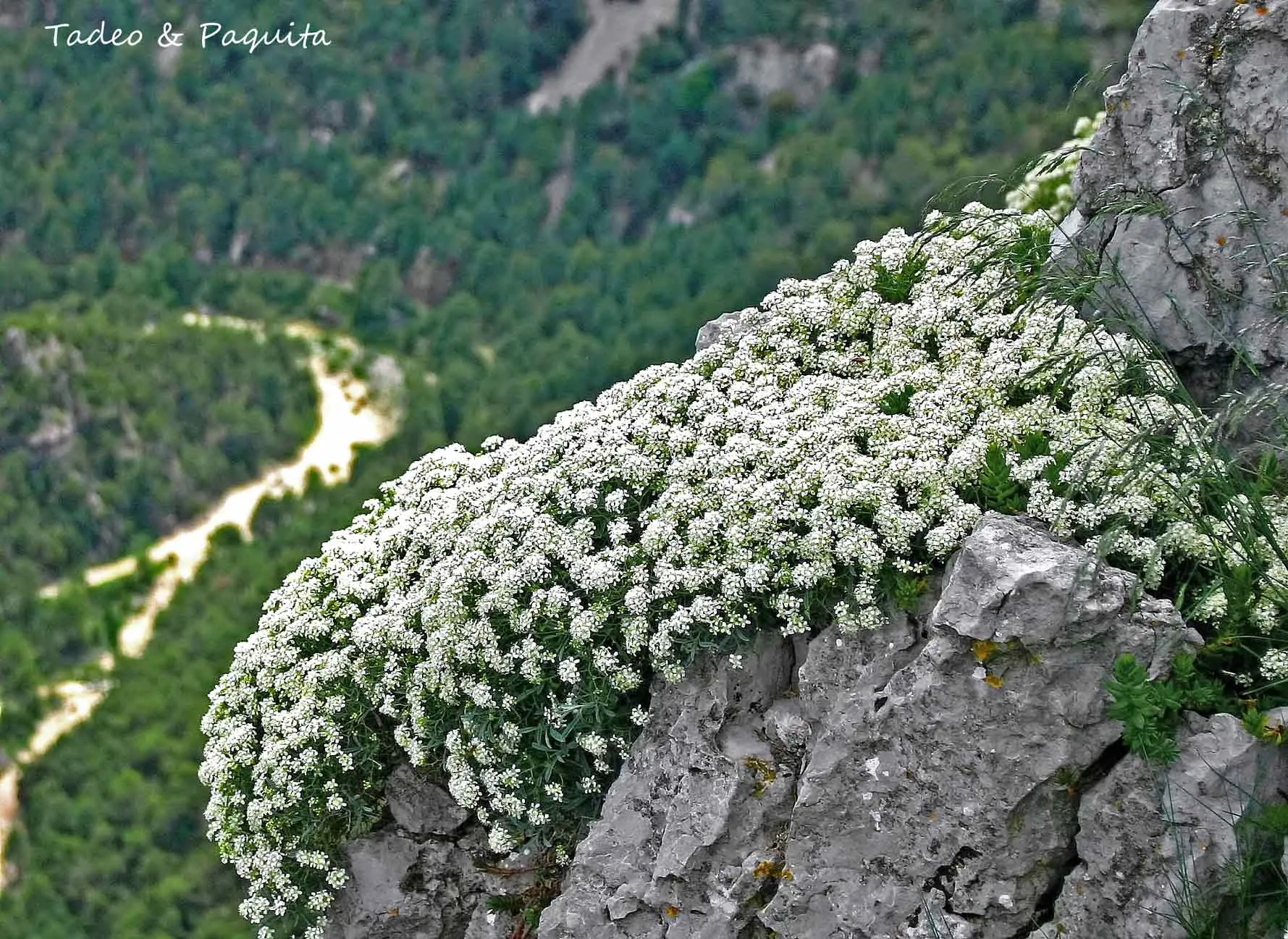
Silene andryalifoliaCaryophyllaceae 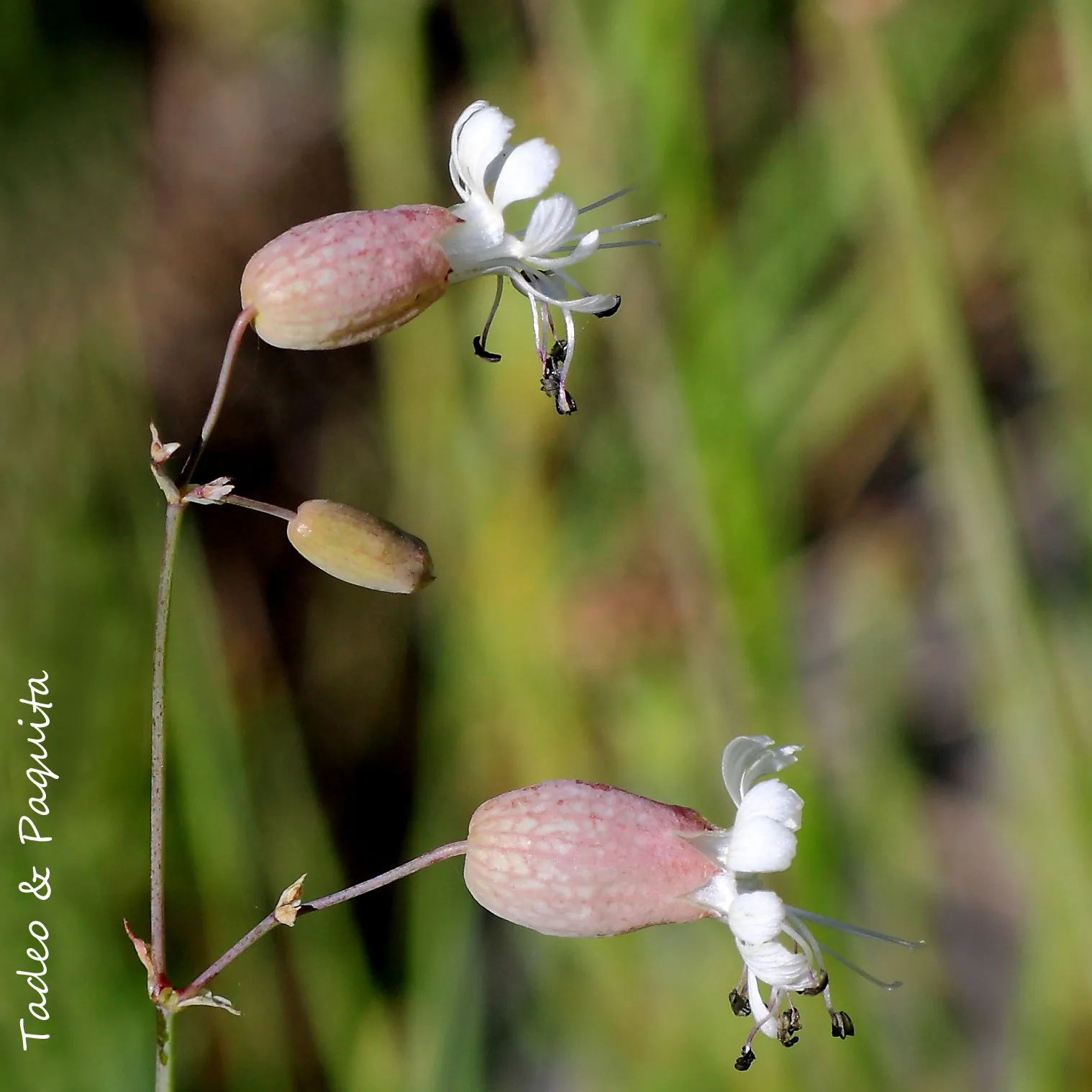
Silene vulgarisbladder campionCaryophyllaceae
T
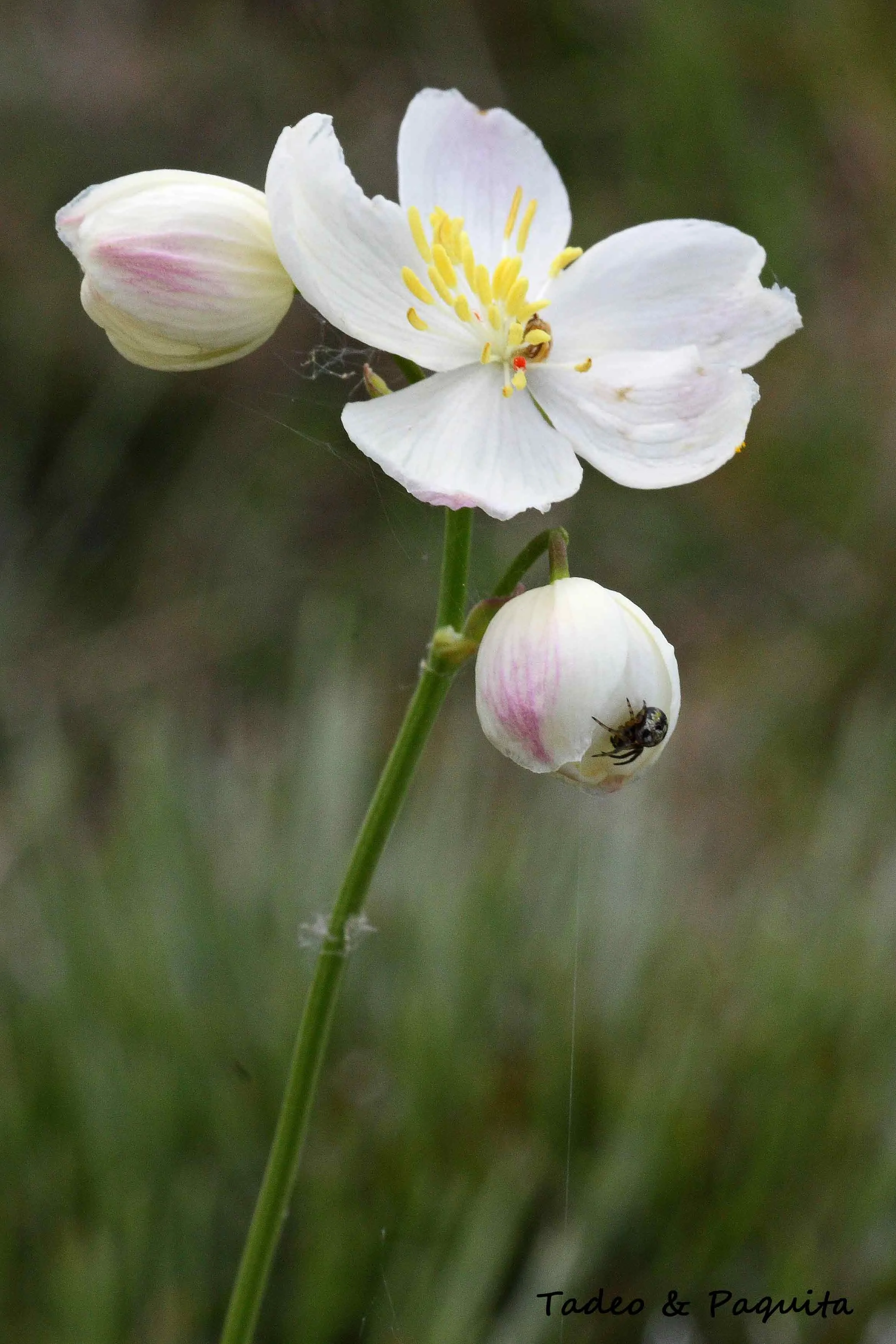
Thalictrum tuberosumRanunculaceae 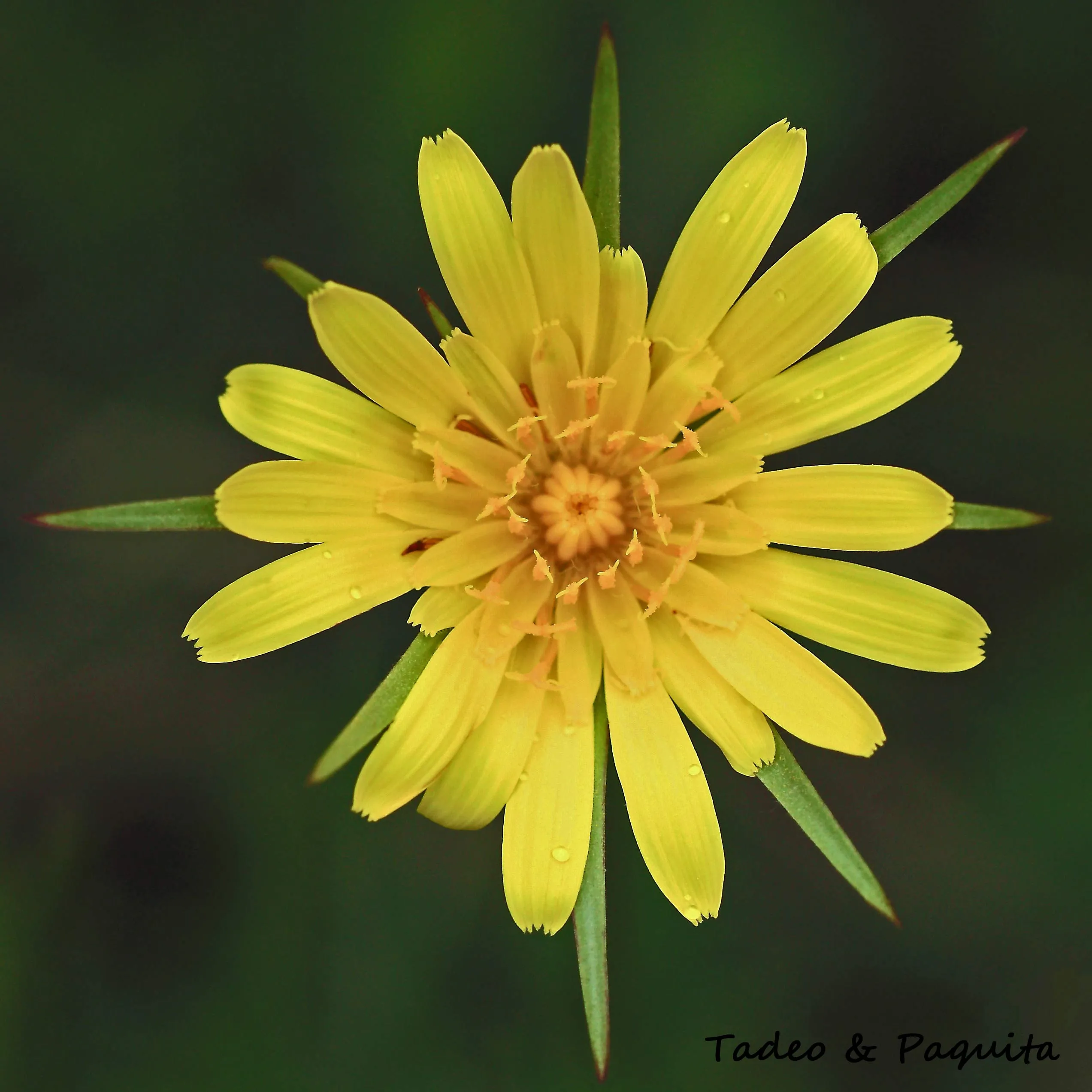
Tragopogongoat's-beardAsteraceae 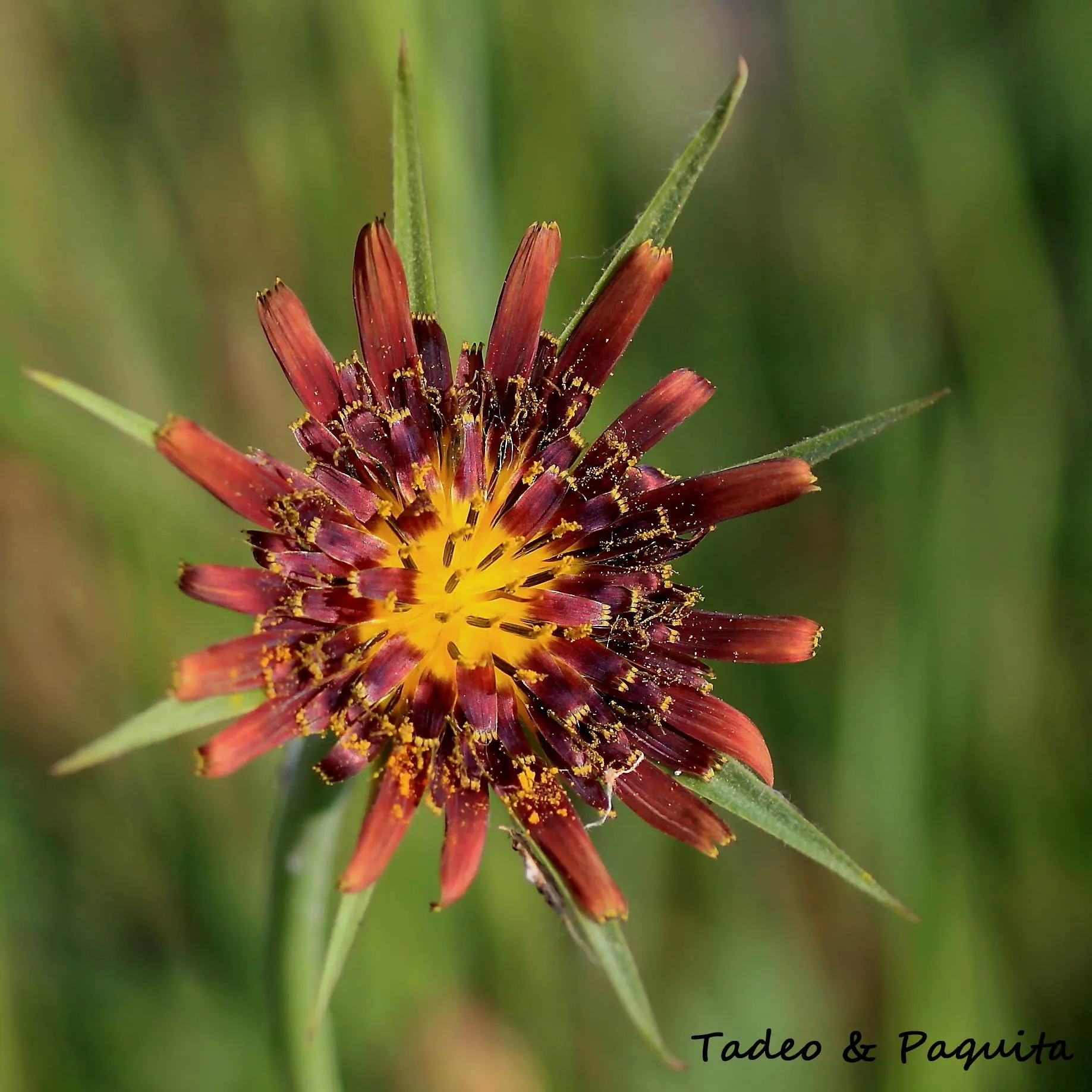
Tragopogon crocifoliusgoat's-beardAsteraceae
U
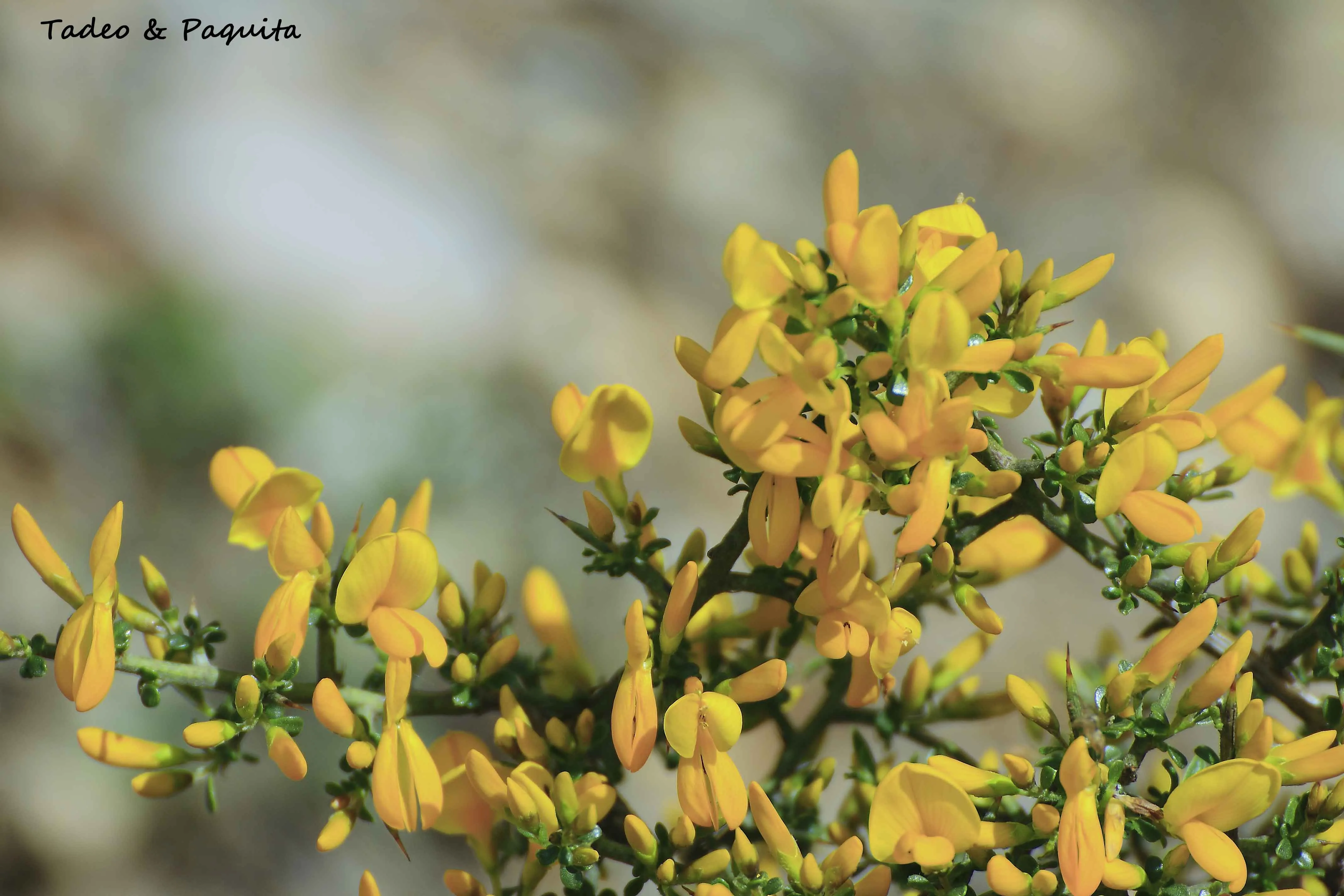
Ulex parviflorusMediterranean gorseFabaceae 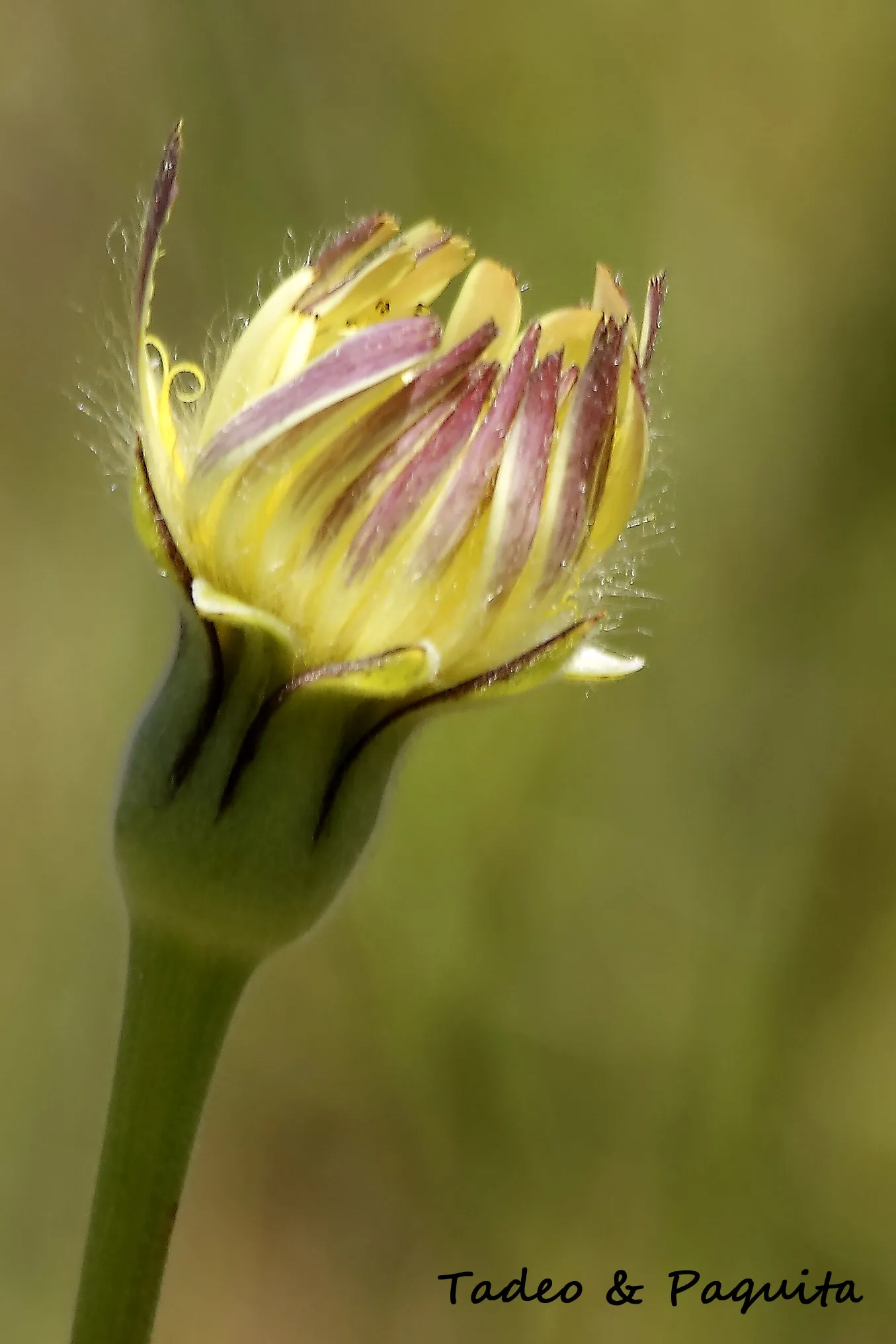
Urospermum dalechampiiAsteraceae
V
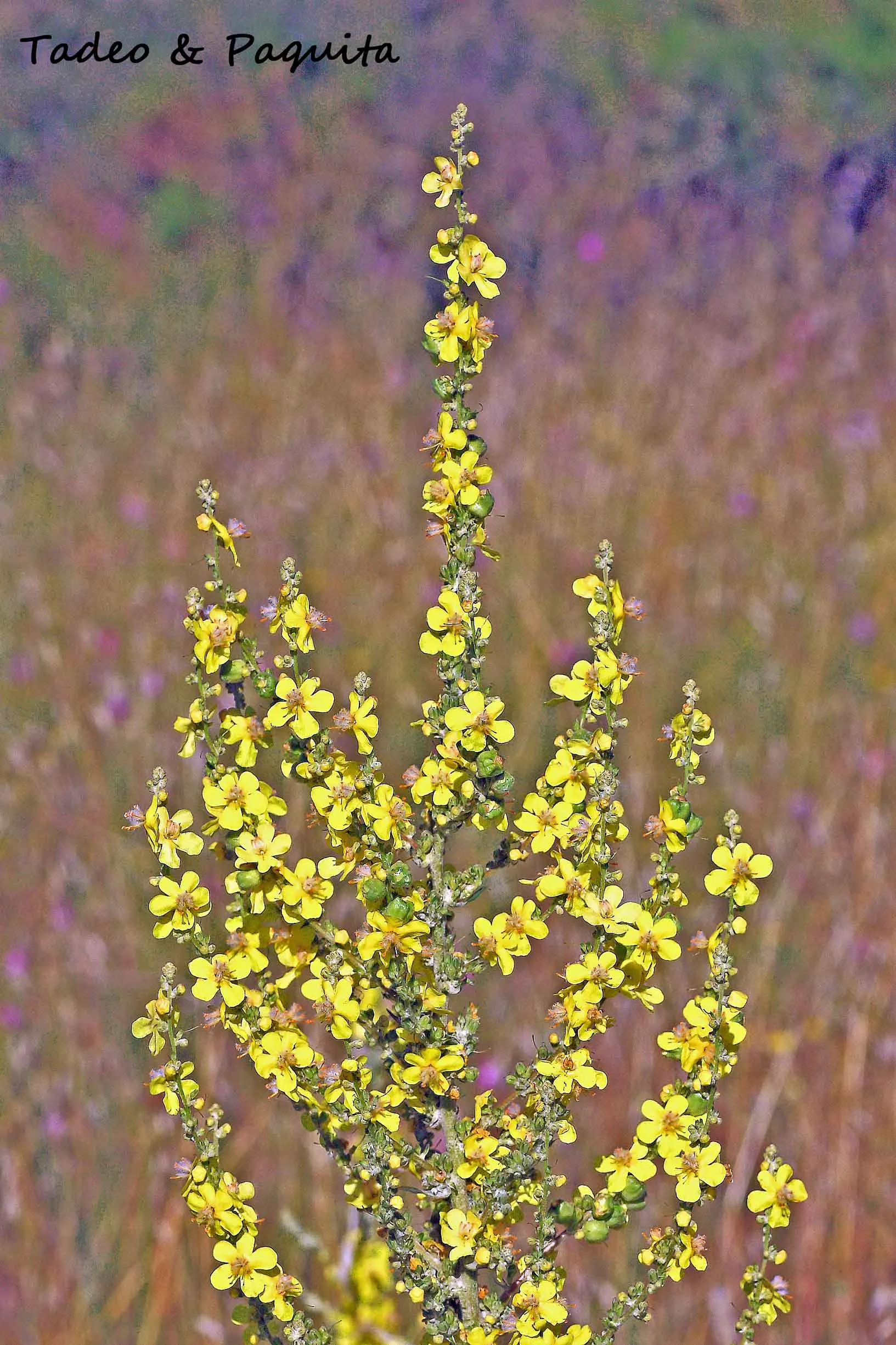
Verbascum pulverulentumhoary mulleinScrophulariaceae 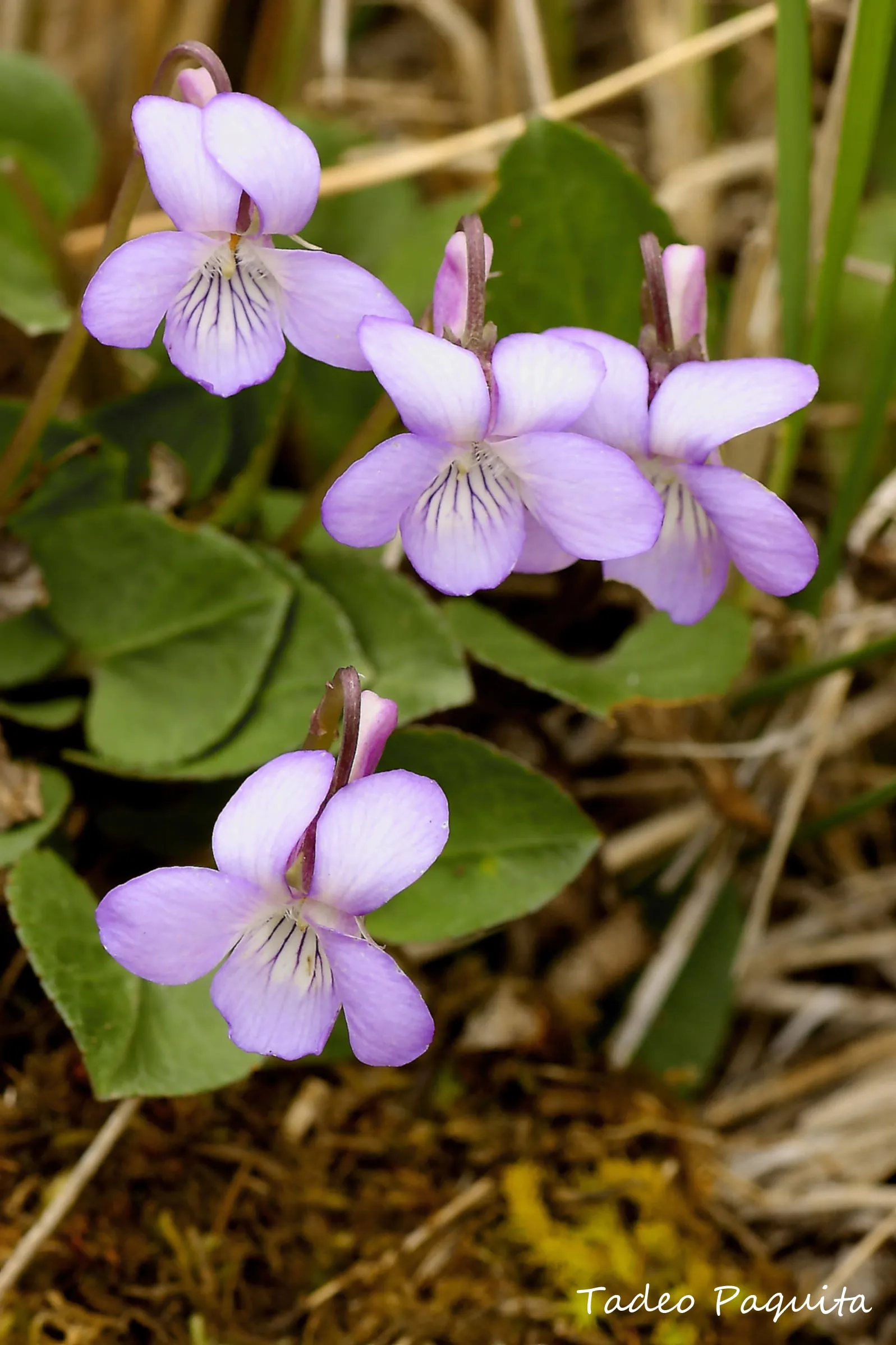
Viola sylvestriswood violetViolaceae
No flower matches your search.
More in Flora
See the whole sectionThe trees
The longest-lived of living things
Scots and black pines, holm oaks, Portuguese oaks, hazels, elms and service trees. The commonest trees of the area, one by one.
Wild orchids
Eight kinds on the terraces of l'Arribassada
Less showy than their tropical relatives, but more delicate and subtle. Some, like the Ophrys, are trap flowers that mimic bees.