Moths
The first moth of the season
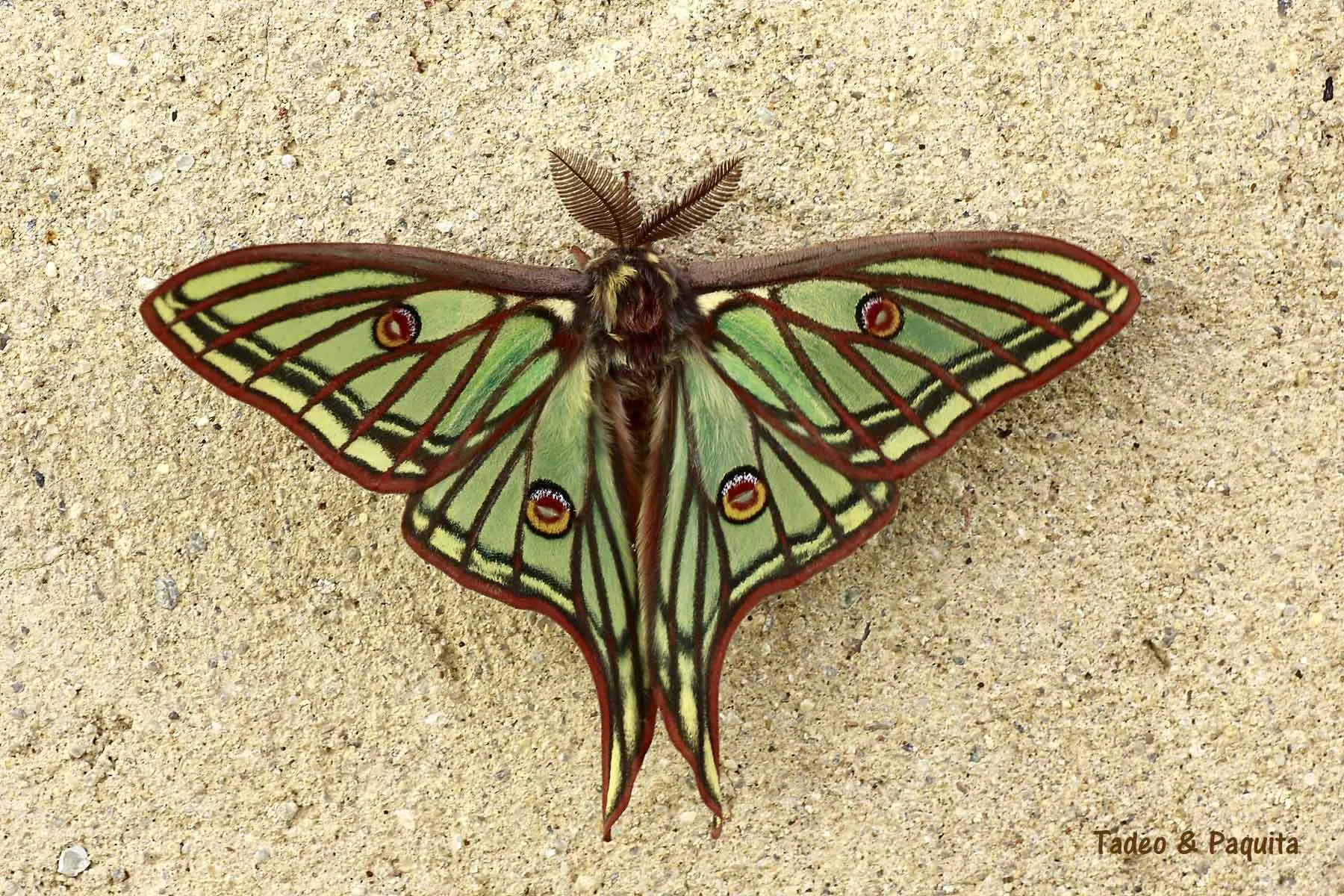
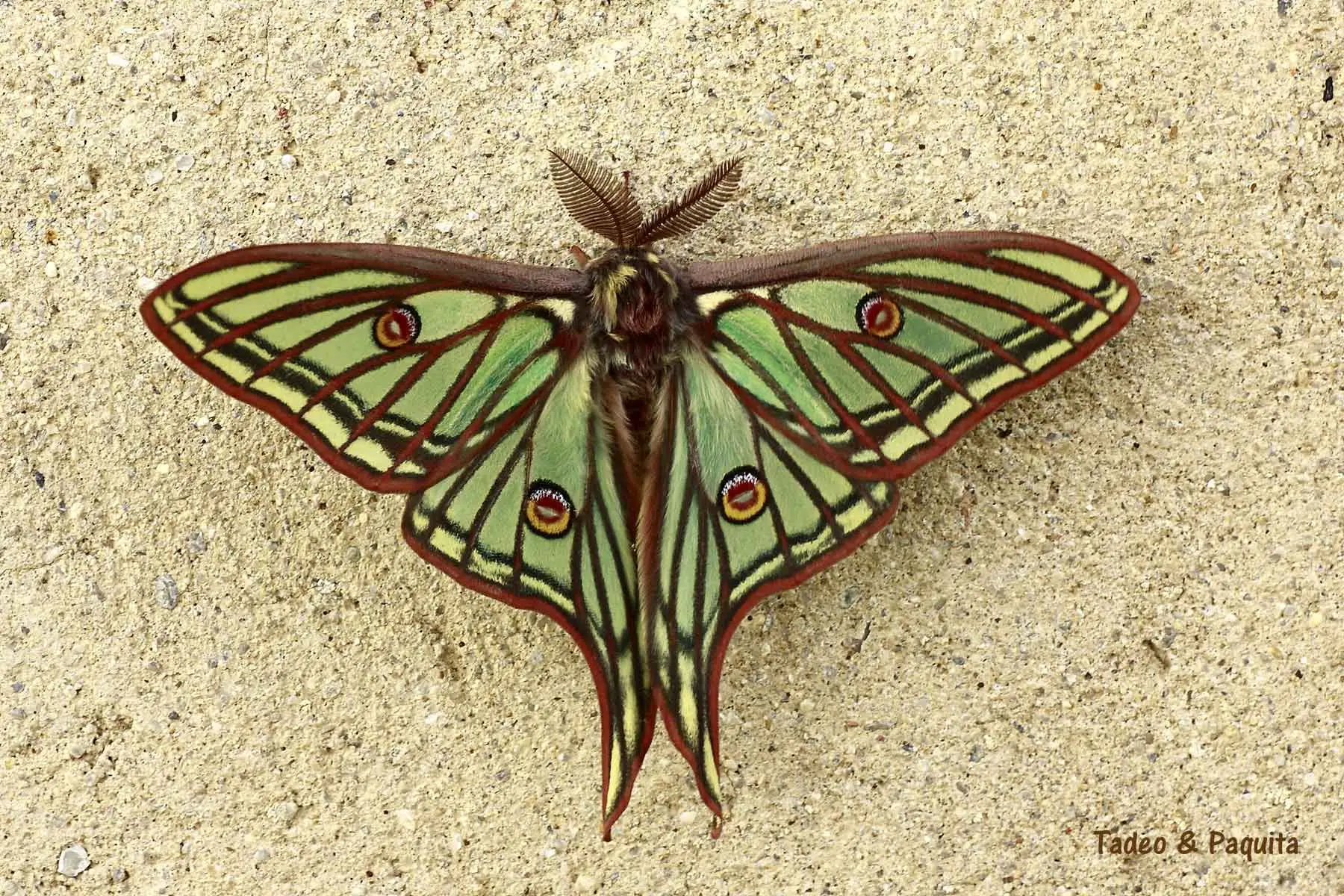
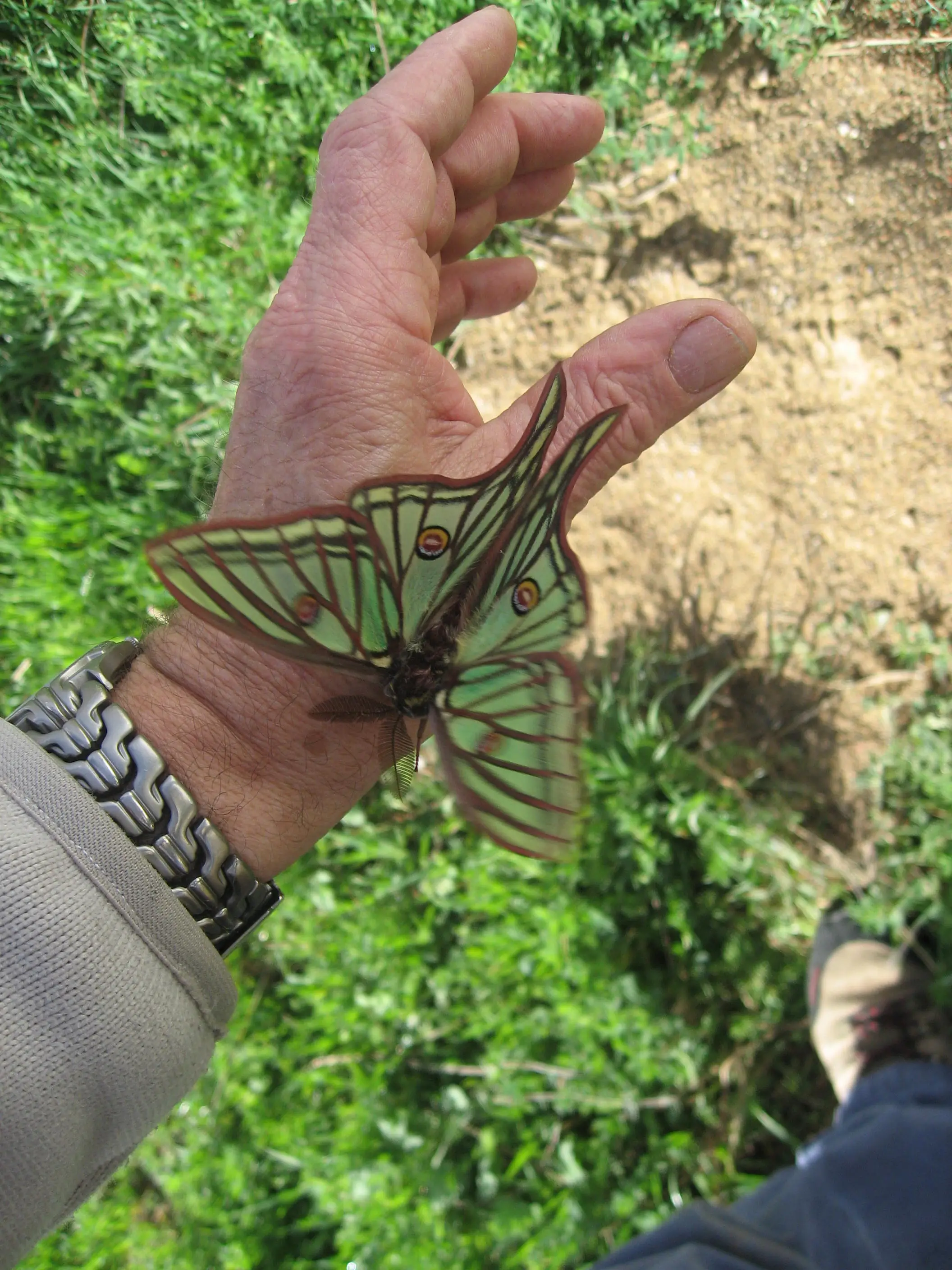
A Graellsia isabellae almost as big as a hand, found at seven in the morning at the dels Bassis spring, and other moths of the rambla.
Along the banks and fallow fields, with the last rains, the grass has grown tall; you have to walk carefully, because everything is full of plants, as well as pine and juniper seedlings. In the morning you can still get a photograph or two of the butterflies, but once the sun starts to bite it is very difficult.
Moths have antennae of various kinds, but never clubbed like those of day-flying butterflies. Night-flying moths, besides their habits, have a thicker body and a hook-shaped projection on the inner edge of the hindwings.
Graellsia isabellae
When I saw this moth it was seven in the morning, at the dels Bassis spring (Cinctorres). It had just stopped raining and it blended in with the plants of its own colour. My brother picked it up and I was able to take several photographs on his hand, where you can see its size. Little by little, with the warmth it received through his skin, it began to move and, shortly after the sun reached it, to fly. It is of a surprising beauty and perfection. The specimen in the photograph is a male; the females have a rounded tail.
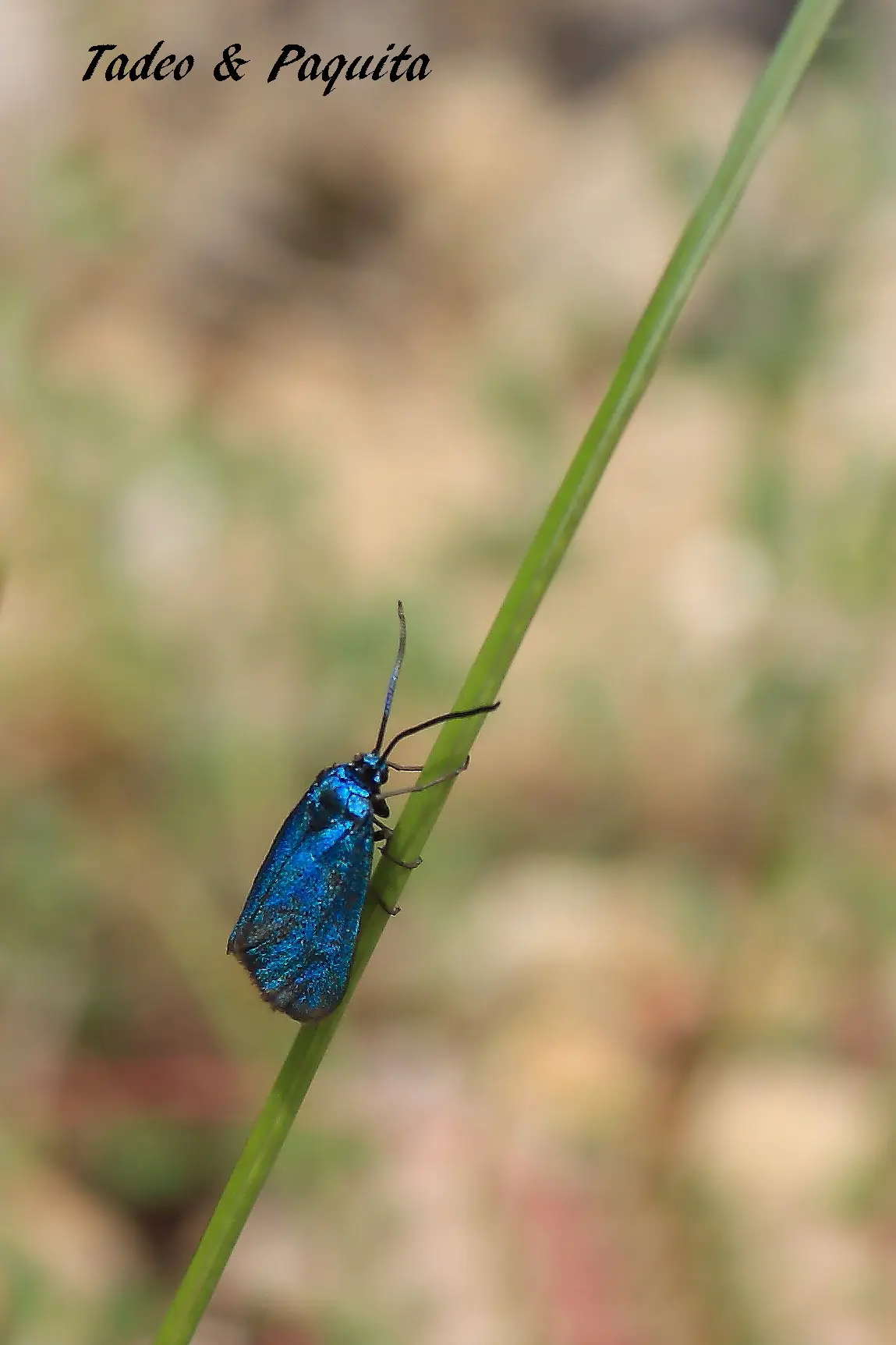
Adscita statices
Also known as the forester. This showy blue moth is found only in dry grassland, in July and August.
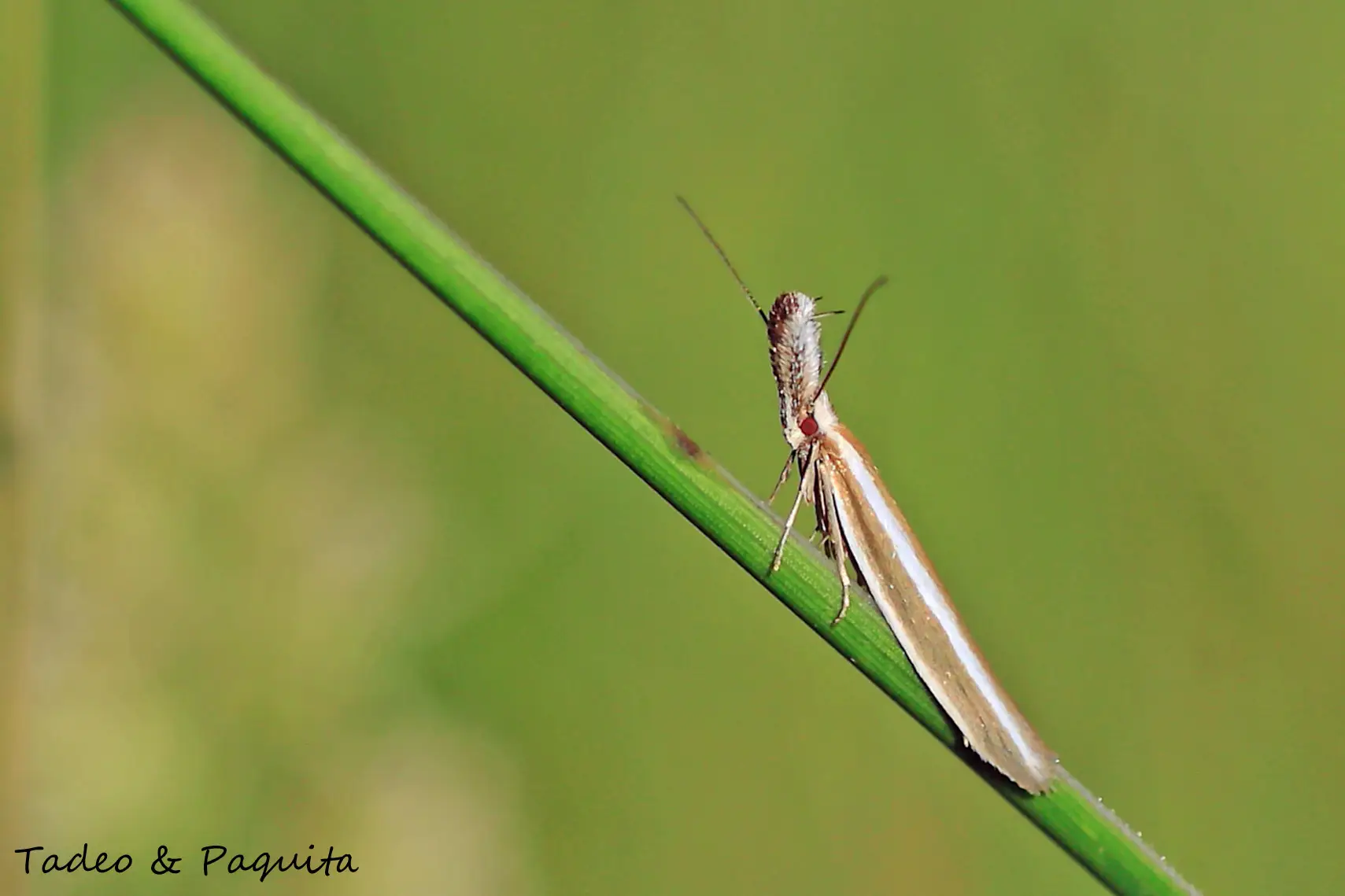
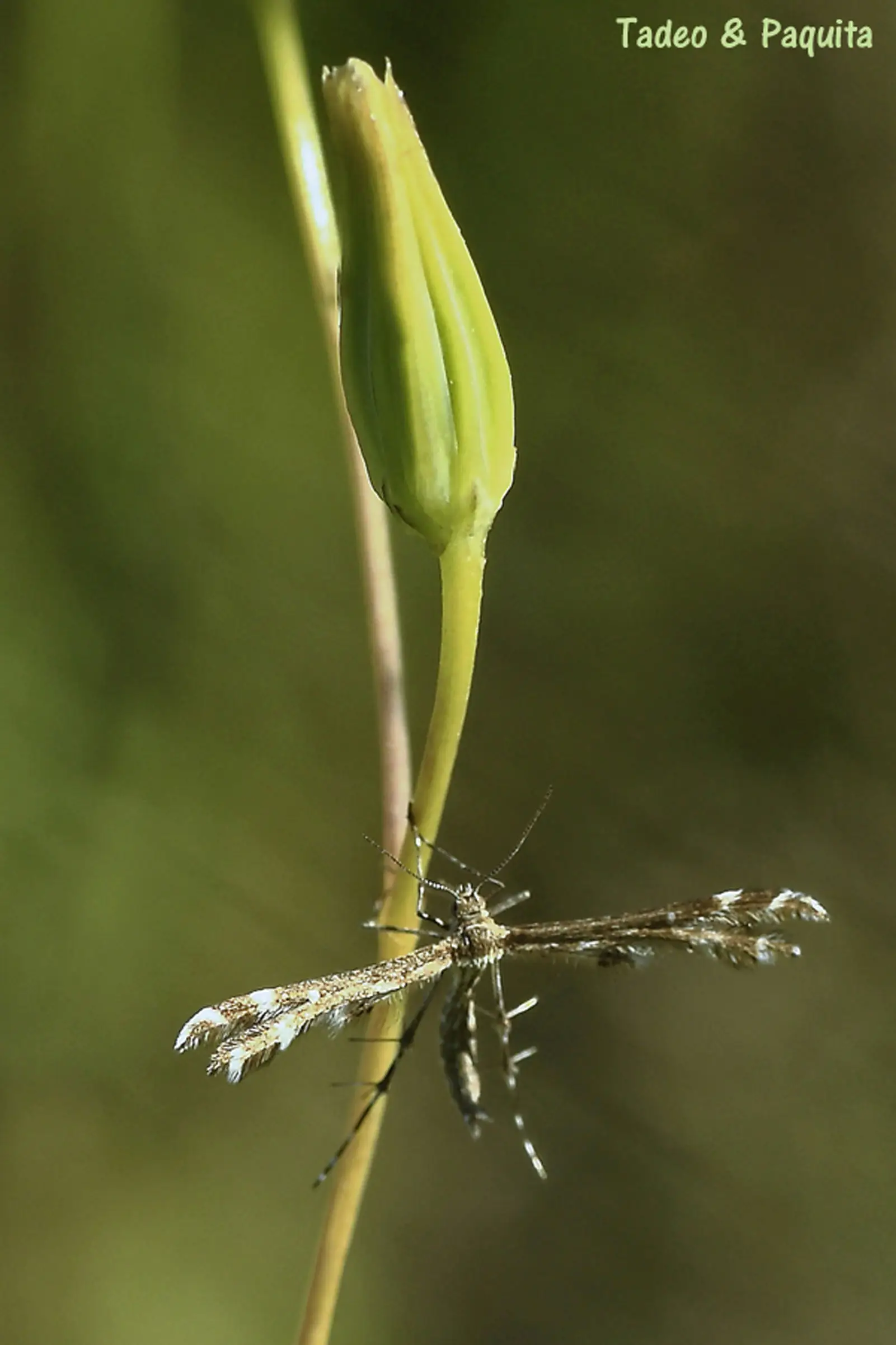
Capperia britanniodactylus
This interesting and little-known moth was hard for me to identify; we had not seen it around here before. At first I thought it was the better-known white plume moth, but they have nothing in common, as the colour is different.
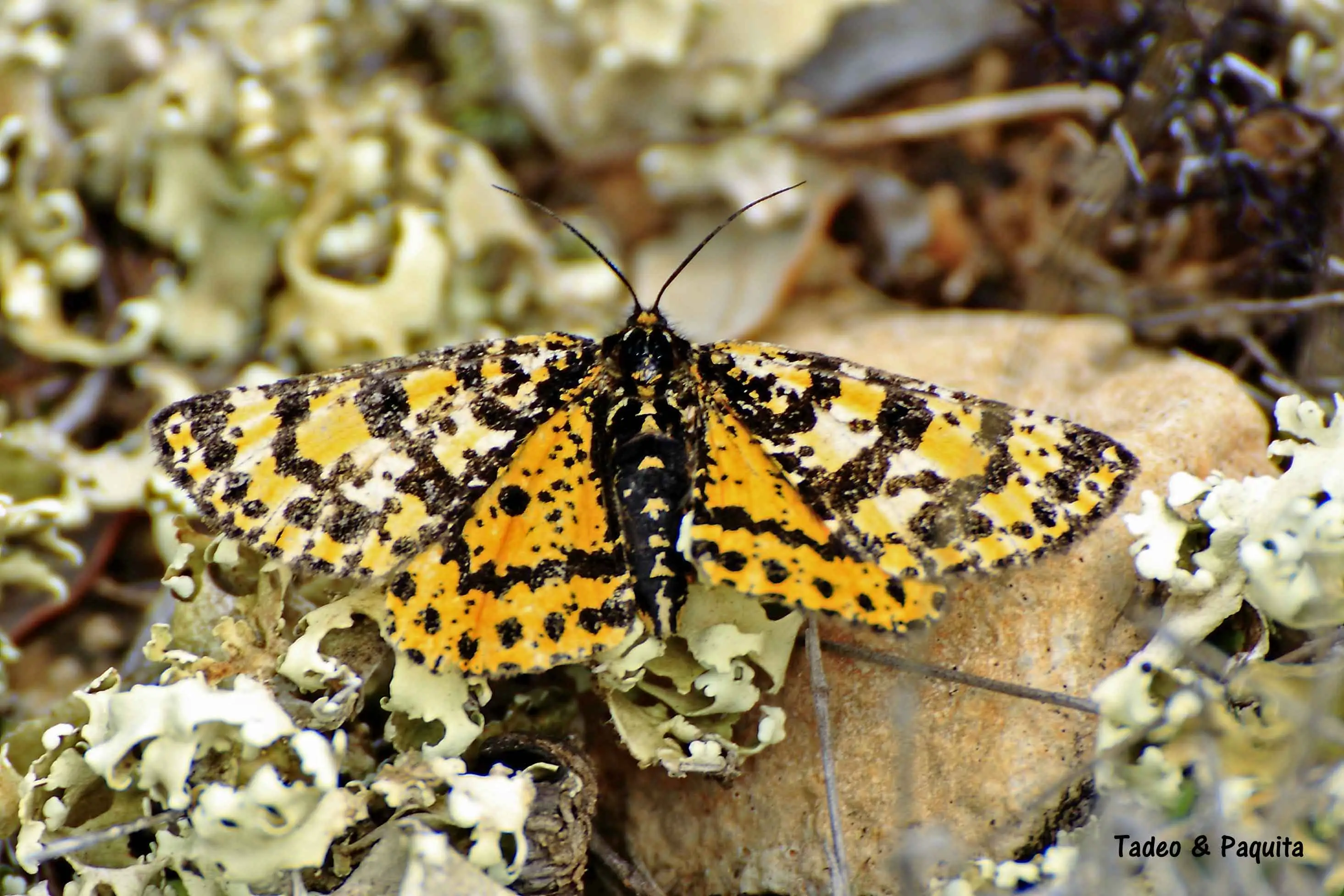
Eurranthis plummistaria
It can be seen in kermes-oak scrub and open pine woods. Its forewings are large in relation to its body, and its colours camouflage it very well. We have managed only one picture, as until now it was unknown to us.
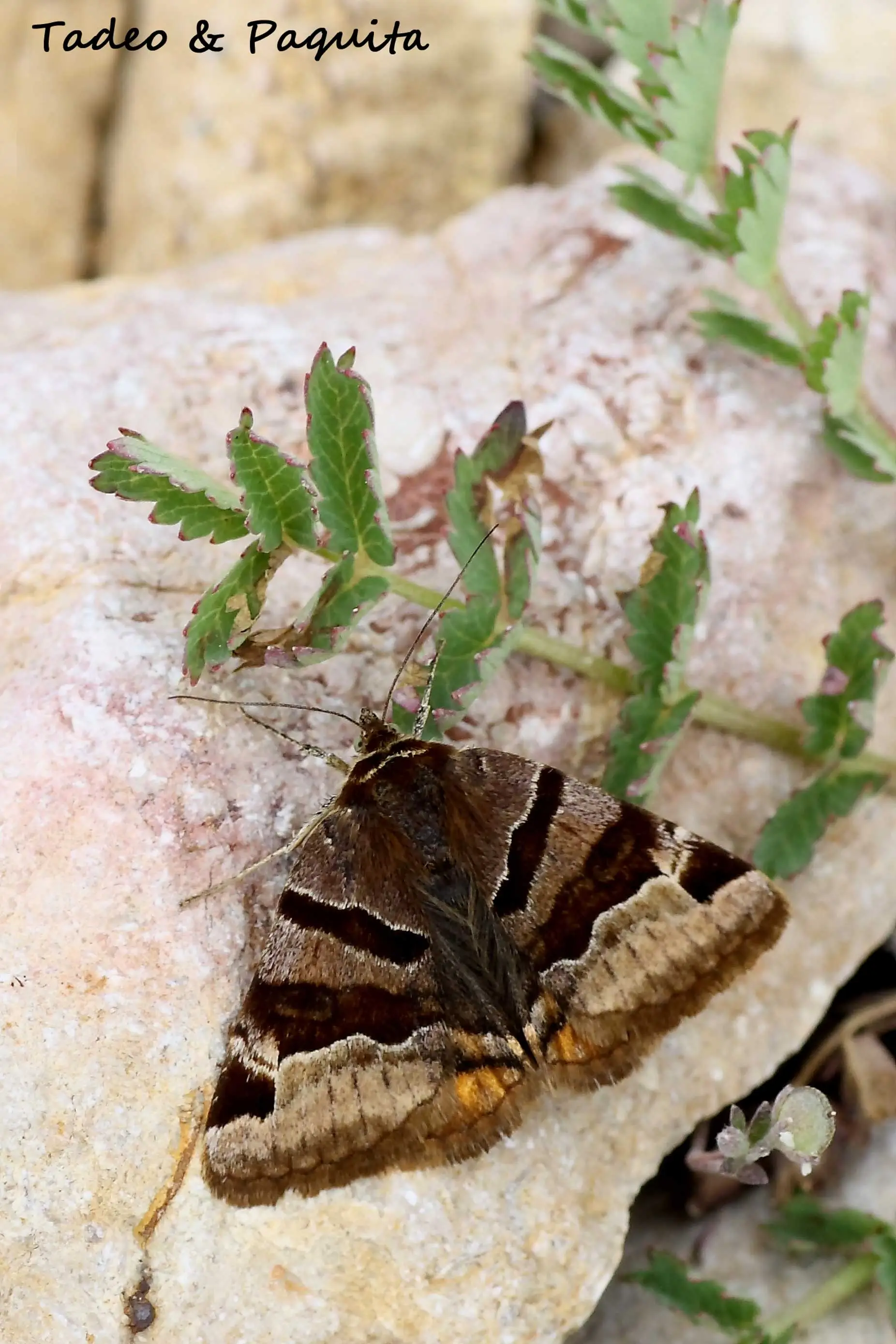
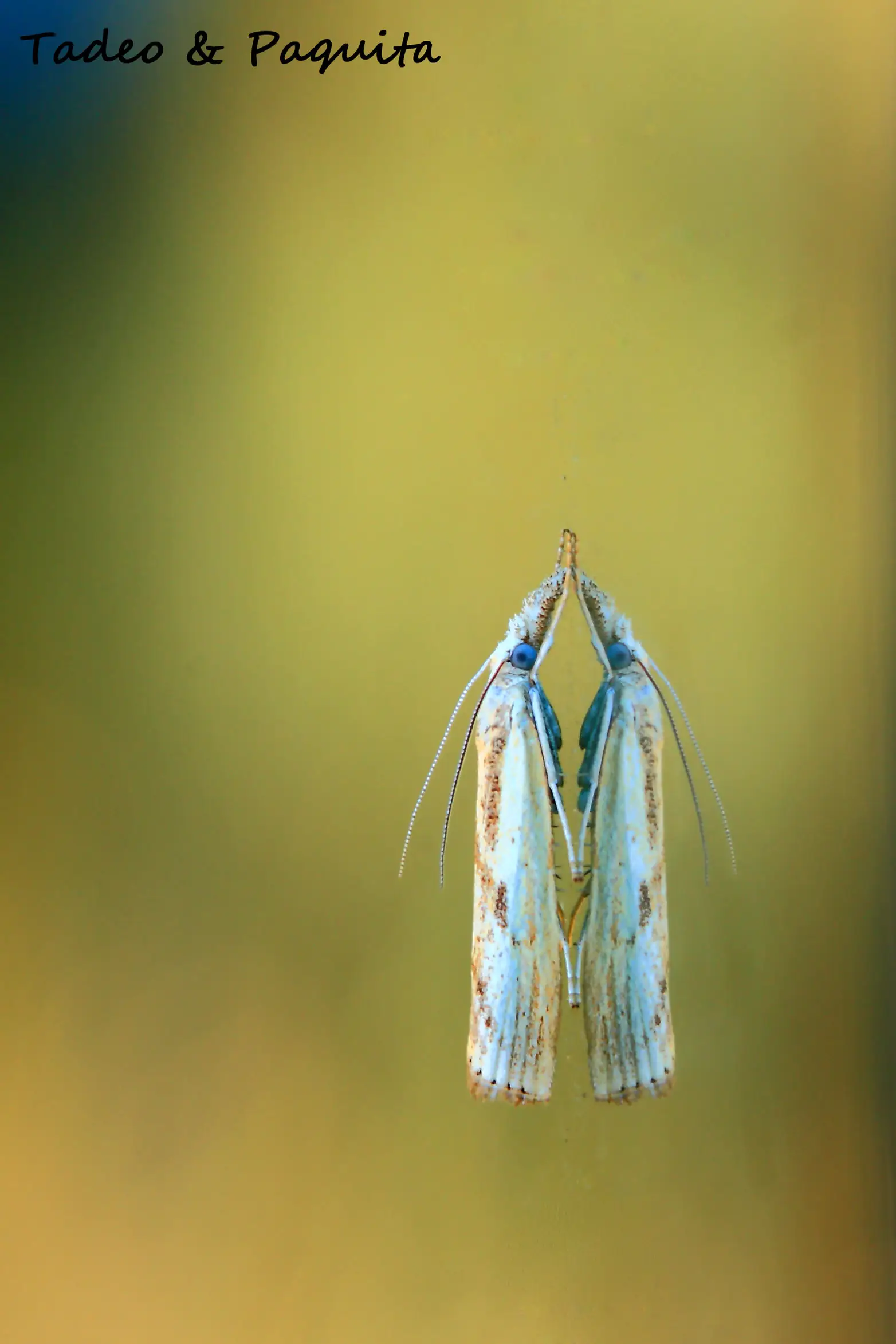
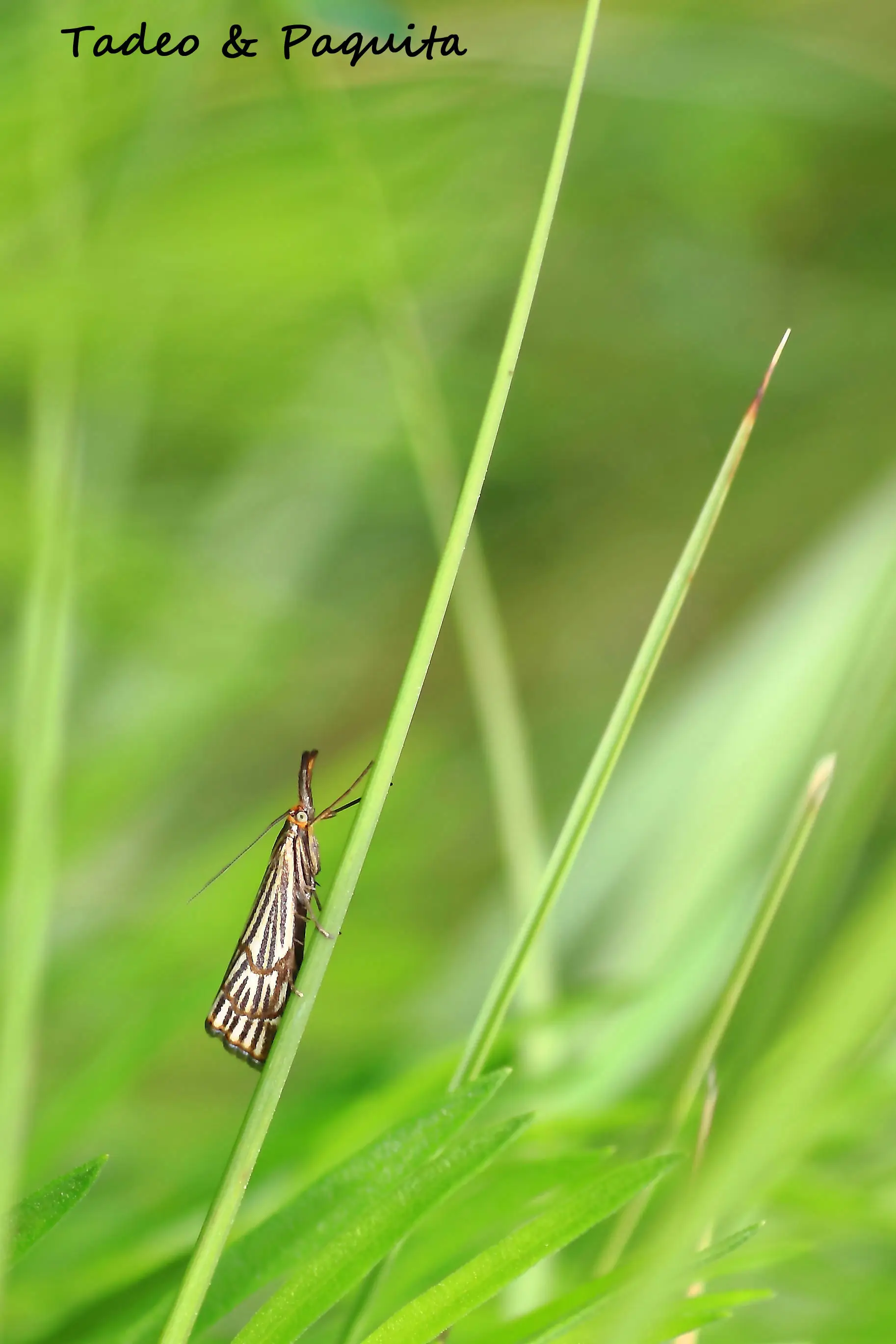
Other moths
More in Fauna
See the whole sectionBirds of prey
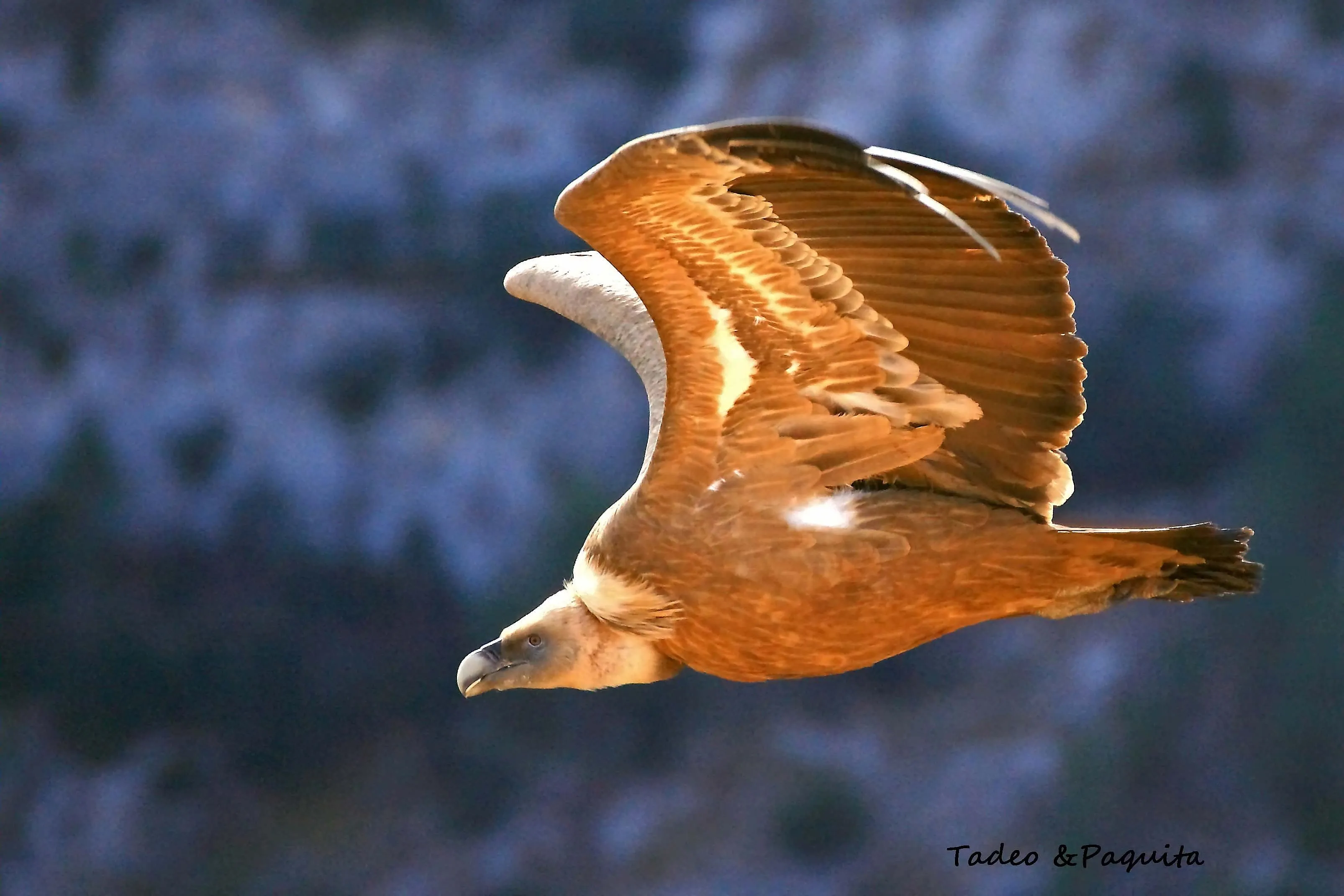
Griffon vulture and peregrine falcon
Several mornings crouched under a camouflage net at the top of the Roca Parda, until they captured the majestic flight of the vultures.
Iberian ibex
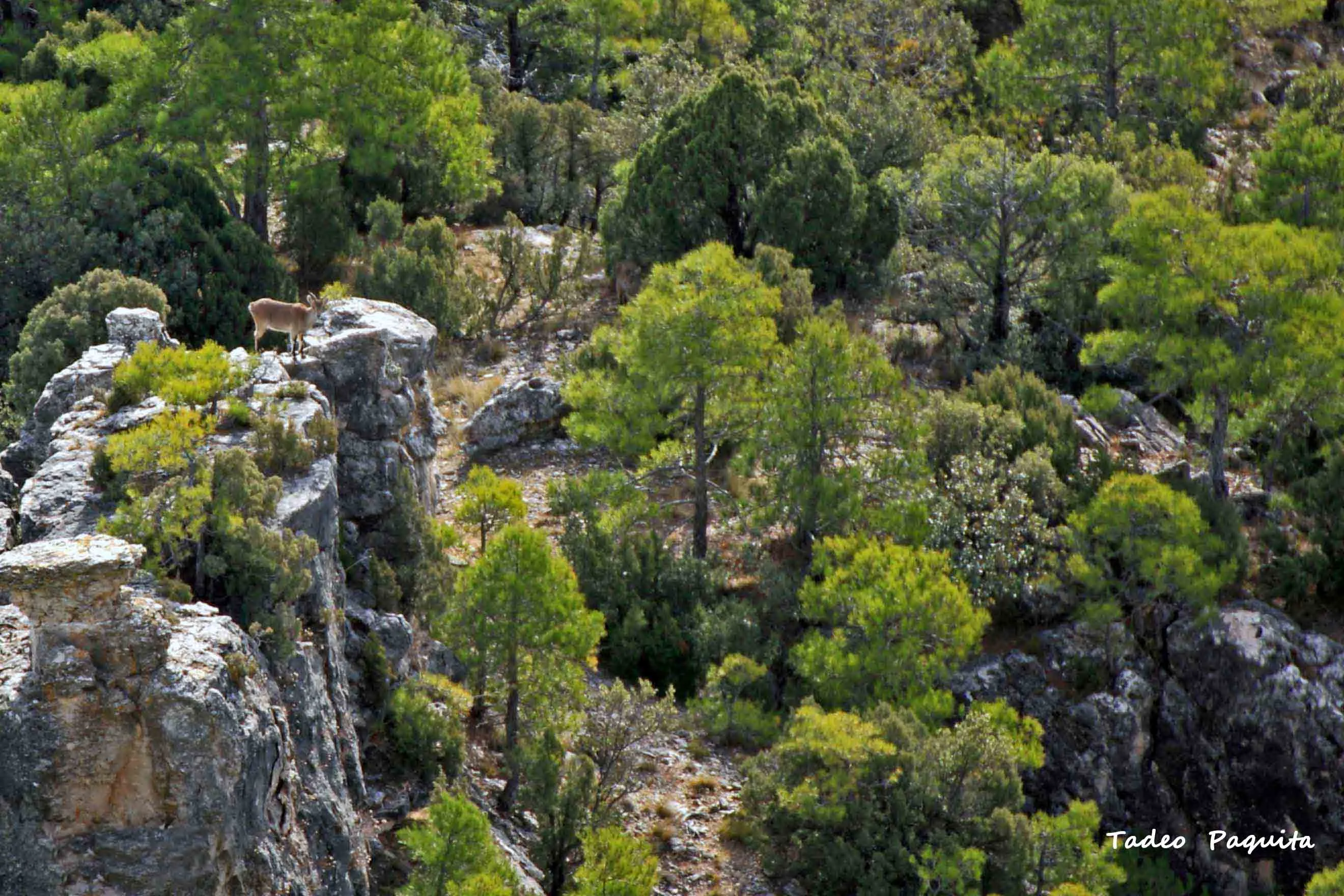
Capra pyrenaica
They climb gorges and crags on the edge of the abyss, and when the group is feeding there is always one on watch. At the first sign of danger, they all run.
Butterflies
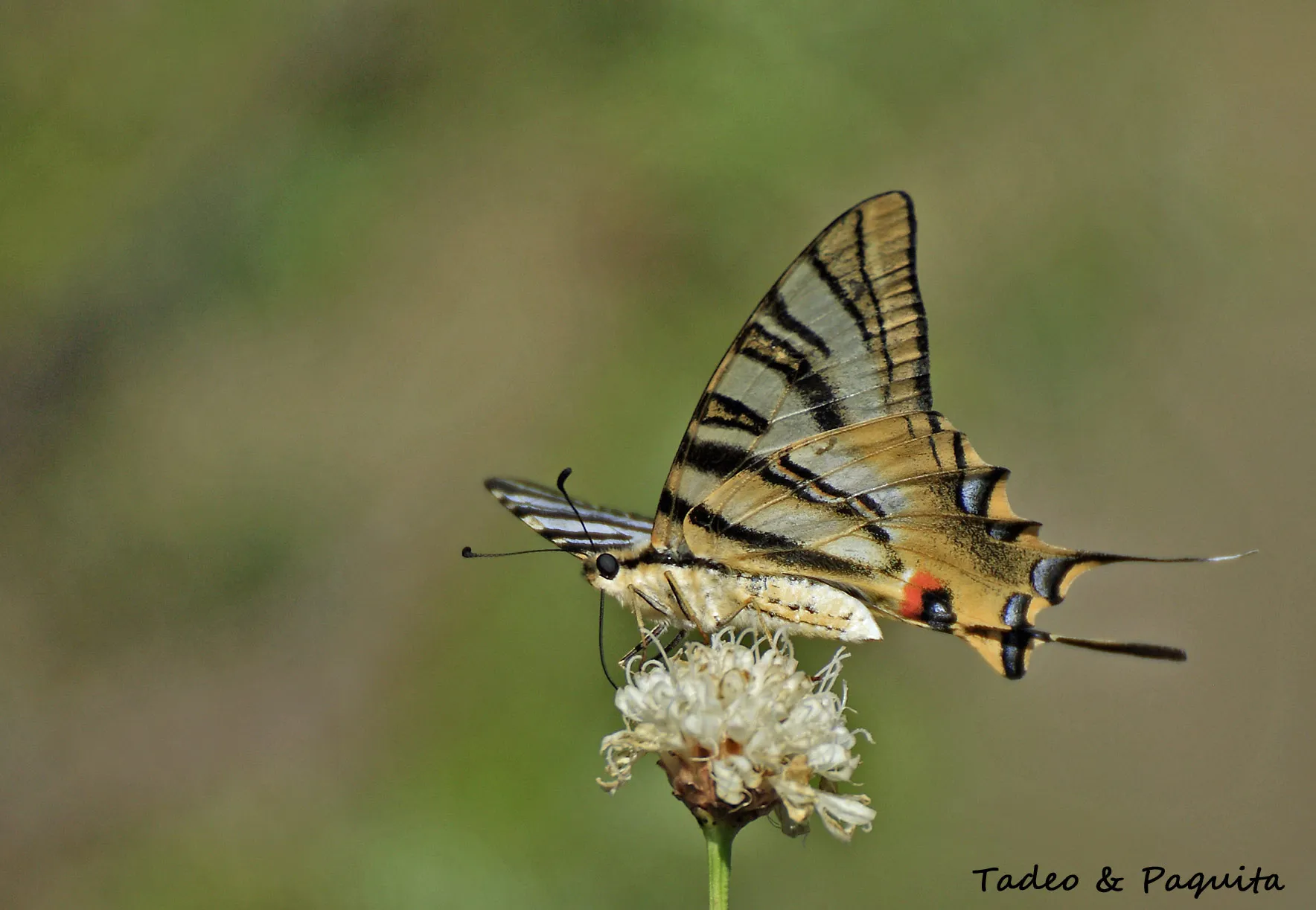
Papallones, palometes
Wings covered in scales and antennae ending in a club. Five families live in the rambla; the nymphalids are the most abundant.