Beetles
Coleoptera
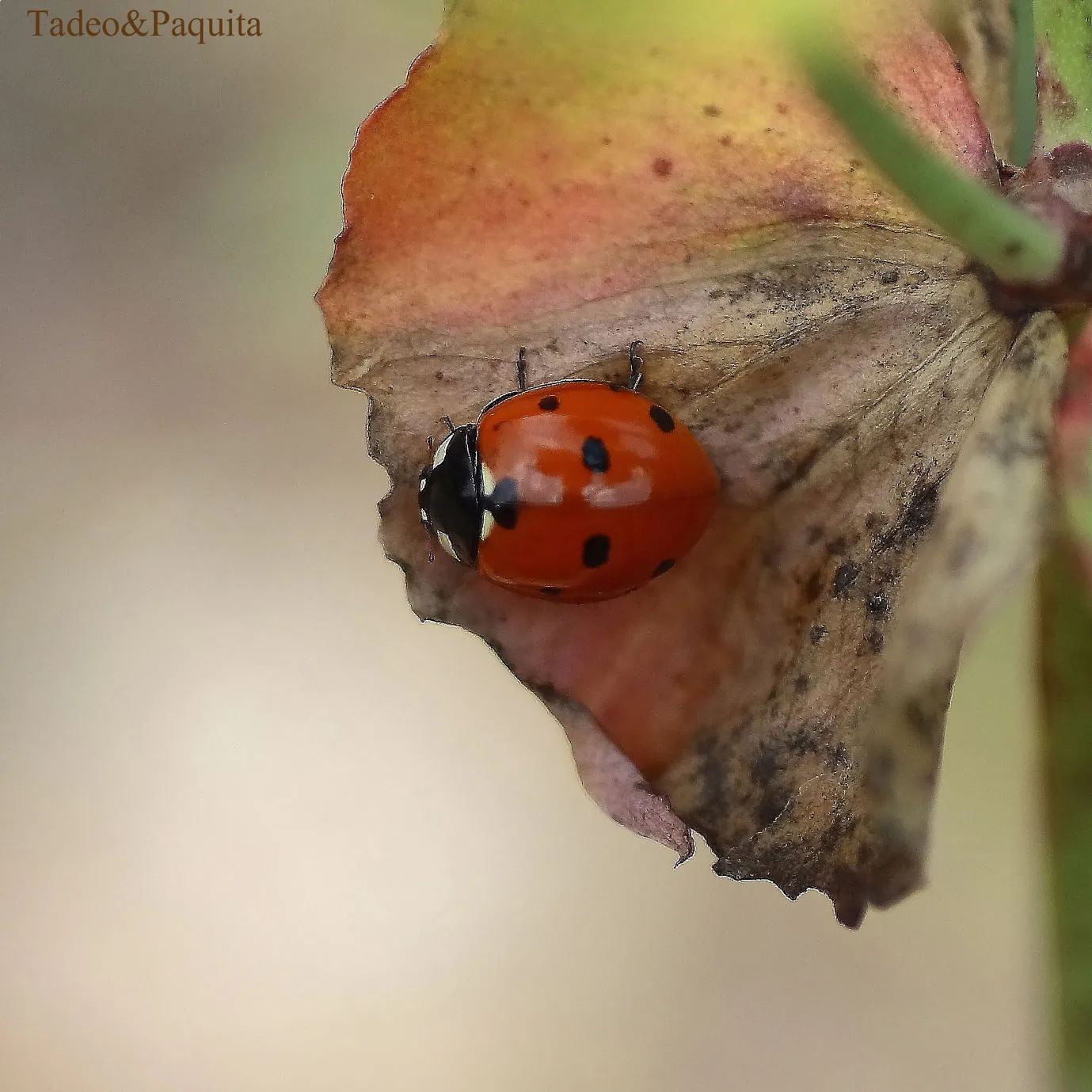
Ladybirds, “beetles of Our Lady” since the Middle Ages, and other colourful beetles that live among the flowers of the rambla.
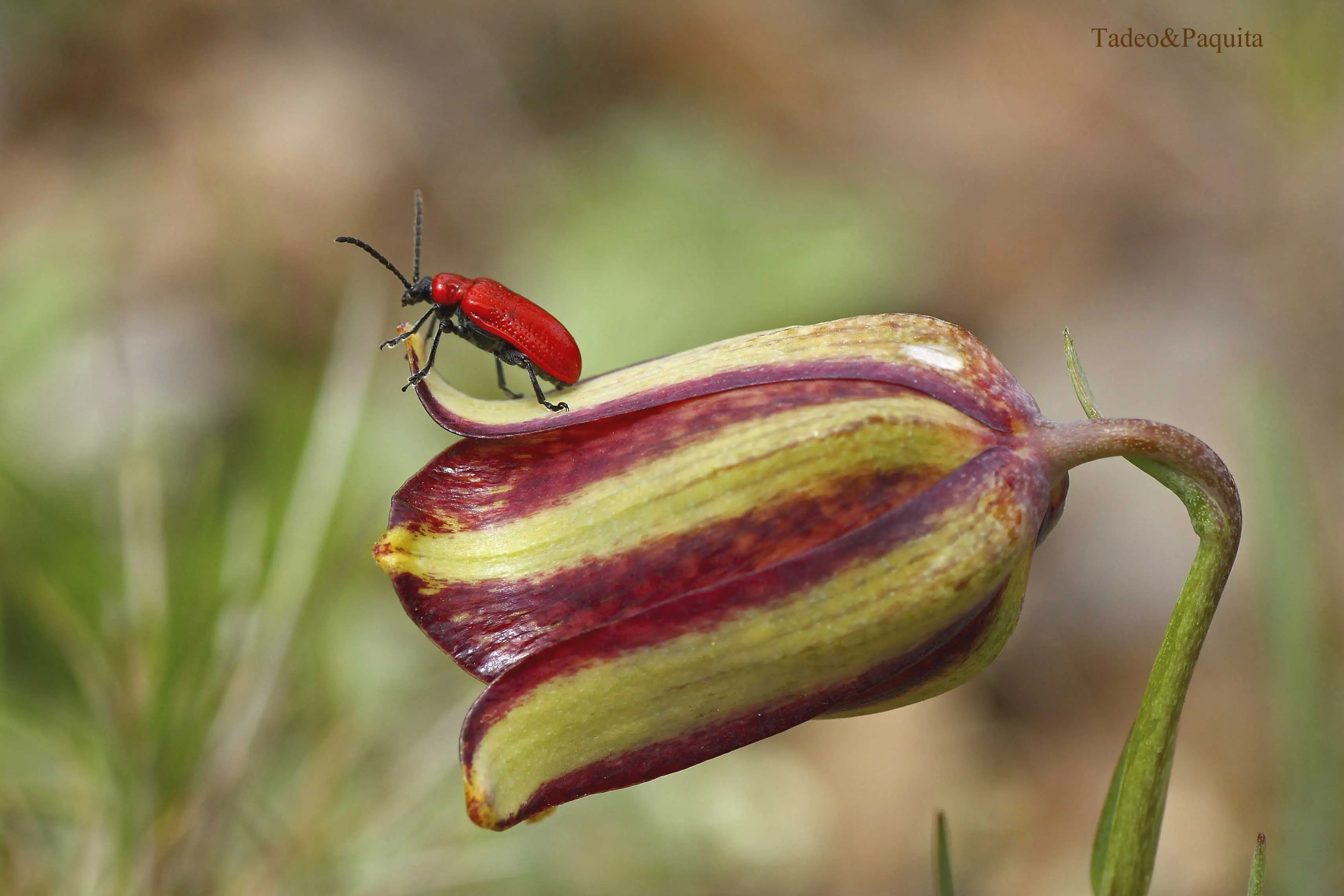
Among insects, ladybirds or coccinellids enjoy people’s affection in every country: they feed on such harmful insects as aphids and, in general, are very beneficial to agriculture. The many popular names for these insects show how well known they are.
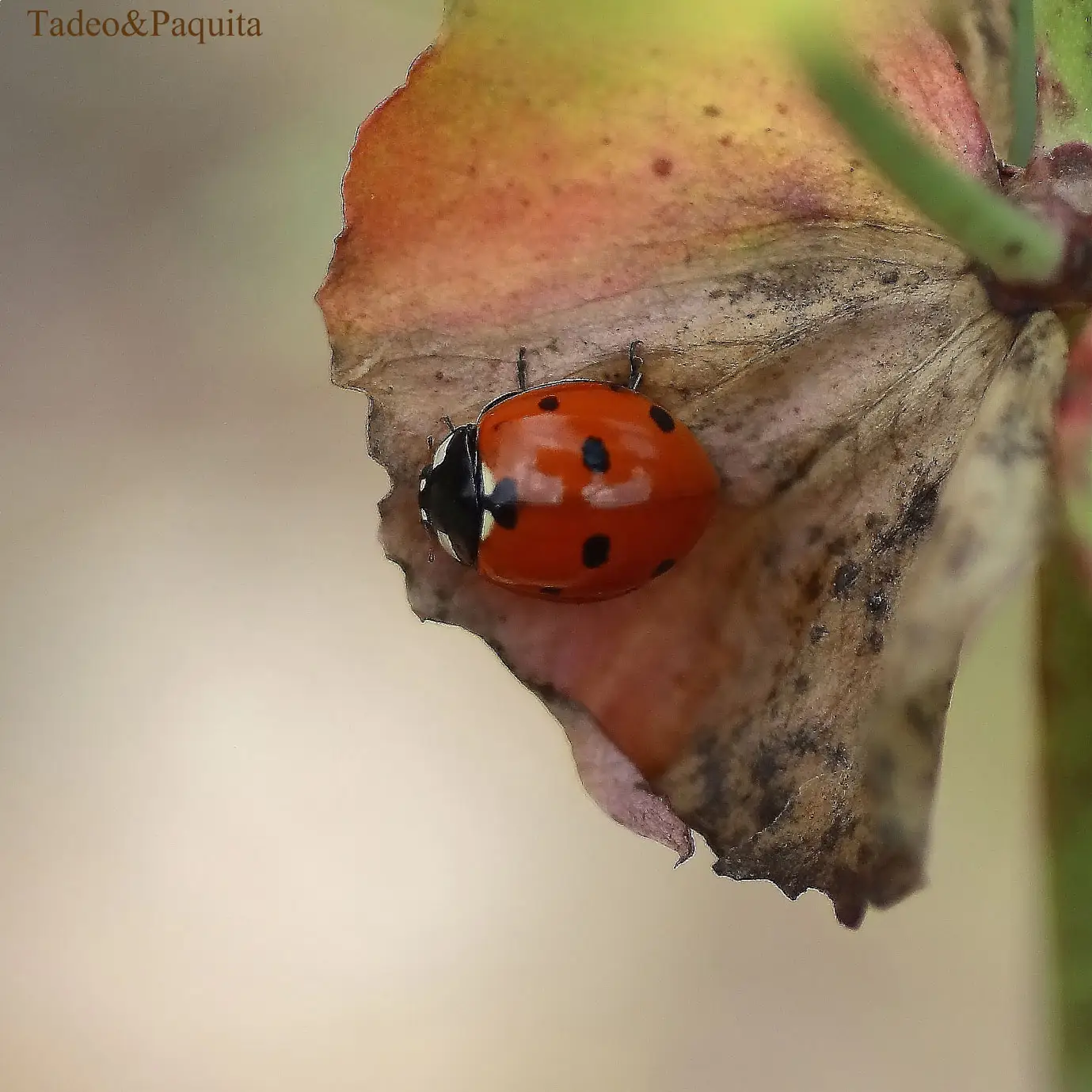
Their name goes back to the Middle Ages, when they were placed under the protection of the Virgin Mary and called “beetles of Our Lady”; in Italy they are known as “Our Lady’s little hens”, in Germany as “God’s little sheep”, in England as “Our Lady’s birds” and in Spain as mariquitas. All the adults lie dormant through the winter: they can be found buried under dry scrub or in the cracks of holm oaks, piled one on top of another in great numbers in their winter shelters.
Myrrha octodecimguttata
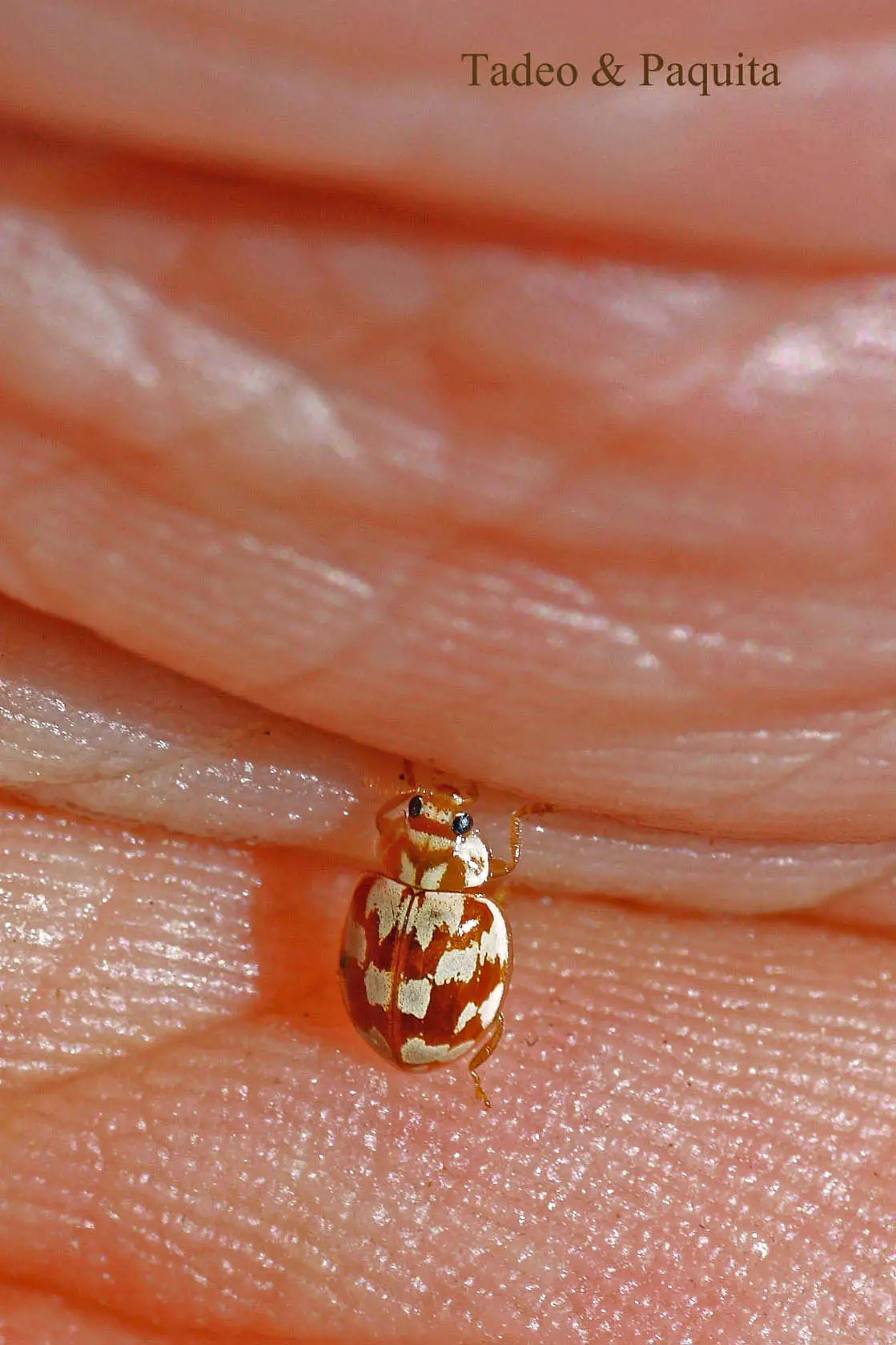
A beetle of the coccinellid family, like the ladybirds. In this part of the Els Ports region it is very rarely seen; in fact, this was the first time I had seen and photographed it.
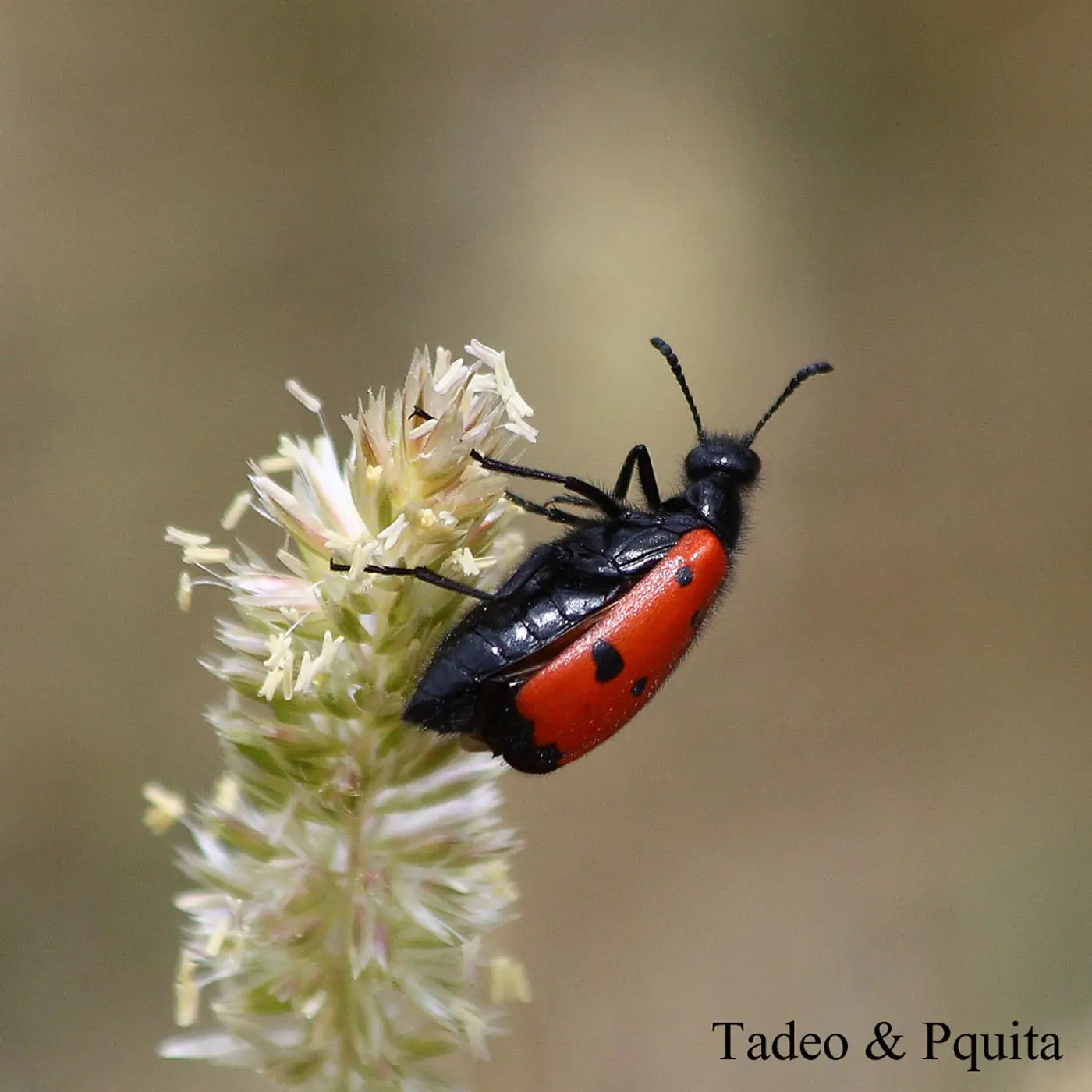
Lachnaia tristigma
Commonly known as the six-spot beetle. It belongs to the family Chrysomelidae; it is not like the ladybirds, although its colours make it look so.
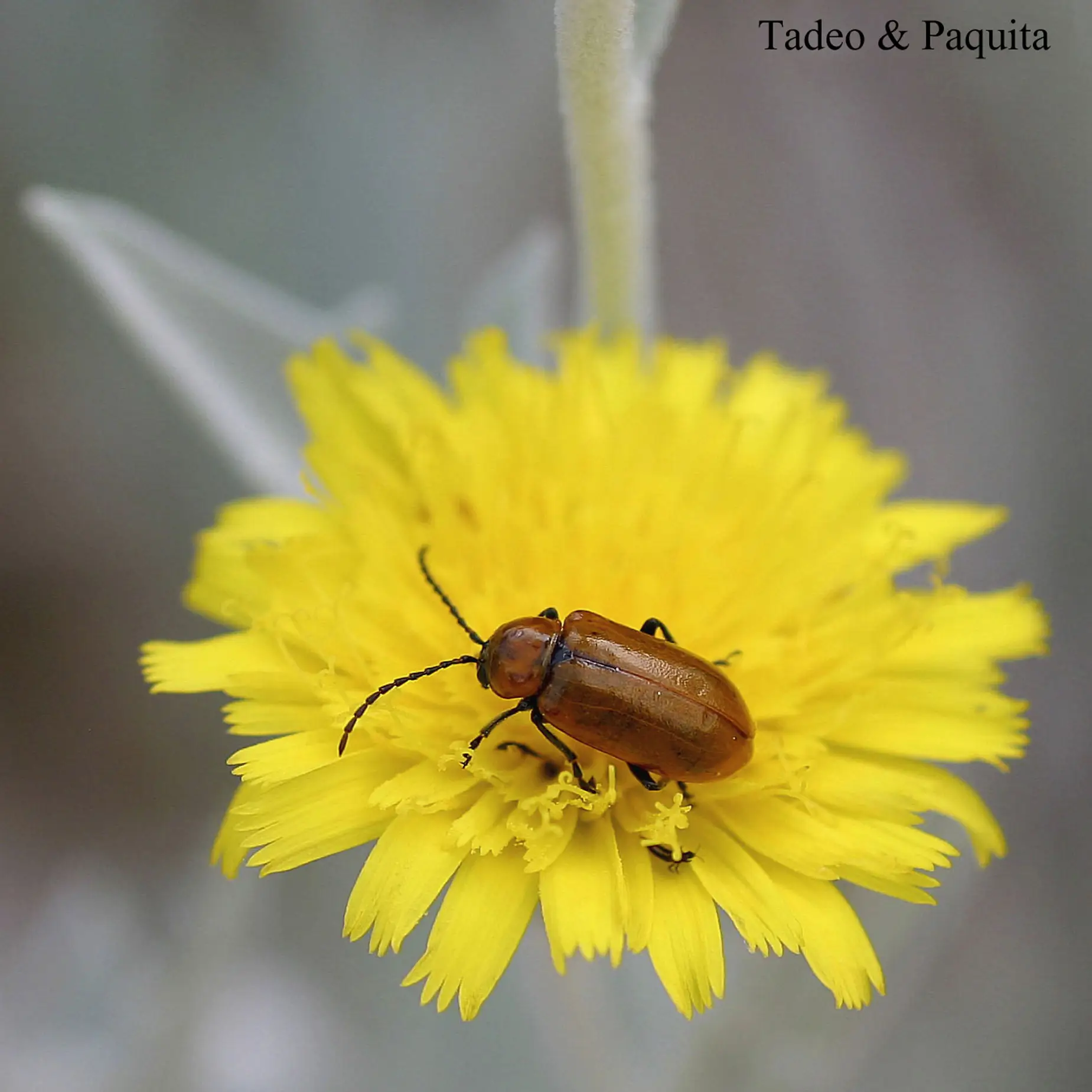
Exosoma lusitanicum
The last day we went out into the countryside, many yellow flowers had a specimen sipping nectar, its coppery colour standing out strongly against them.
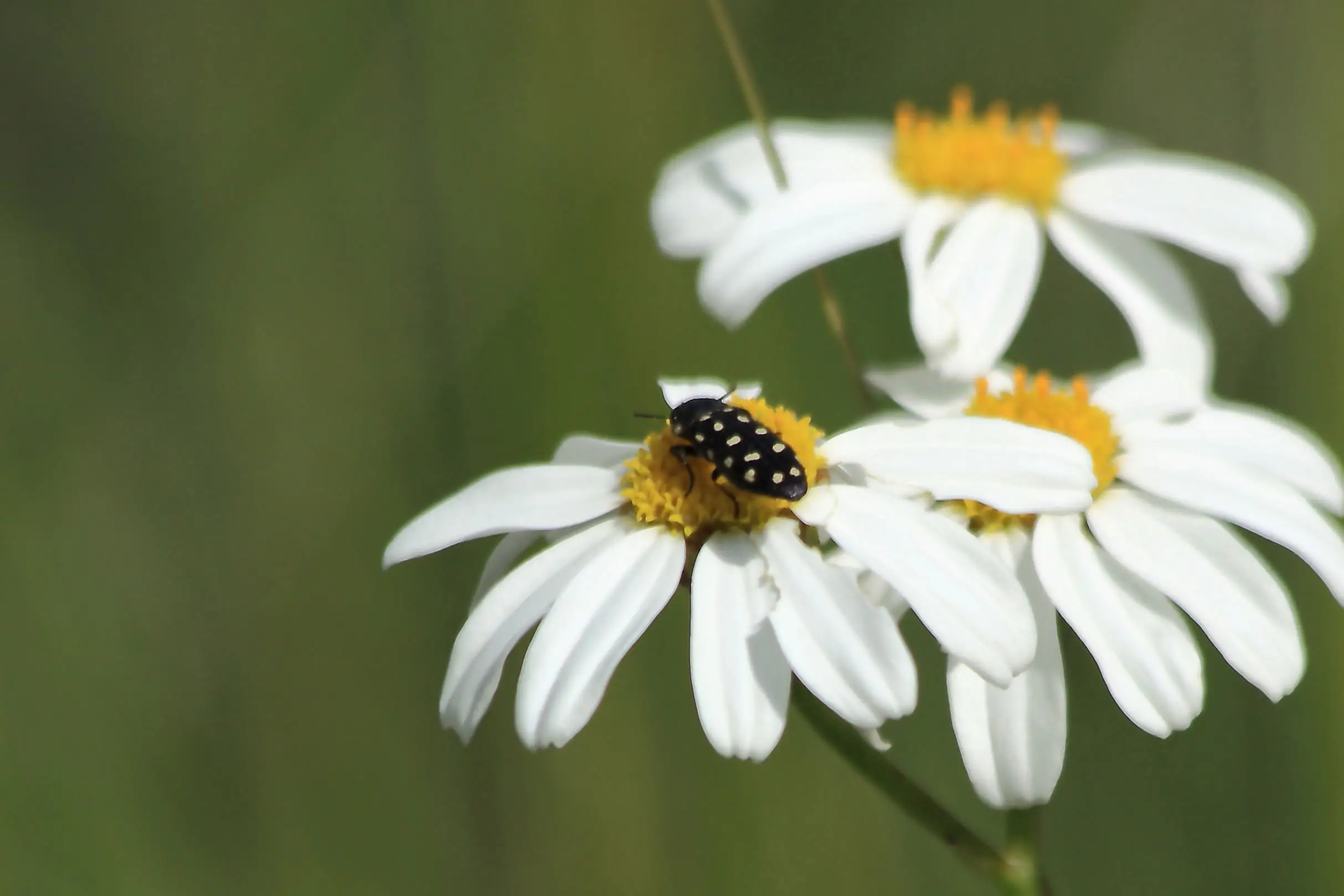
Acmaeodera degener
Also called the fourteen-spot beetle, it is very showy and little appreciated, as it feeds on the wood of oaks and holm oaks. It stands out strongly among flowers of various colours.
More in Fauna
See the whole sectionBirds of prey
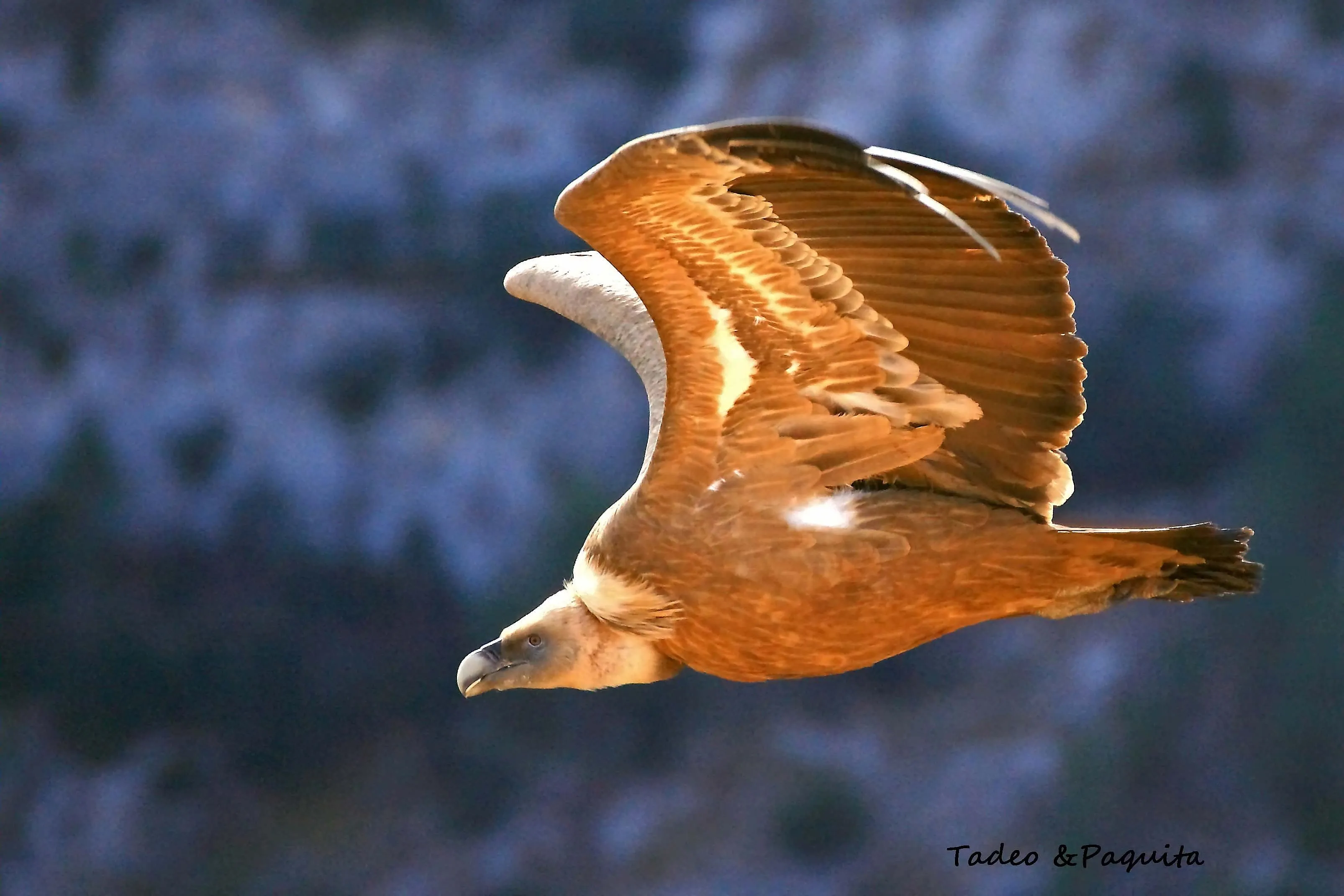
Griffon vulture and peregrine falcon
Several mornings crouched under a camouflage net at the top of the Roca Parda, until they captured the majestic flight of the vultures.
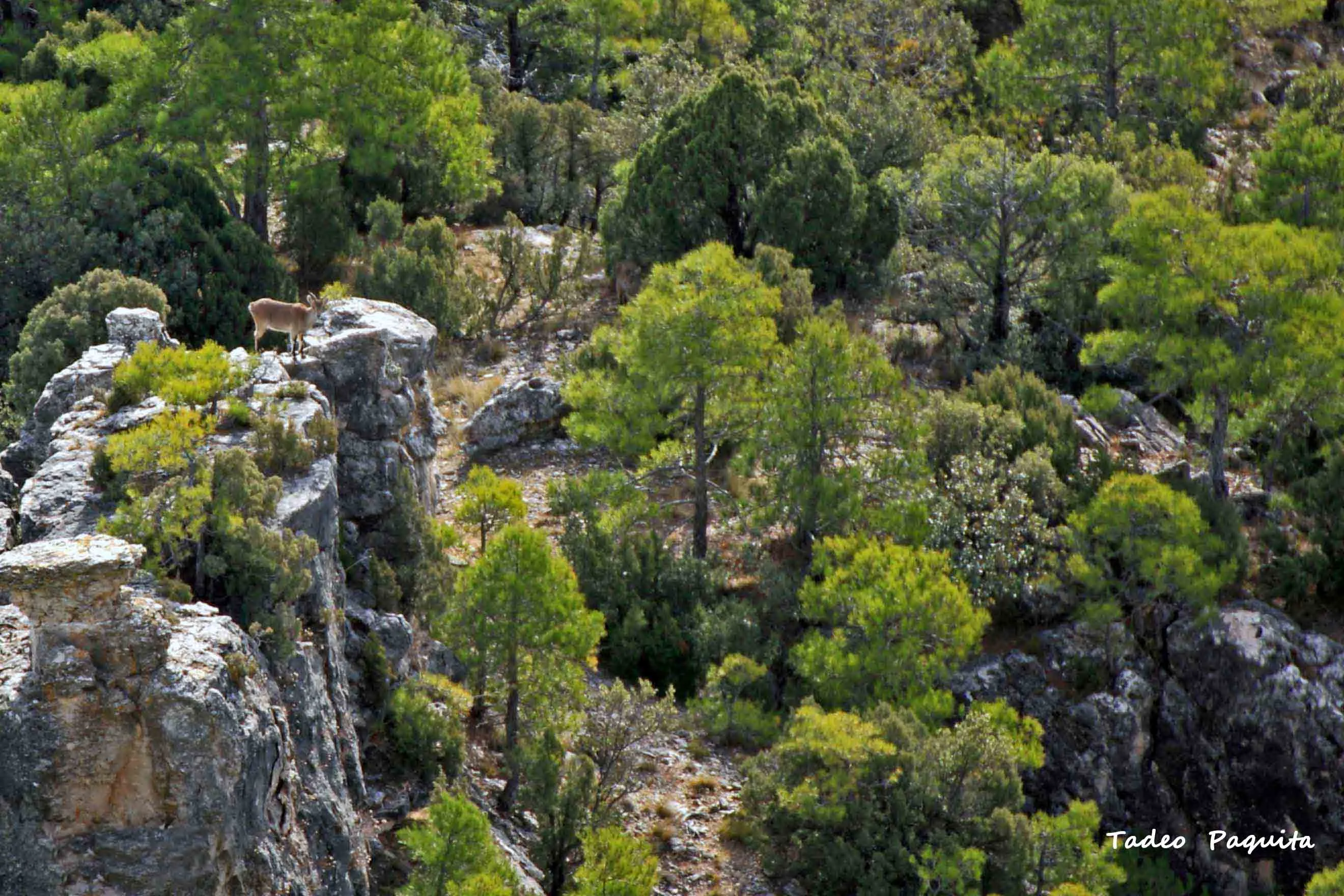
Iberian ibex
Capra pyrenaica
They climb gorges and crags on the edge of the abyss, and when the group is feeding there is always one on watch. At the first sign of danger, they all run.
Butterflies
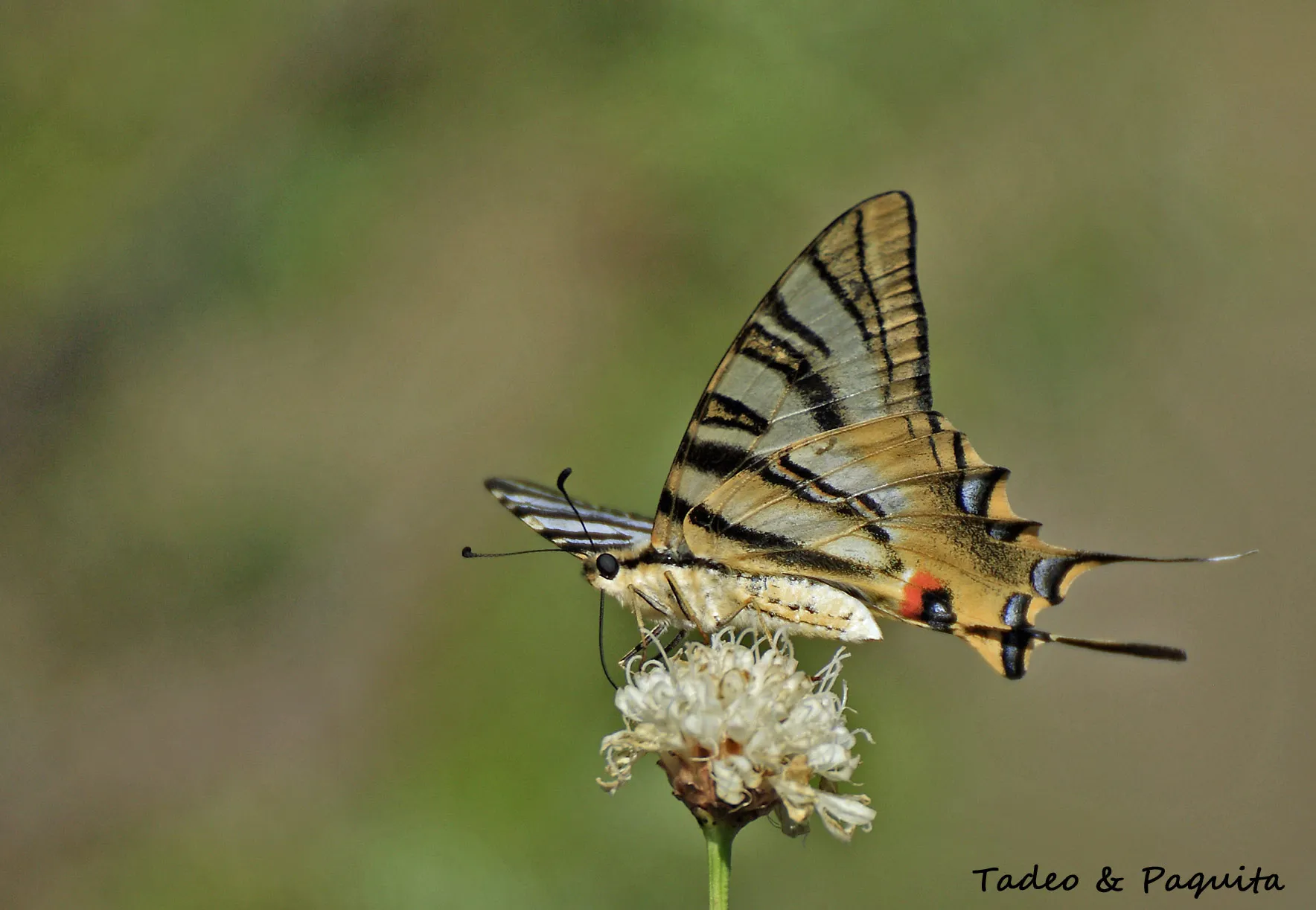
Papallones, palometes
Wings covered in scales and antennae ending in a club. Five families live in the rambla; the nymphalids are the most abundant.