Butterflies
Papallones, palometes
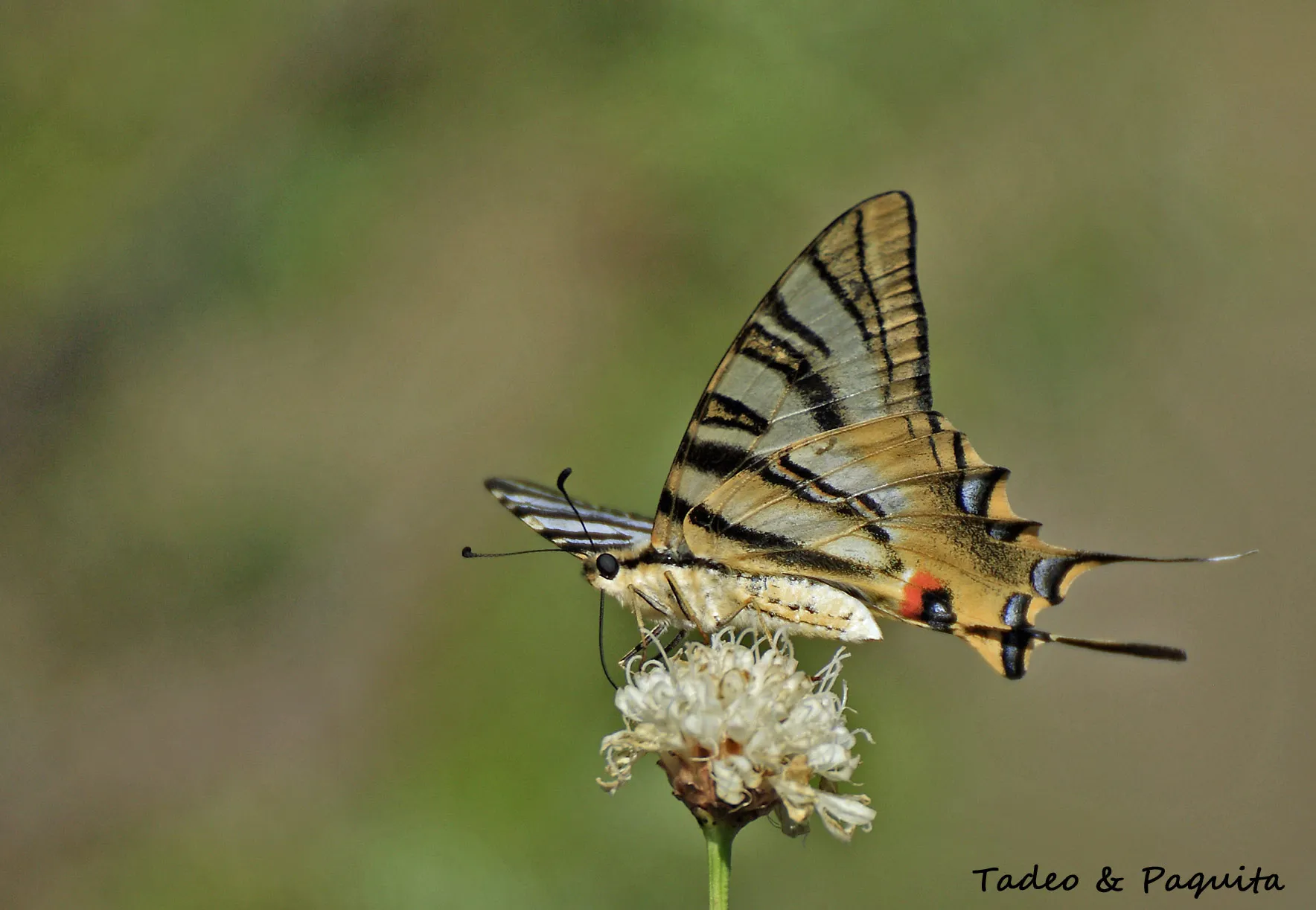
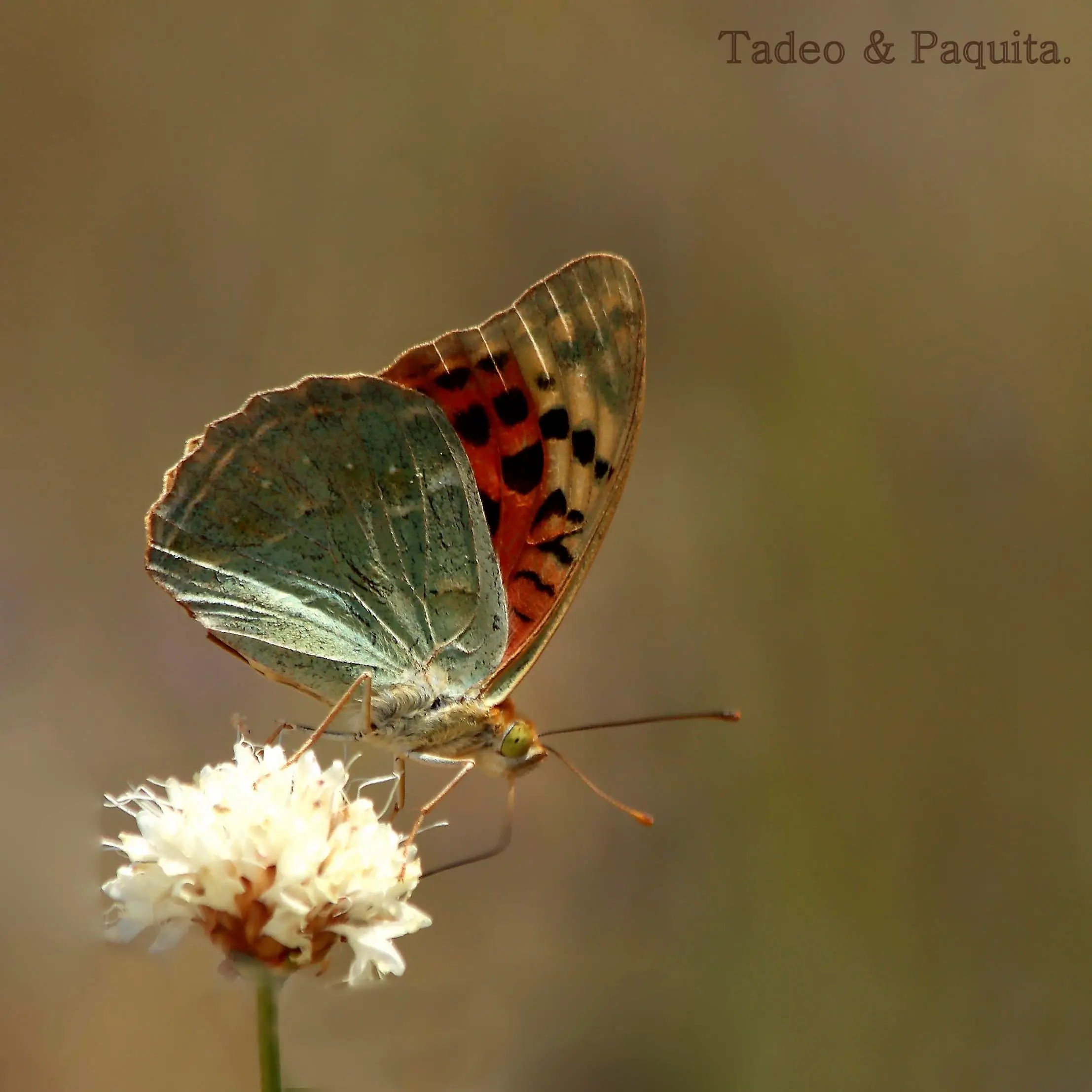
Wings covered in scales and antennae ending in a club. Five families live in the rambla; the nymphalids are the most abundant.
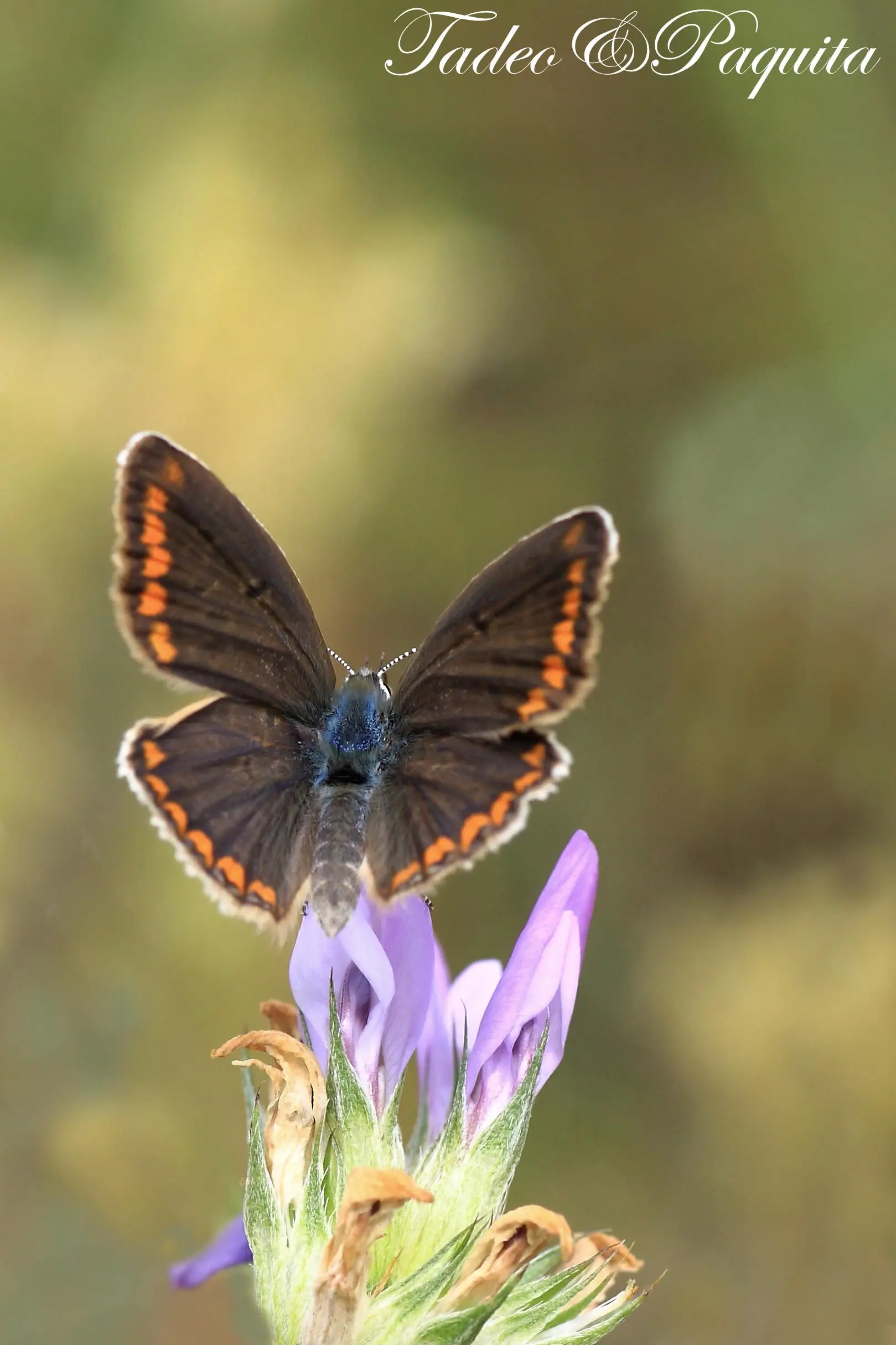
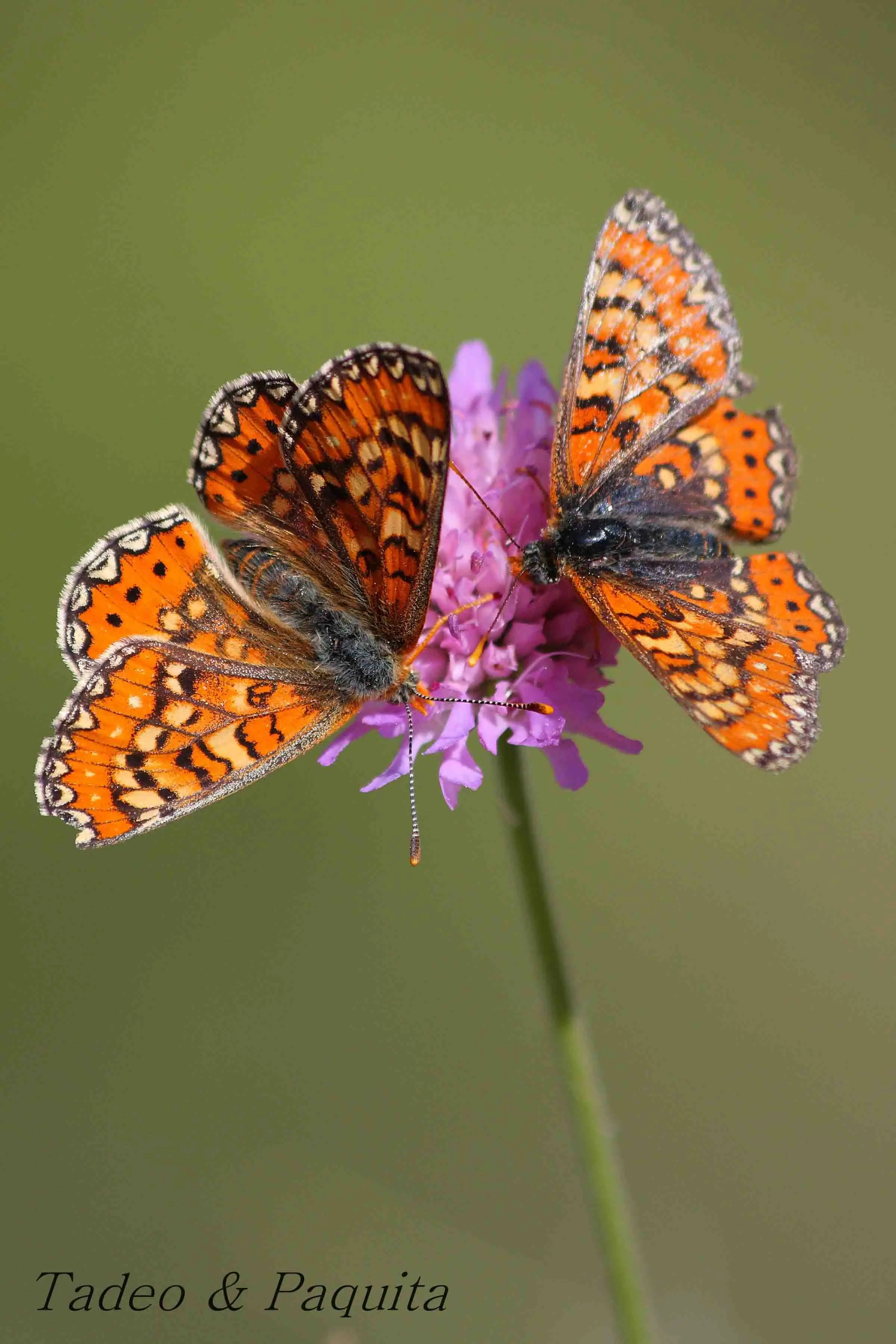
Butterflies: papallones, palometes. We know butterflies as insects with wings covered in scales; I like to call them palometes, as I did when I was a girl.
Day-flying butterflies, when they rest, usually hold their wings together so that they look like a kind of sail above their body. They also differ from moths in that their antennae end in a club or knob.
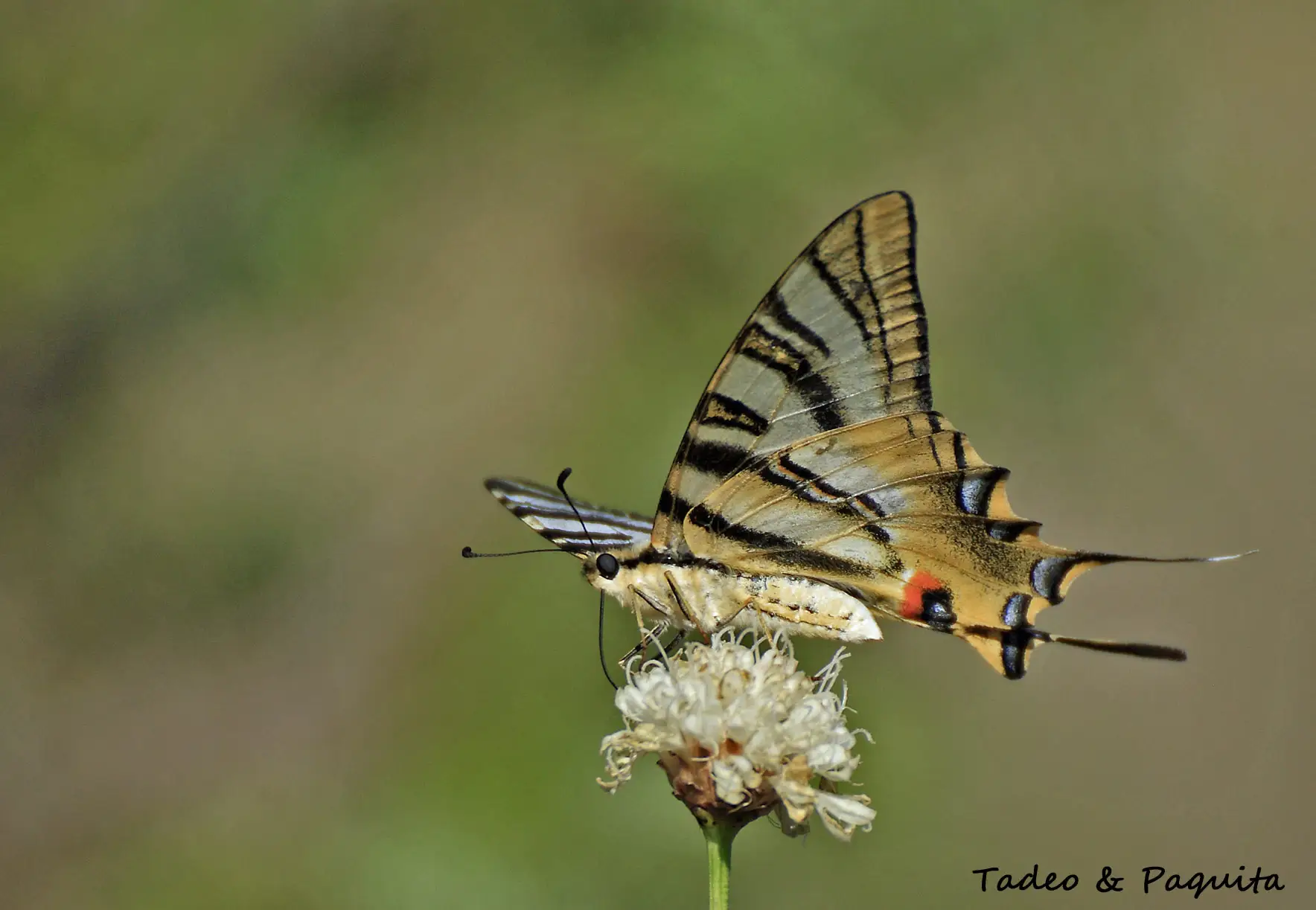
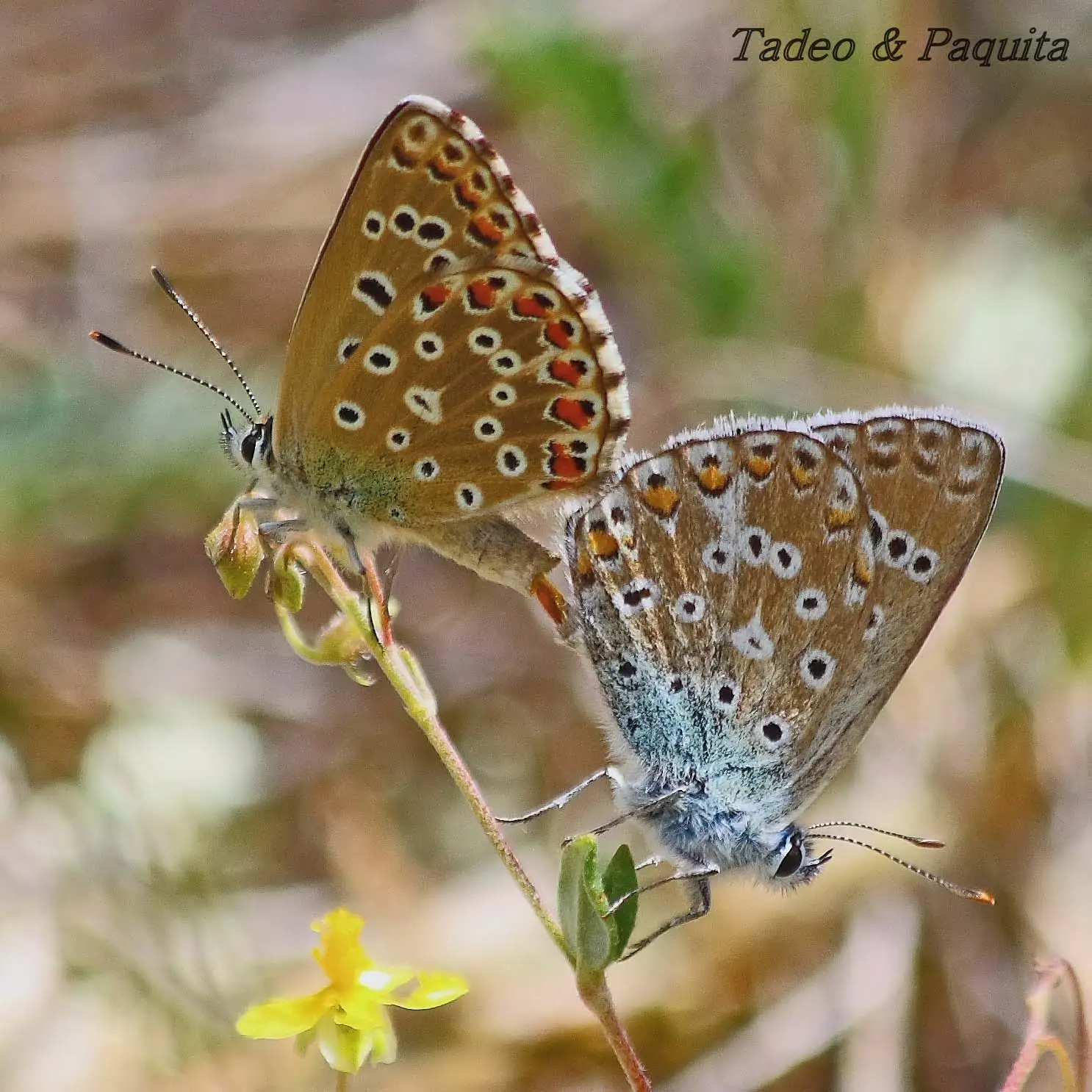
Of the various butterfly families of the Rambla Celumbres —Hesperiidae, Lycaenidae, Papilionidae, Pieridae and Nymphalidae—, the most numerous are those of the family Nymphalidae, and the least, those of the family Hesperiidae.
More in Fauna
See the whole sectionBirds of prey
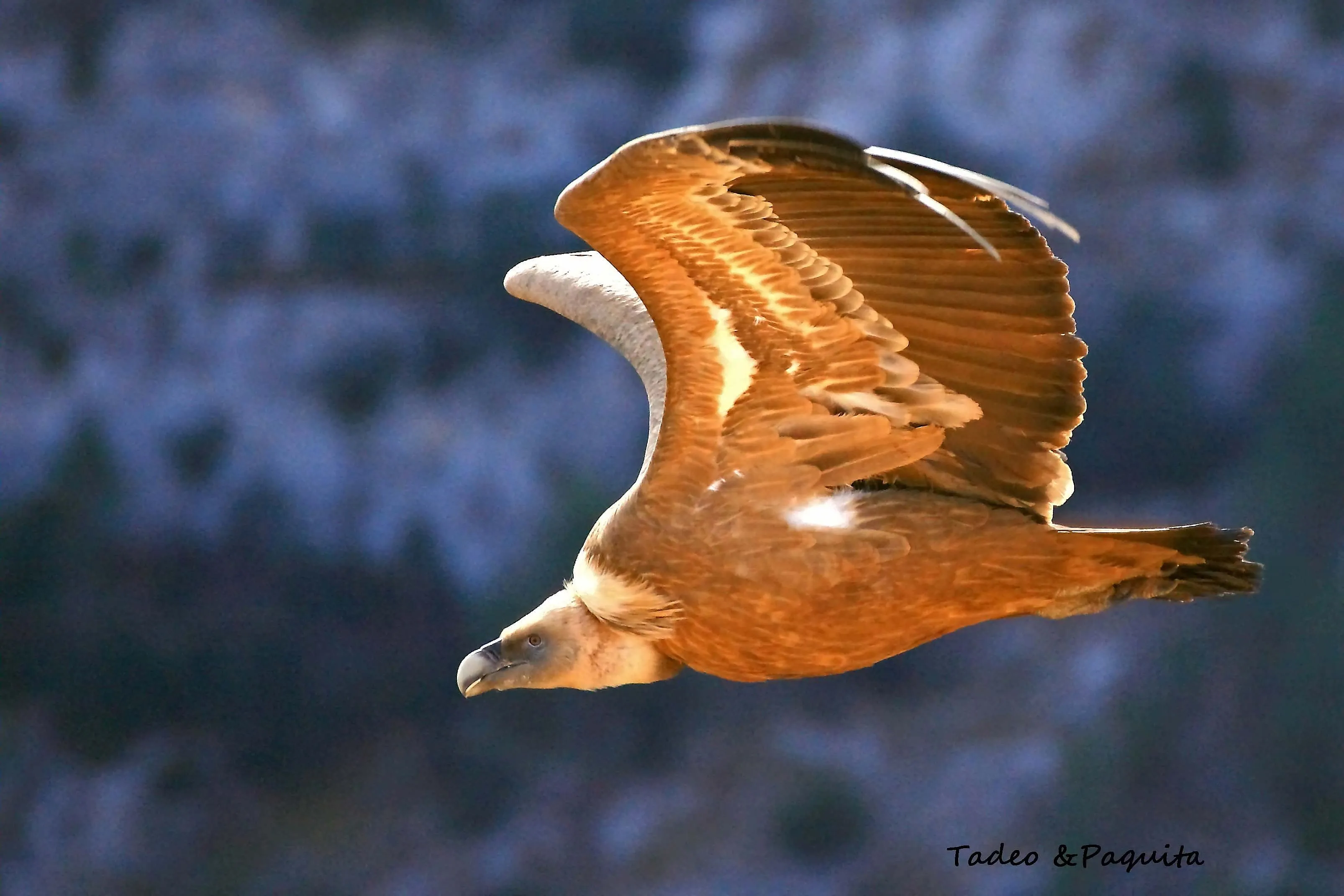
Griffon vulture and peregrine falcon
Several mornings crouched under a camouflage net at the top of the Roca Parda, until they captured the majestic flight of the vultures.
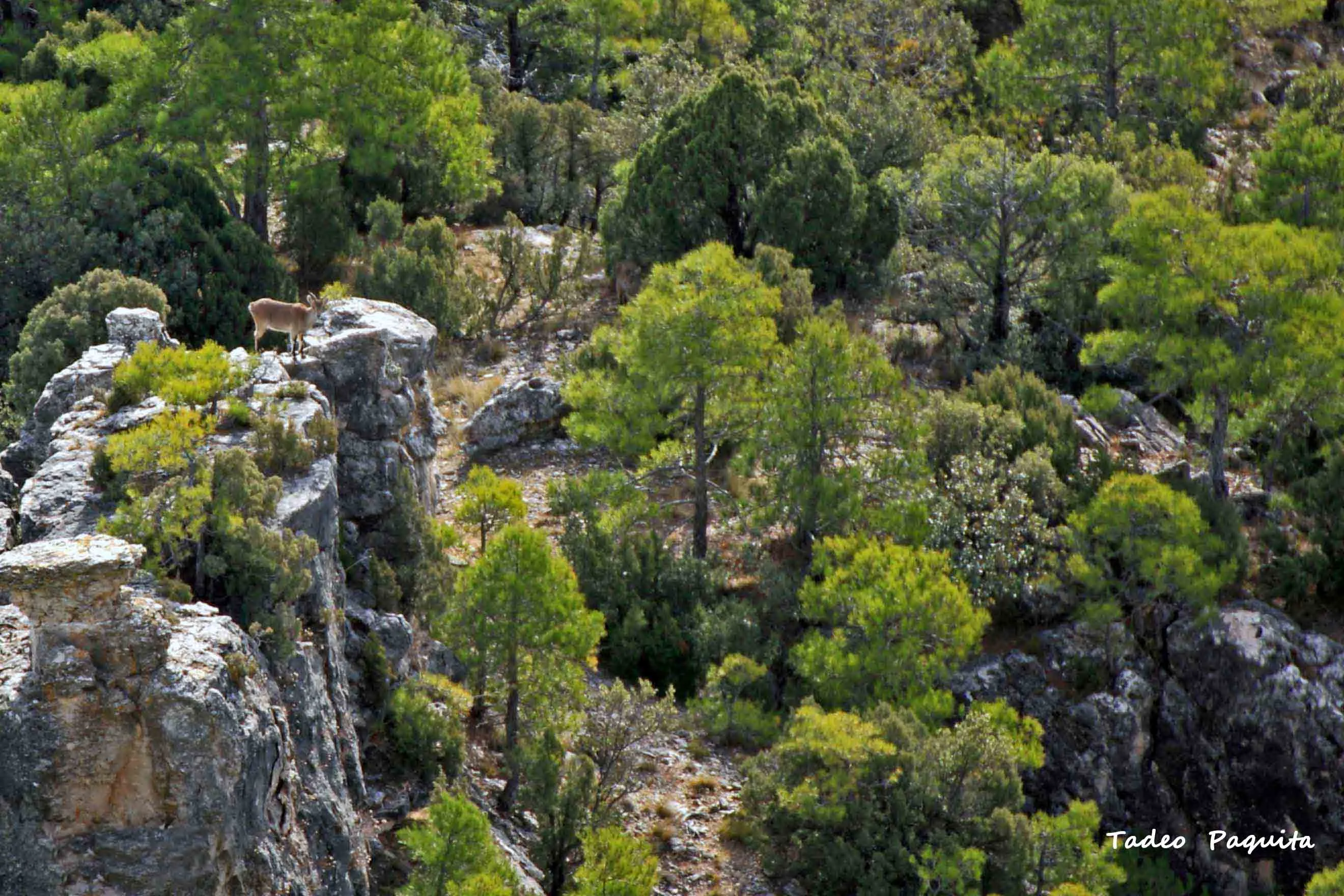
Iberian ibex
Capra pyrenaica
They climb gorges and crags on the edge of the abyss, and when the group is feeding there is always one on watch. At the first sign of danger, they all run.
Moths
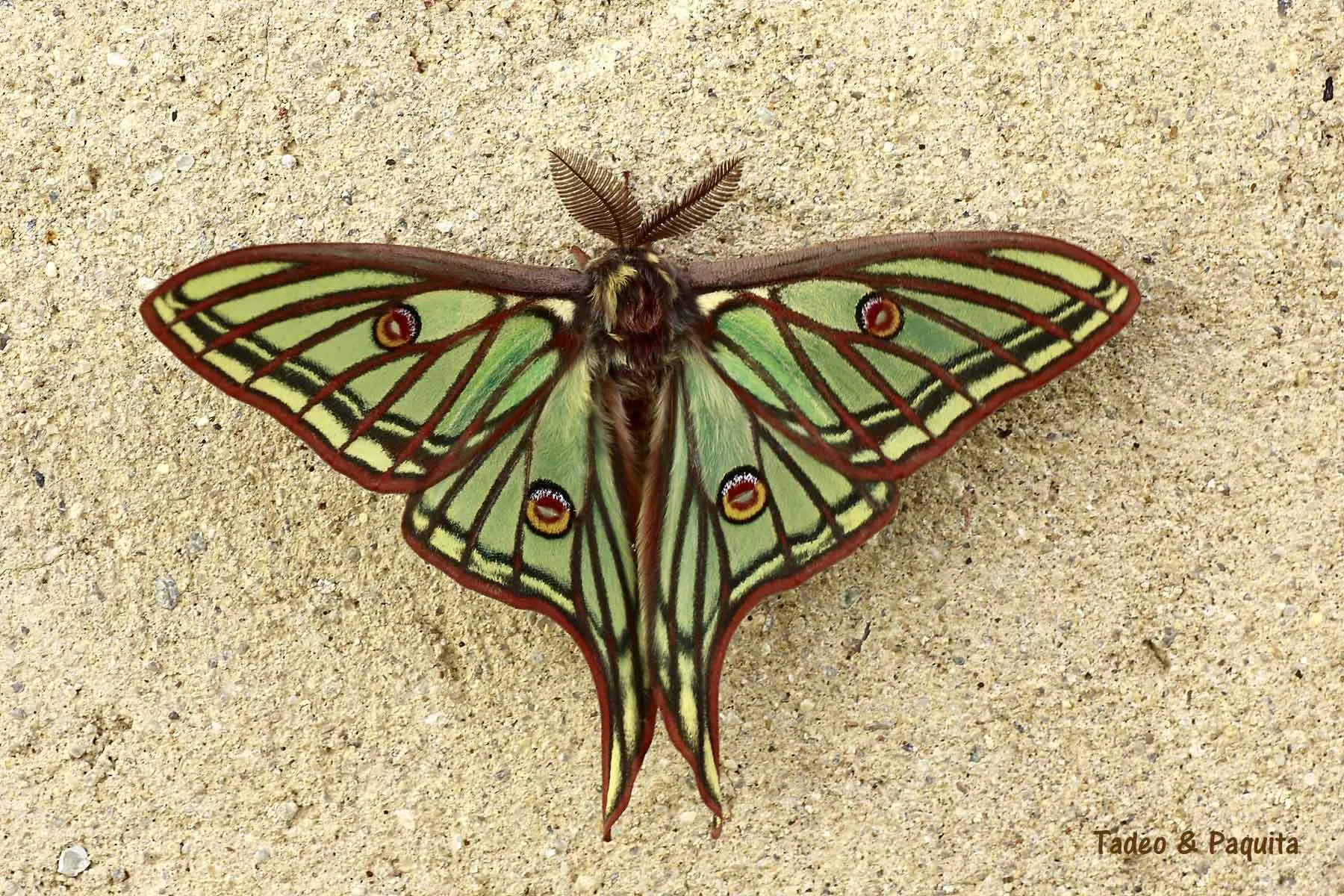
The first moth of the season
A Graellsia isabellae almost as big as a hand, found at seven in the morning at the dels Bassis spring, and other moths of the rambla.