Mantises
Mantodea
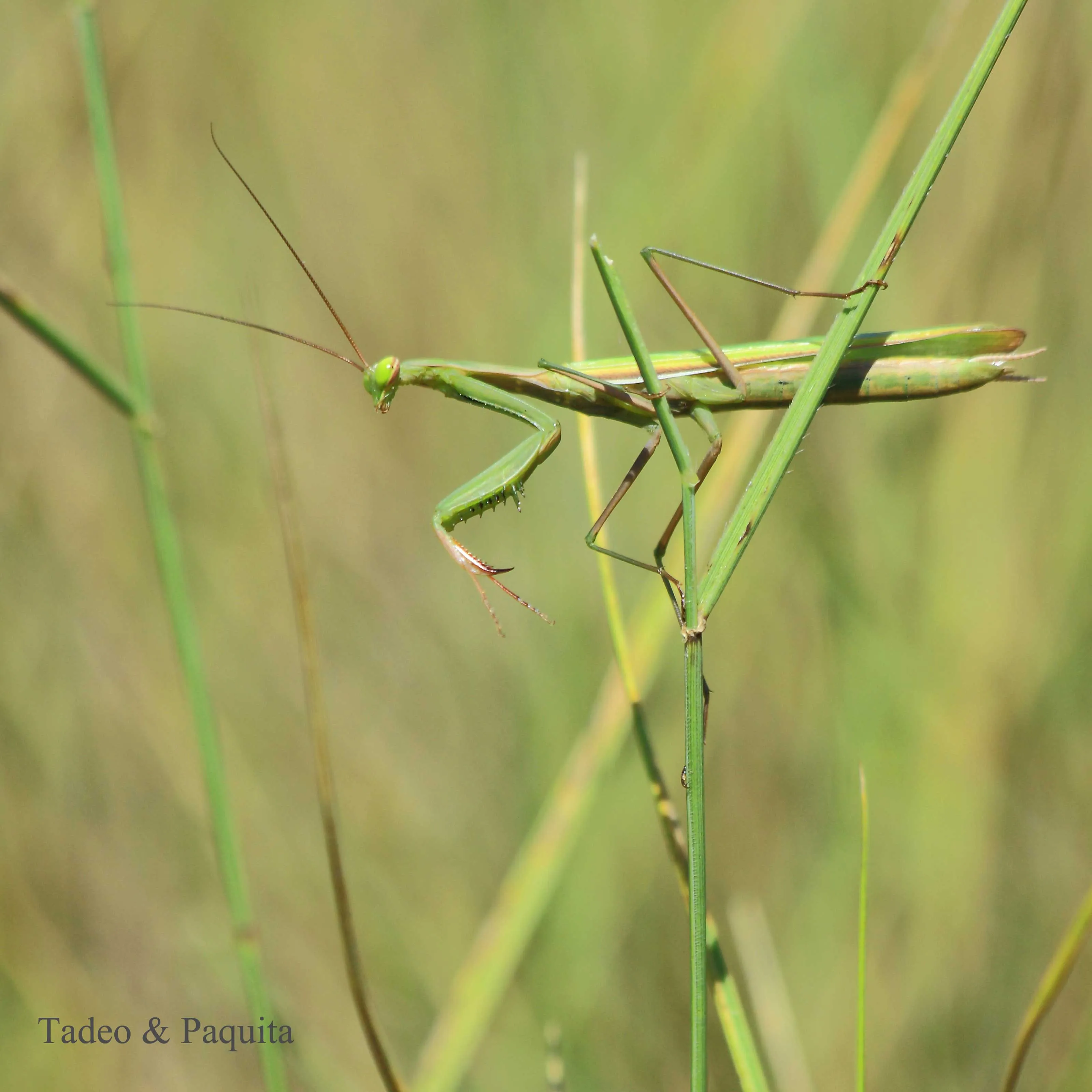
A mobile head, grasping forelegs and a camouflage that fools predators. The conehead mantis is named after a spectre of Greek mythology.
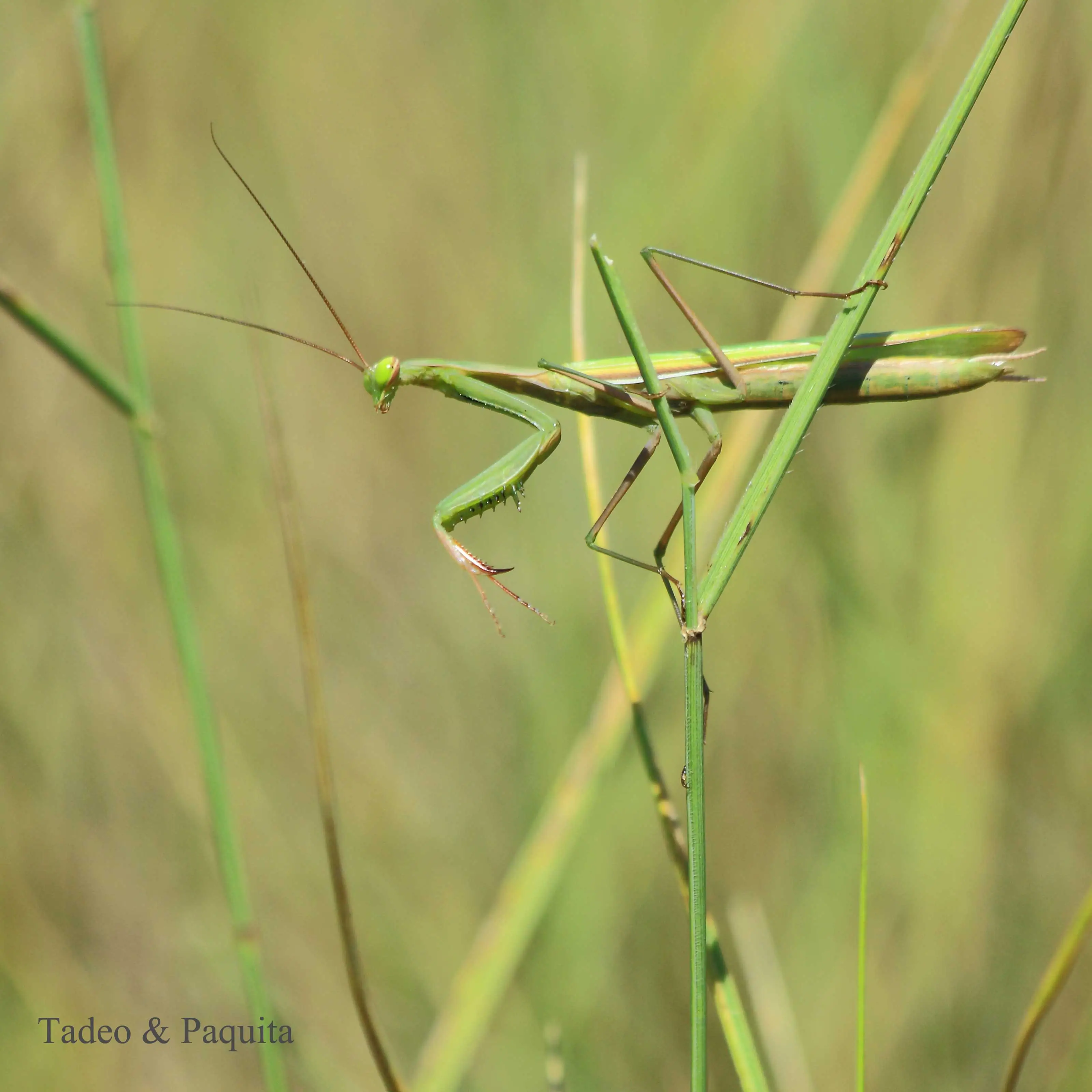
Mantodeans or mantises are insects we recognise at first sight by their characteristic appearance. They have evolved to confuse their predators by adapting to the shapes of their surroundings. They have a very mobile head, grasping forelegs suited to catching prey, and short, generally very fine antennae. They live in dry scrubland. The order comprises some 2,000 species.
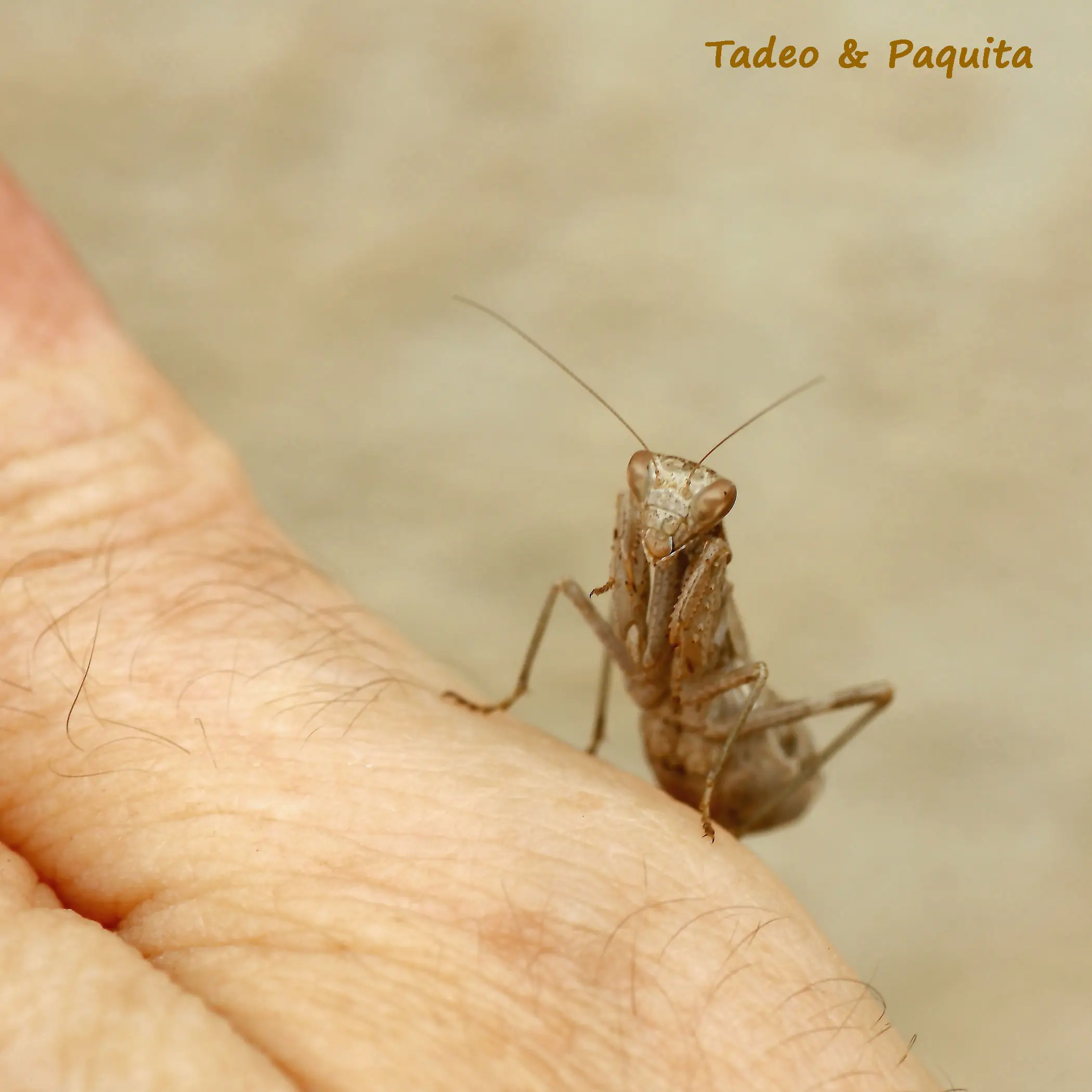
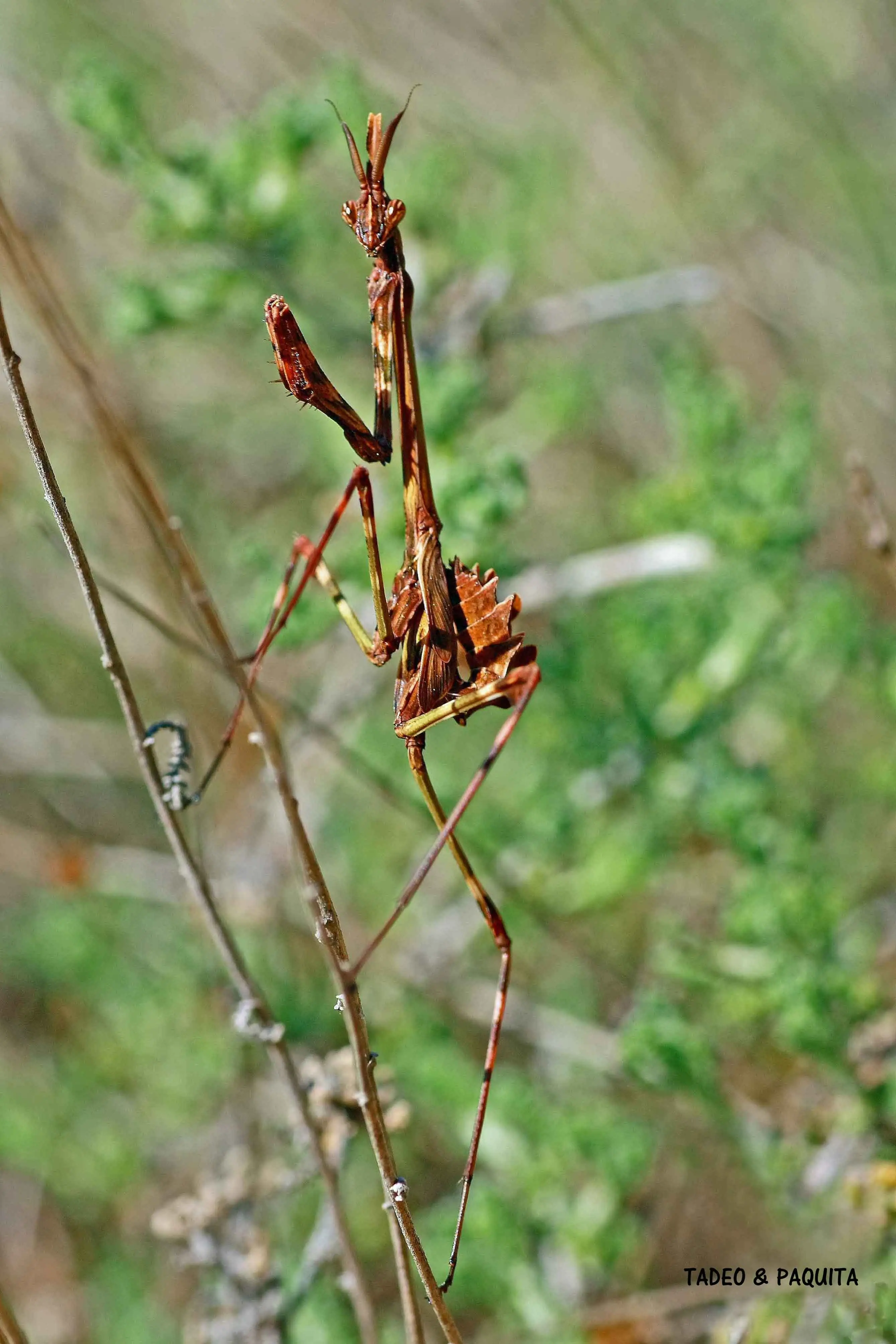
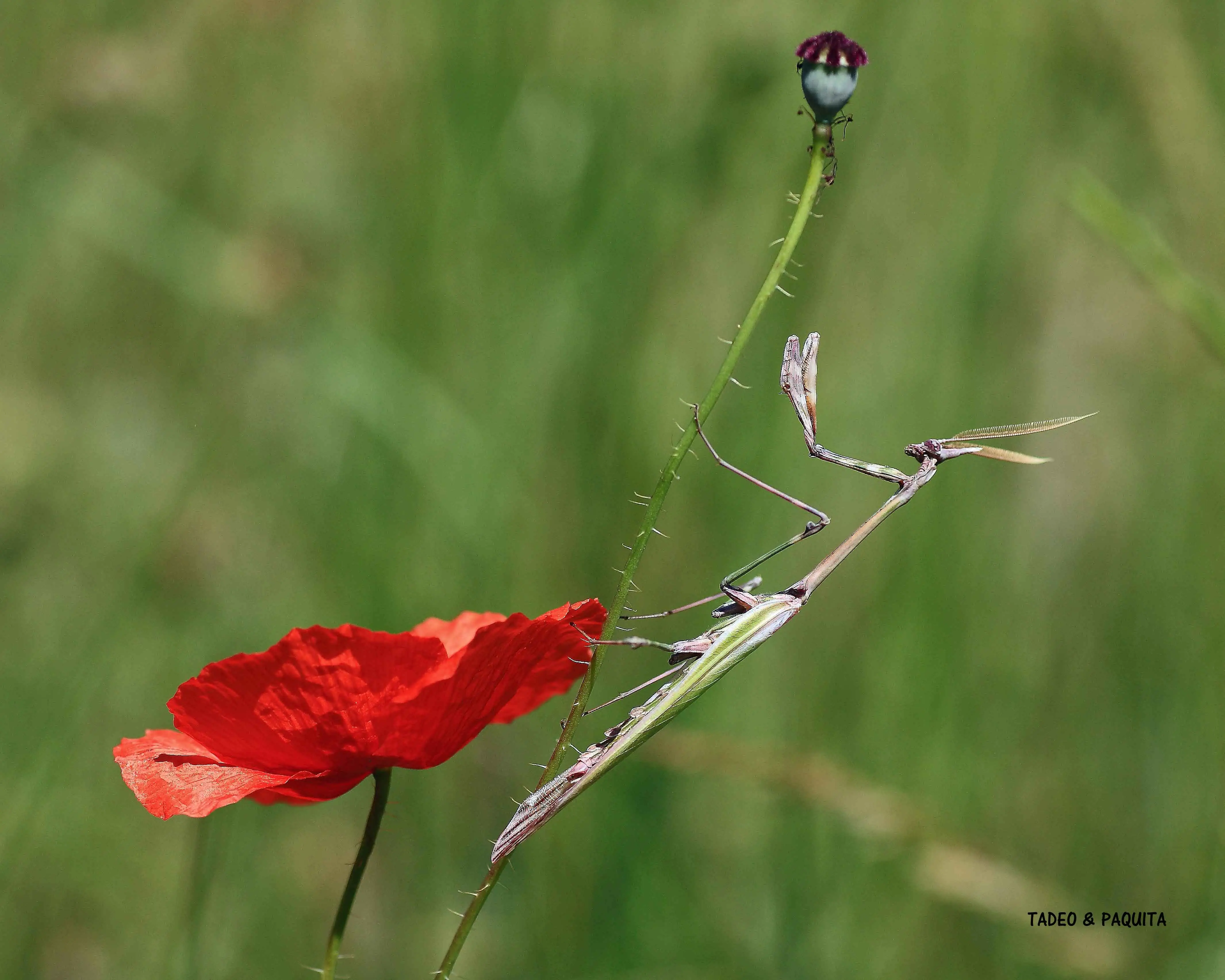
The Empusa pennata or conehead mantis is larger. It bears the name of a spectre of Greek mythology who, with the appearance of a beautiful young woman, concealed her bloodthirsty instincts.
More in Fauna
See the whole sectionBirds of prey
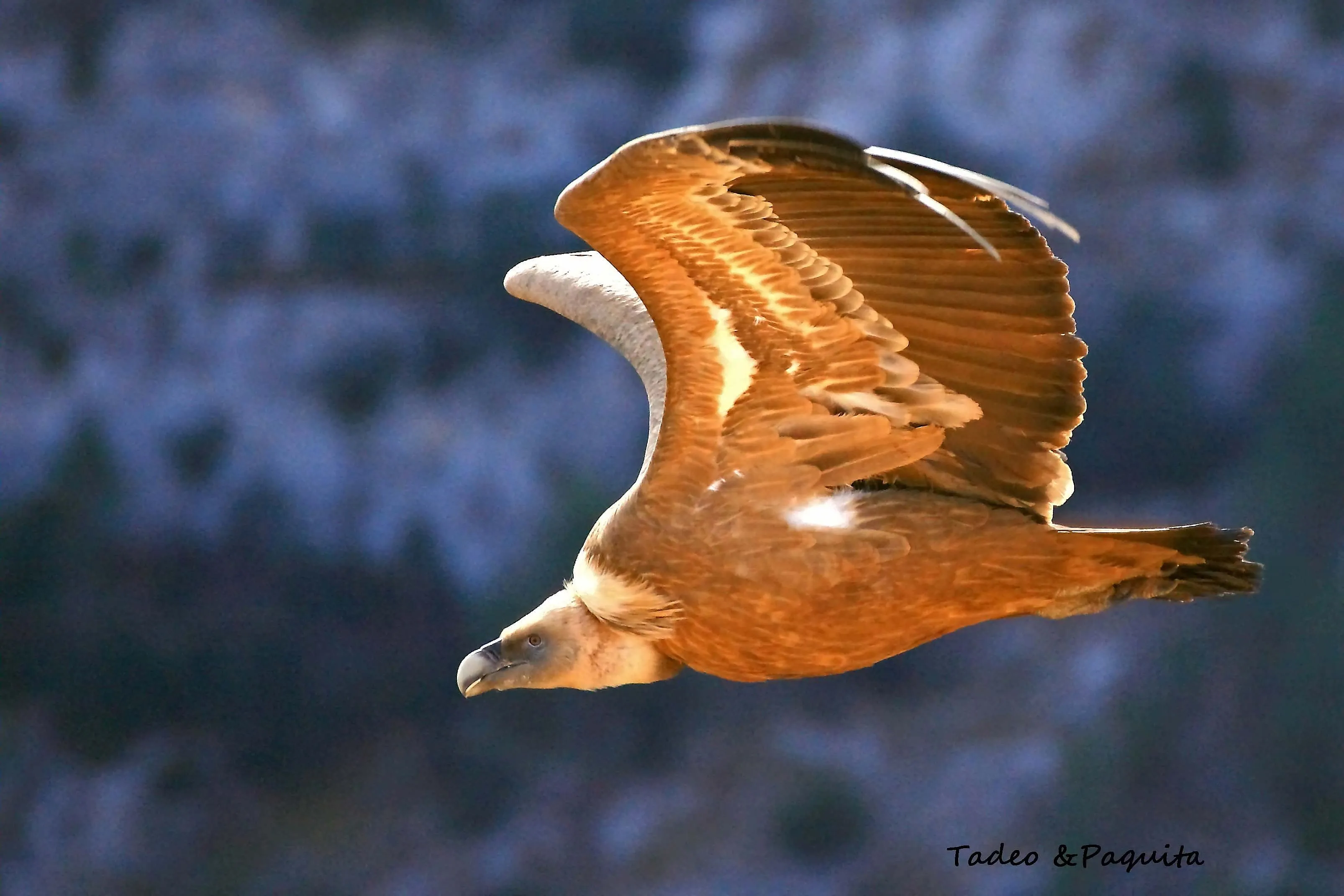
Griffon vulture and peregrine falcon
Several mornings crouched under a camouflage net at the top of the Roca Parda, until they captured the majestic flight of the vultures.
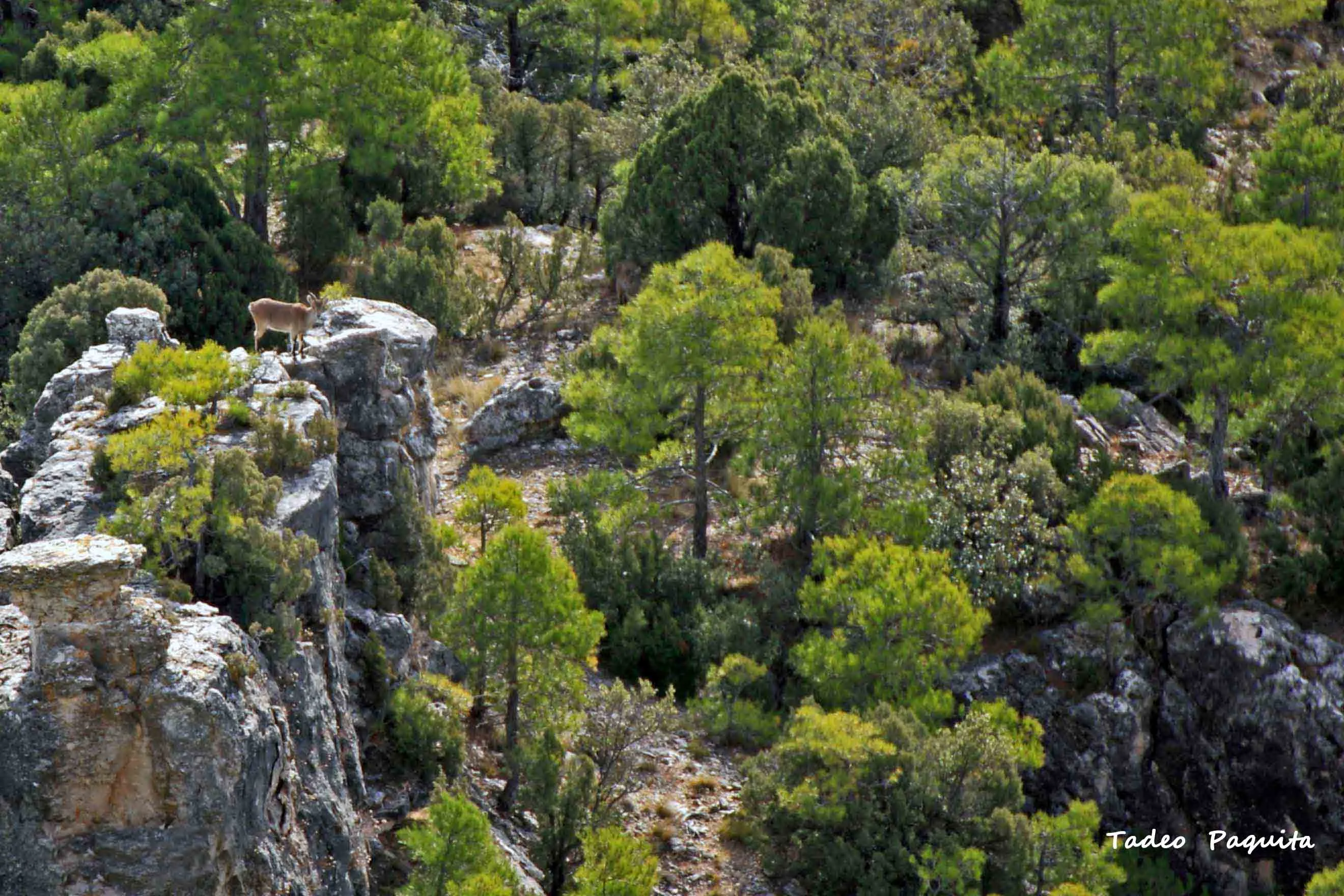
Iberian ibex
Capra pyrenaica
They climb gorges and crags on the edge of the abyss, and when the group is feeding there is always one on watch. At the first sign of danger, they all run.
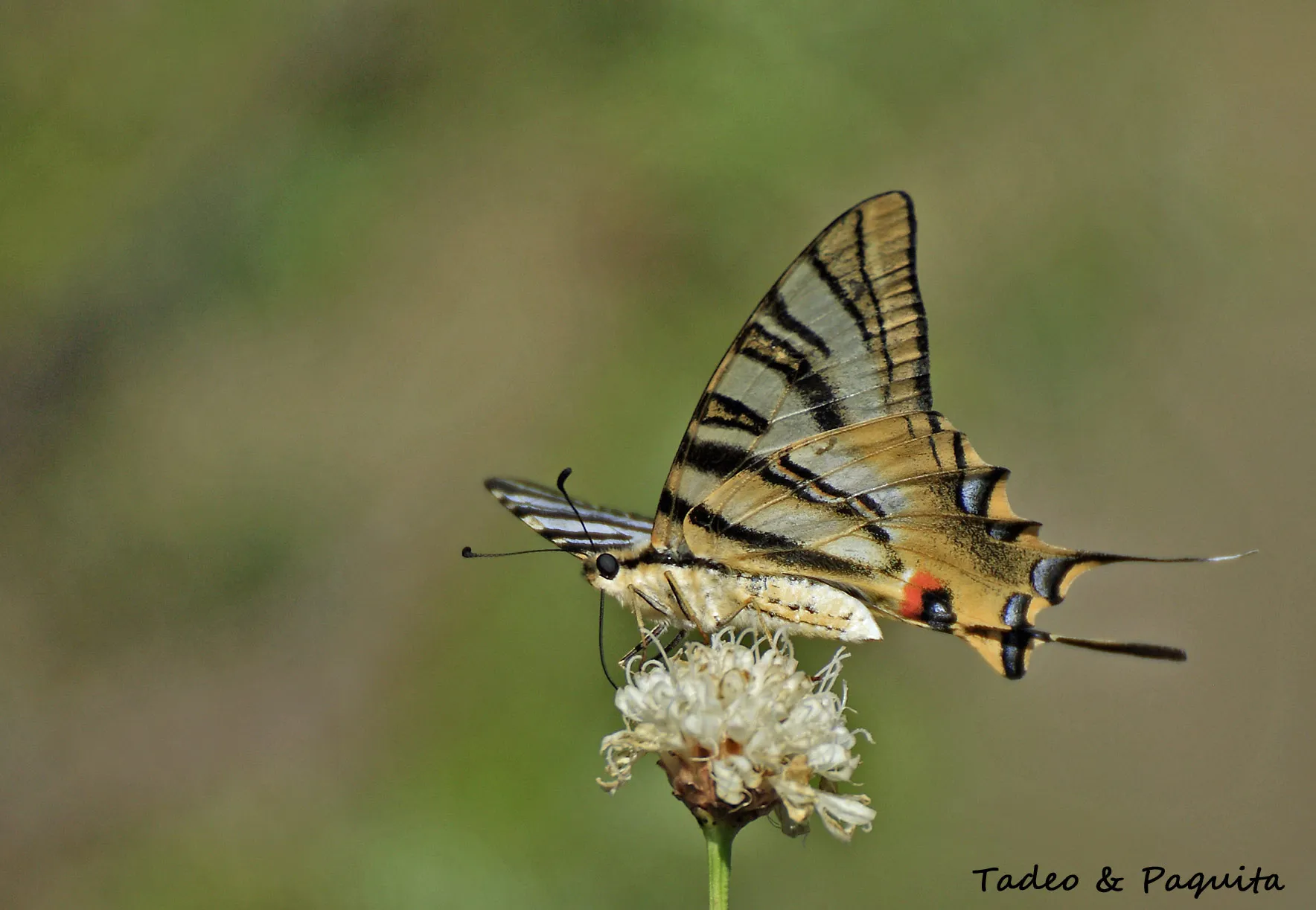
Butterflies
Papallones, palometes
Wings covered in scales and antennae ending in a club. Five families live in the rambla; the nymphalids are the most abundant.