Grasshoppers and crickets
Orthoptera
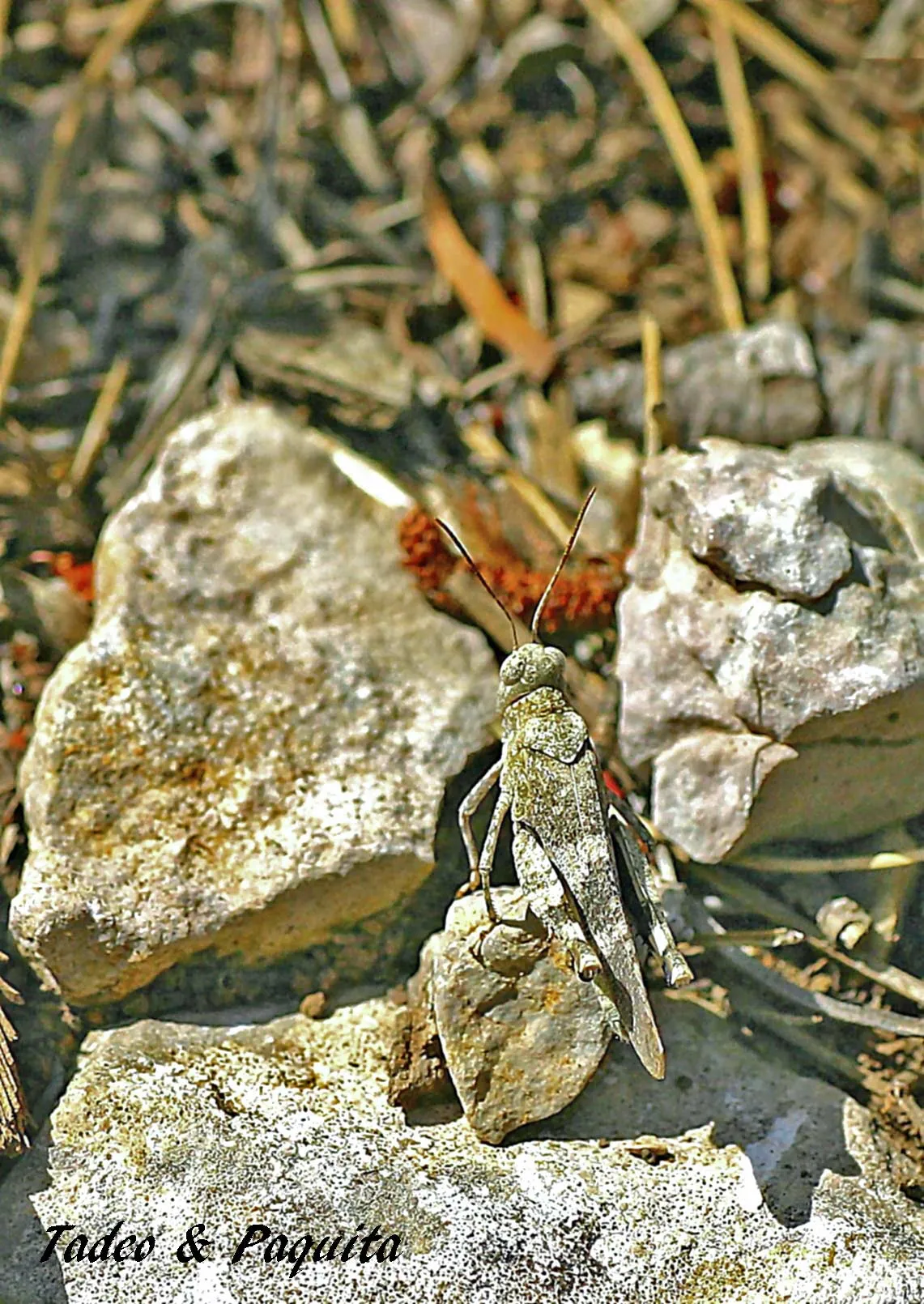
Great jumpers with incomplete metamorphosis. Some sing by rubbing their legs against their wings; others rub their wings together, and hear with their legs.
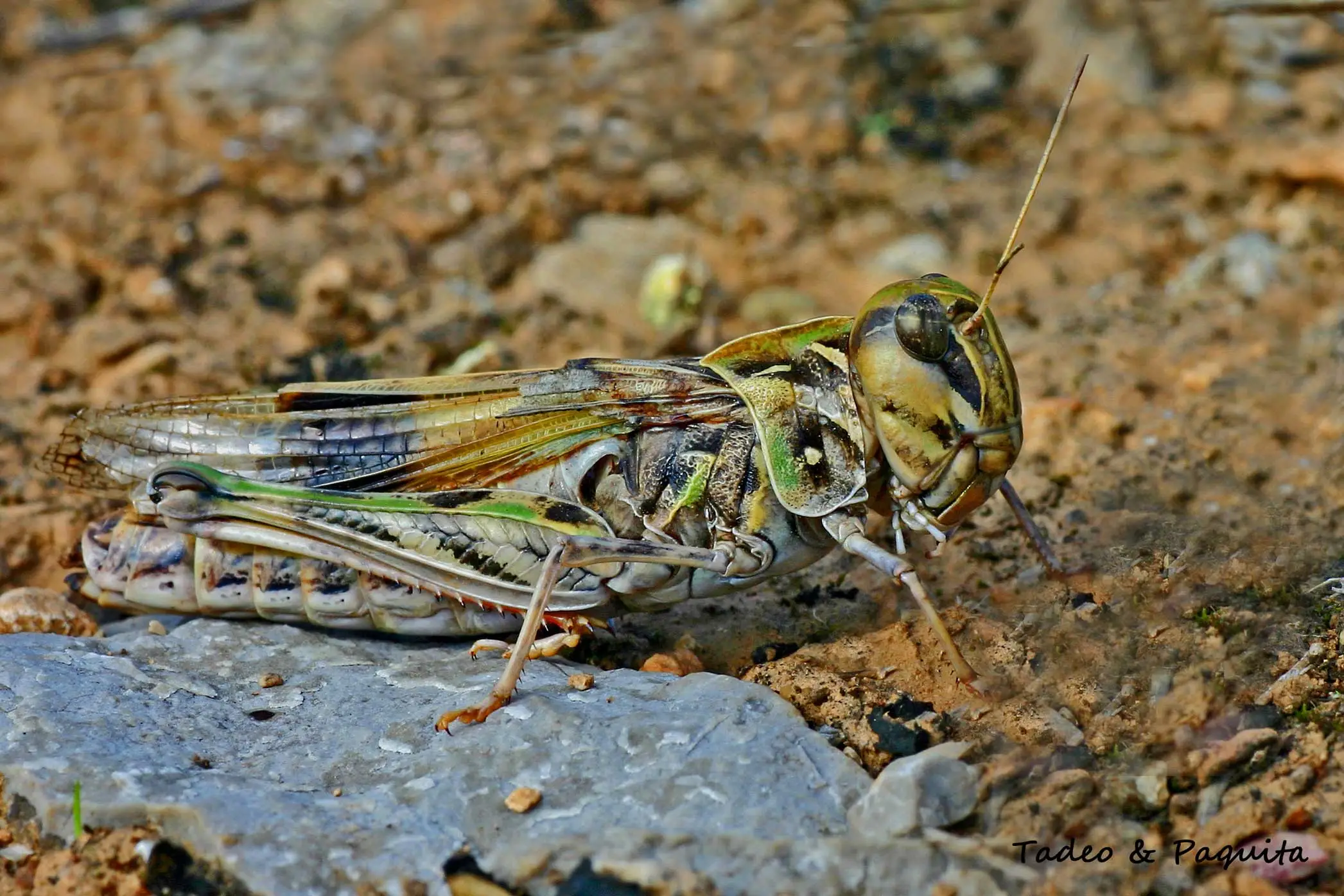
This order brings together grasshoppers, crickets, locusts and the mole cricket; the last is an underground insect that feeds on the roots and necks of plants.
Most have vegetarian habits, though there are also omnivorous species. They are found in most land habitats. They are insects with incomplete metamorphosis: they go through three stages, egg, nymph and adult.
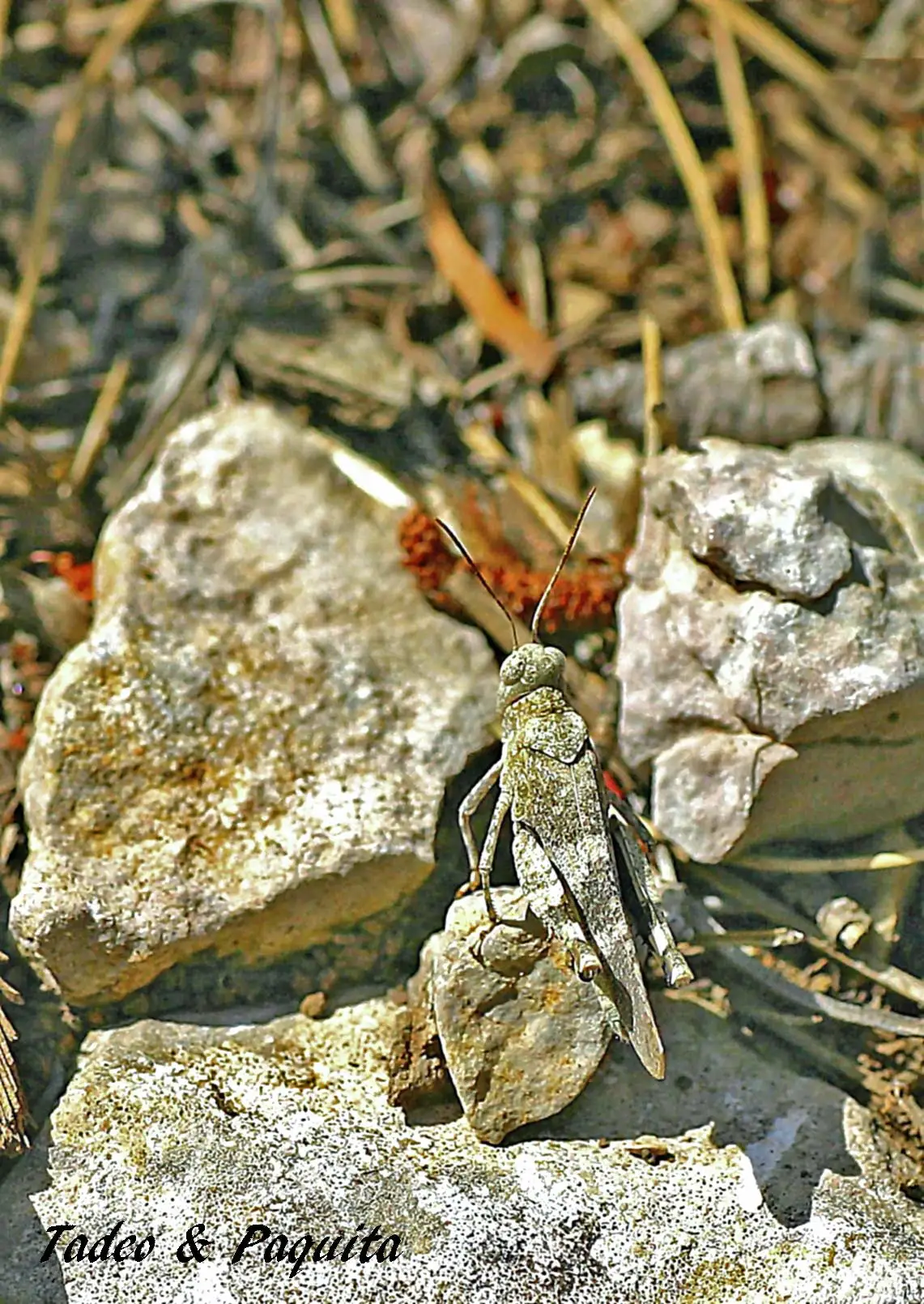
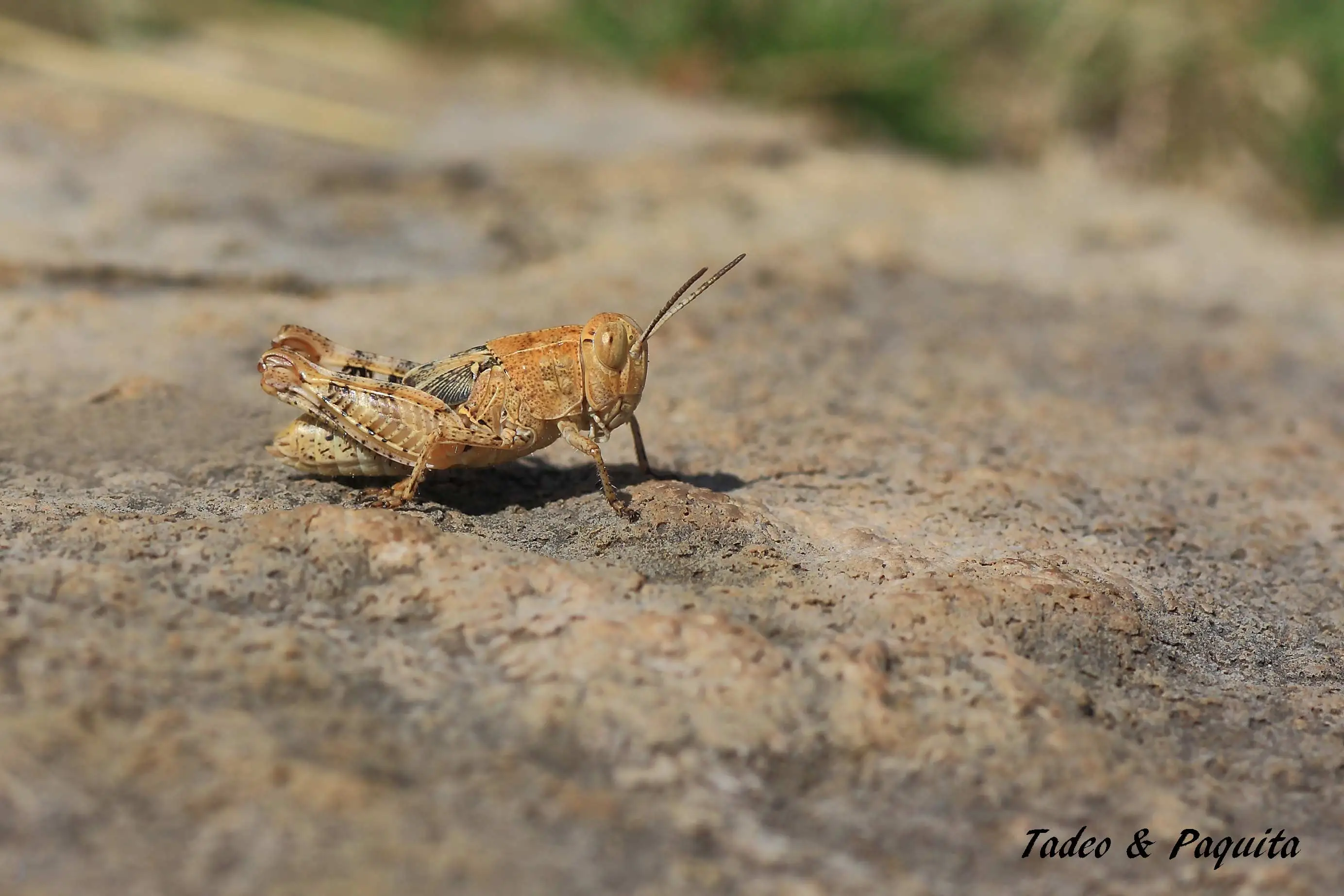
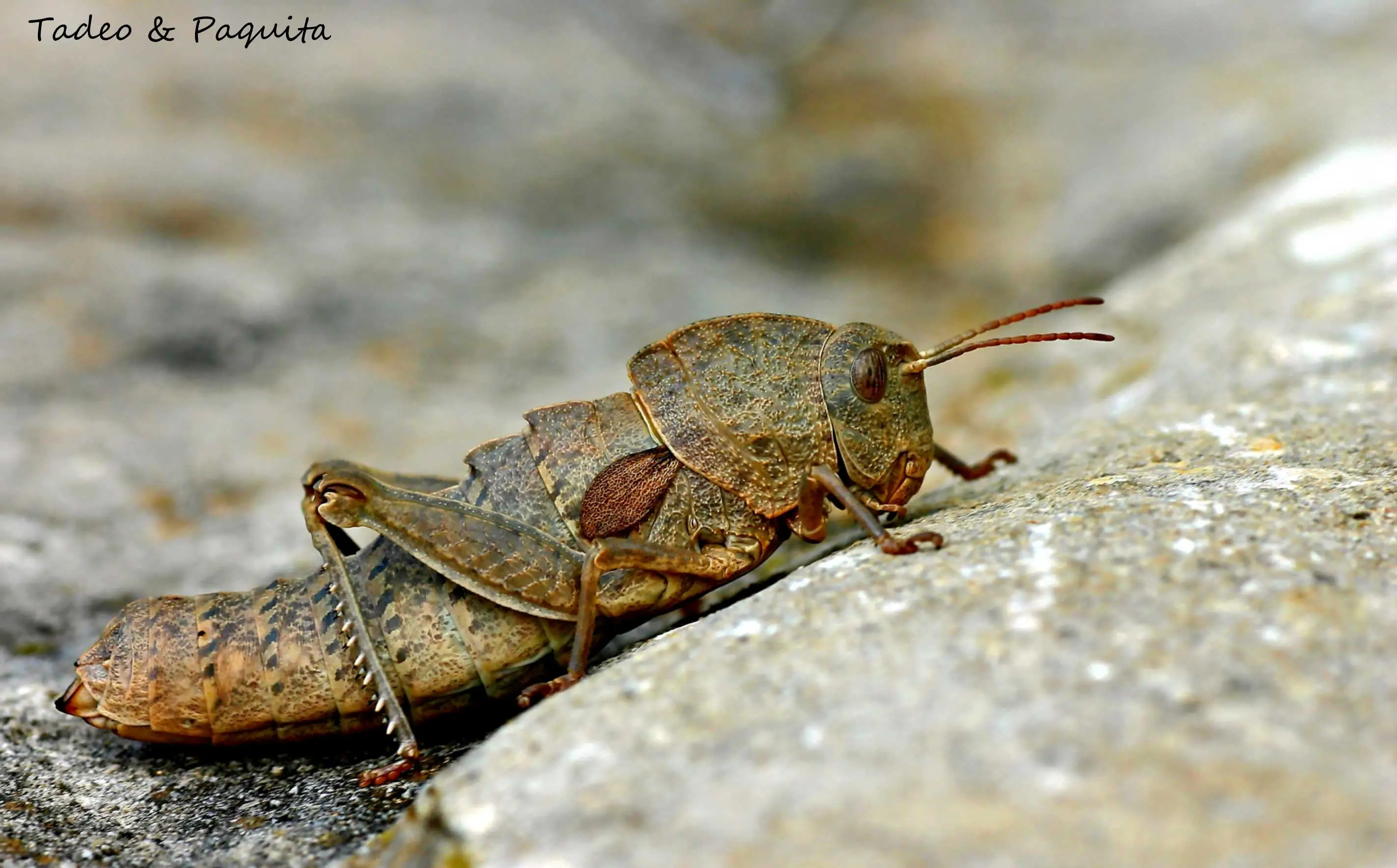
Grasshoppers
Grasshoppers and crickets are very much alike, although crickets have a stockier body. They are insects with great jumping power: they cover distances far greater than their body length. Medium to large in size, they have a big head, compound eyes and chewing mouthparts; they generally have two pairs of wings, fore and hind. Their hearing organs are on the abdomen. The sound never comes from the mouth: they produce it with stridulatory organs. Stridulation is the production of sound, the chirp made by rubbing the legs against the wings. They are usually active by day, and their antennae are short.
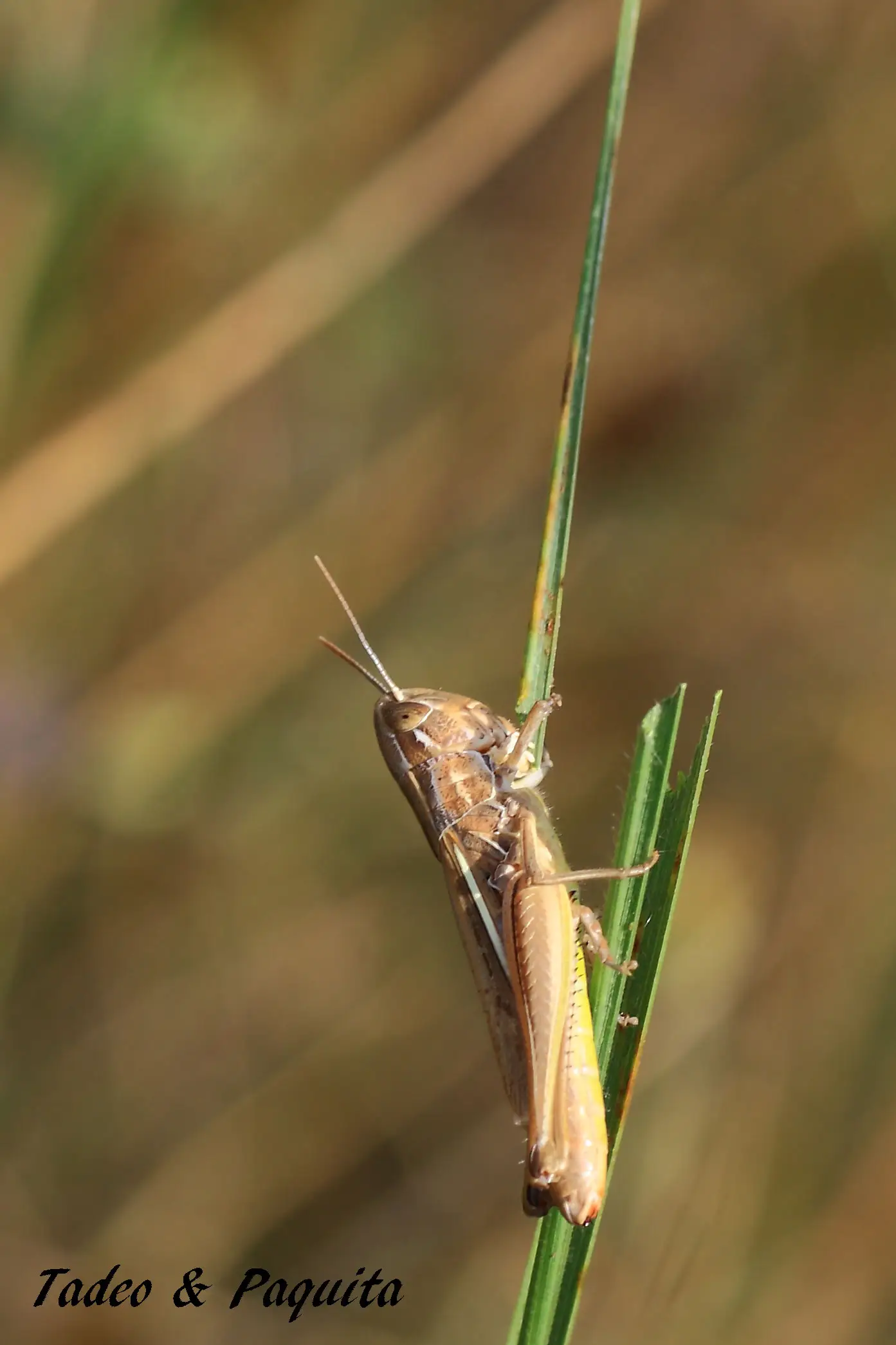
These insects may be solitary or gather in larger or smaller groups. In the most extreme cases they are gregarious, like the locusts —the name given to several species of grasshopper—, and sometimes become a plague on crops.
They need a few hours of morning sun to become active. They are harmless to people, unlike centipedes, certain spiders or wasps.
Crickets
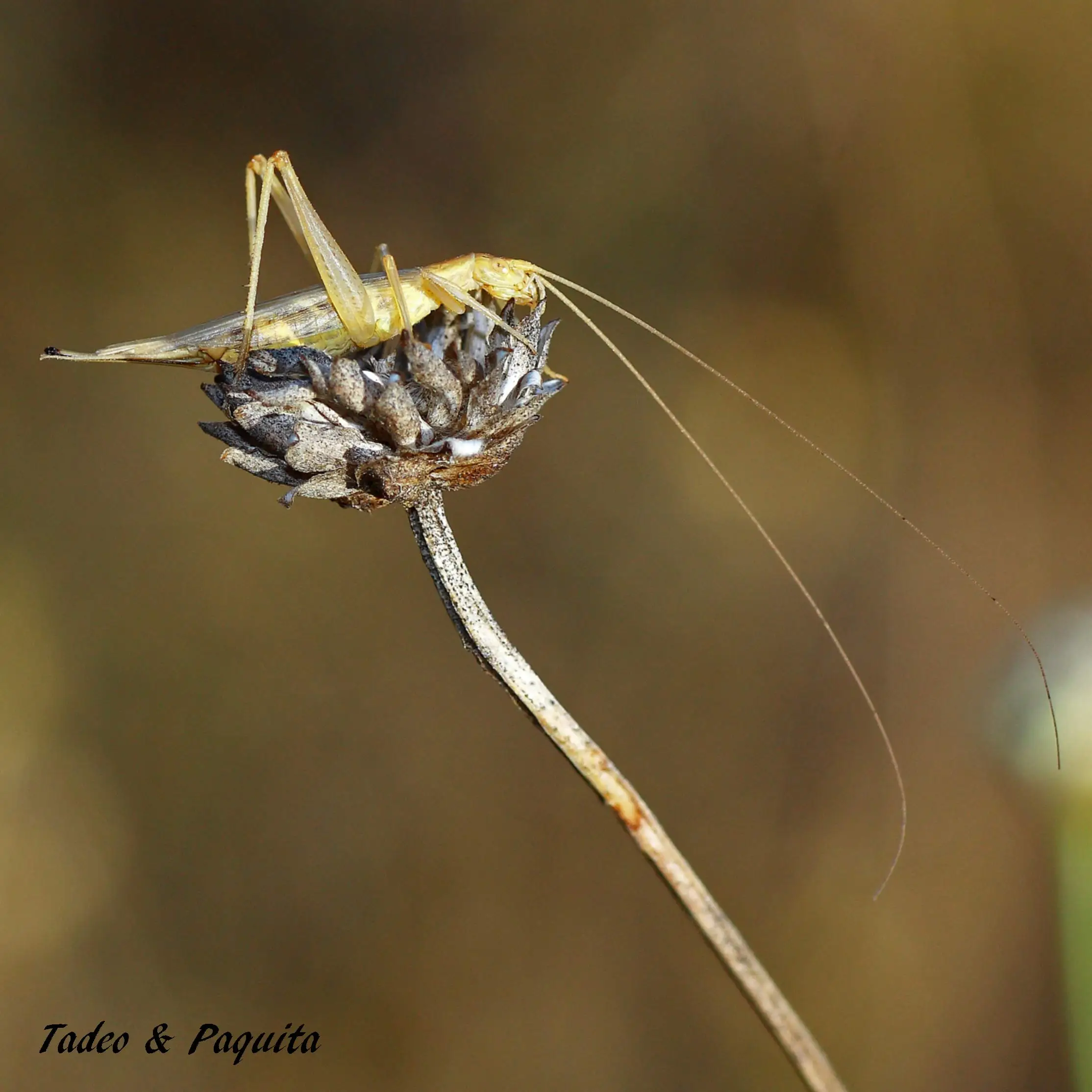
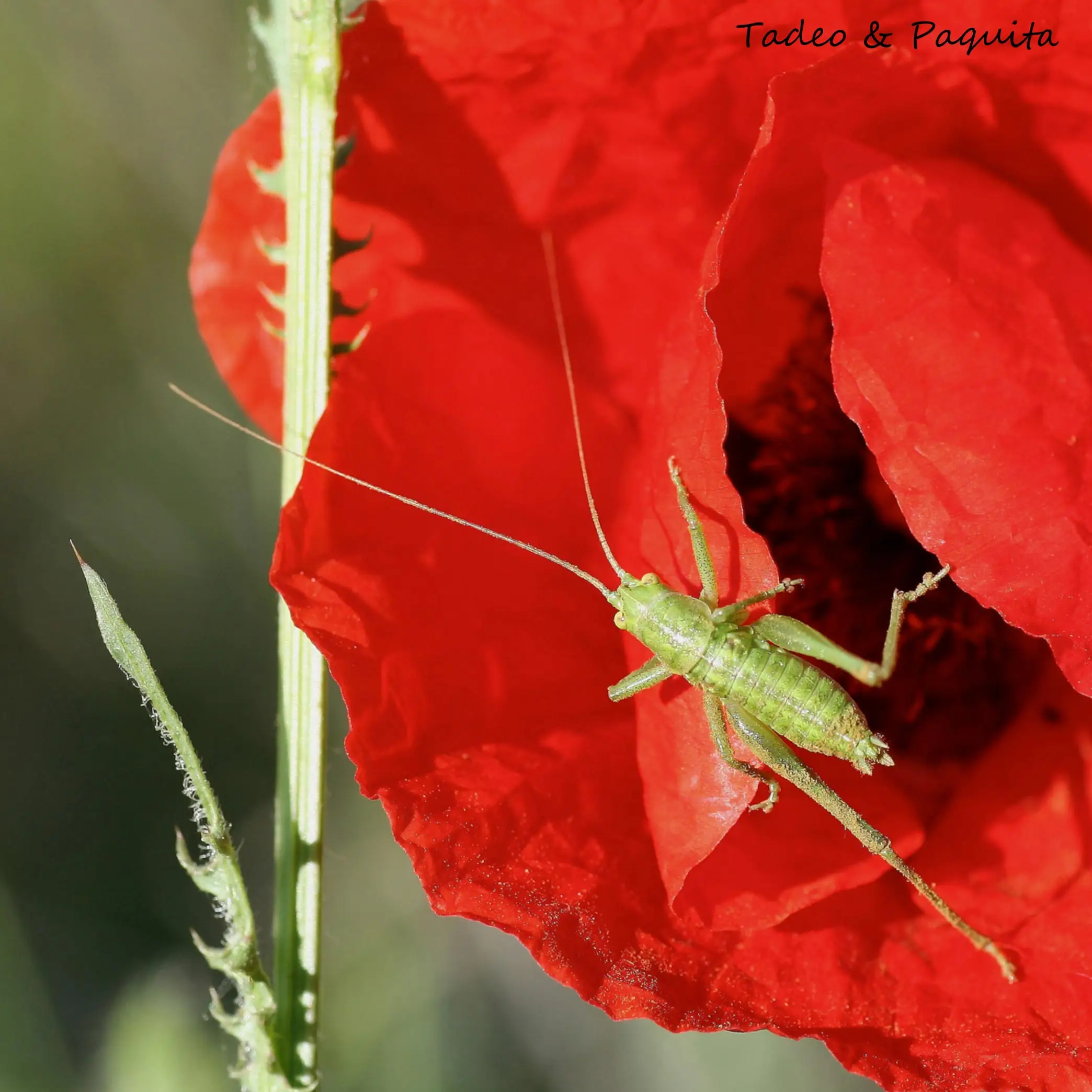
Most cricket species are active at dusk and at night, and have long antennae that sometimes exceed the length of the body. Their hearing organs are on the legs, unlike grasshoppers. The cricket produces its sound by rubbing its forewings together; the insistent “cri, cri” is a fundamental part of reproduction, among other things for attracting the female.
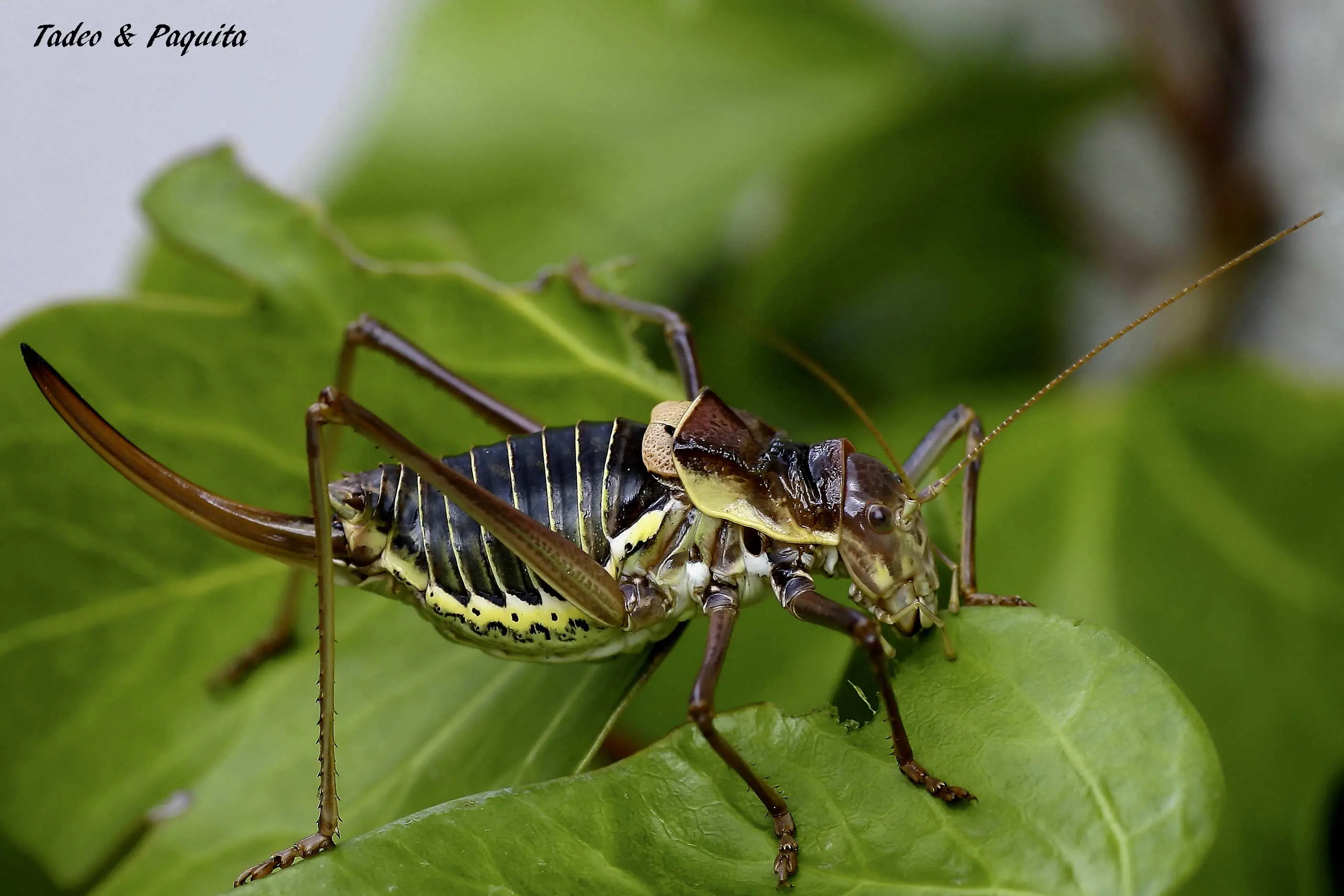
The bush-cricket
Steropleurus perezi. Some bush-cricket species are herbivorous, while others are predatory and feed on other insects. They are very territorial.
More in Fauna
See the whole sectionBirds of prey
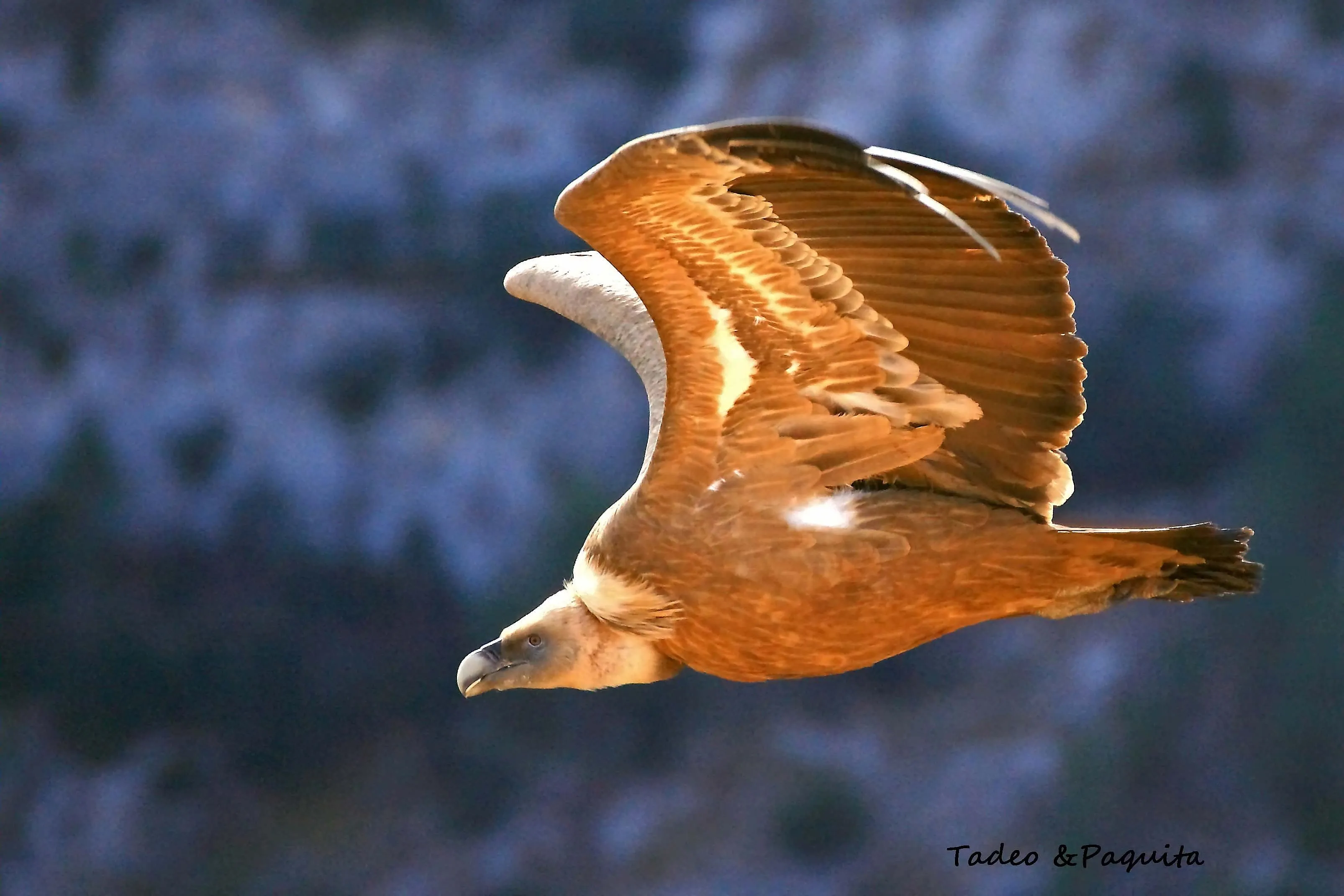
Griffon vulture and peregrine falcon
Several mornings crouched under a camouflage net at the top of the Roca Parda, until they captured the majestic flight of the vultures.
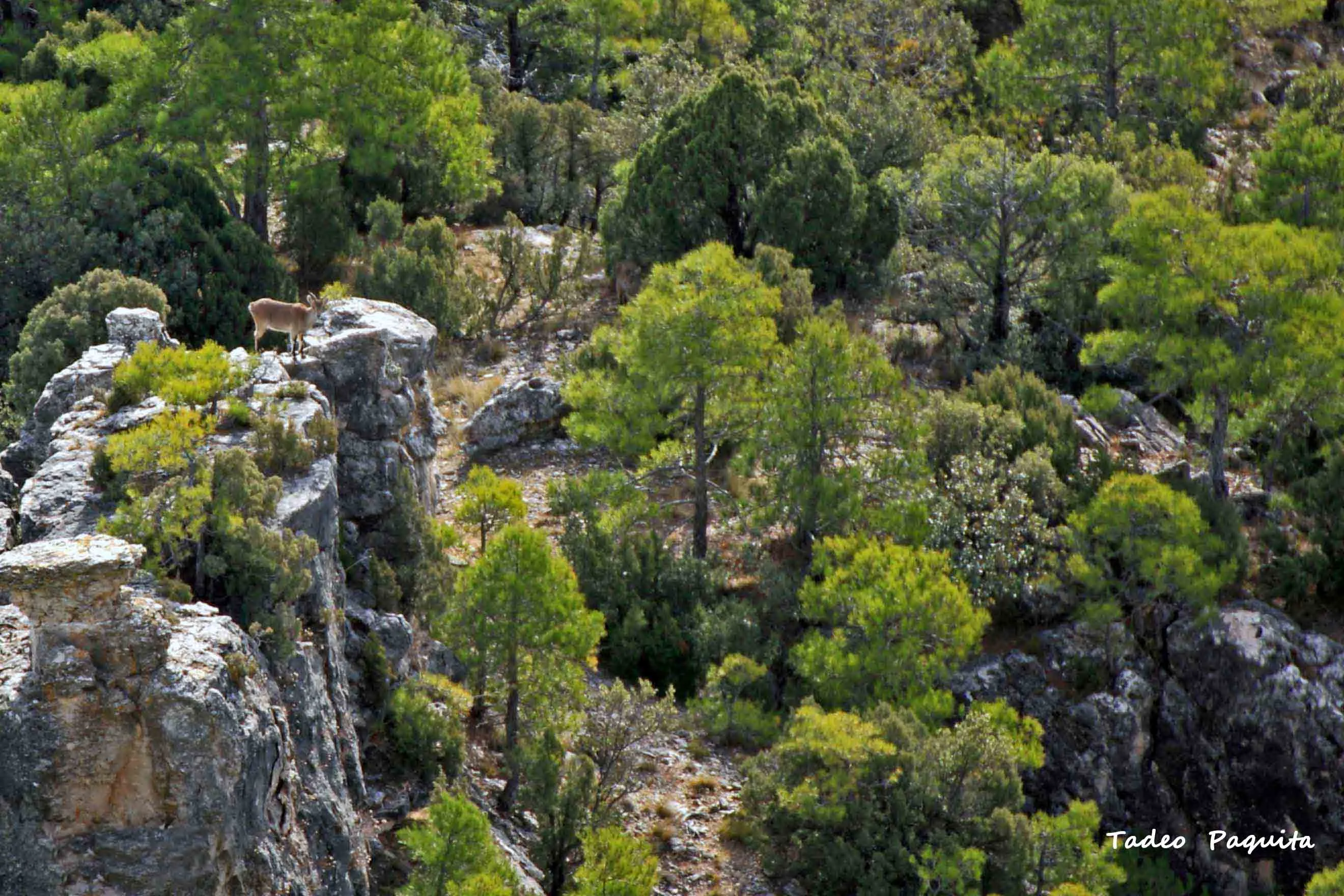
Iberian ibex
Capra pyrenaica
They climb gorges and crags on the edge of the abyss, and when the group is feeding there is always one on watch. At the first sign of danger, they all run.
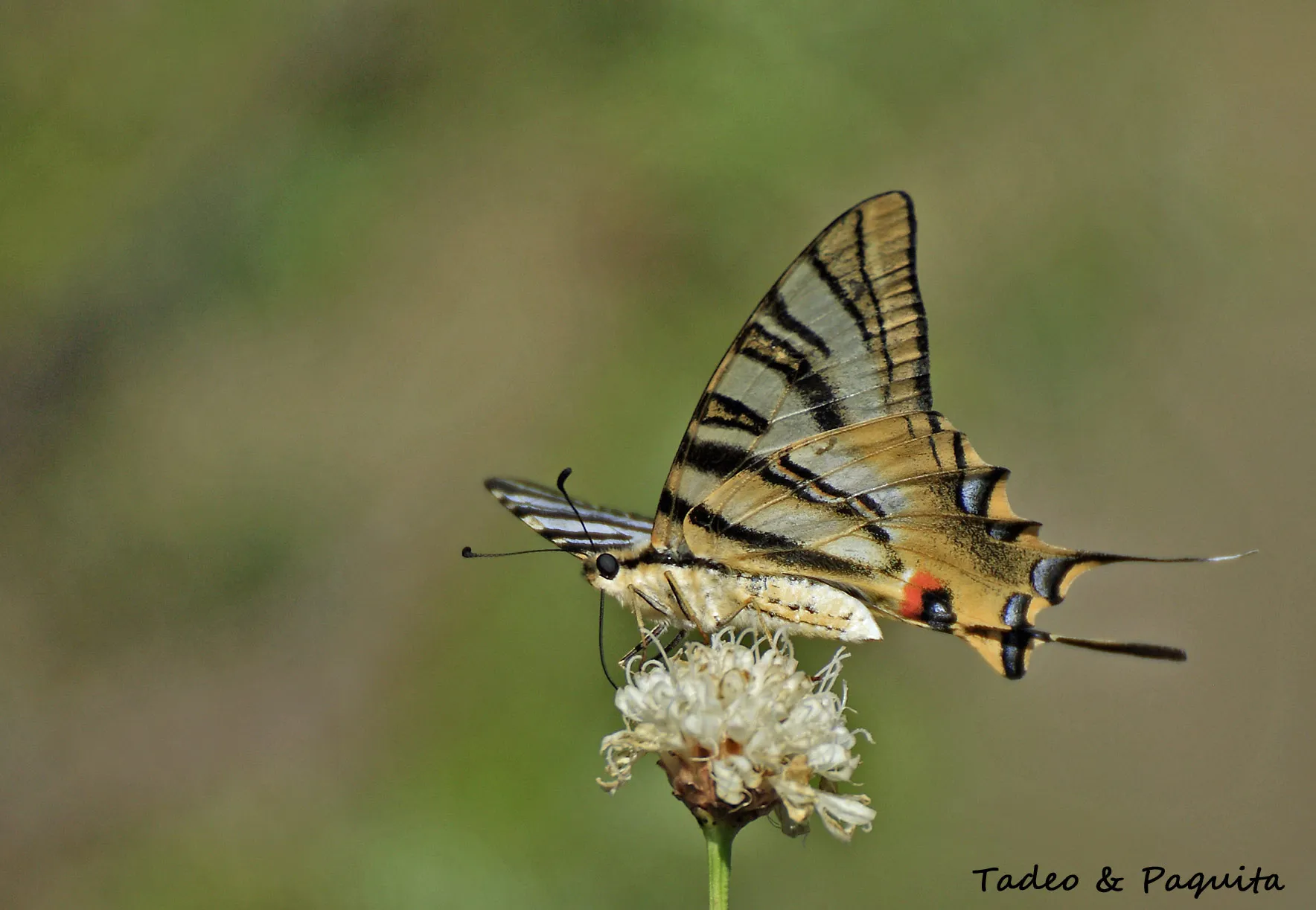
Butterflies
Papallones, palometes
Wings covered in scales and antennae ending in a club. Five families live in the rambla; the nymphalids are the most abundant.