Spiders
Arachnids
Near-blind weavers, hunters lying in wait, and a crab spider that hides in the centre of a flower it has arranged itself.
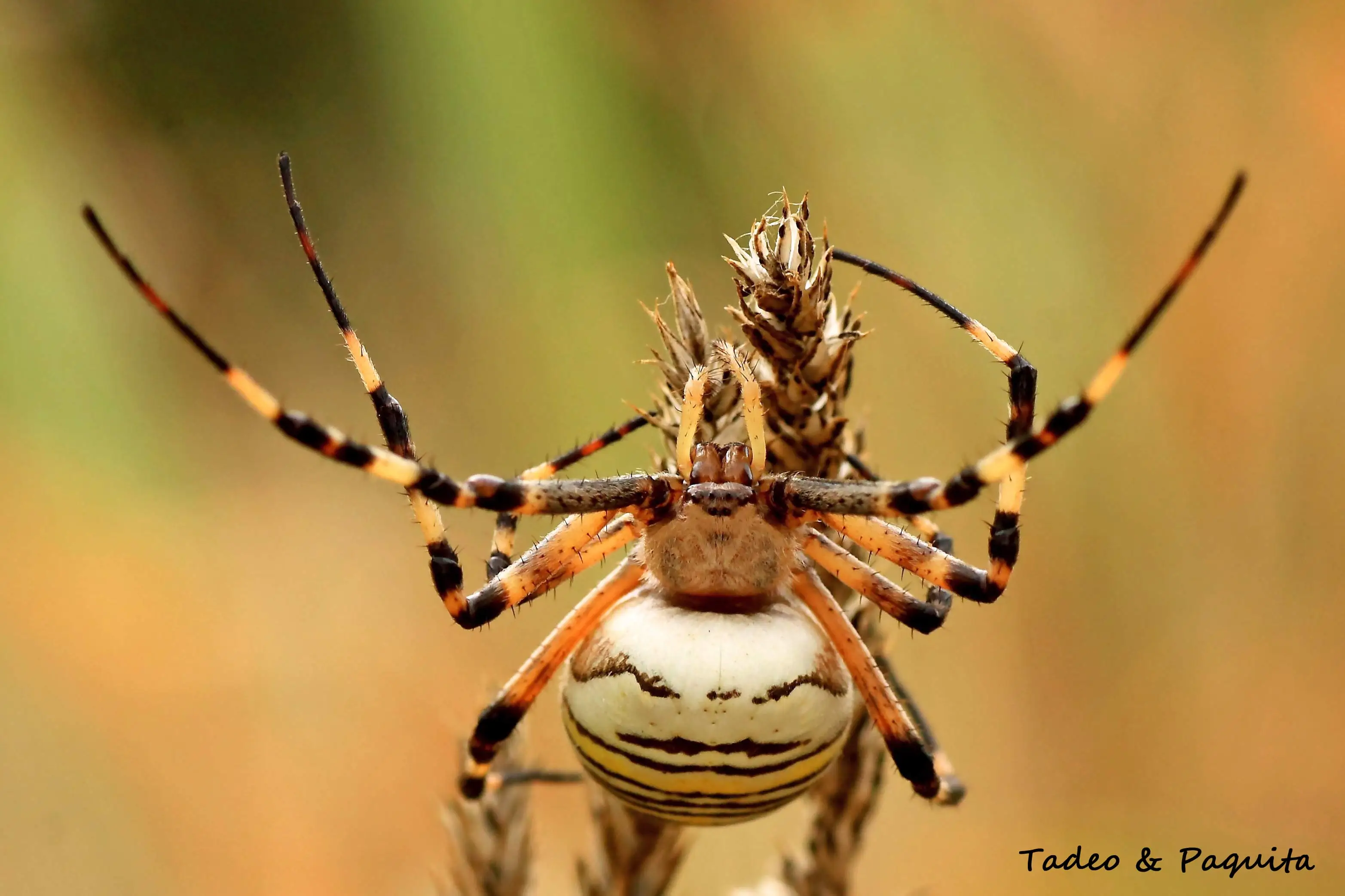
Spiders are land-dwelling, predatory arthropods: they eat various kinds of arthropods, generally smaller than themselves —crickets, flies, bees, grasshoppers, moths and butterflies—. They catch their prey by lying in wait, with snares or webs, or even with a leap. Producing silk is part of a spider’s normal life.
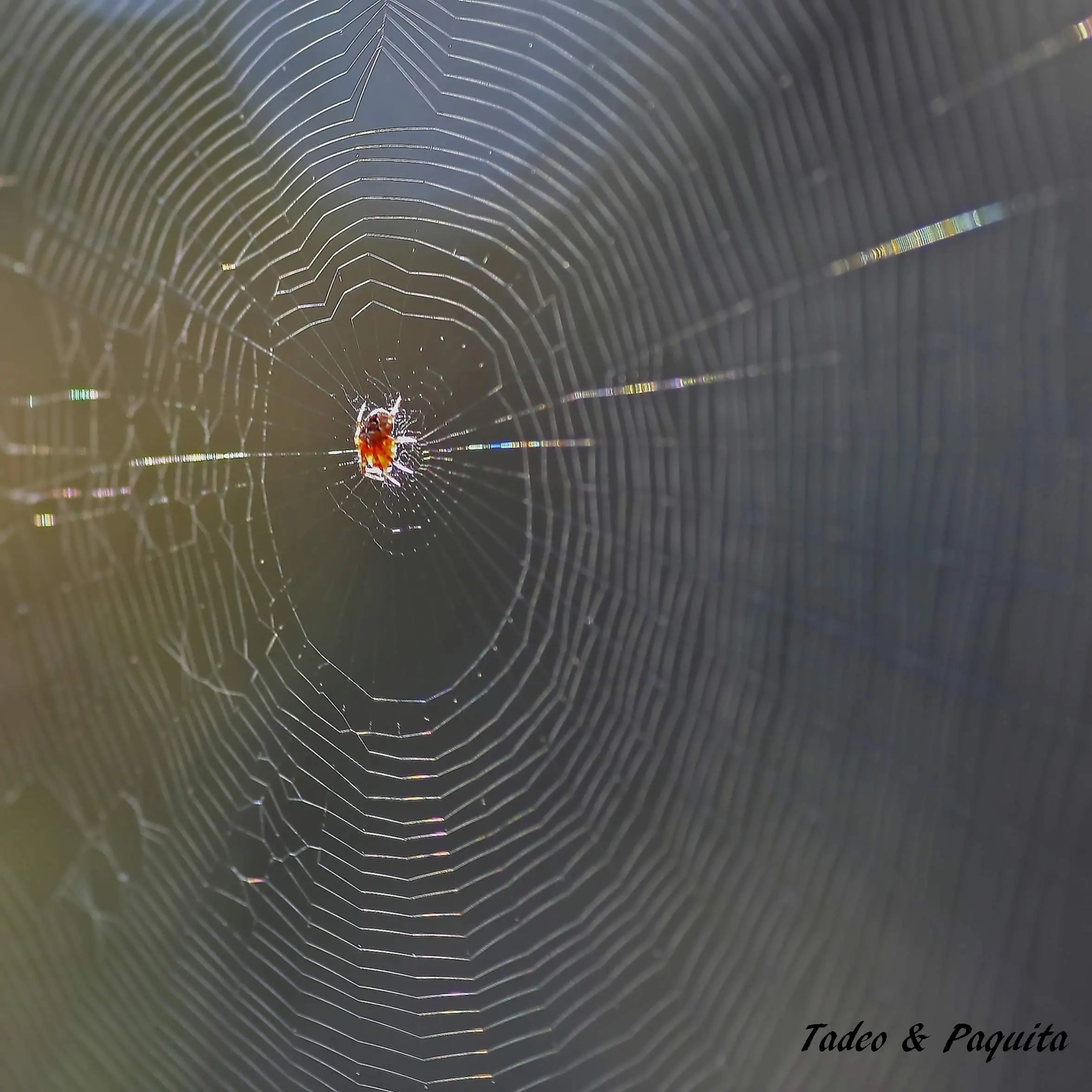
They have spinnerets on the tenth and eleventh ventral segments —spinnerets are specialised legs— and several kinds of glands that secrete different silk threads. The largest gland is the one that makes the so-called safety silk, with which they weave the whole framework. The spider’s web is a marvel of engineering: they make threads of the same quality but of different thickness according to their weight, and they form parachute-like threads that serve them as air transport for travelling, and also for wrapping up their prey.
Some spiders have eight eyes, though most do not see very well with them. Web-spinning spiders are almost blind: they rely above all on touch and smell.
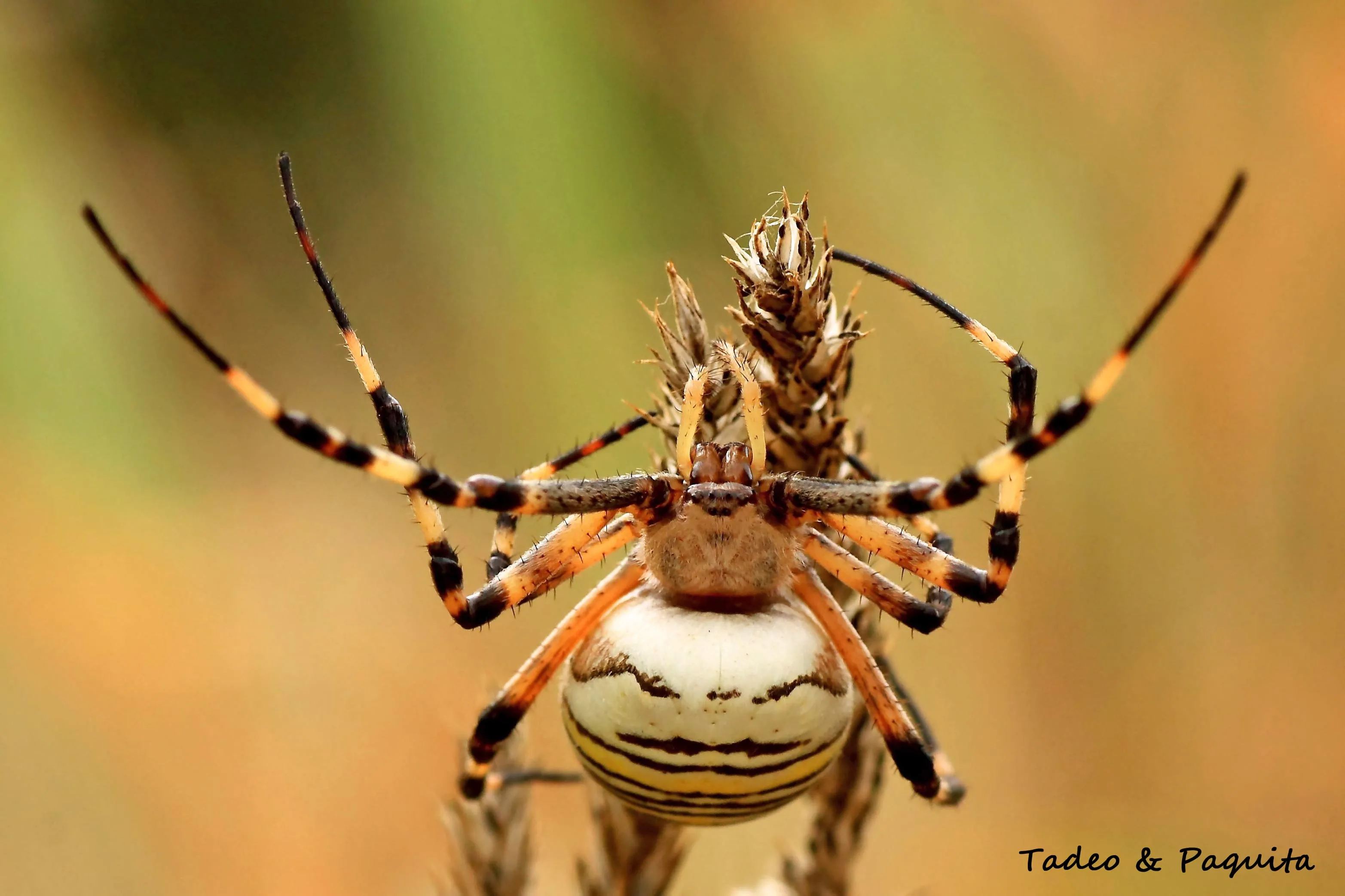
Wasp spider
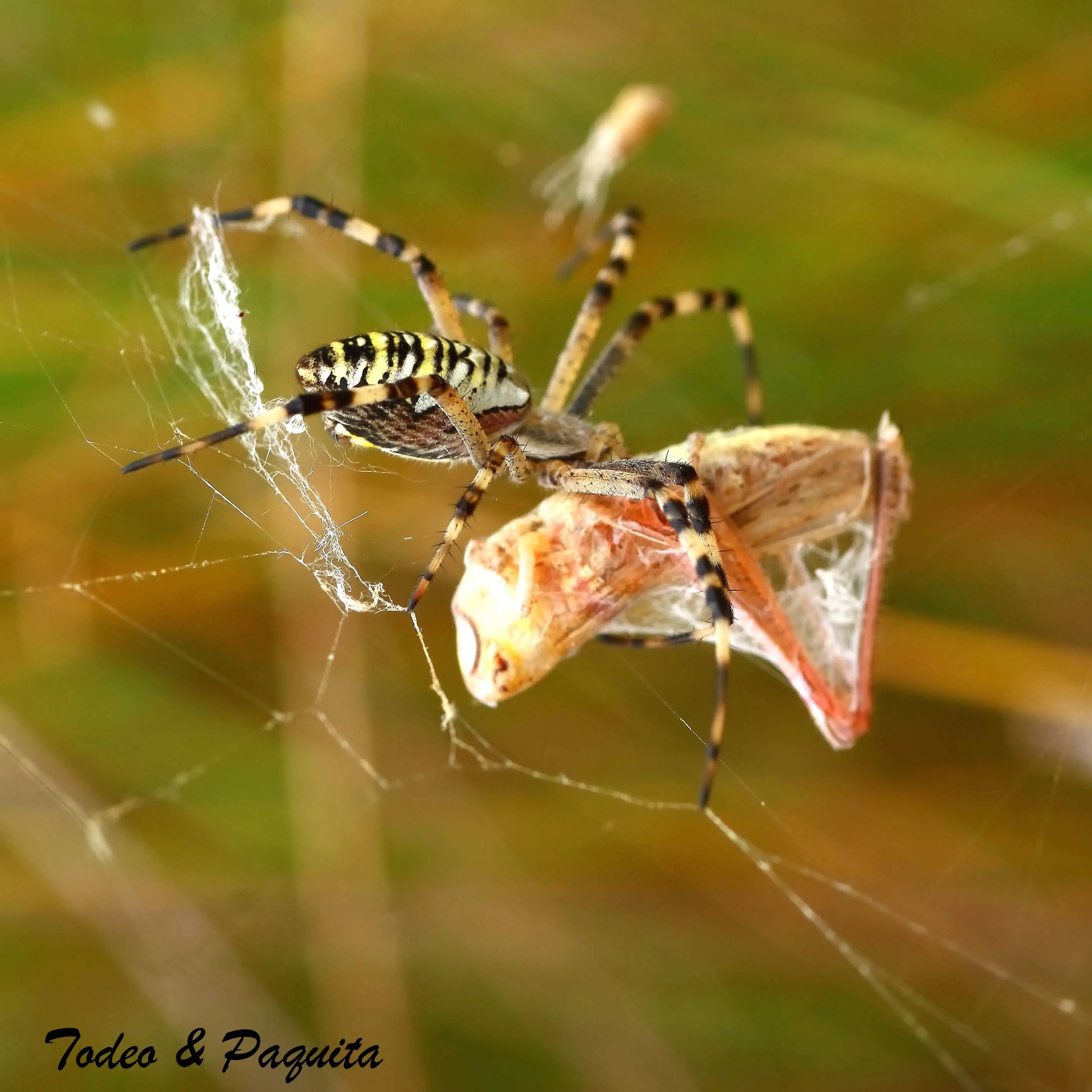
The wasp spider builds geometric webs to catch its prey, which it keeps wrapped up in them. As proof, the grasshopper that crossed its path.
Tarantula or wolf spider
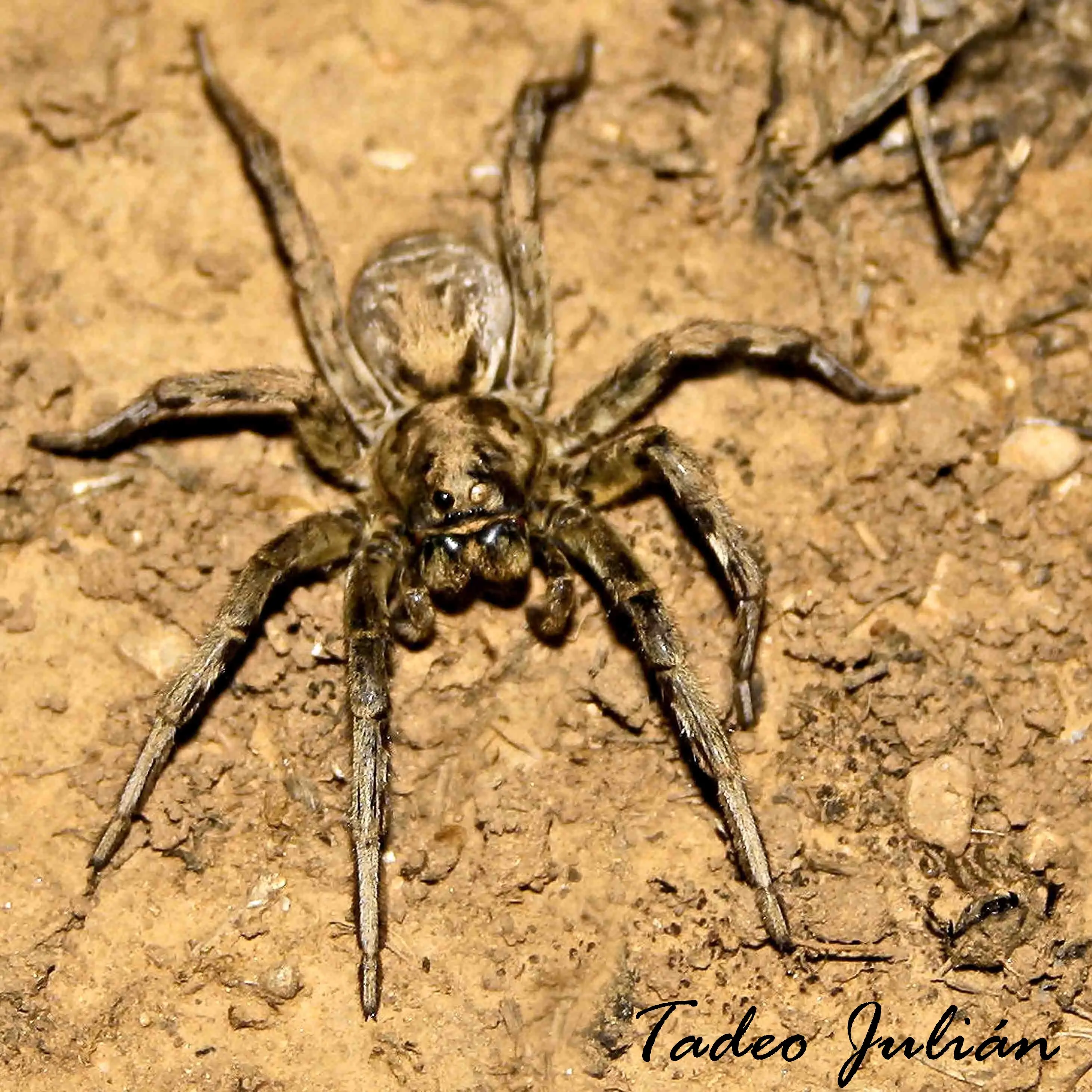
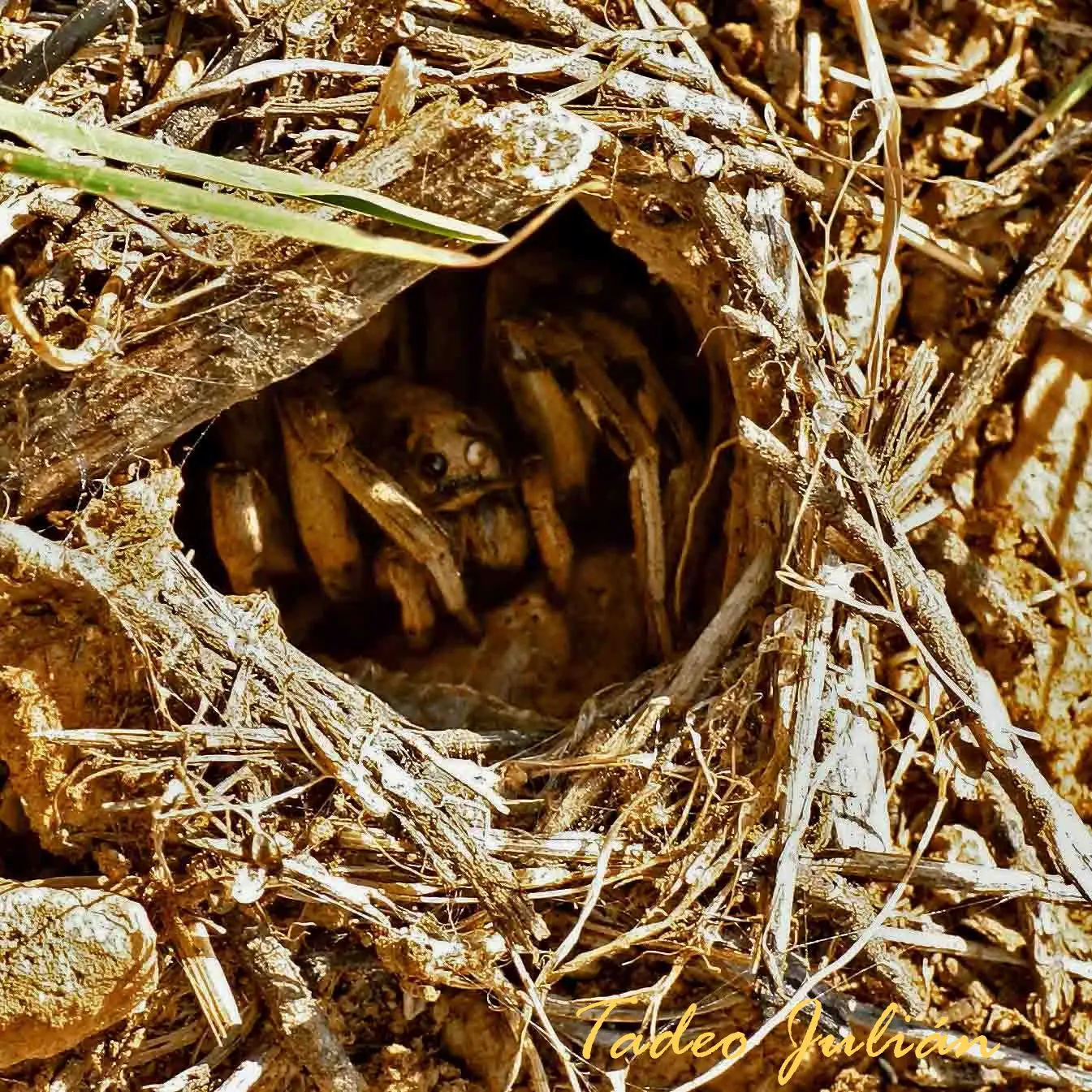
Seen close up, its face looks like a wolf’s; hence its name, and also because of the way it hunts: it does not spin a web to catch its prey, but crouches at the entrance to its burrow, on stony ground. The burrow is spherical and vertical, as the photograph shows, lined with twigs and vegetation bound together with silk, and it rises above the ground like a wall, so that when it rains no water gets in. Both female and male use the burrow to overwinter.
Lynx spider
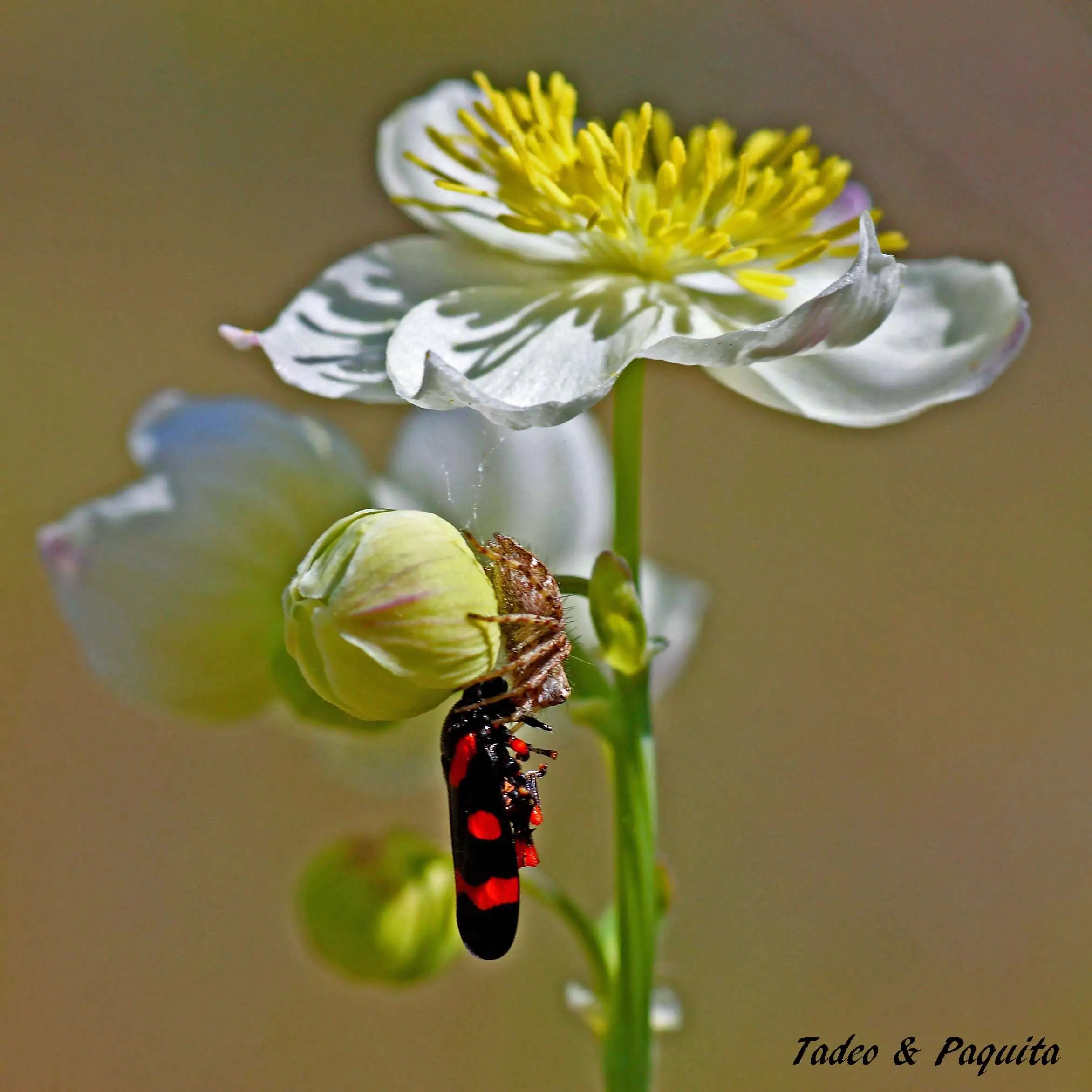
Oxyopes lineatus. It hunts its prey by running and jumping. Its eyesight is powerful: it has six eyes. In the photograph you can see how it holds, with the claws on its legs, a froghopper larger than itself (Cercopis intermedia).
Crab spider
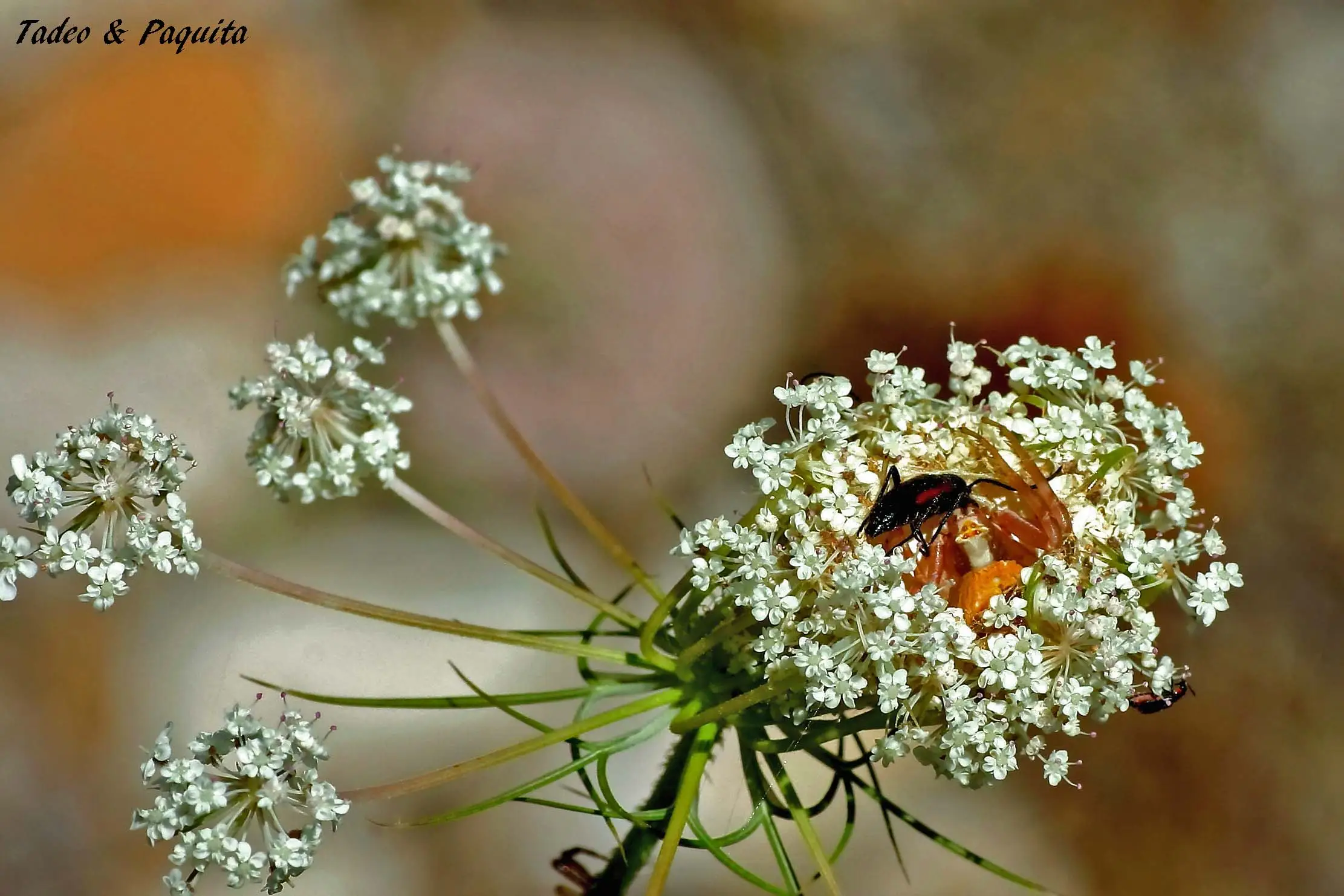
Misumena vatia. Its body looks like a crab’s. It has set its trap for its victims in a surprising way: it is camouflaged in the centre of a flower that it has itself put together by joining several small flowers, and it sits in the middle as if it were the stamens. It takes on the colour of the flower and so is perfectly camouflaged, waiting for some insect to arrive. Its two front pairs of legs are larger, and with its jaws it injects the venom with which it paralyses its prey.
More in Fauna
See the whole sectionBirds of prey
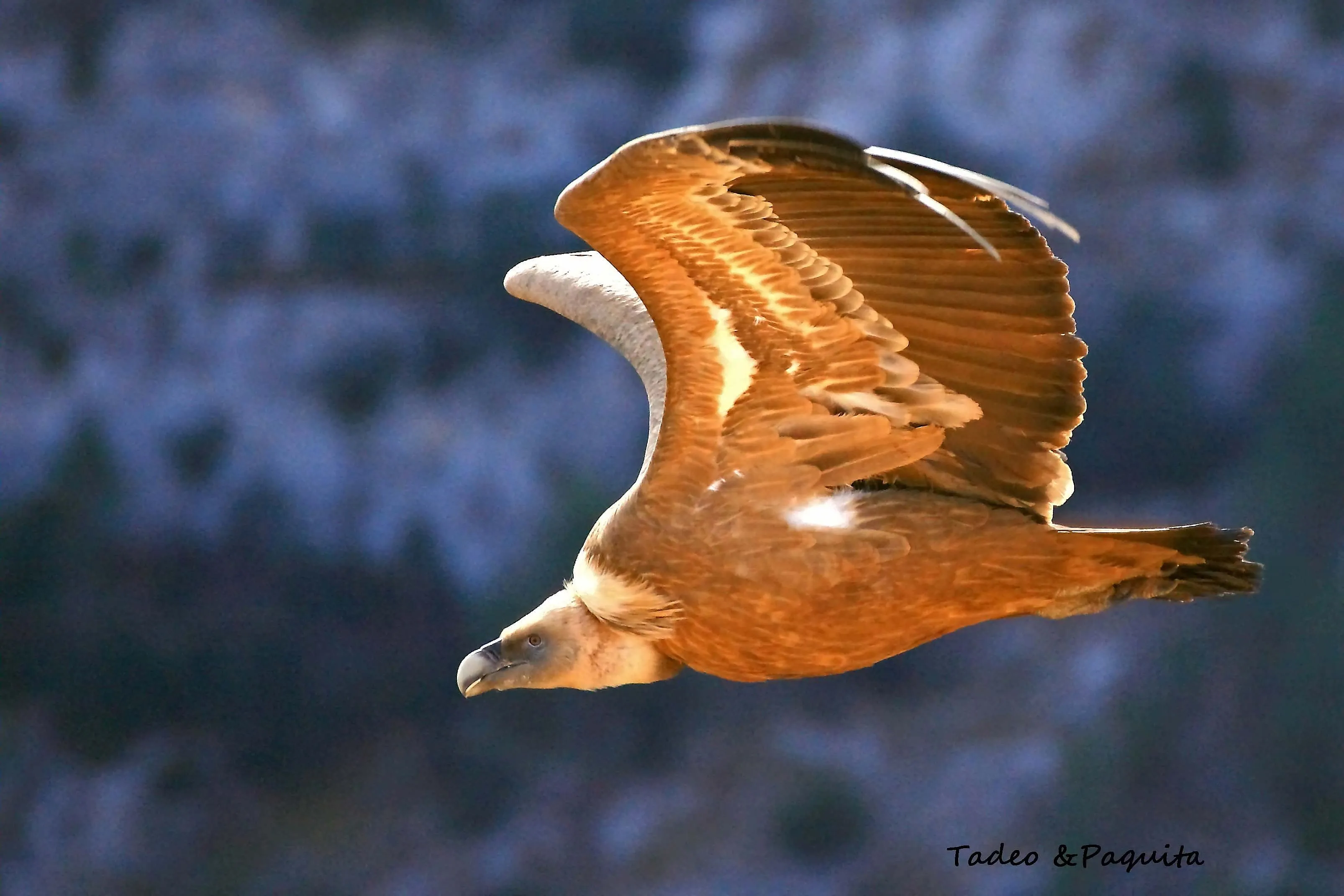
Griffon vulture and peregrine falcon
Several mornings crouched under a camouflage net at the top of the Roca Parda, until they captured the majestic flight of the vultures.
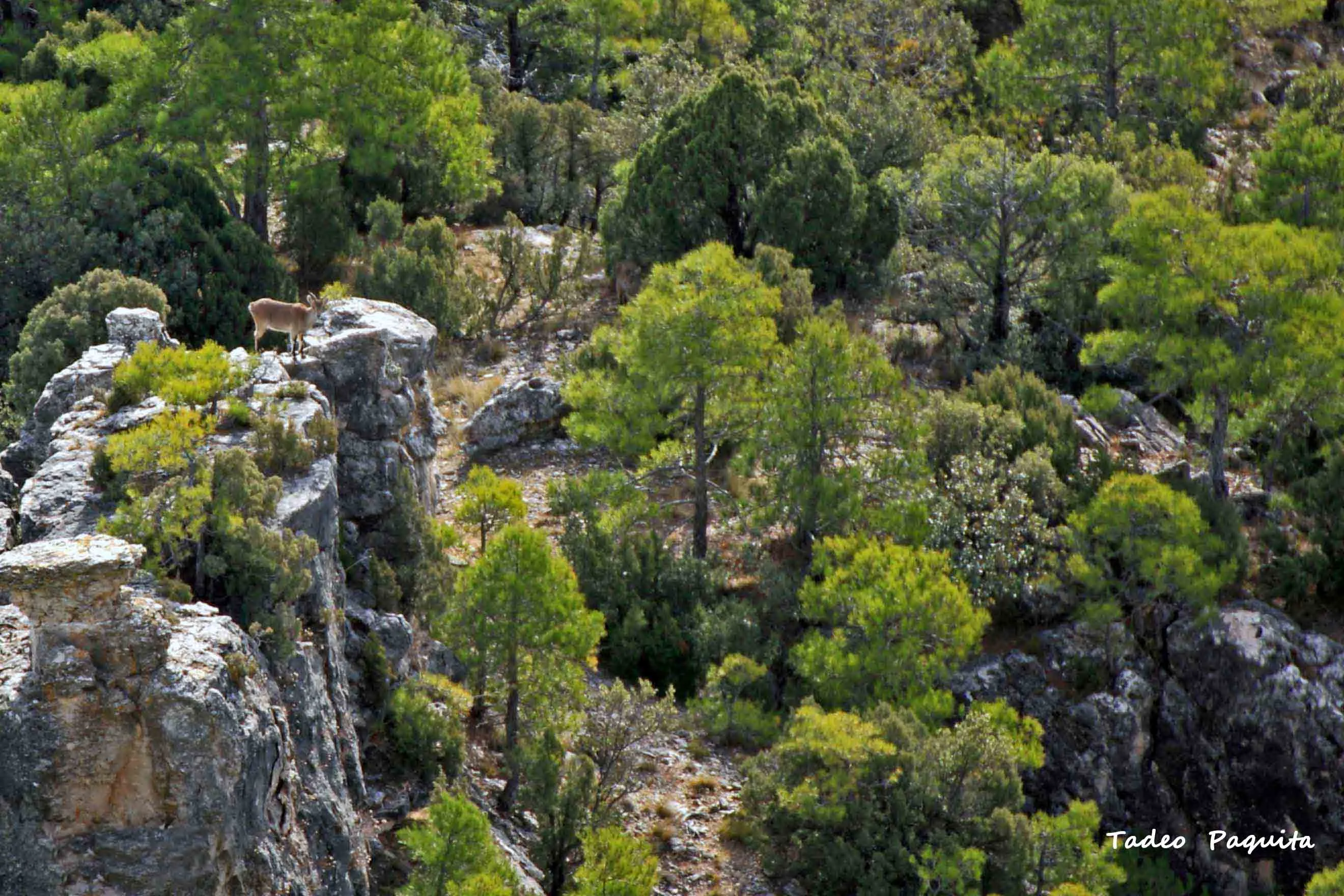
Iberian ibex
Capra pyrenaica
They climb gorges and crags on the edge of the abyss, and when the group is feeding there is always one on watch. At the first sign of danger, they all run.
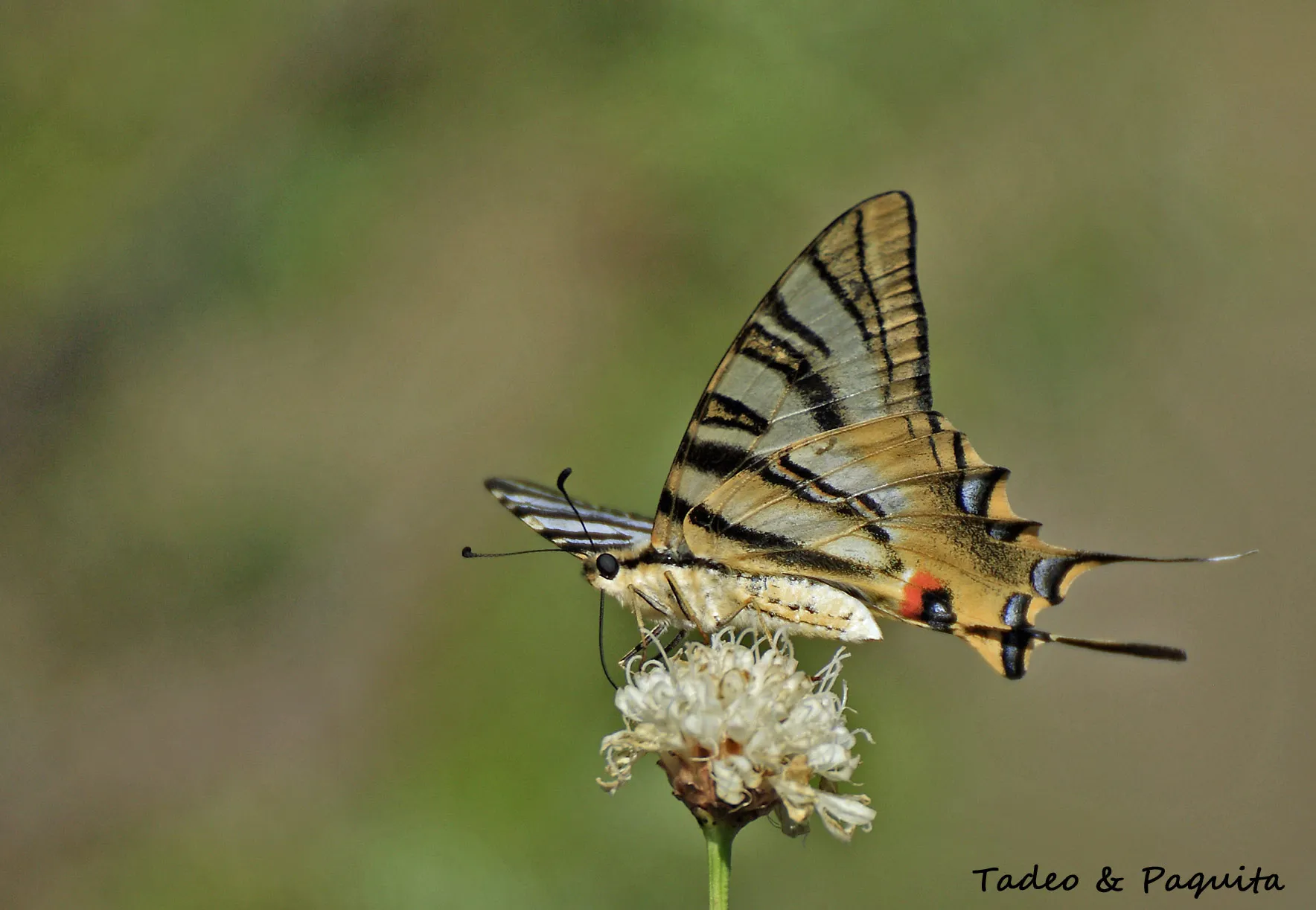
Butterflies
Papallones, palometes
Wings covered in scales and antennae ending in a club. Five families live in the rambla; the nymphalids are the most abundant.