Bees, wasps and ants
Hymenoptera
Societies of queens and daughters, swarms that rest while the scouts look for a home, mud nests shaped like pots, and the traps of the antlions.
Bees, wasps and ants, known as hymenopterans, are social insects and an admirable example of organisation. Most species of this order are very useful to people, whether as pollinators or as biological controllers of pests.
Bees
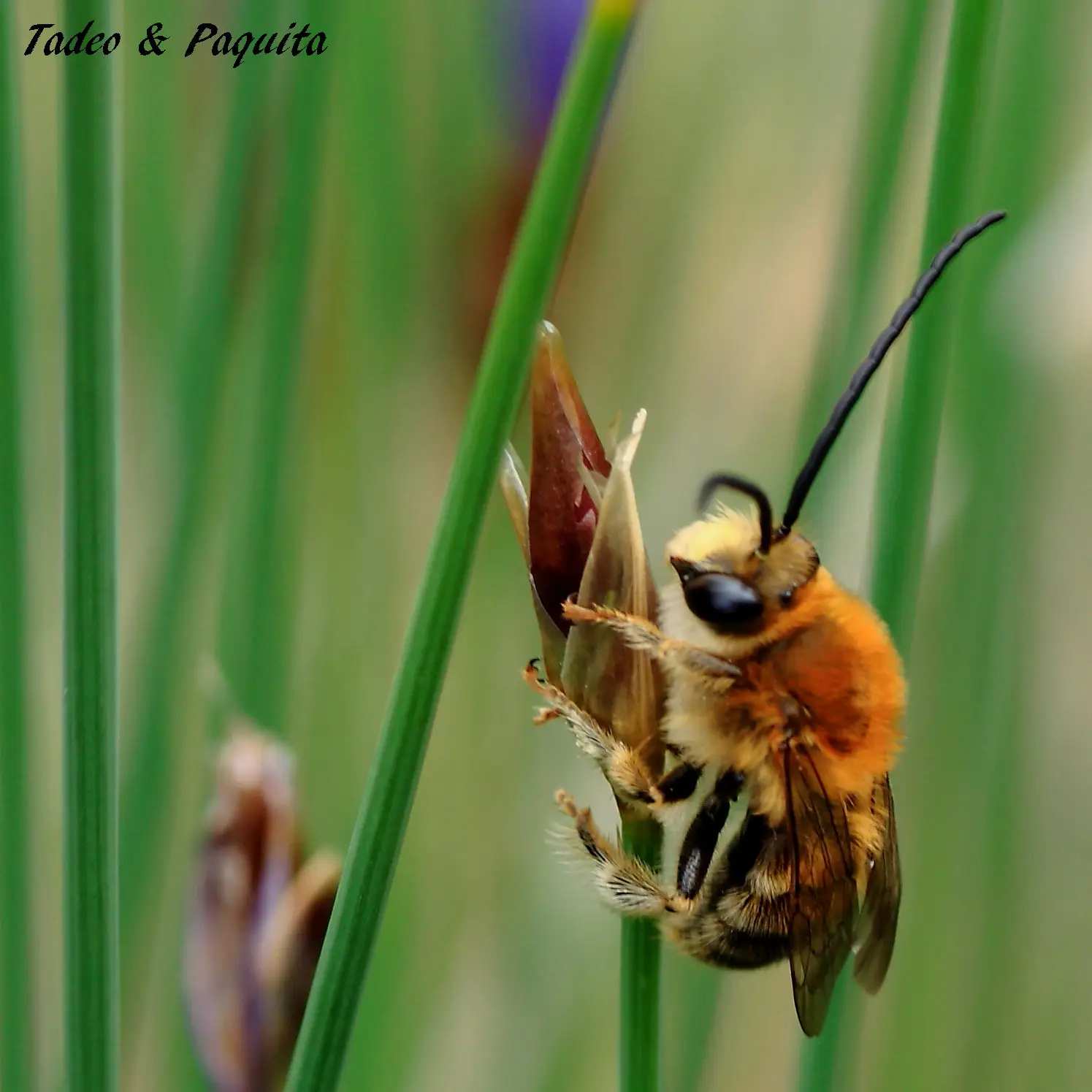
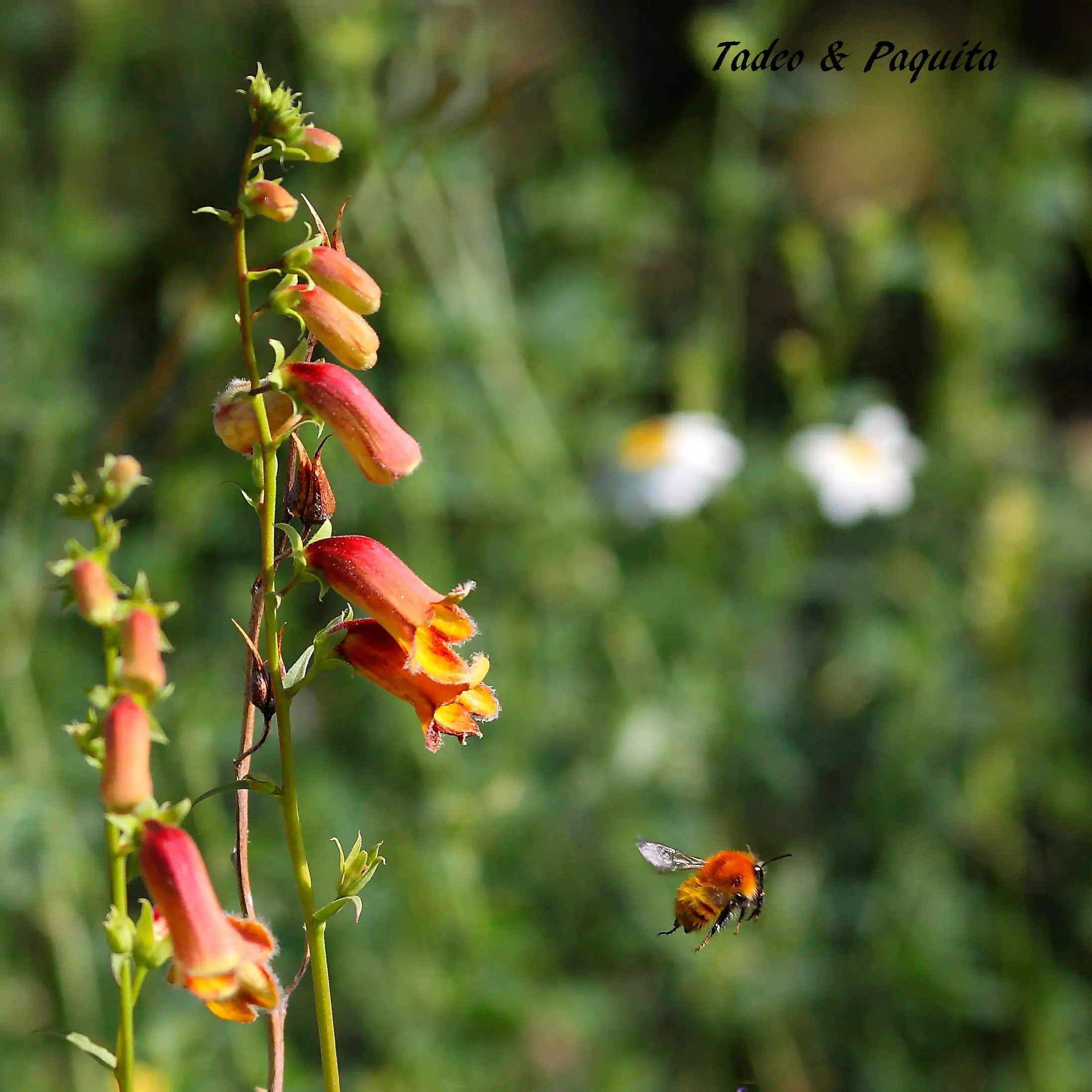
The honey bee (abella) forms large and long-lasting societies. The society is made up of the queen and her daughters, who do all the work: they build the comb from wax, and in its cells the queen lays her eggs. The queen is fertilised only once and remains fertile all her life. She lays up to 2,000 eggs a day over a life of three to five years. The workers decide whether an egg will produce a male, or drone, or a worker. Some individuals act as guards and protect the colony.
When the colony becomes overcrowded, a queen and some workers form a swarm. While the scout bees look for a place to found the new colony, the swarm rests.
Bumblebees
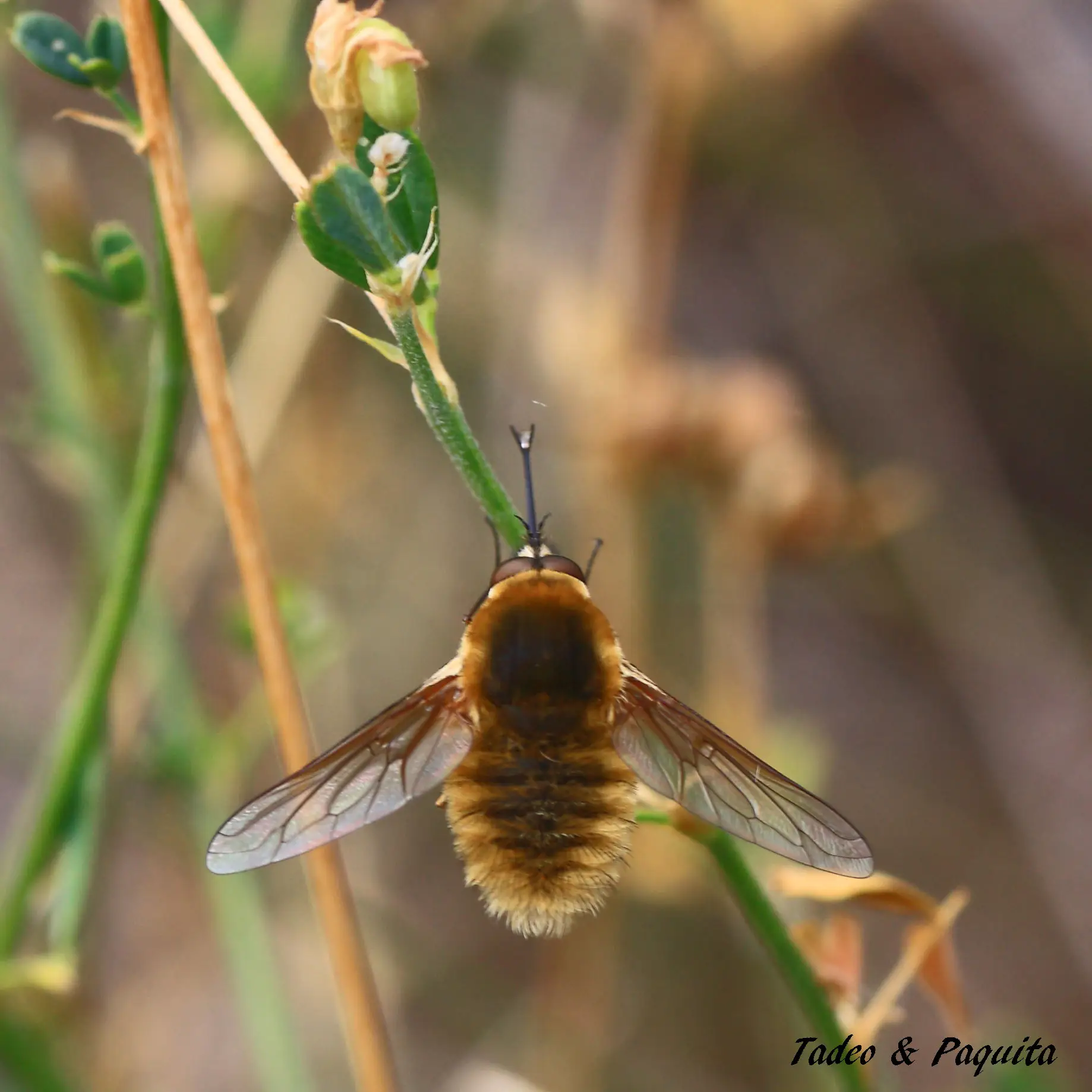
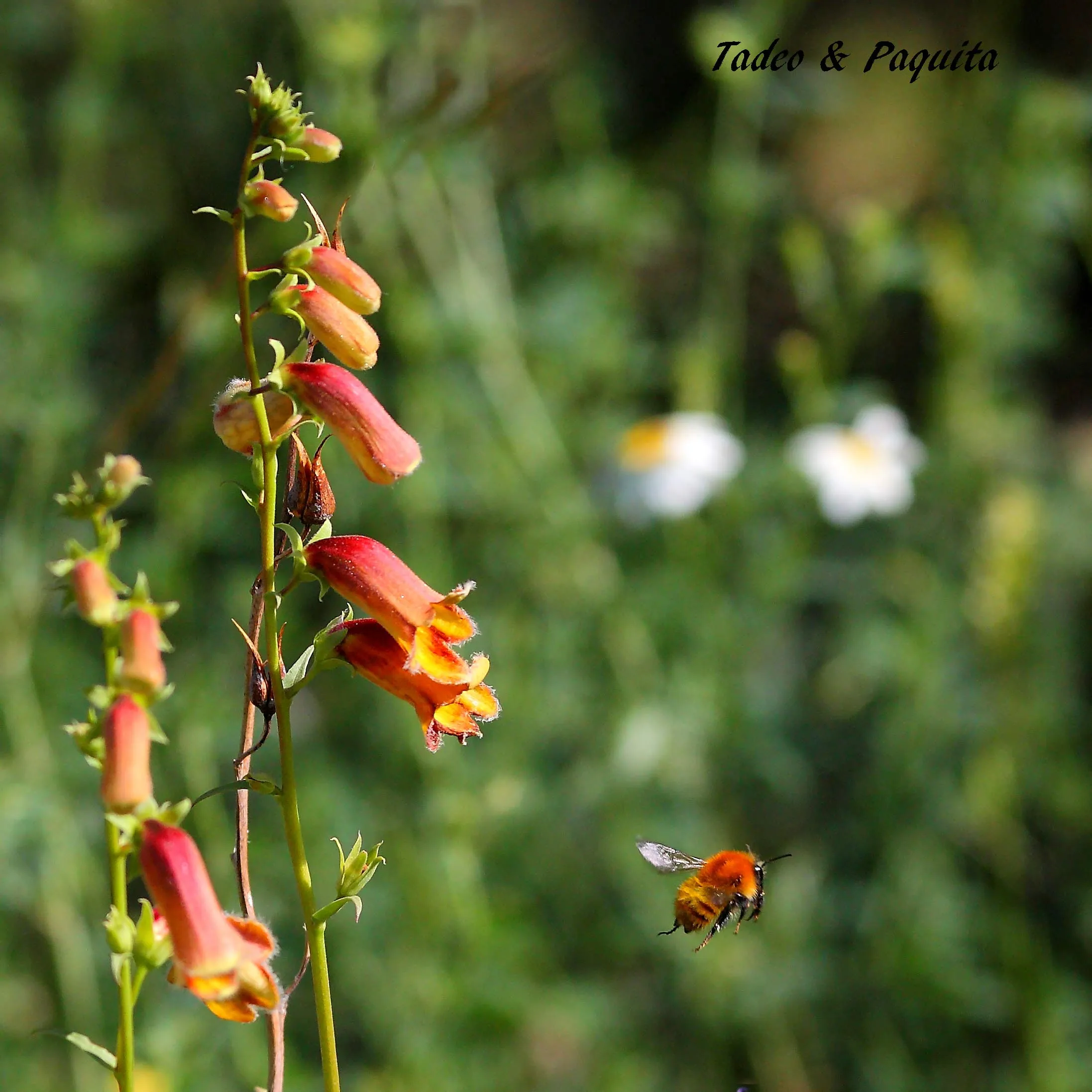
Bumblebees (Bombus) belong to the bee group. They too feed their larvae on pollen and honey, but theirs is a society in which the dominant queen does not hesitate to use physical aggression.
Wasps
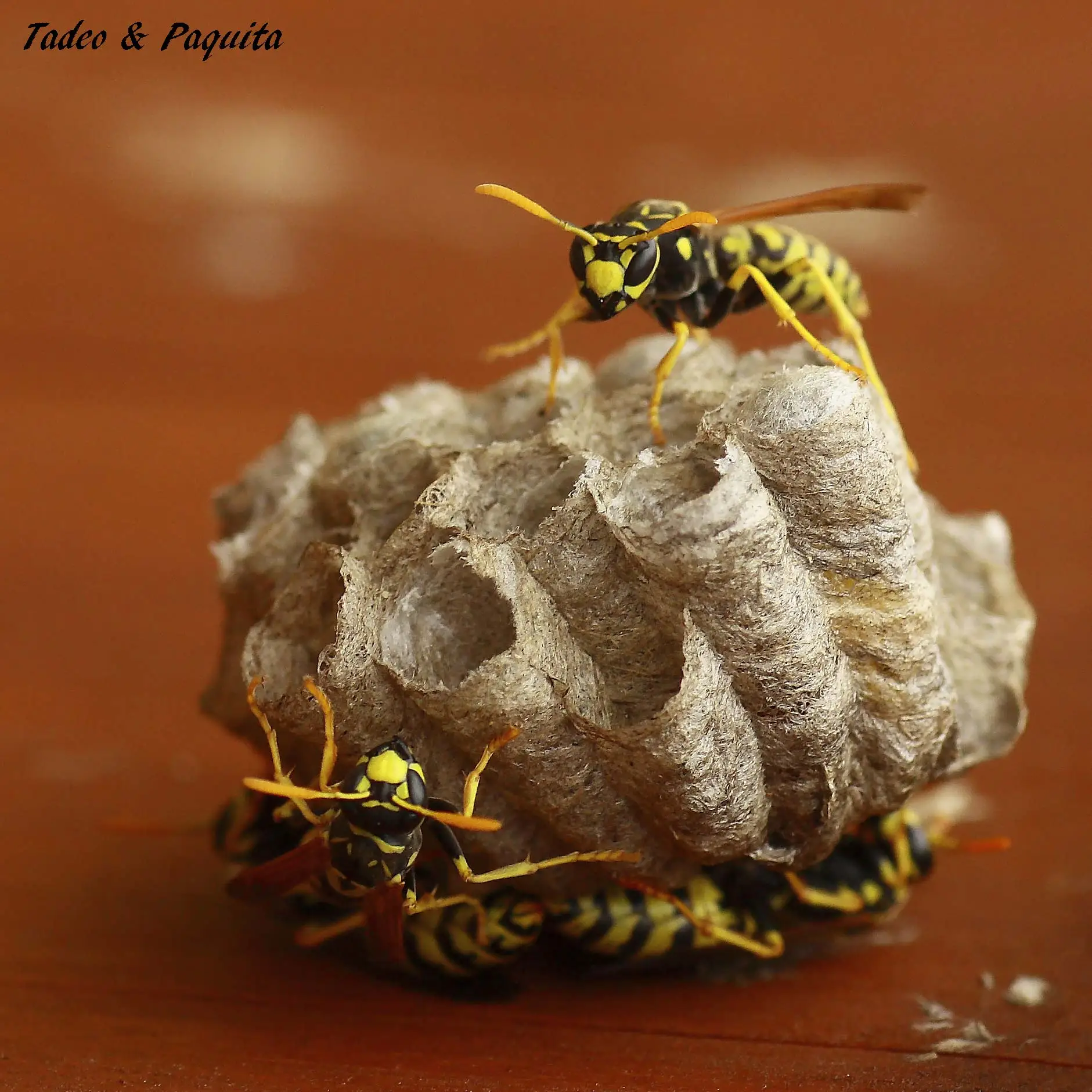
Vespes. Wasp societies consist of the mother and her offspring, all daughters. The males appear when the society is mature, and their only function is to fertilise the females, after which they die. They are fed by the workers.
Wasp societies are temporary and break up in autumn; before that, males and females perform the nuptial flight for fertilisation. The males die and the queens spend the winter dormant, until in spring they start a new nest.
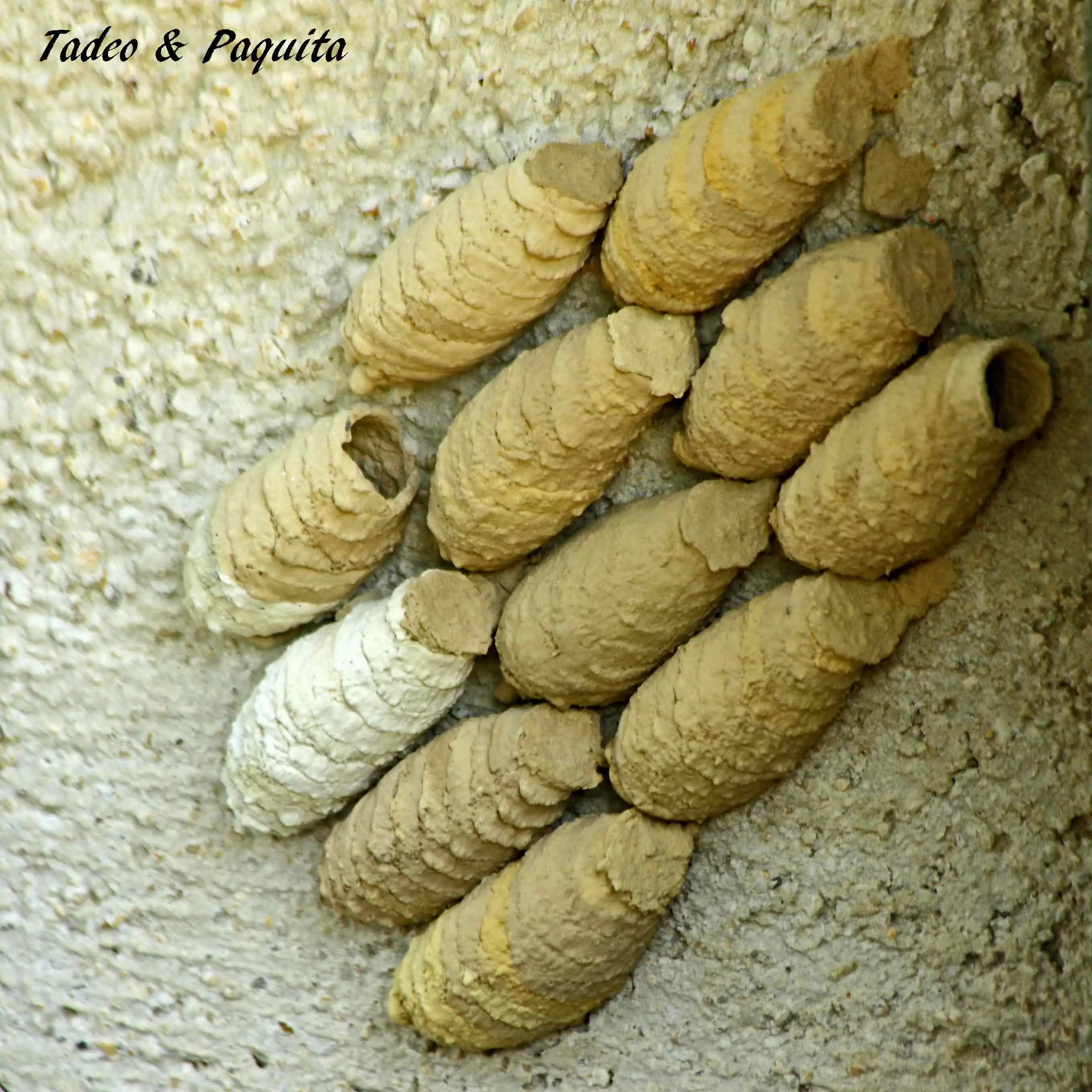
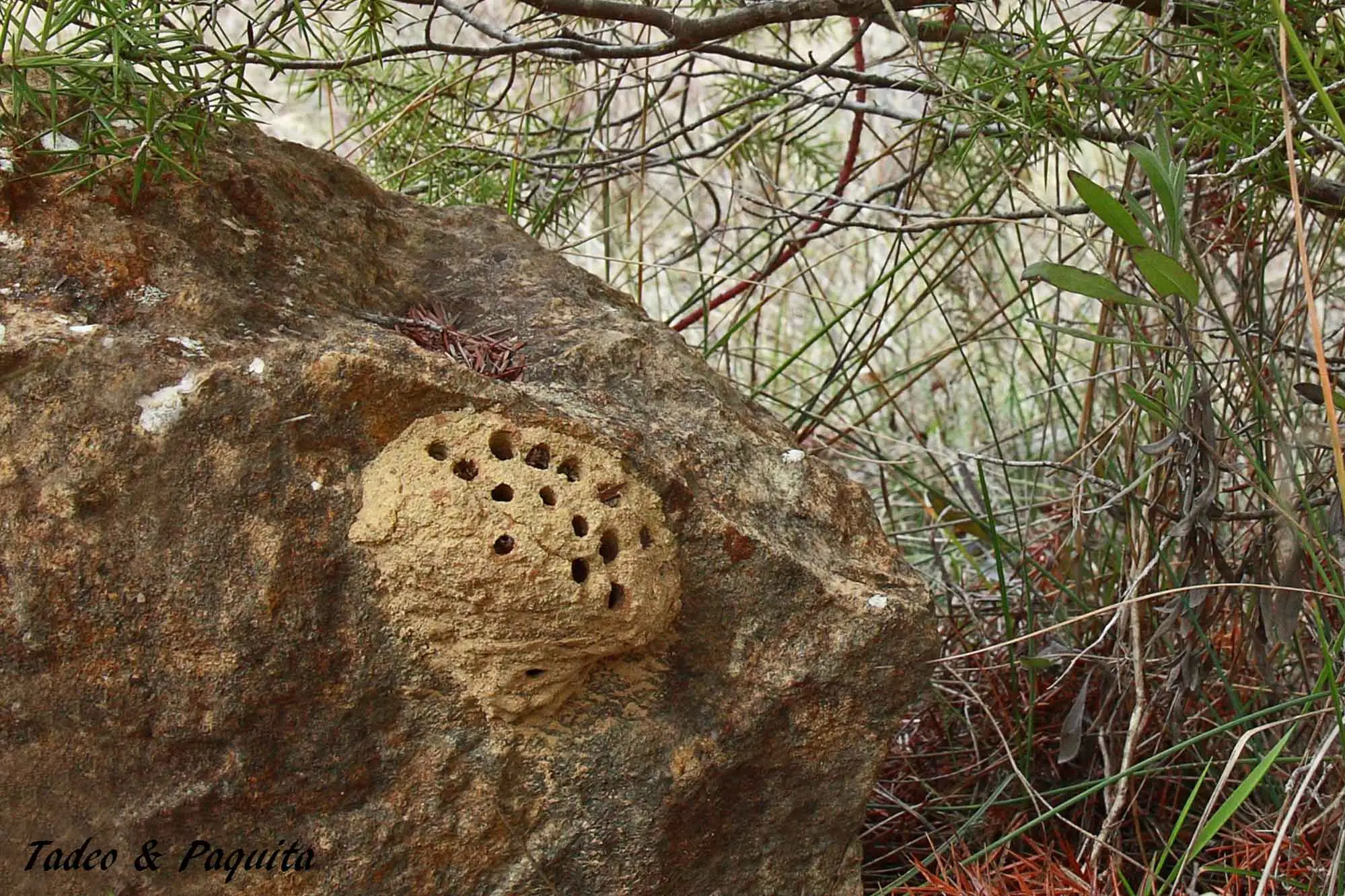
Potter wasps are a subfamily of the common wasps; they are solitary and predatory, and feed by attacking web-spinning spiders and caterpillars. They are so called because they build their nest out of mud, in the shape of a pot or of organ pipes, and attach it to stems or walls. There are two or three generations a year.
Ants
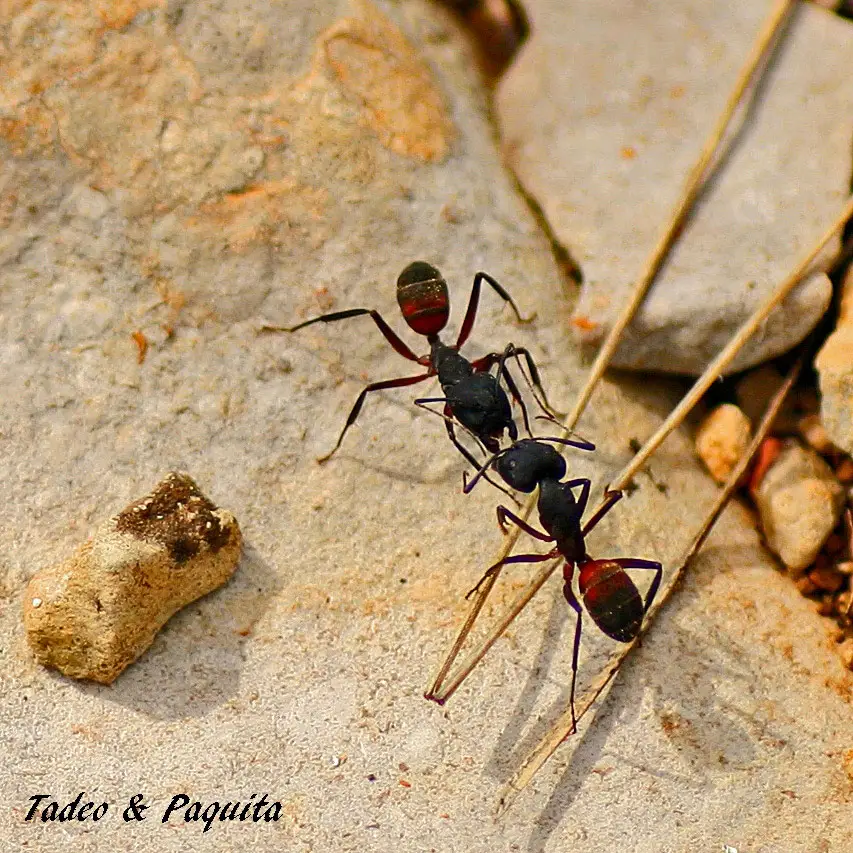
Formigues. Ants are social species. Size and shape vary from one species to another. Among their characteristics are the jointed antennae and the bump on the slender stalk joining the thorax to the abdomen. Their society is also made up of the mother queen —here there may be several queens— and her daughters, who form very large nests. They are terrestrial animals: they make their nests in the ground and also in tree trunks. Unlike the other hymenopterans, the workers have no wings.
Antlions
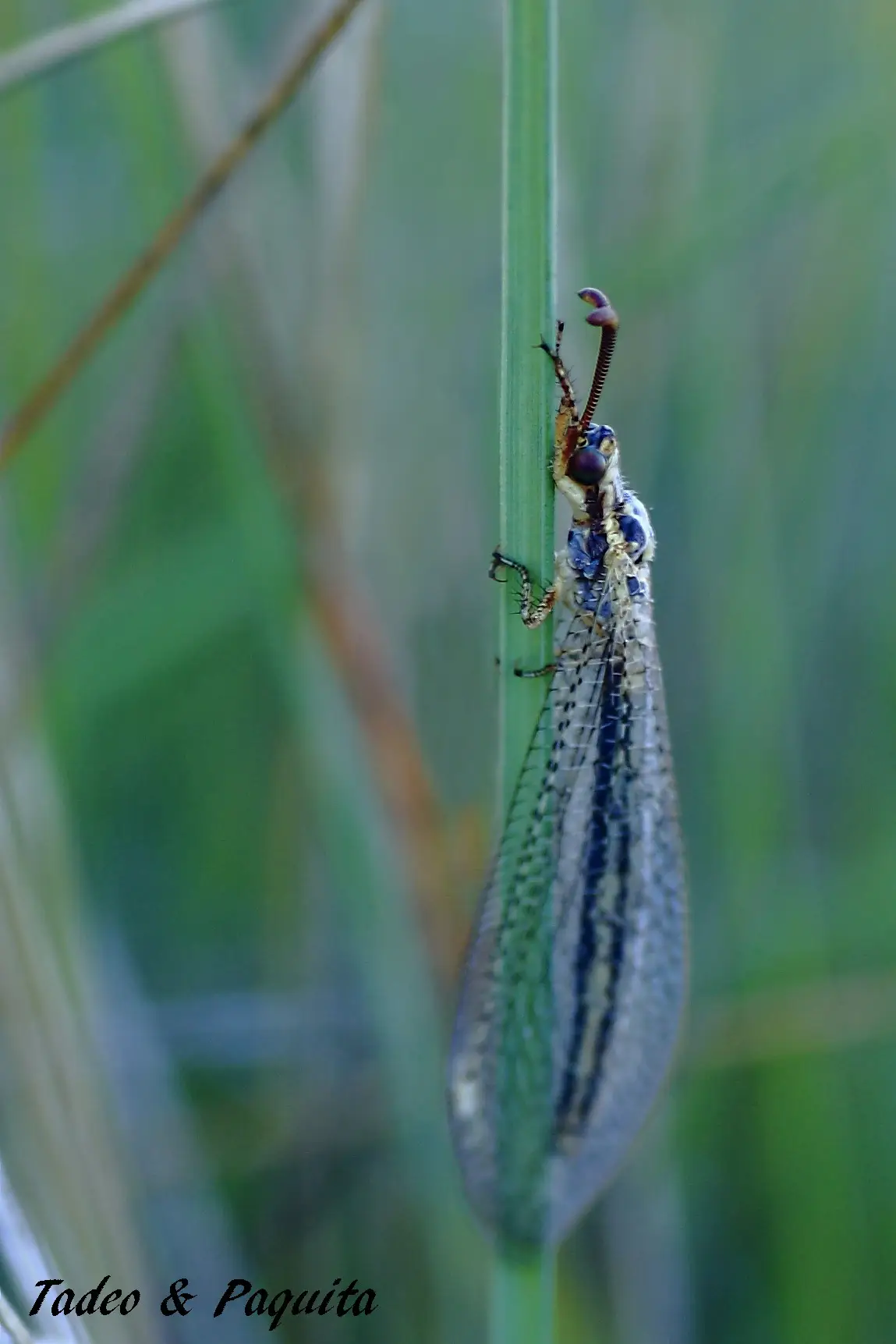
The so-called antlions belong to the order Neuroptera —which means “nerve-winged”— and owe their name to the fact that their prey is mostly ants. The larvae look ferocious, and so is their way of catching their victims: they live buried in sand at the bottom of a funnel, and the small insects that fall in cannot escape and are seized by their jaws.
The adults resemble dragonflies, but lack their power of flight, and are distinguished by their long, sturdy antennae.
More in Fauna
See the whole sectionBirds of prey
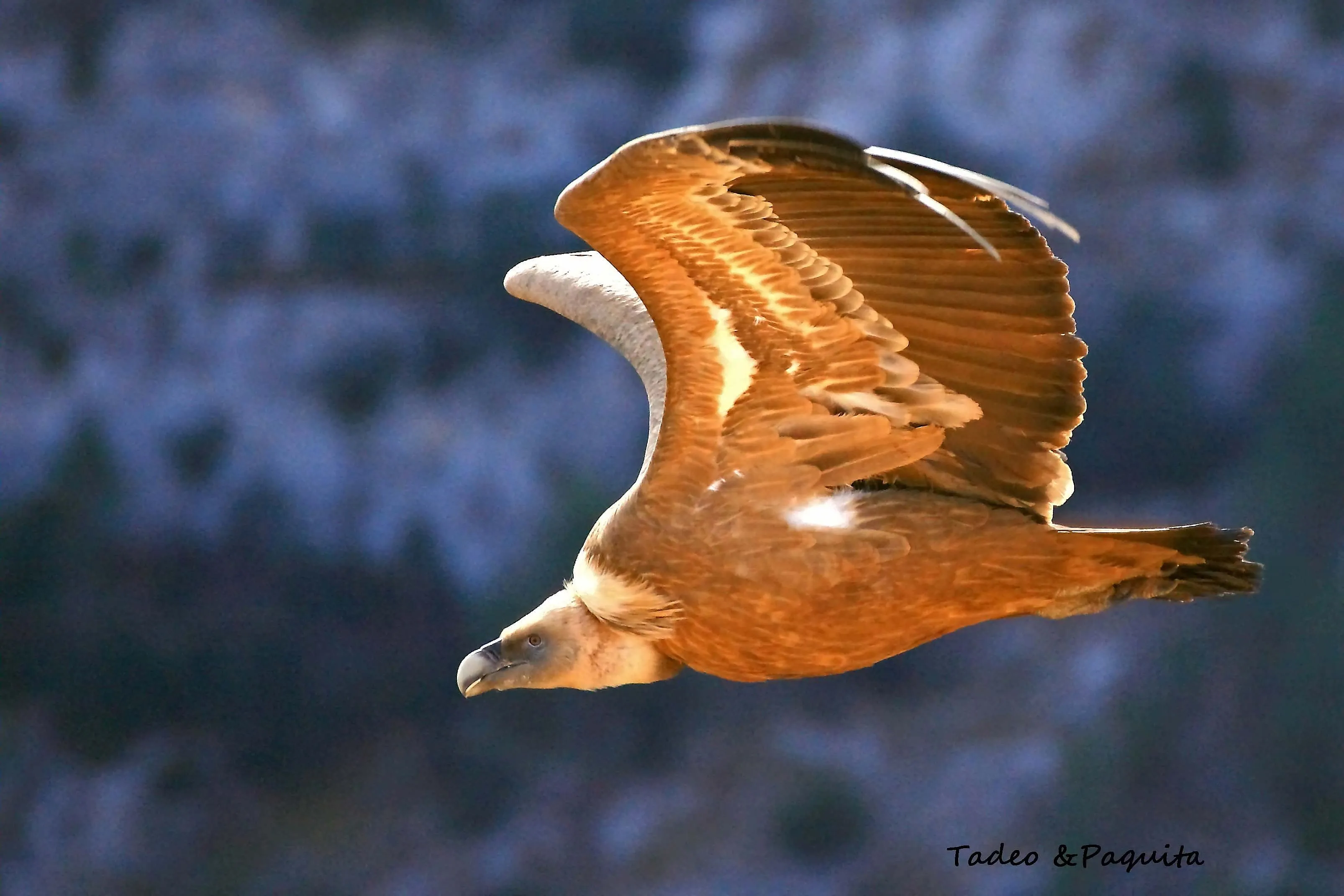
Griffon vulture and peregrine falcon
Several mornings crouched under a camouflage net at the top of the Roca Parda, until they captured the majestic flight of the vultures.
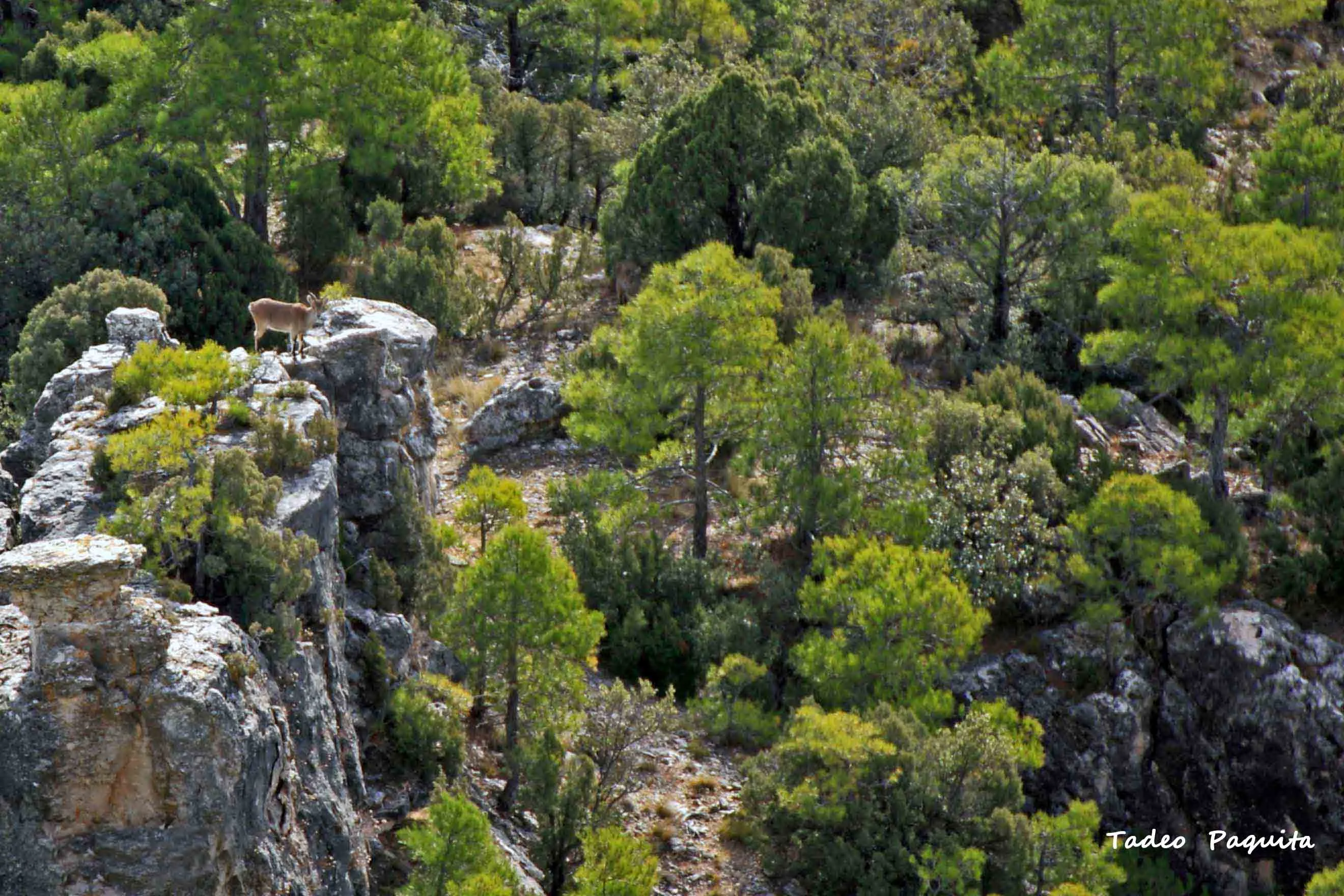
Iberian ibex
Capra pyrenaica
They climb gorges and crags on the edge of the abyss, and when the group is feeding there is always one on watch. At the first sign of danger, they all run.
Butterflies
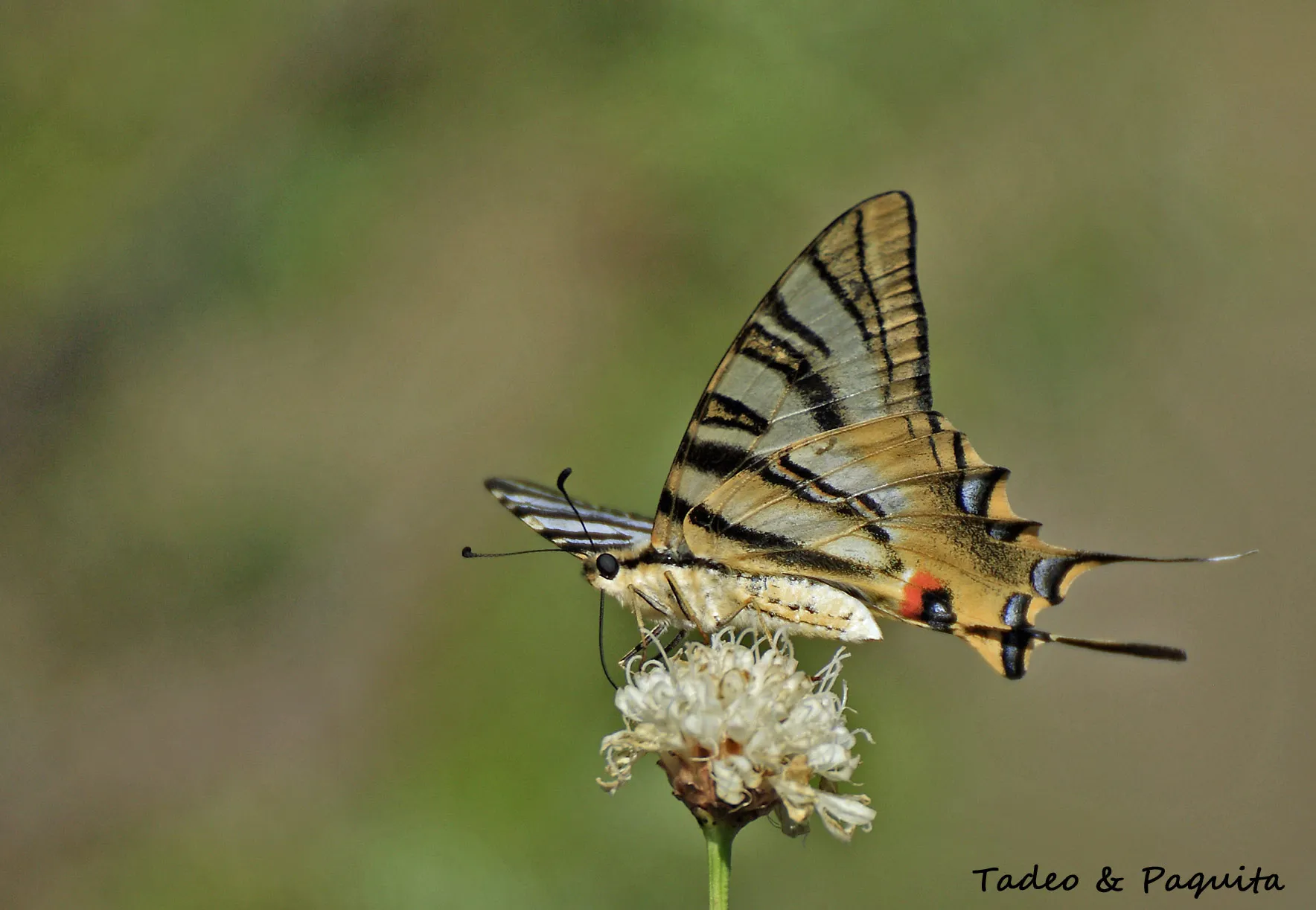
Papallones, palometes
Wings covered in scales and antennae ending in a club. Five families live in the rambla; the nymphalids are the most abundant.