Lichens
An alga and a fungus
Two organisms that cannot live apart, so sensitive to pollution that their presence or absence tells you about the quality of the air.
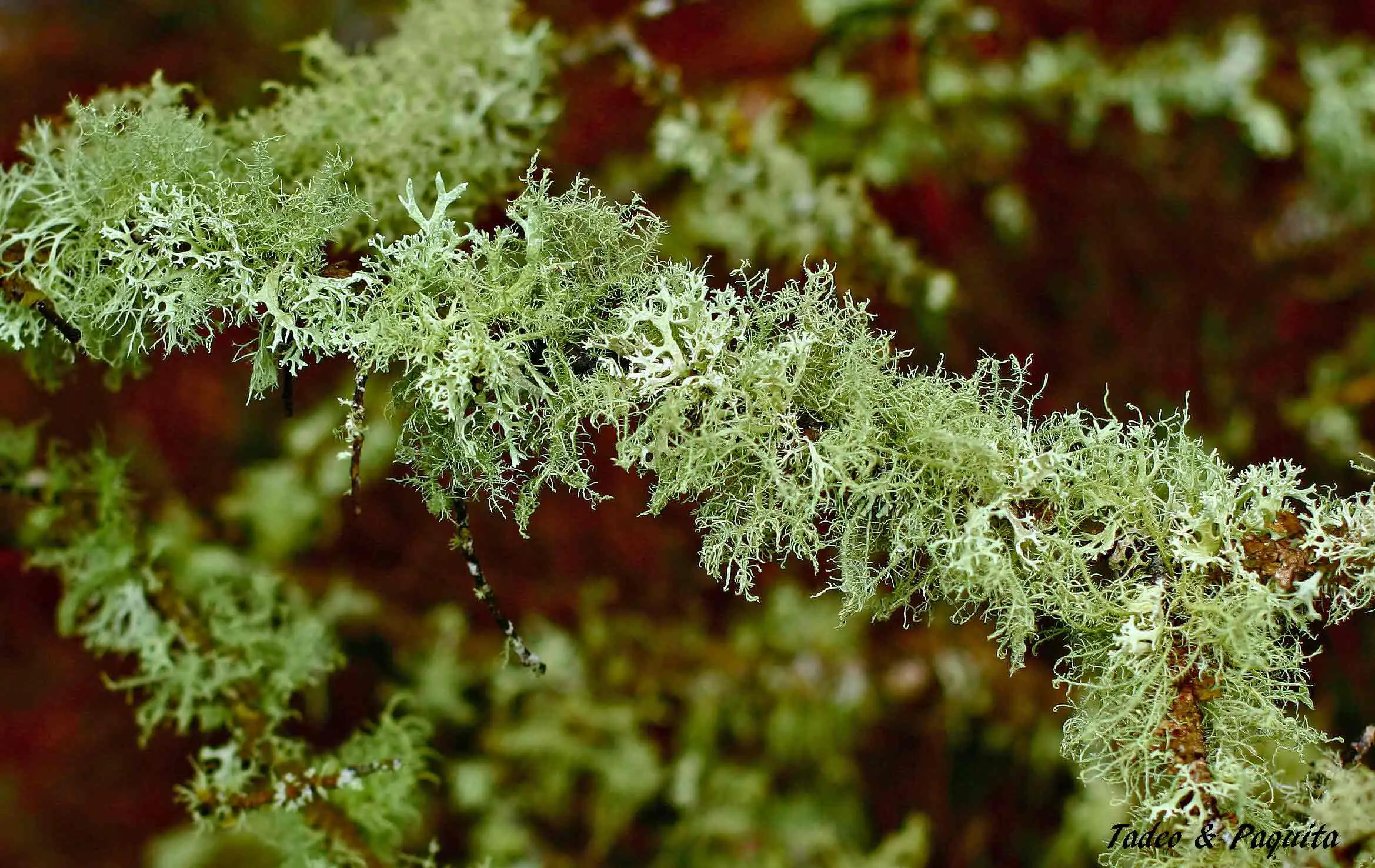
Lichens are grouped among the lower plants, and they are made up of very enigmatic organisms: the union of an alga and a fungus forms a lichen. These two organisms cannot live apart. The alga in the lichen absorbs the energy of sunlight thanks to its chlorophyll, while the fungus absorbs from the substrate the water with whatever is dissolved in it.
The lichen grows as if it were a single individual, and so it is given a single specific name. The fungus is the dominant partner and forms almost the whole body of the lichen, giving it its shape and colour as it grows. The alga settles below the surface of the lichen; that is how it receives the light it needs for photosynthesis, and the fungus provides it with the moisture it needs.
One characteristic of lichens is their sensitivity to the atmosphere. Each species tolerates only a very narrow range of pollutants, so their absence or presence reveals the load of pollutants in the air.
Crustose lichens
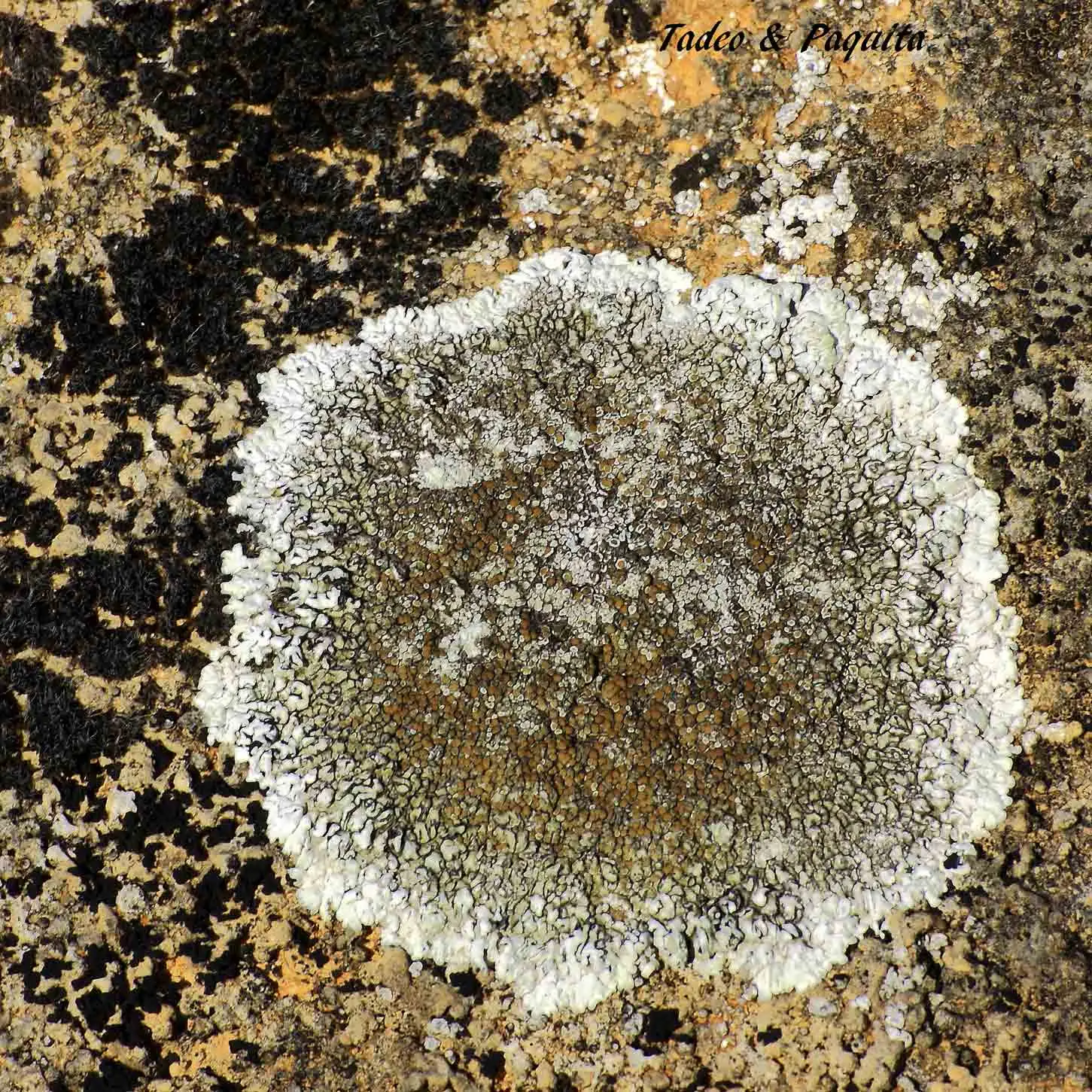
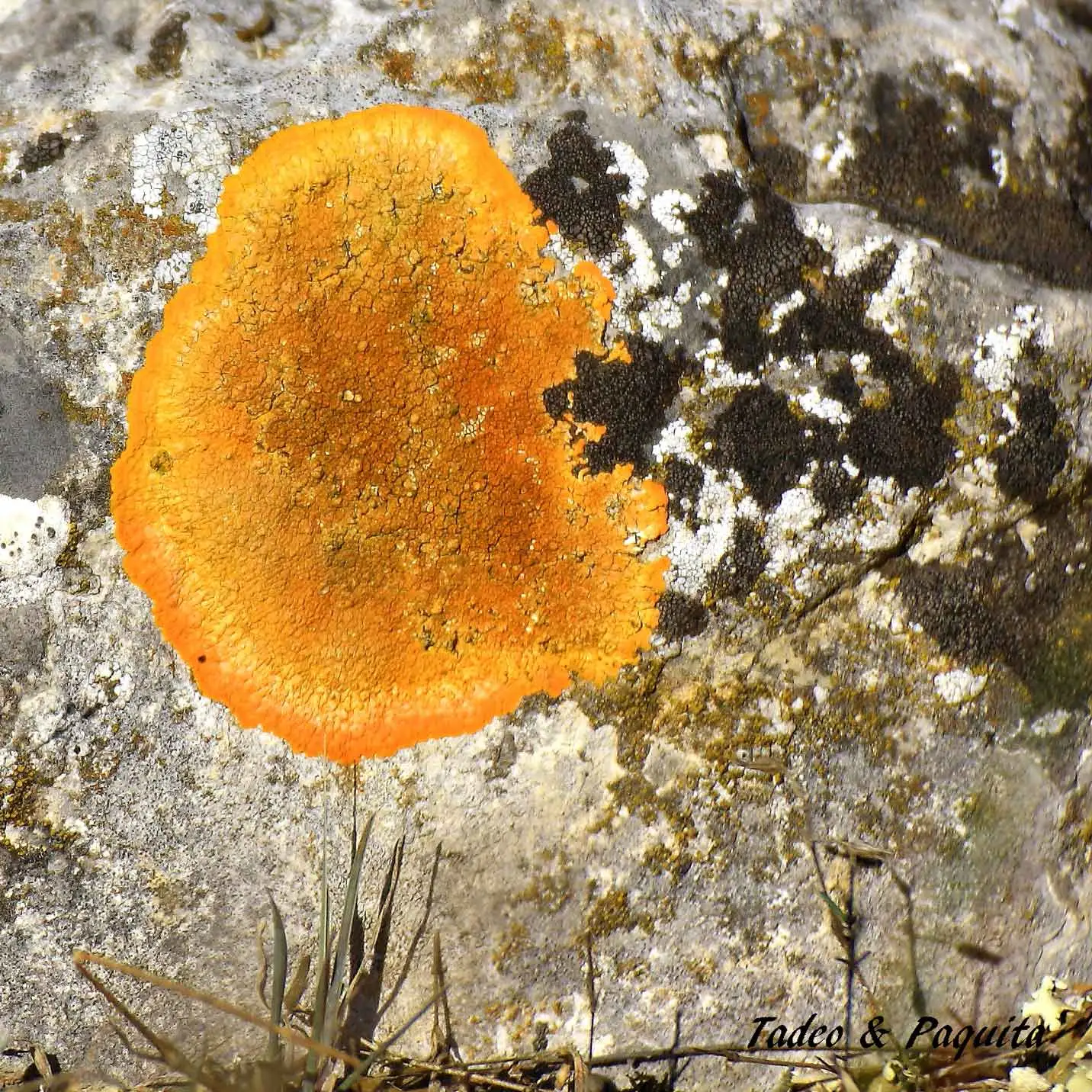
They are the most abundant. They live firmly attached to the substrate (rocks), and also on woody surfaces and dead wood. Lichen types vary: each lichen species corresponds to a different fungus.
Fruticose lichens
They are attached to the substrate at a single point, and sometimes spread widely. They have various shapes, almost always elongated, with different branches and leaves and varied colours.
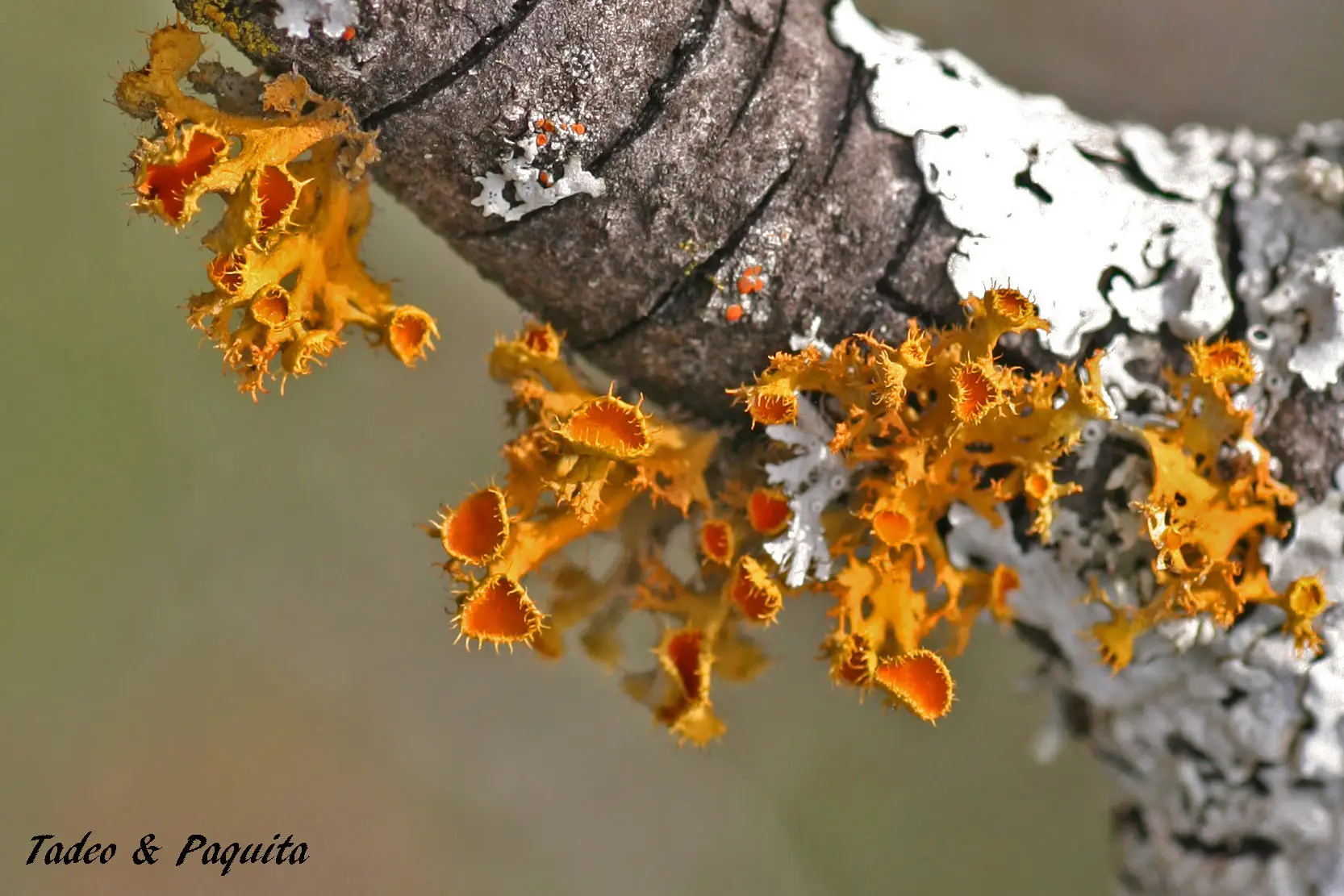
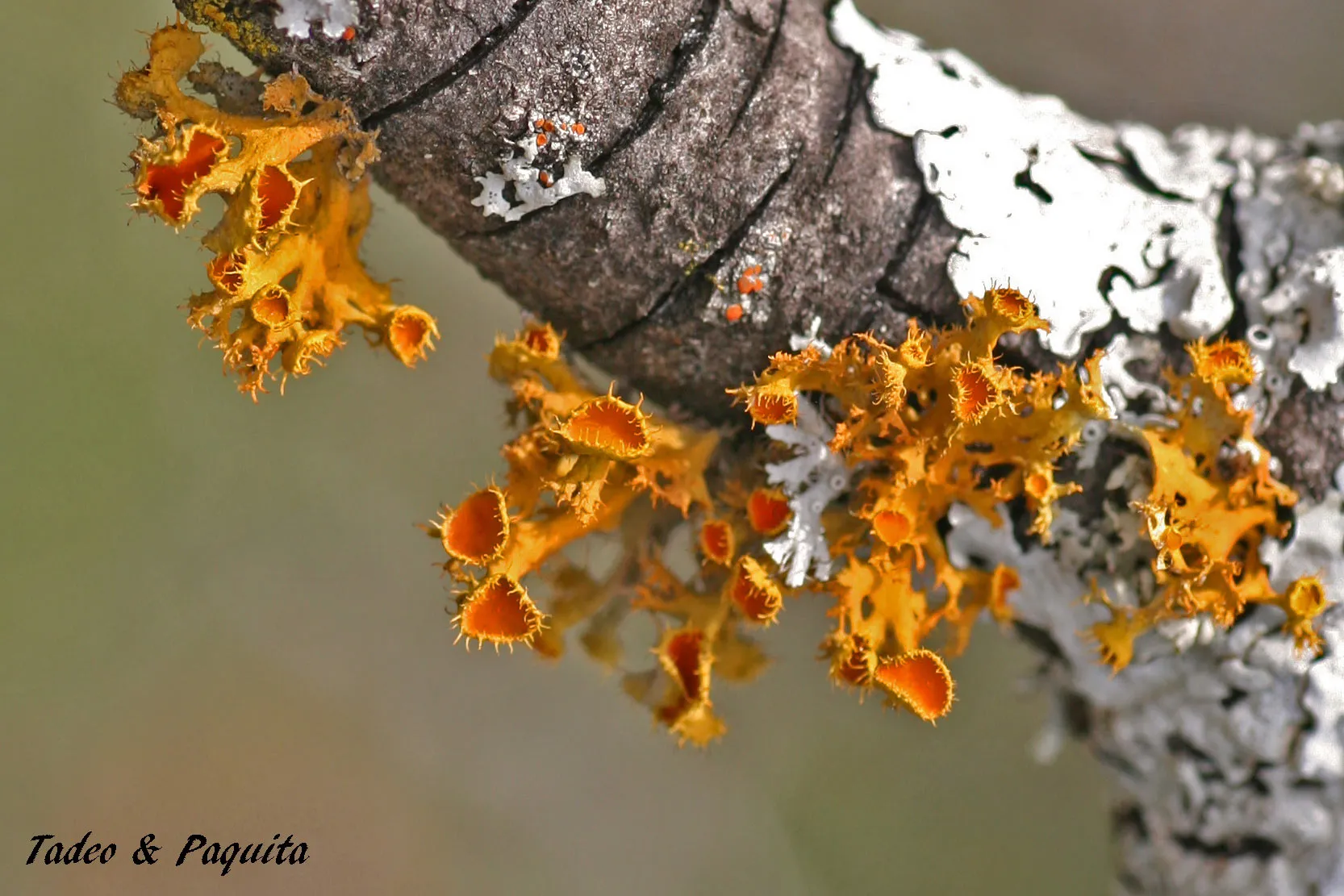
Teloschistes chrysophthalmus: its orange colour stands out on the oak or holm-oak branches where it grows. It is one of the prettiest.
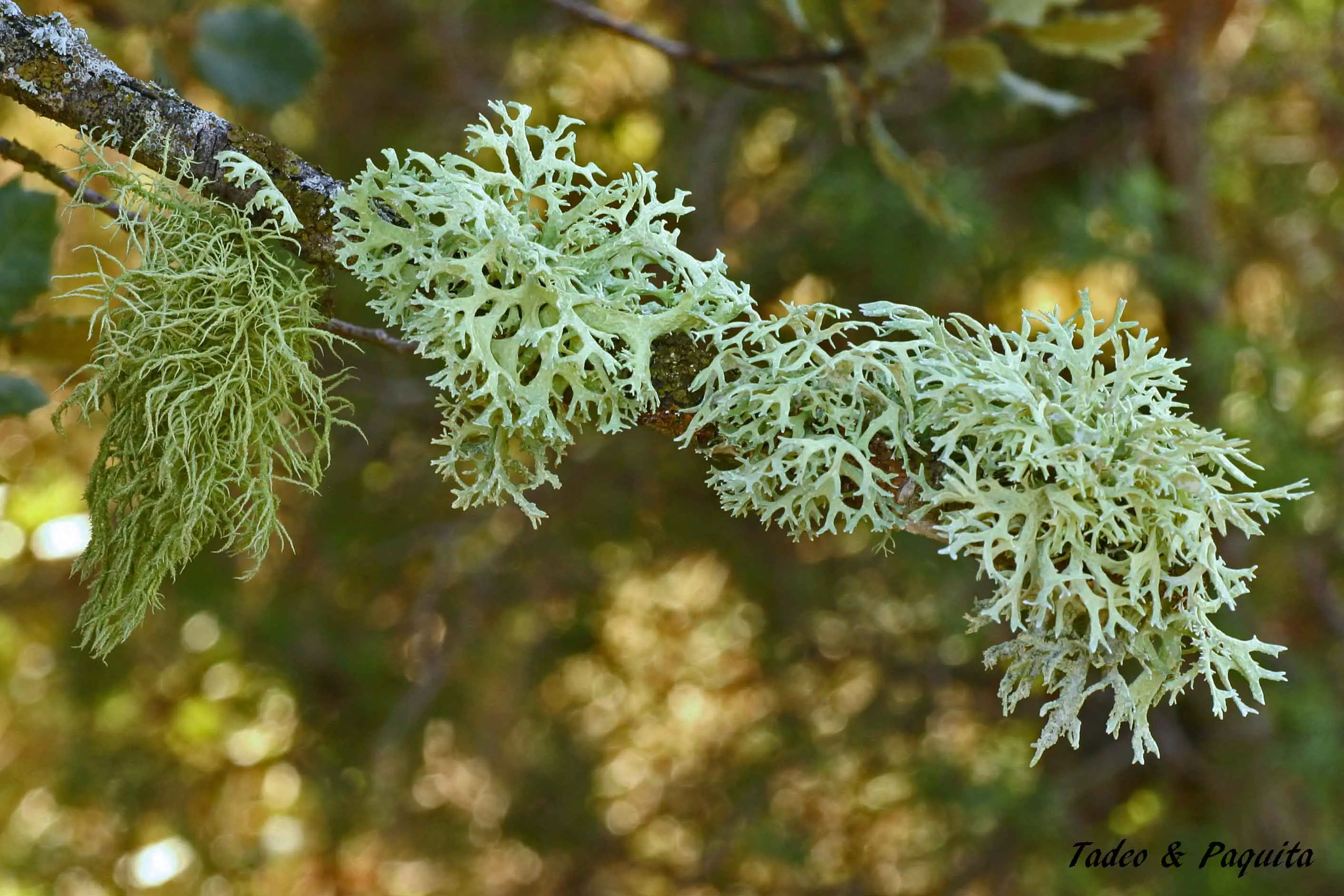
Gelatinous lichens
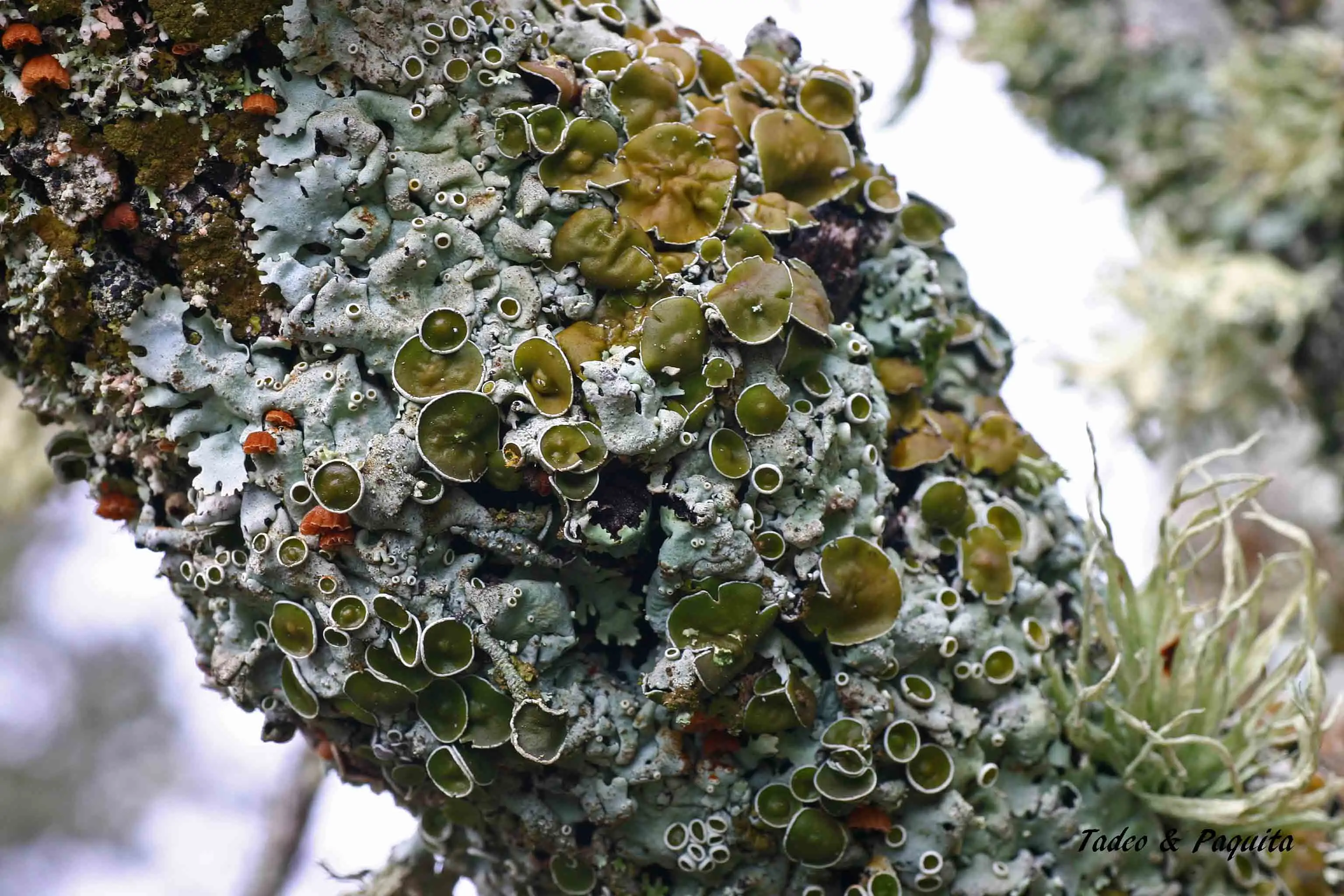
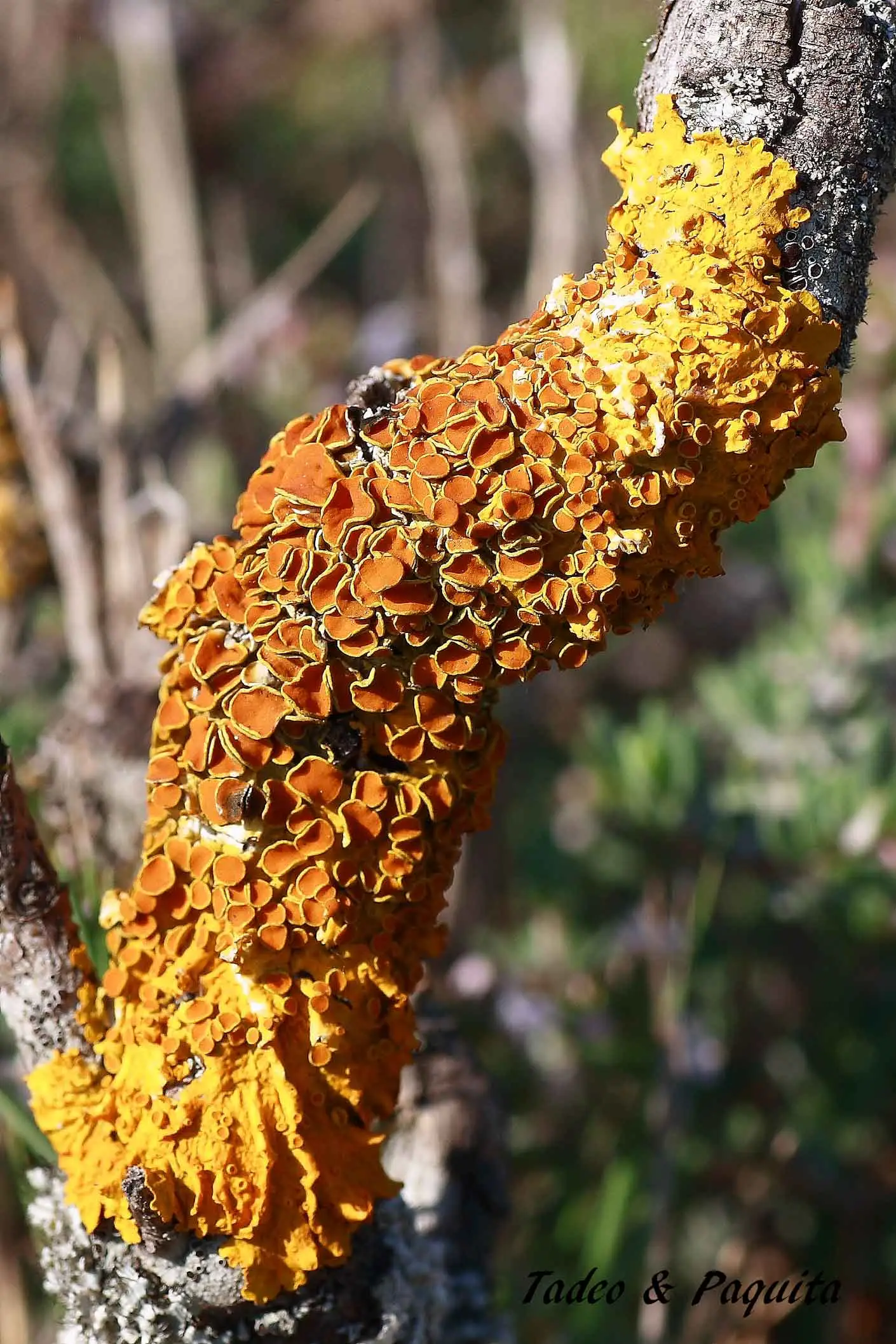
These lichens, when wet, have a gelatinous, pulpy structure and seem flexible.
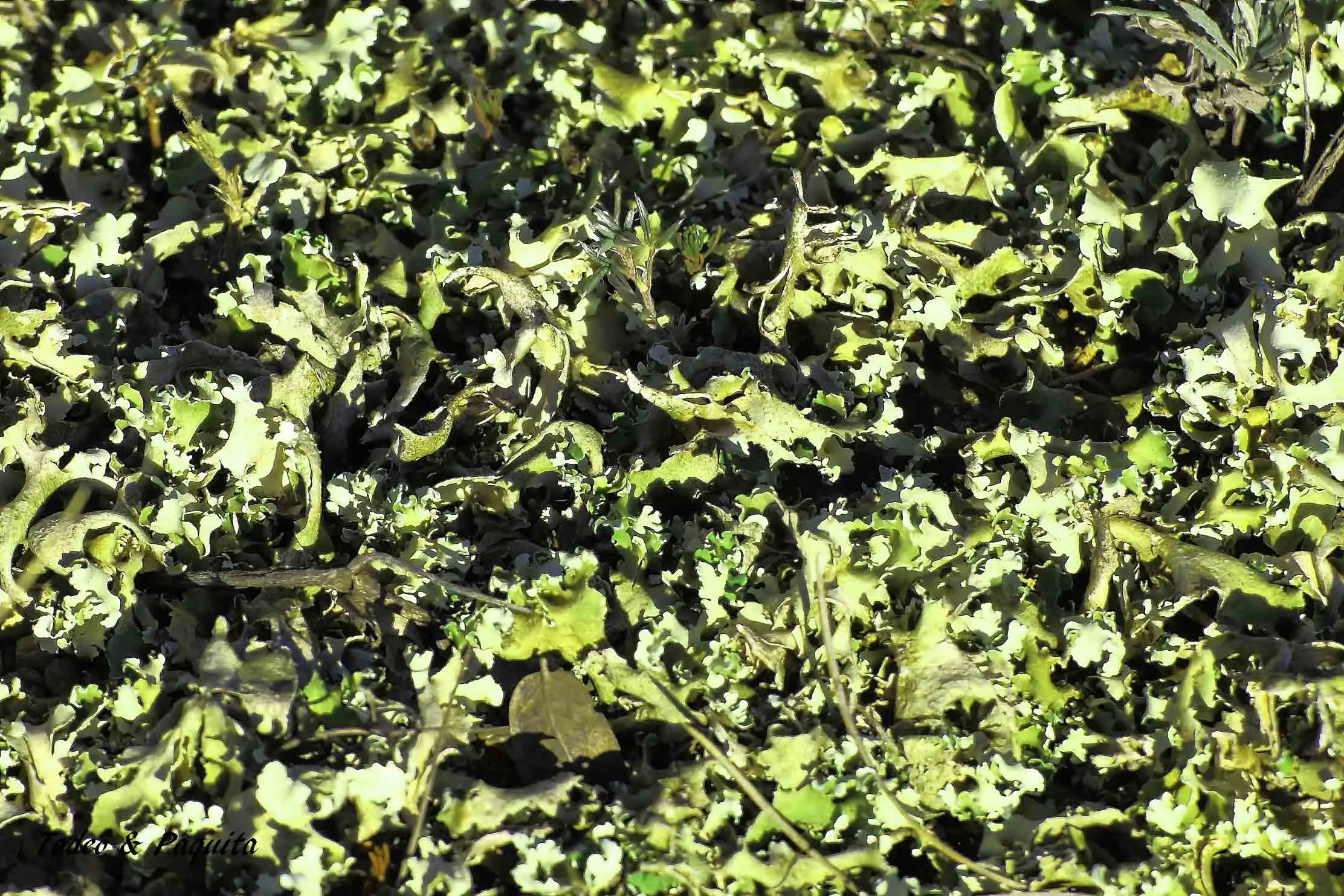
Foliose lichens
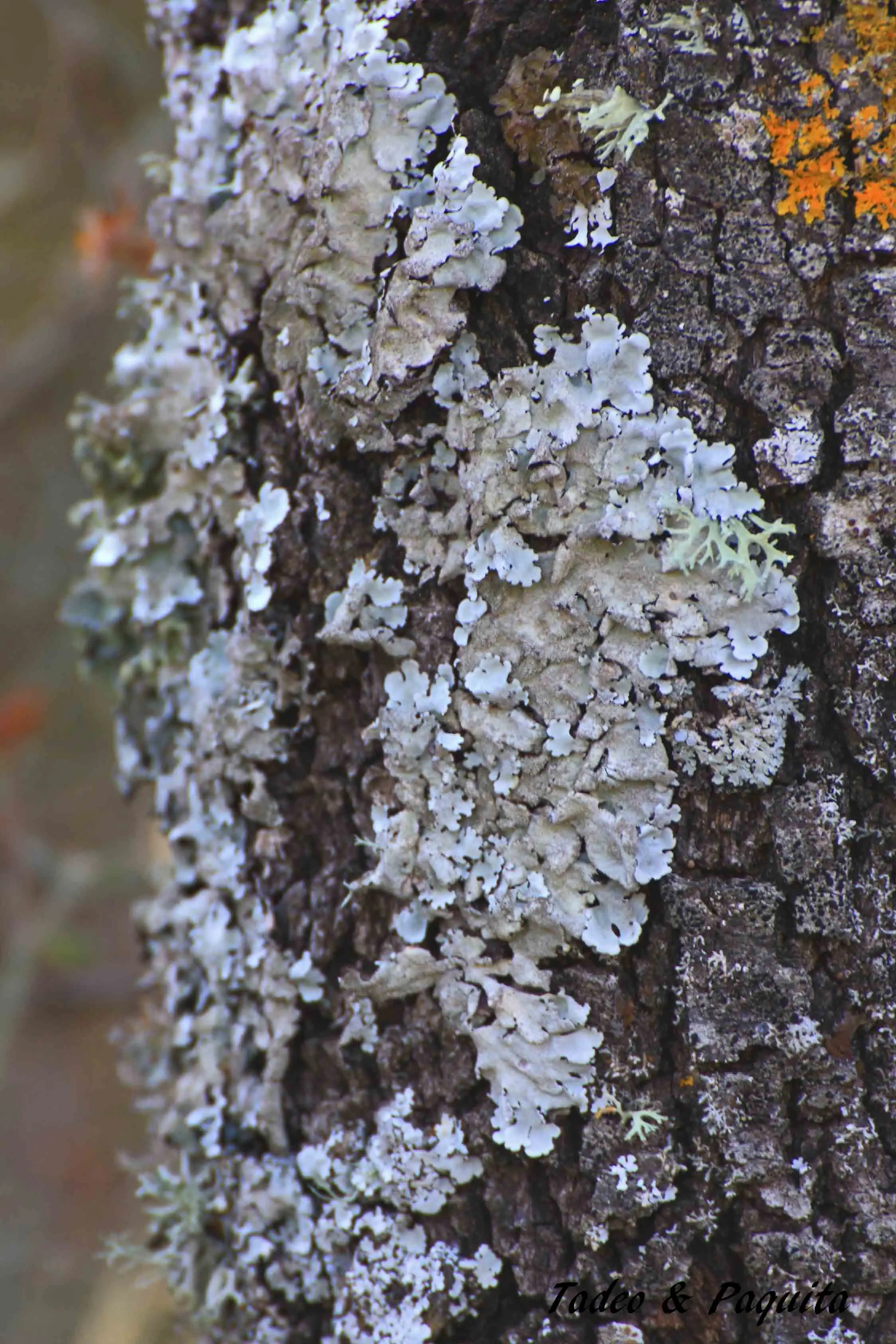
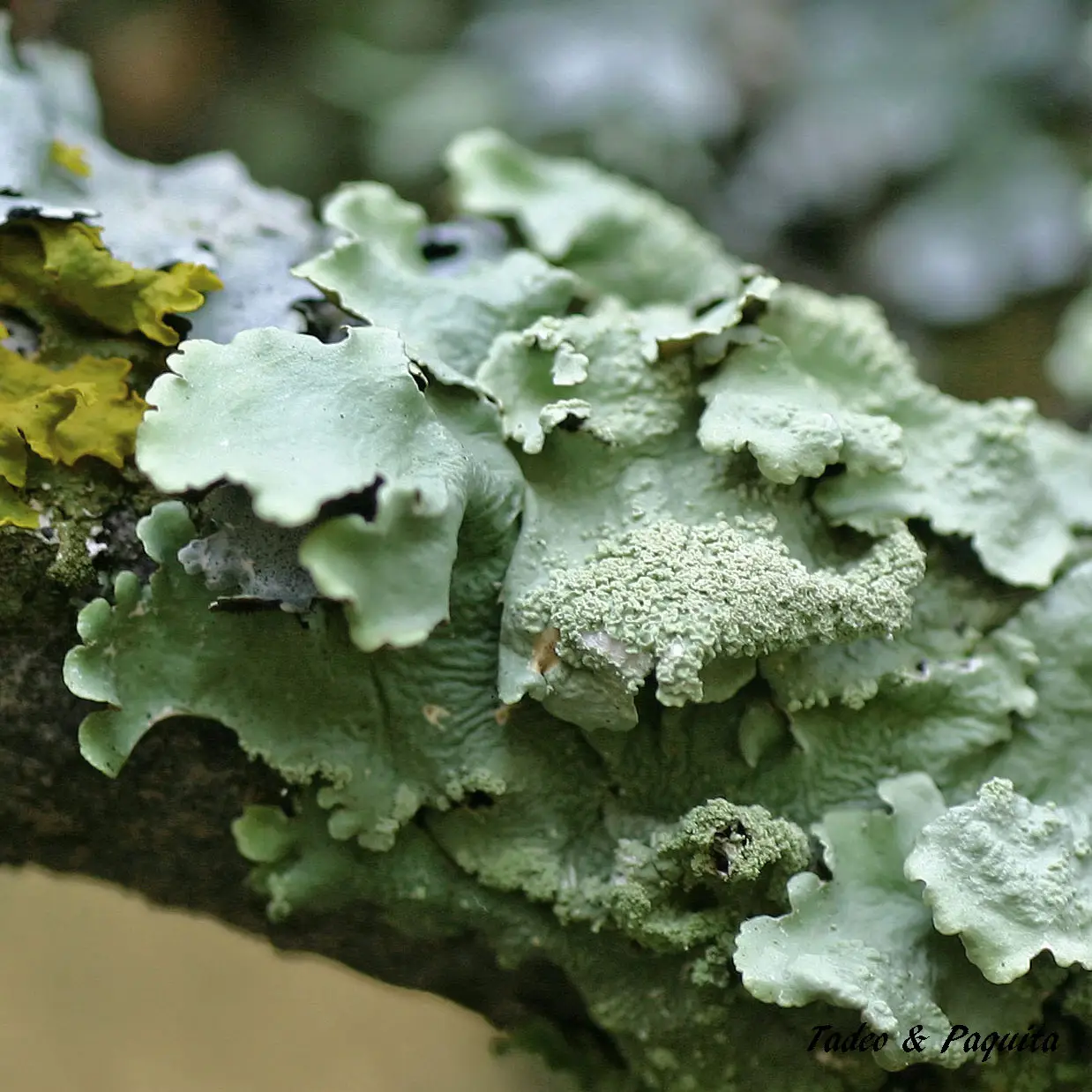
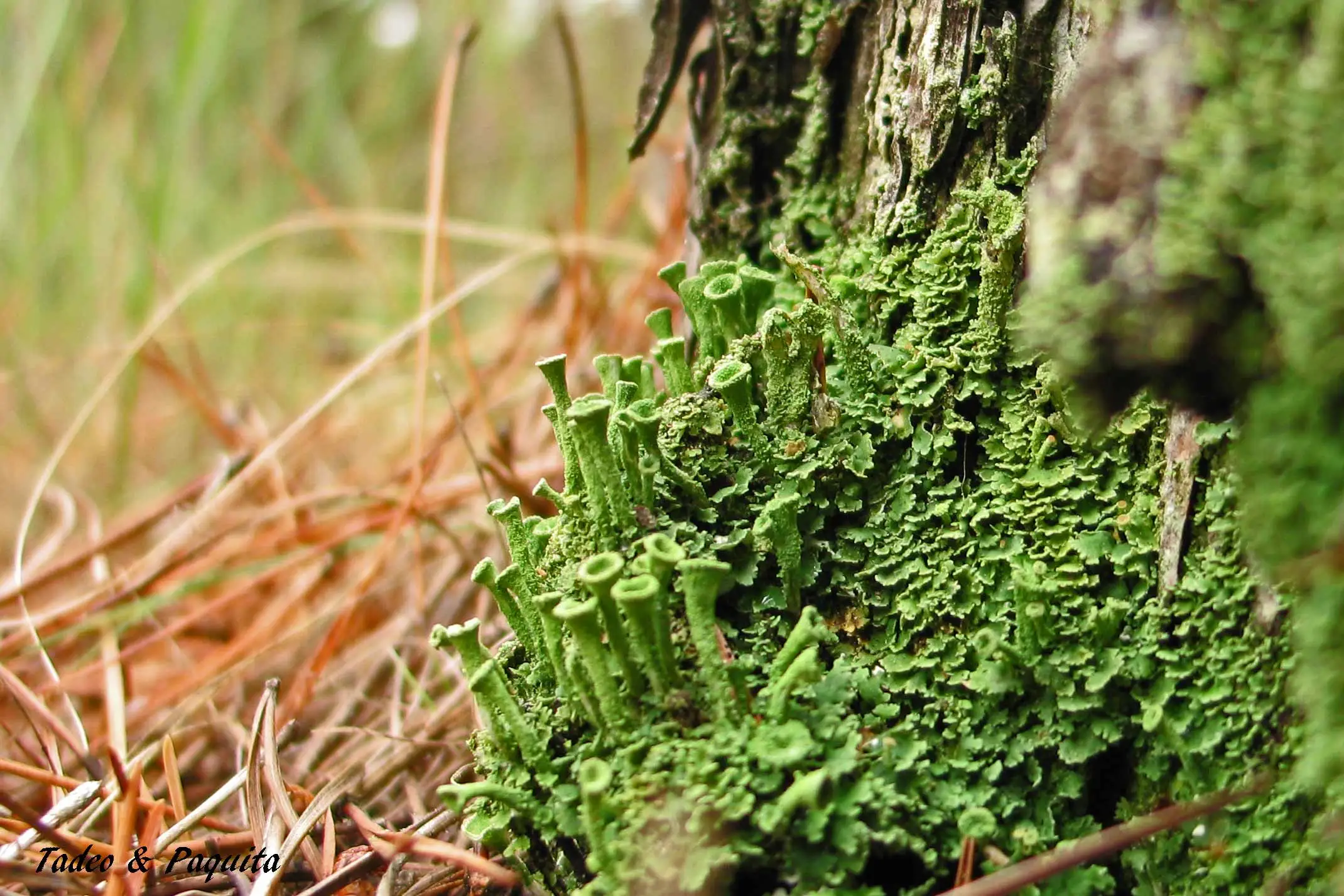
These are leaf-like lichens. They spread over the substrate by means of a set of rhizines.
More in Fungi and lichens
See the whole sectionFungi and mushrooms
Hidden nuptials
Cap, hymenium and stem; a fungal cannon that fires spores half a metre; and a clear warning: no cooking makes a poisonous mushroom edible.