Fungi and mushrooms
Hidden nuptials
Cap, hymenium and stem; a fungal cannon that fires spores half a metre; and a clear warning: no cooking makes a poisonous mushroom edible.
Fungi belong to the cryptogams, a name that means “hidden nuptials”: their reproductive organs cannot be seen with the naked eye. For some fungi, spores are what seeds are for plants.
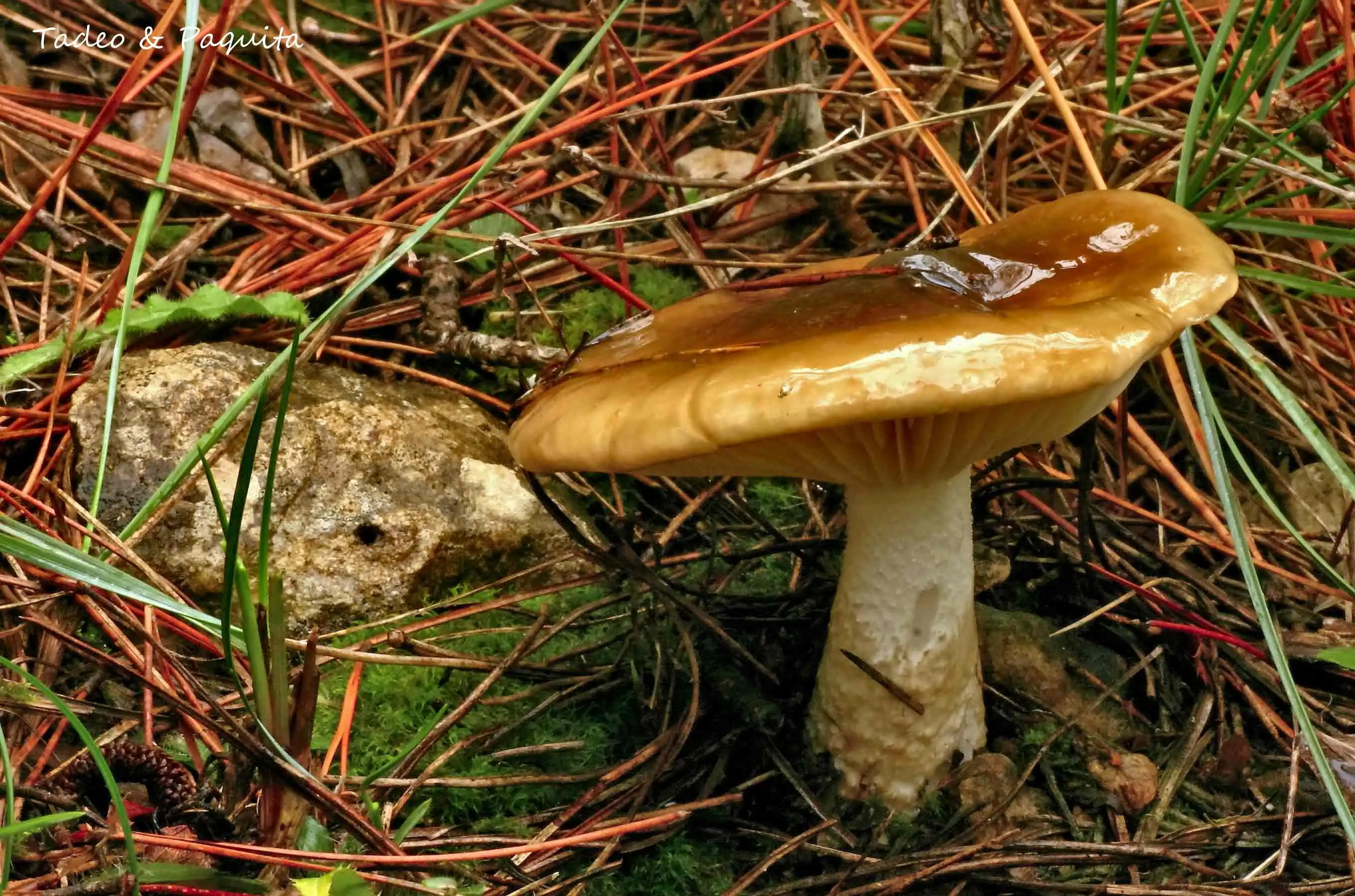
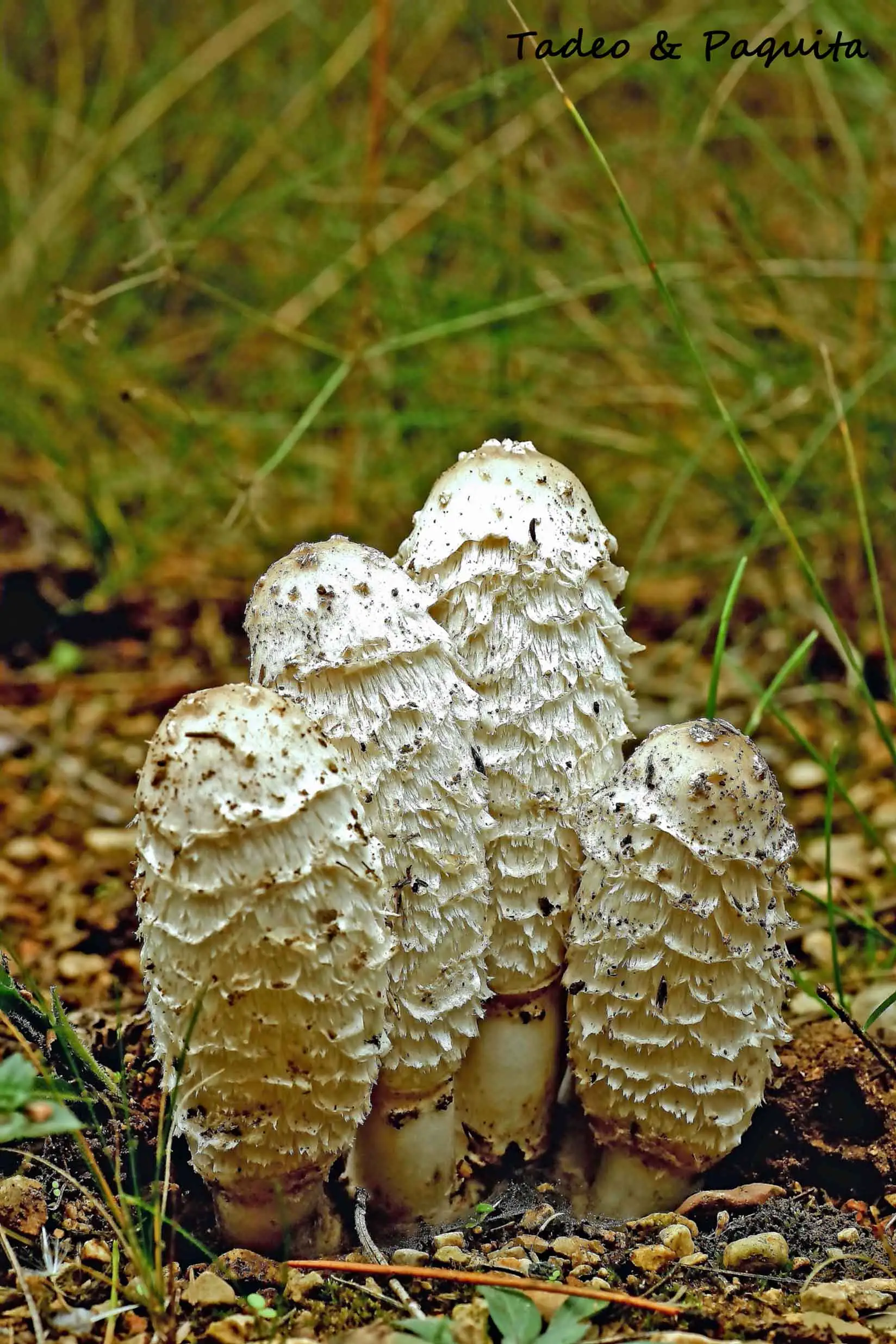
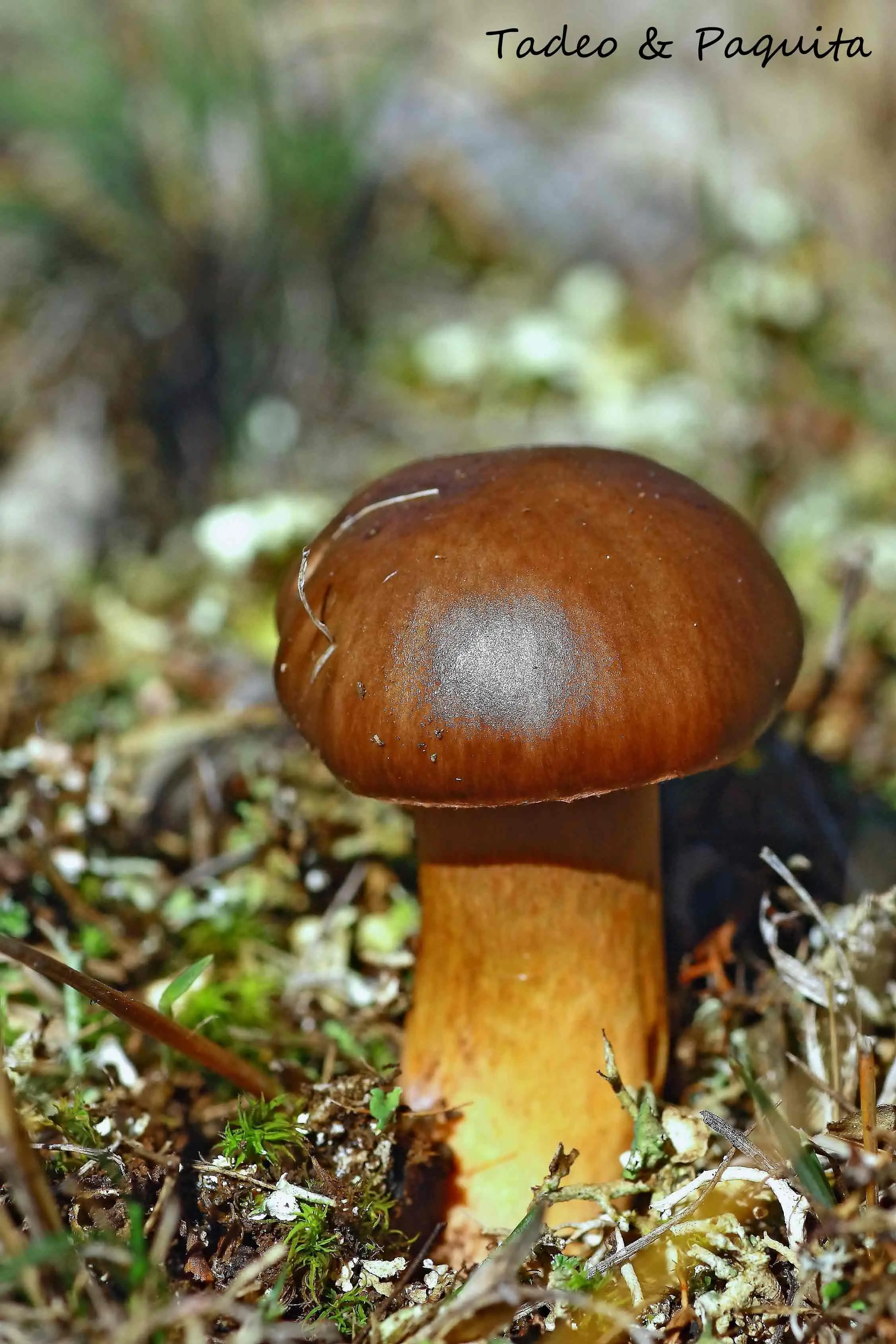
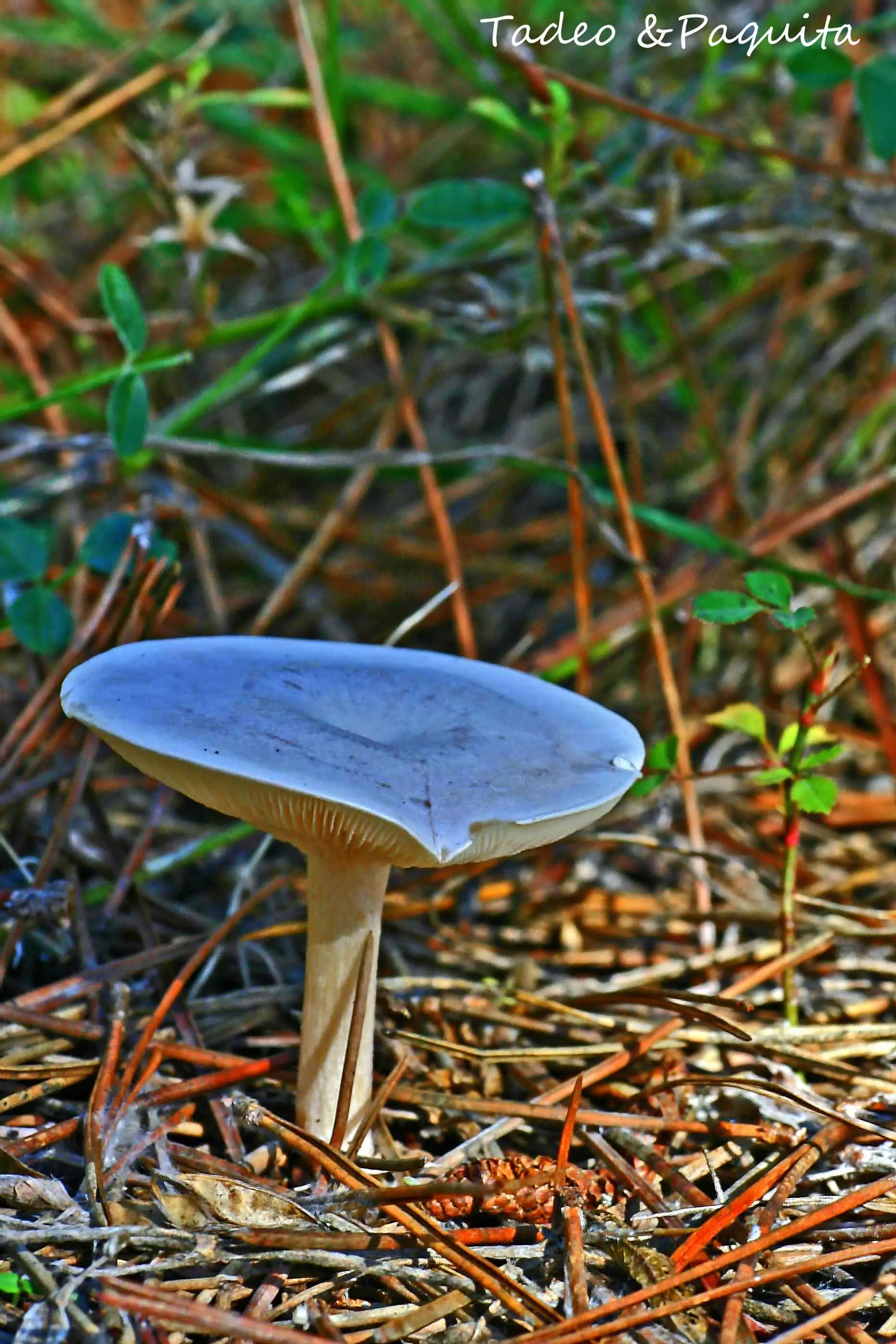
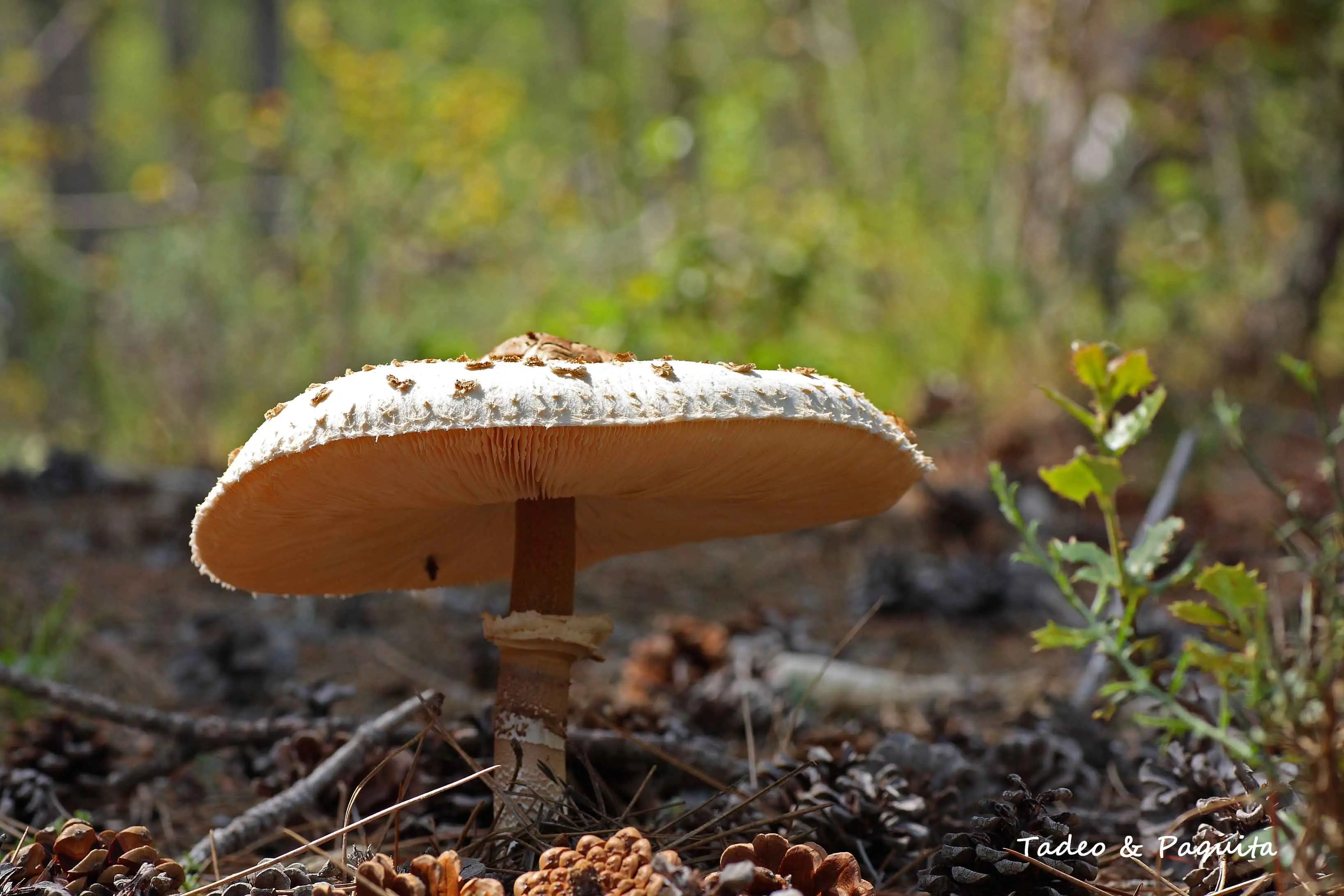
The words fungus and mushroom are used as equivalents. In the typical mushroom, with its cap shape, three main parts can be distinguished: the cap, the hymenium and the stem. There are other mushrooms of much stranger shapes.
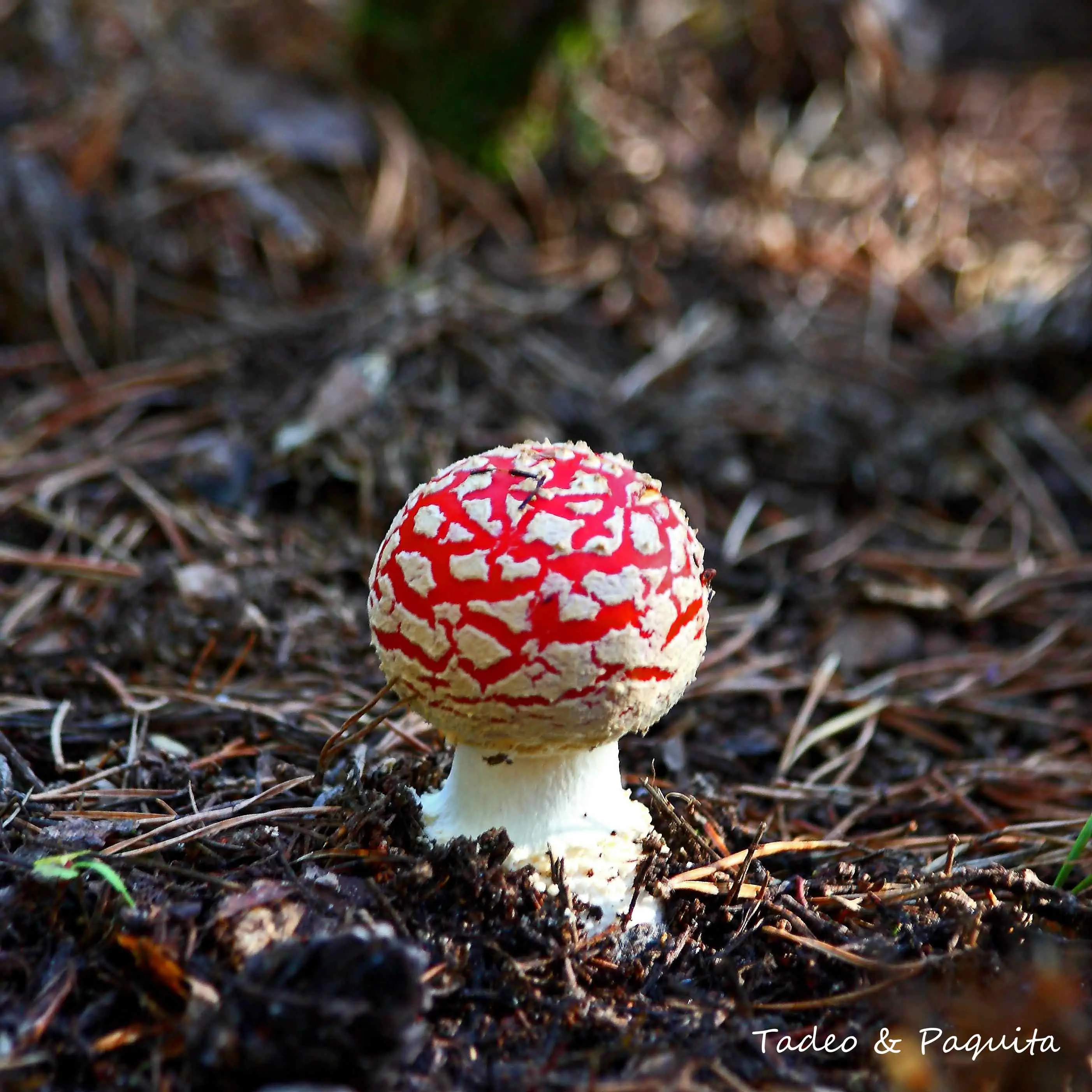
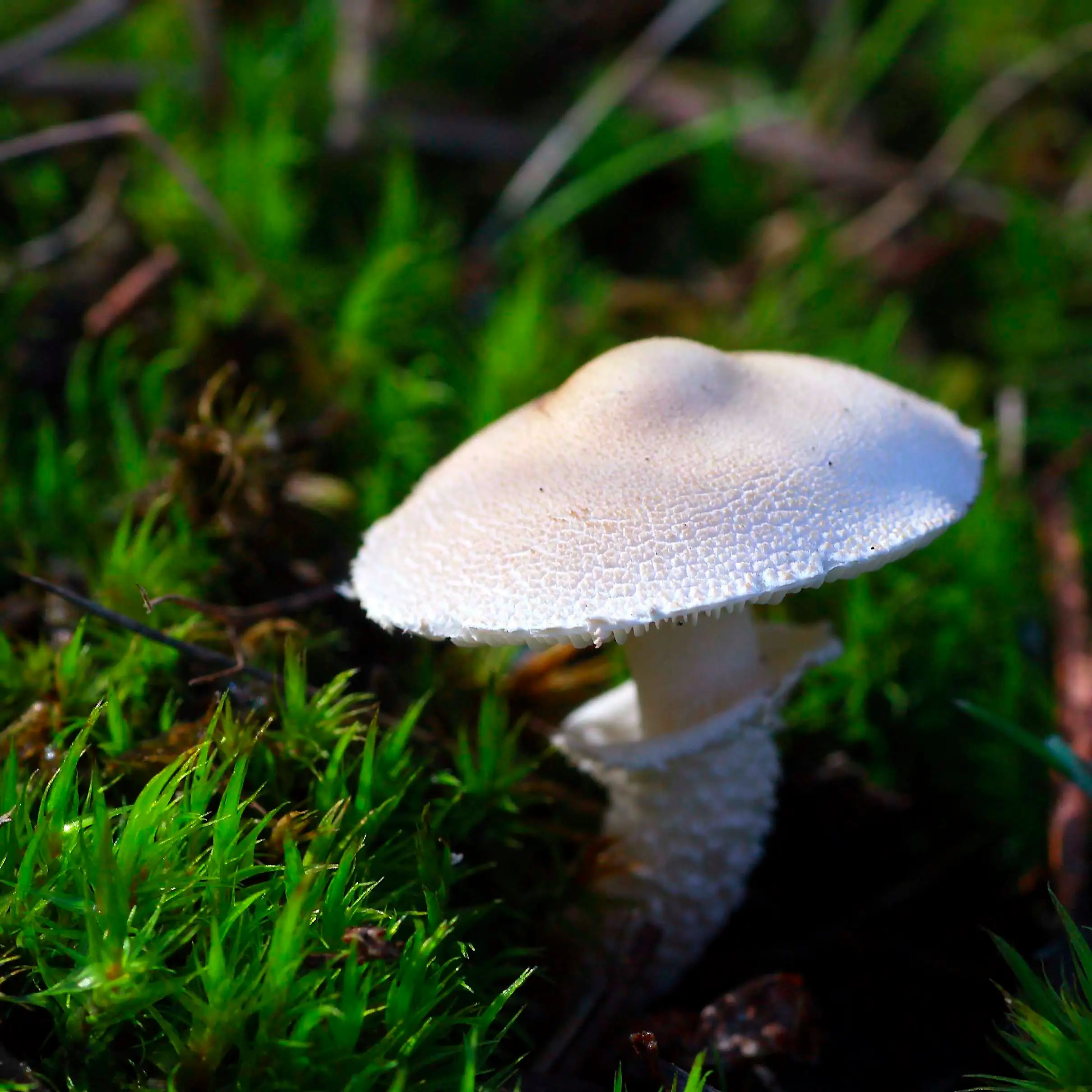
The cap is the fleshiest part of the mushroom. The hymenium is the fertile part, the one that holds the spores, and it is usually found beneath the cap, between it and the stem, which we might liken to the trunk of the mushroom. The hymenium produces and scatters the millions of tiny spores that will give birth to new mycelia and, therefore, to new mushrooms. They can fire their spores almost half a metre by means of a veritable fungal cannon, aimed by the rays of the sun.
As in every living thing, the chemistry of fungi and mushrooms is complex, varied and changing. The main component of a fungus is usually water, which makes up 90 % of its total weight; it also depends on whether the mushroom was gathered in a rainy or a dry period, and on the habitat where we find it.
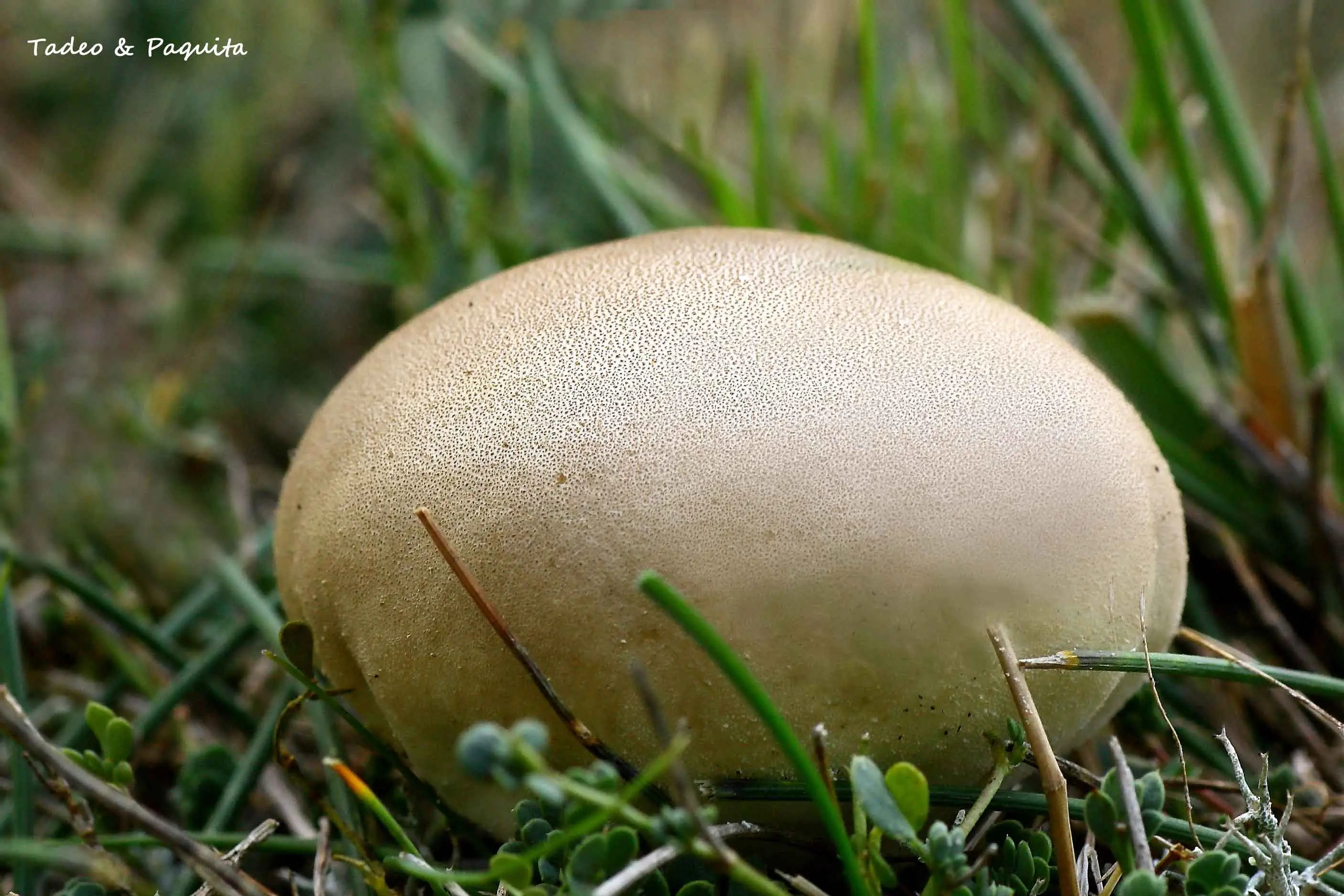
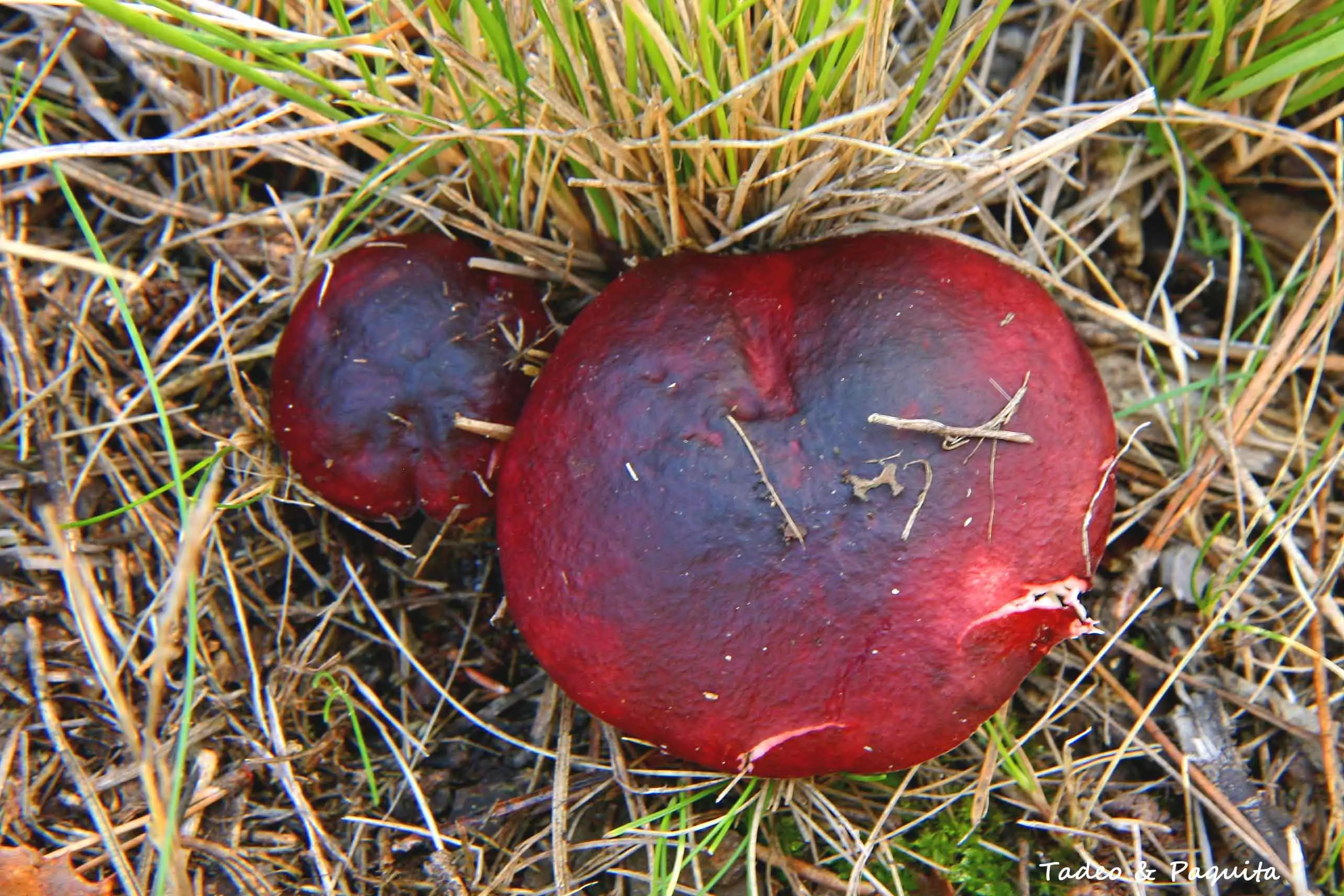
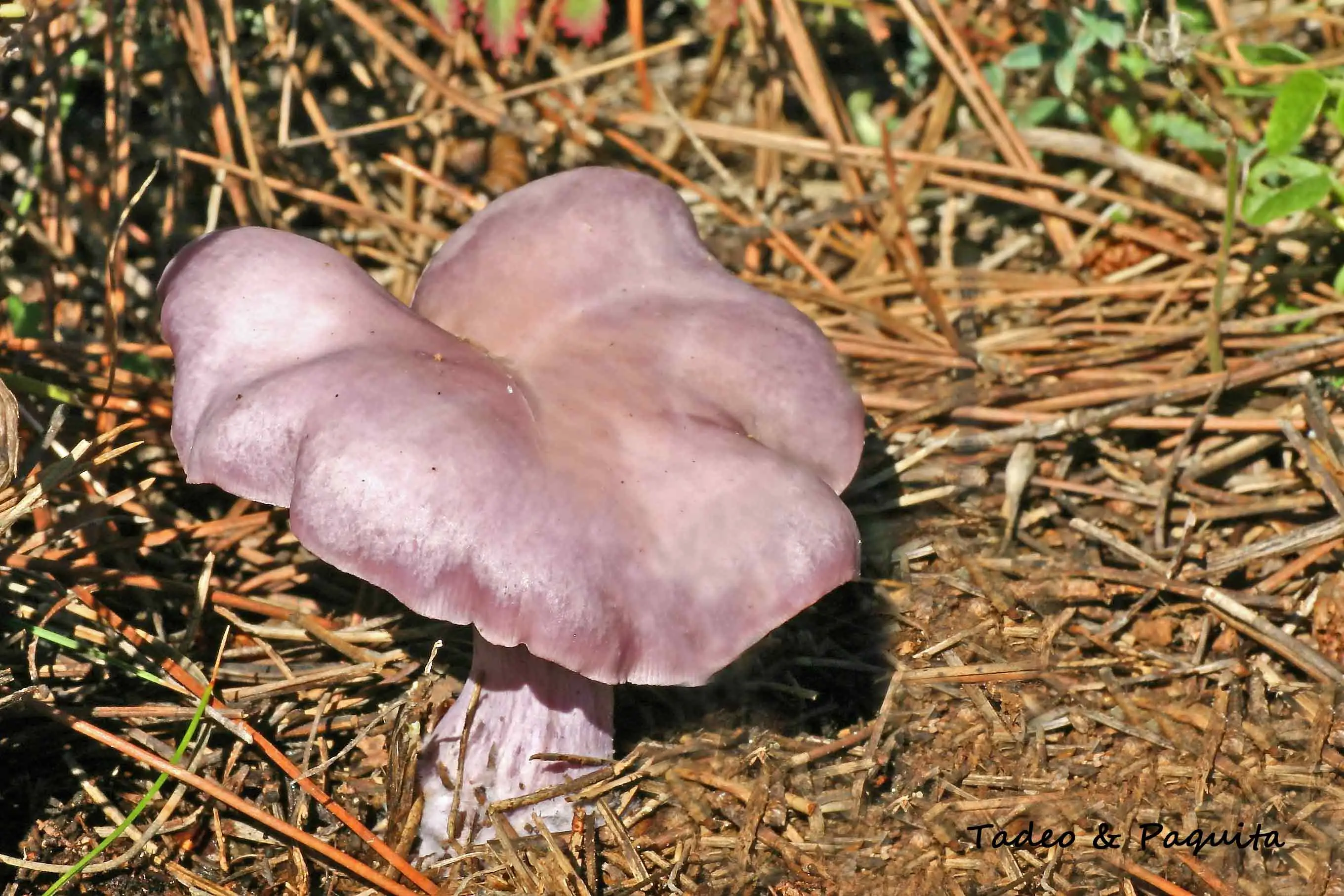
All the photographs were taken in the common woodlands of this region, Els Ports. There is such variety that it is sometimes hard for us to tell the poisonous ones from those that are not.
Poisonous fungi and mushrooms
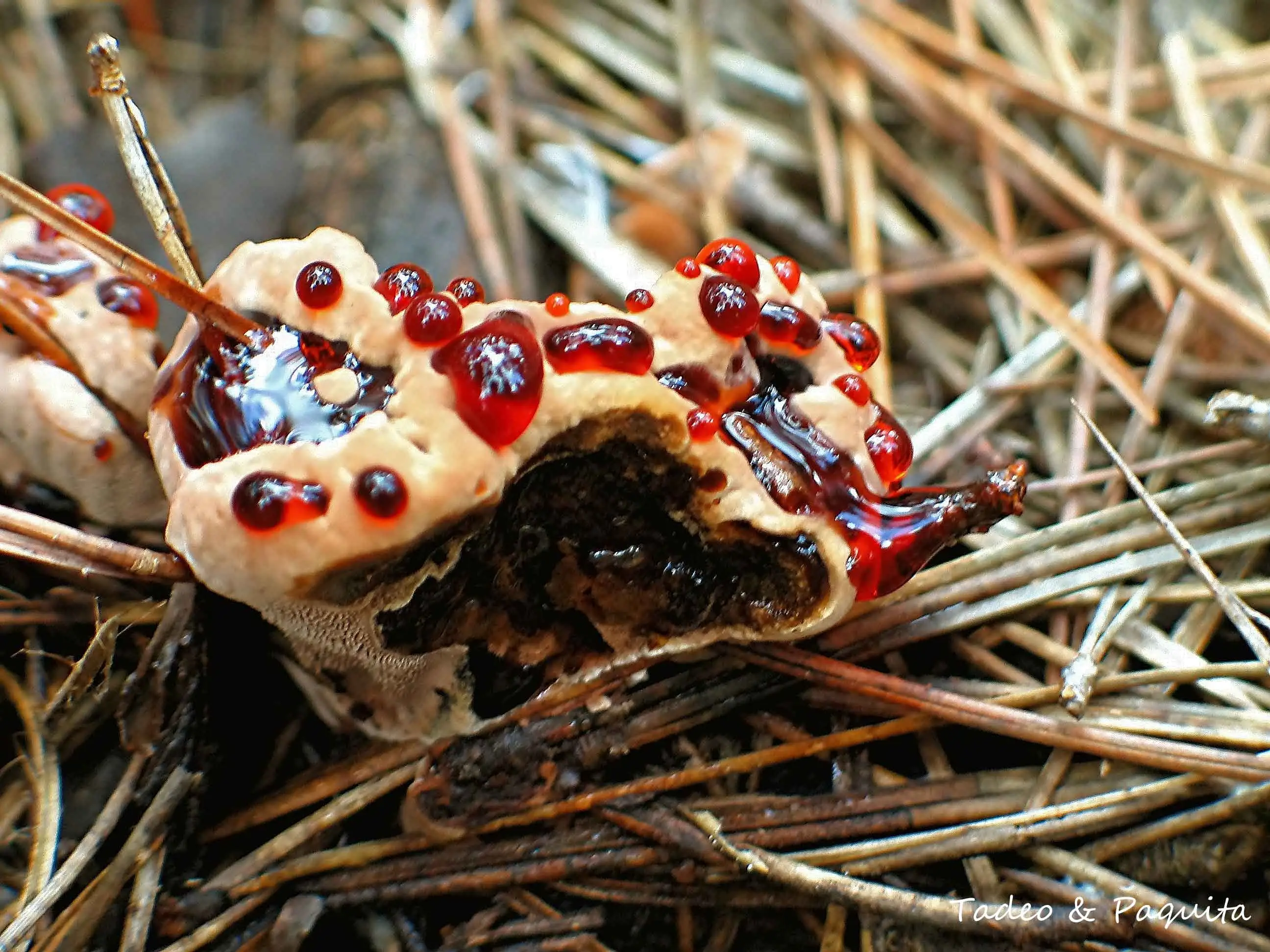
Mycology —“mushroom picking”— is a science: you need to know the different species if you are going to eat them. Some poisonous mushrooms cause more or less serious disorders, some are hallucinogenic and others deadly. Since antiquity various treatments have been tried for mushroom poisoning, and there is a widespread belief that boiling suspect mushrooms with salt and vinegar removes all possible poisons. There is no cooking method that makes a poisonous mushroom edible. They must not be eaten unless you know them.
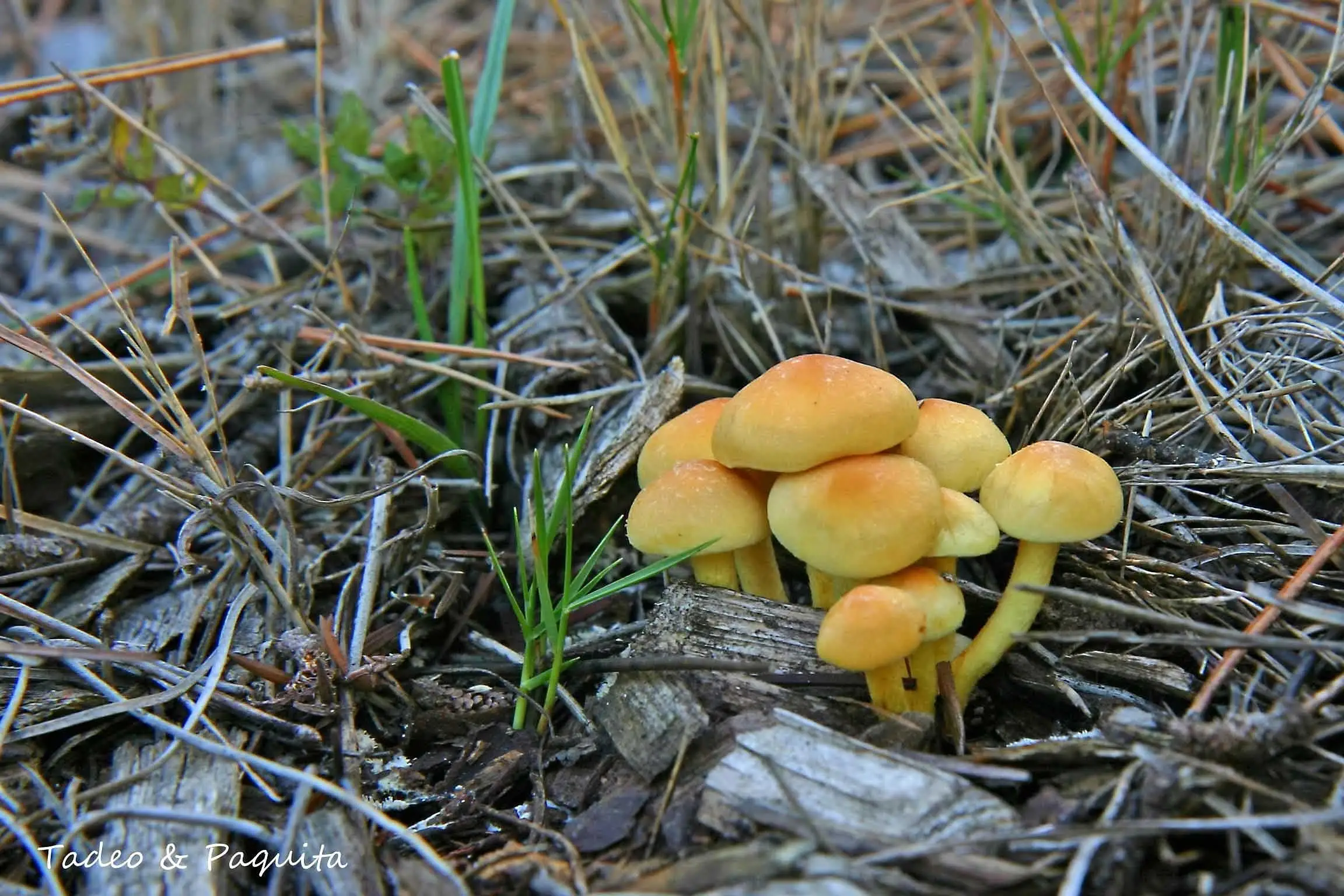
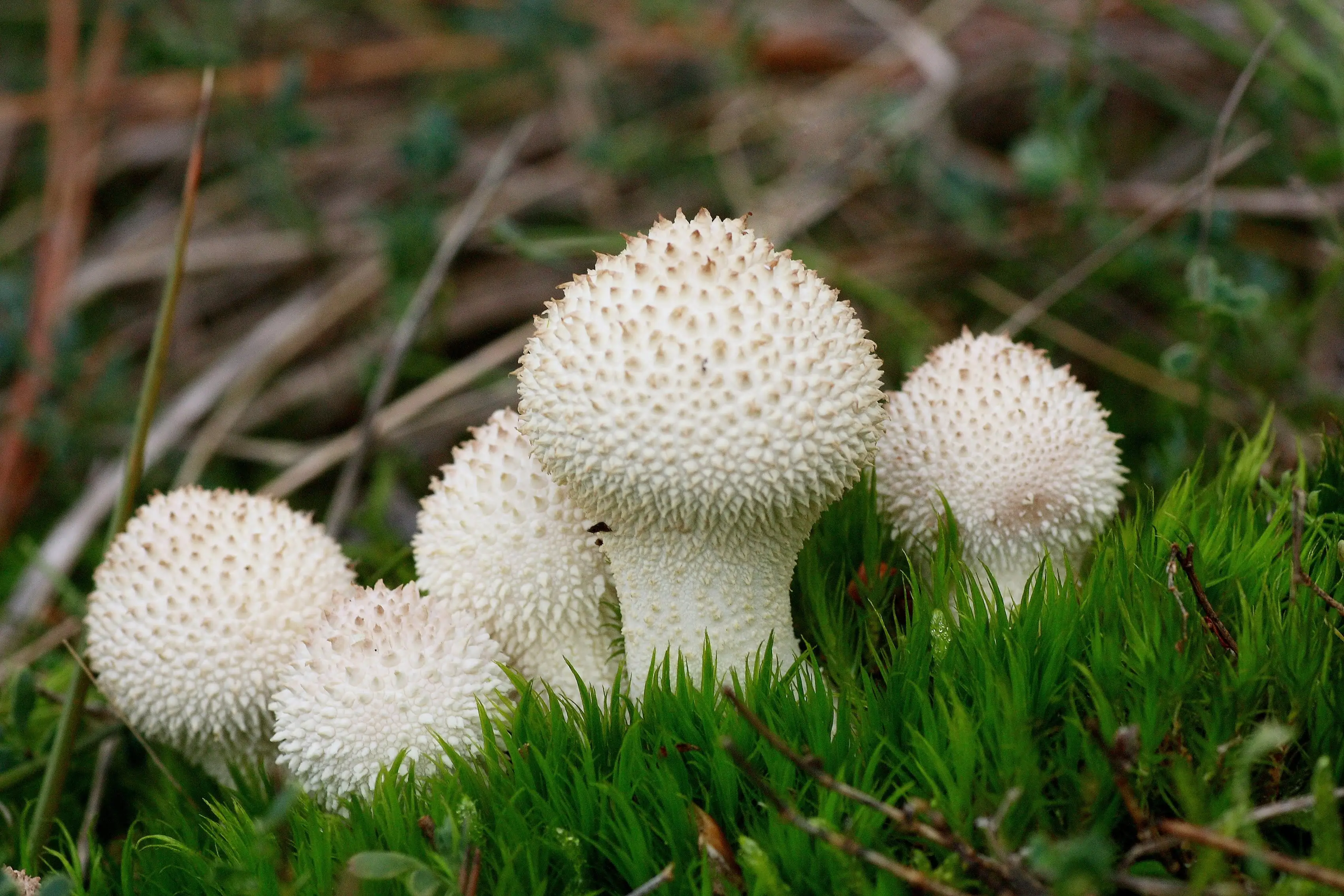
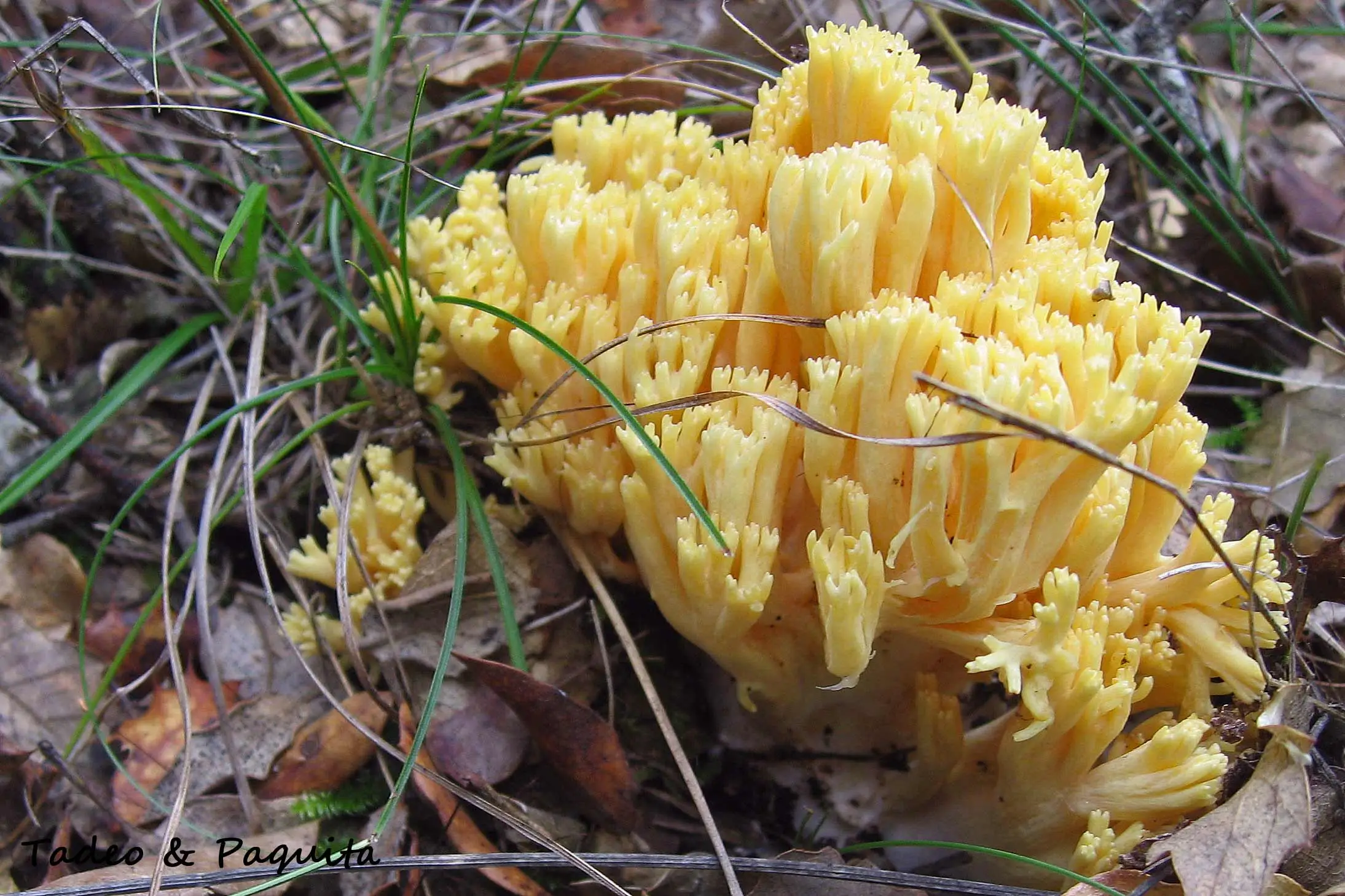
Ramaria formosa
When I saw this fungus called Ramaria, also known by its common name of pie de rata, “rat’s foot”, its yellow colour stood out from the rest for its freshness; it seemed to be waiting for us among various mushrooms in red, blue and other colours, whose names I shall try to learn and publish. The whole wood looked like an immense garden whose flowers were the mushrooms.
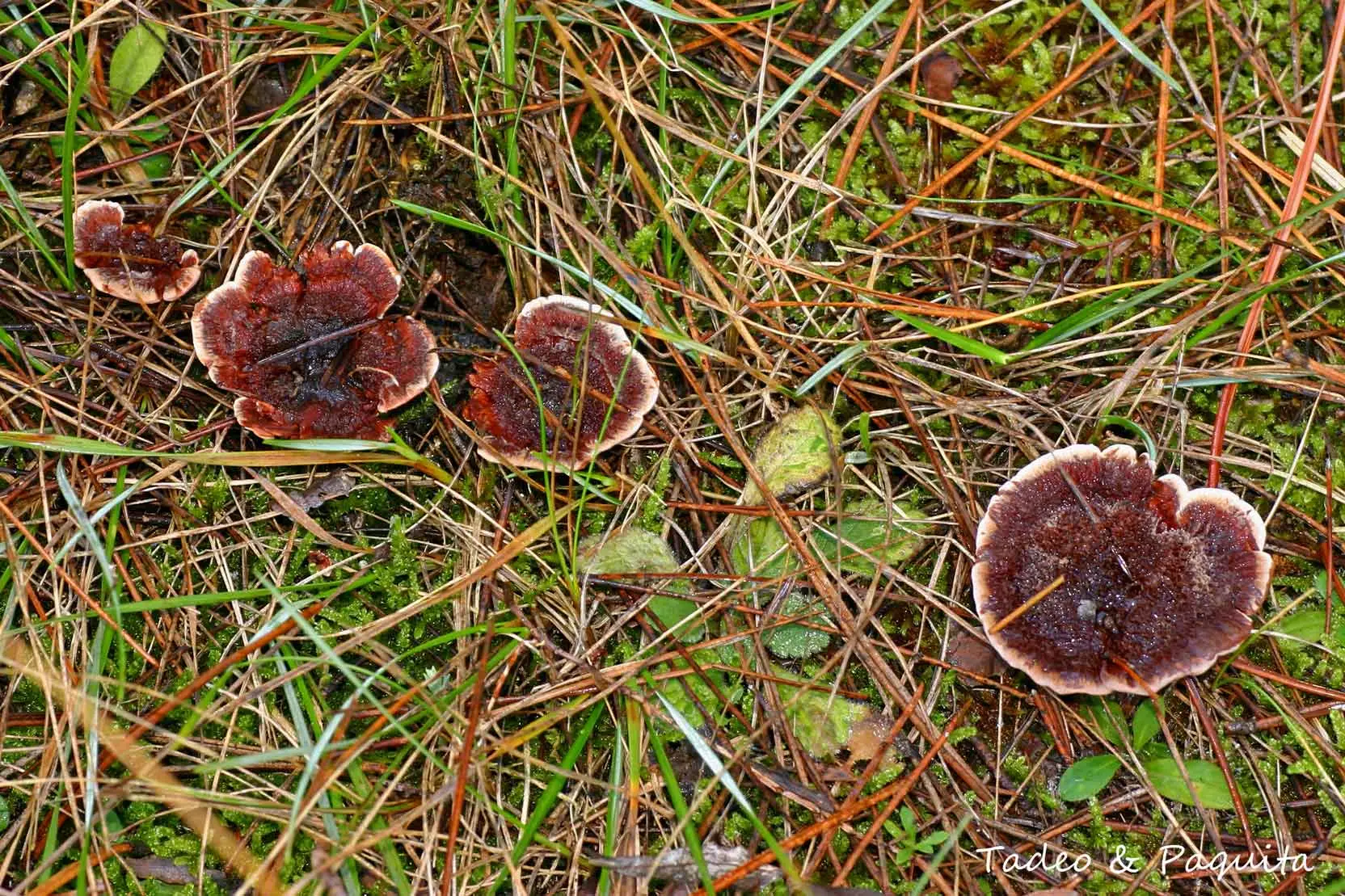
Wood fungi
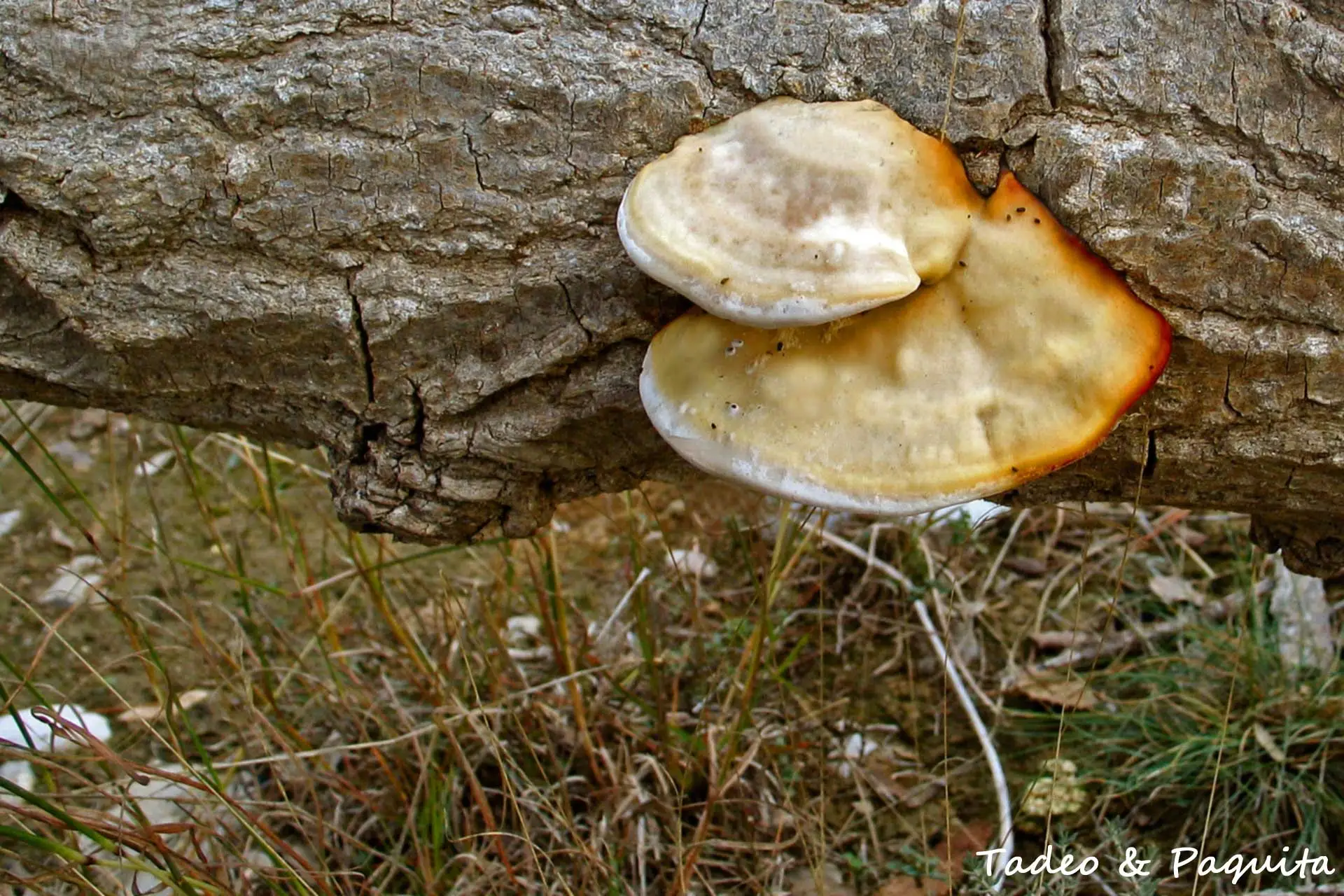
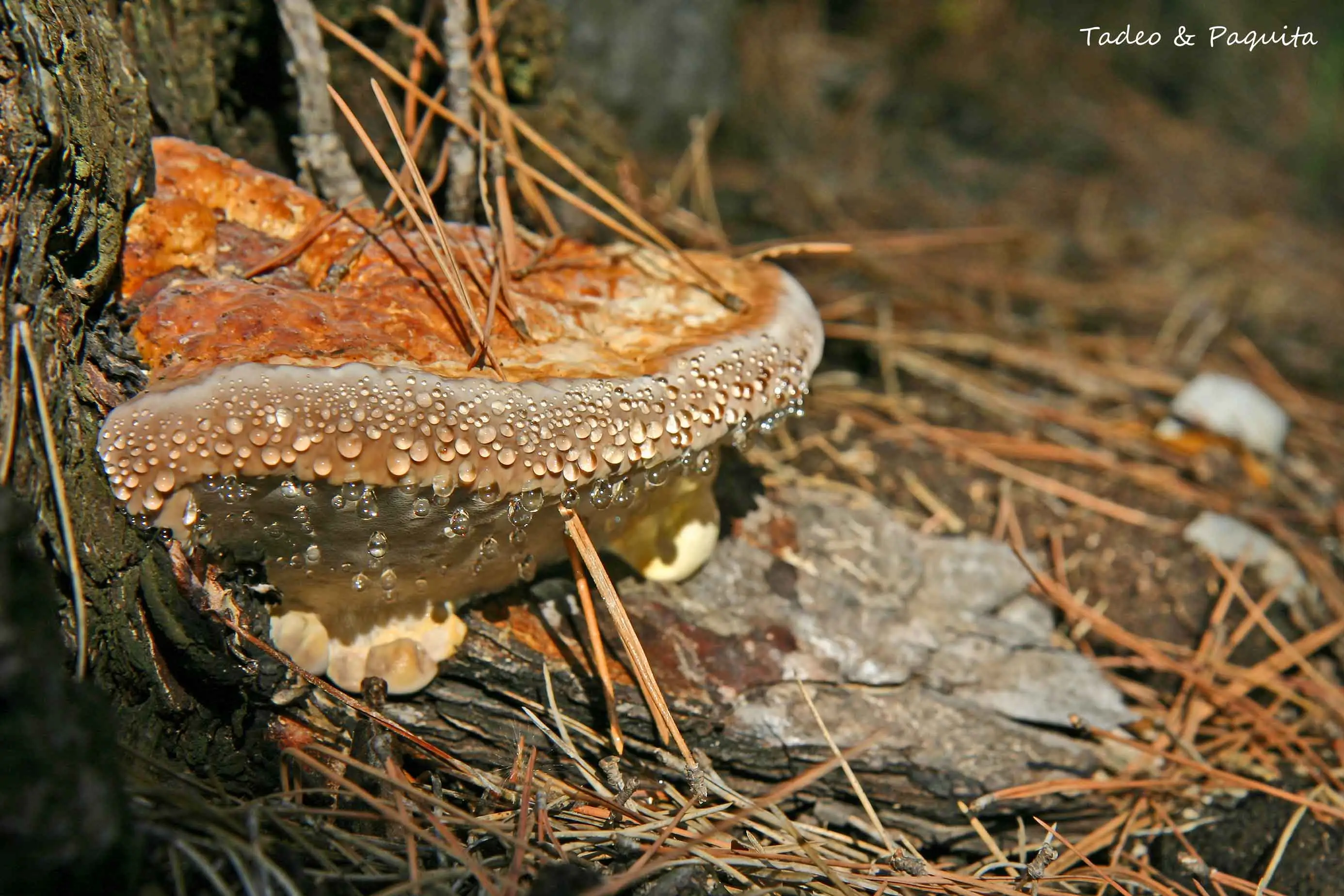
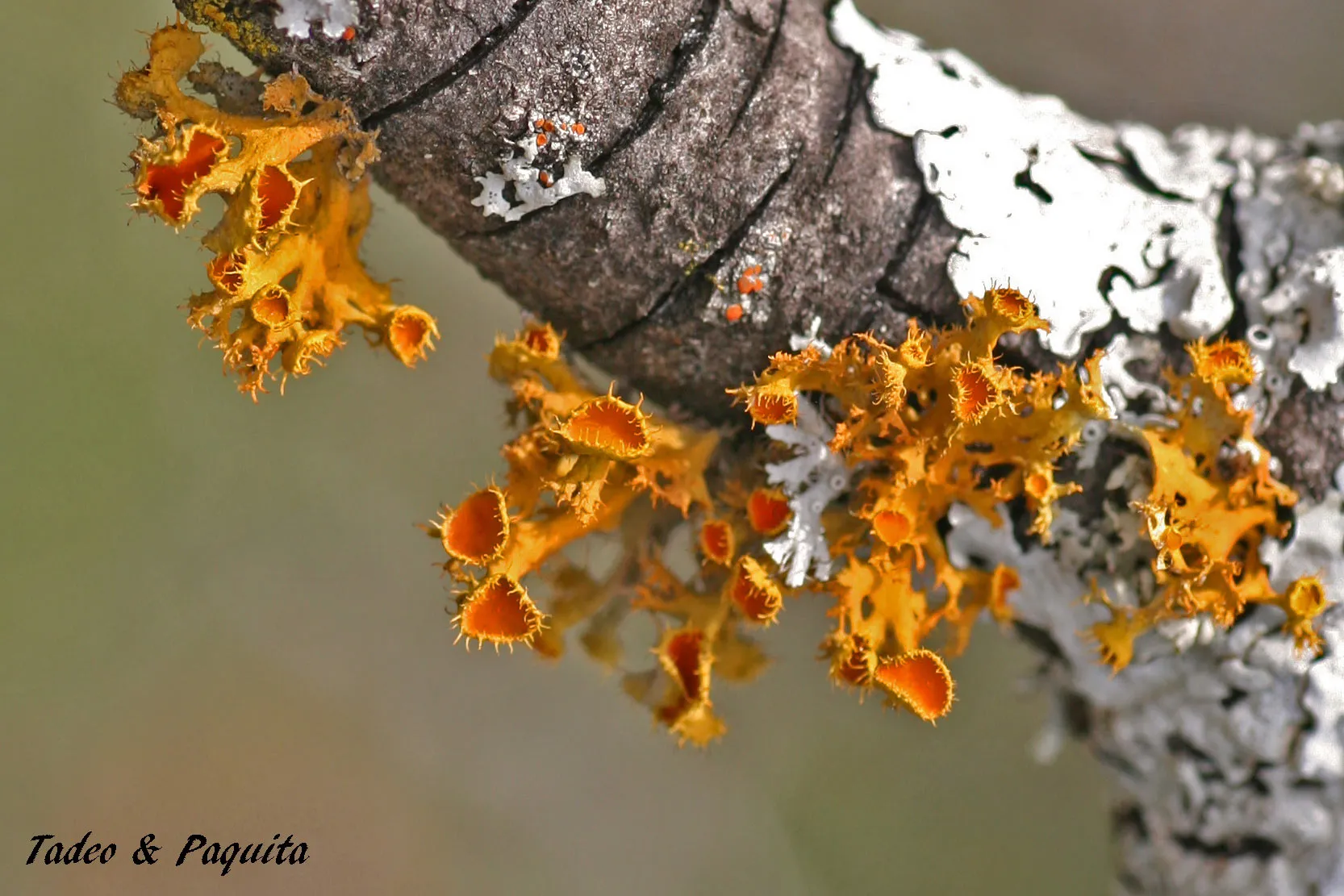
These are small, inedible, fan-shaped fungi that grow in shelves on tree trunks. They carry out an important task for the life of the wood: they break down the timber and manage to degrade organic compounds such as cellulose. If all the dead organic matter remained unaltered for long, the woods would run out of room for the normal development of both plant and animal life.
Edible mushrooms
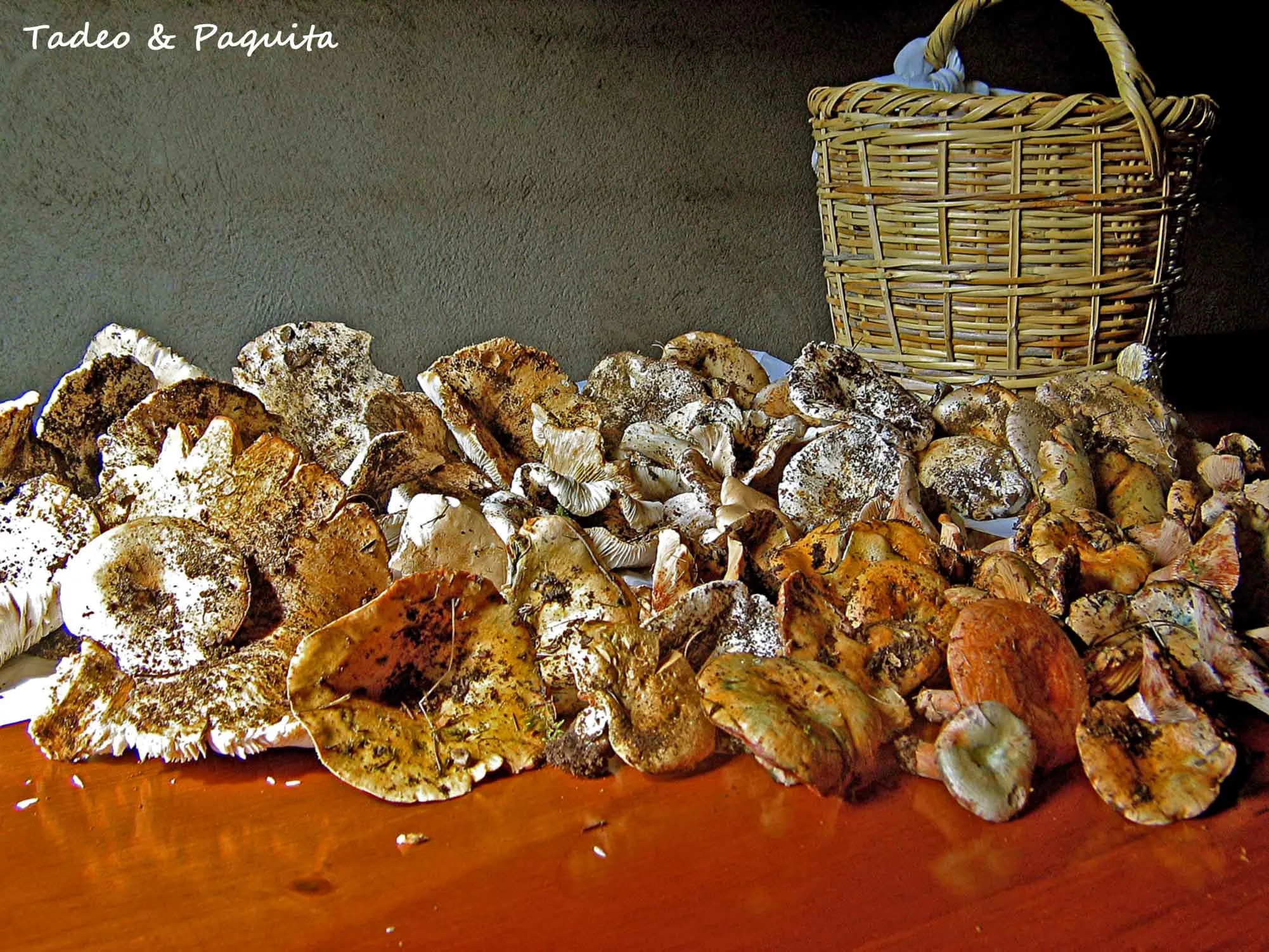
Around 4,000 species of fungi are found in the Iberian Peninsula, and only a quarter of them produce mushrooms we might call edible. Of these, fewer than thirty are really tasty, and those that are truly exceptional can be counted on the fingers of one hand.
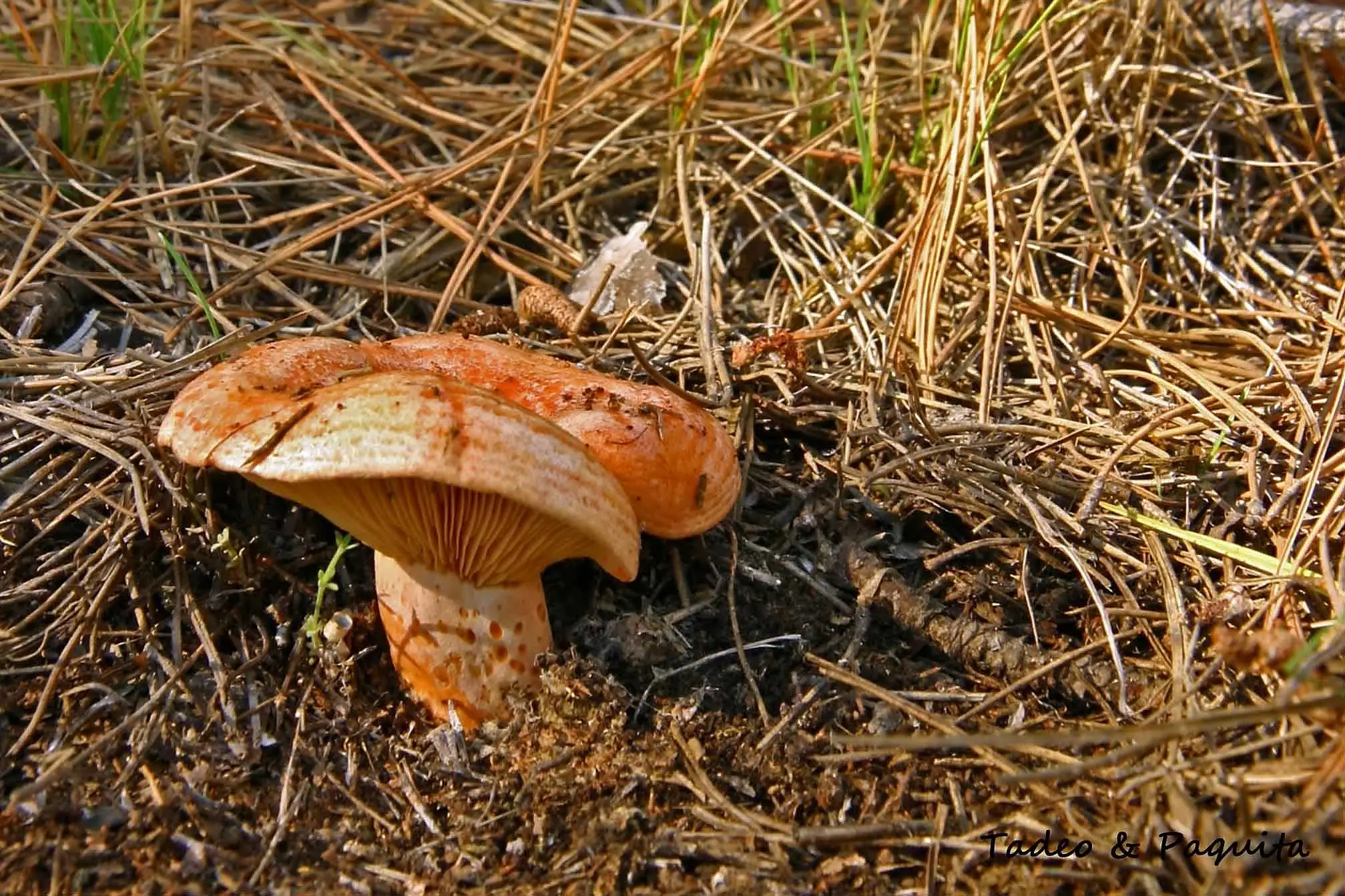
Their nutritional value is low: a kilo of mushrooms provides 400 calories. Saffron milk caps, rovellons, are one of the best-known and most prized species.
With the rains of August and early September, in the higher woodlands you can find saffron milk caps and other varieties, sometimes less well known but also very tasty.
More in Fungi and lichens
See the whole sectionLichens
An alga and a fungus
Two organisms that cannot live apart, so sensitive to pollution that their presence or absence tells you about the quality of the air.