Dry-stone walls and shelters
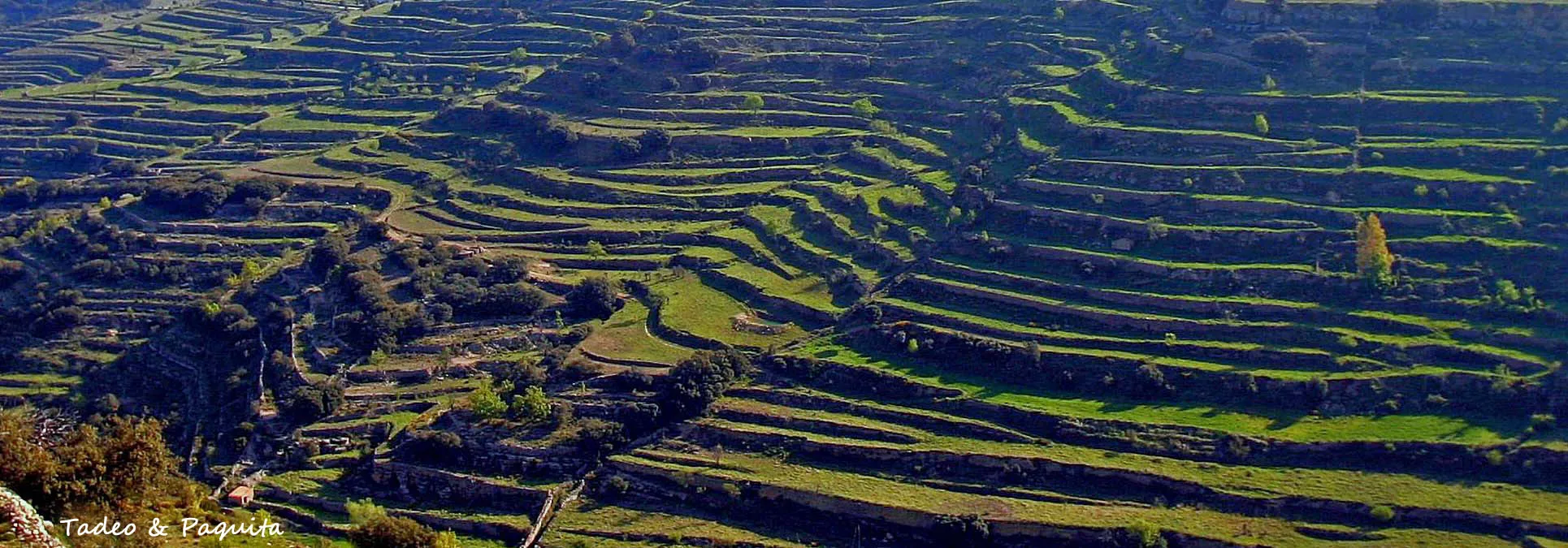
The terrace walls and huts that the people of this land raised with the only raw material they had to hand, stone, and which are now part of the landscape.
Dry-stone walls and shelters also add to the biodiversity of the area.
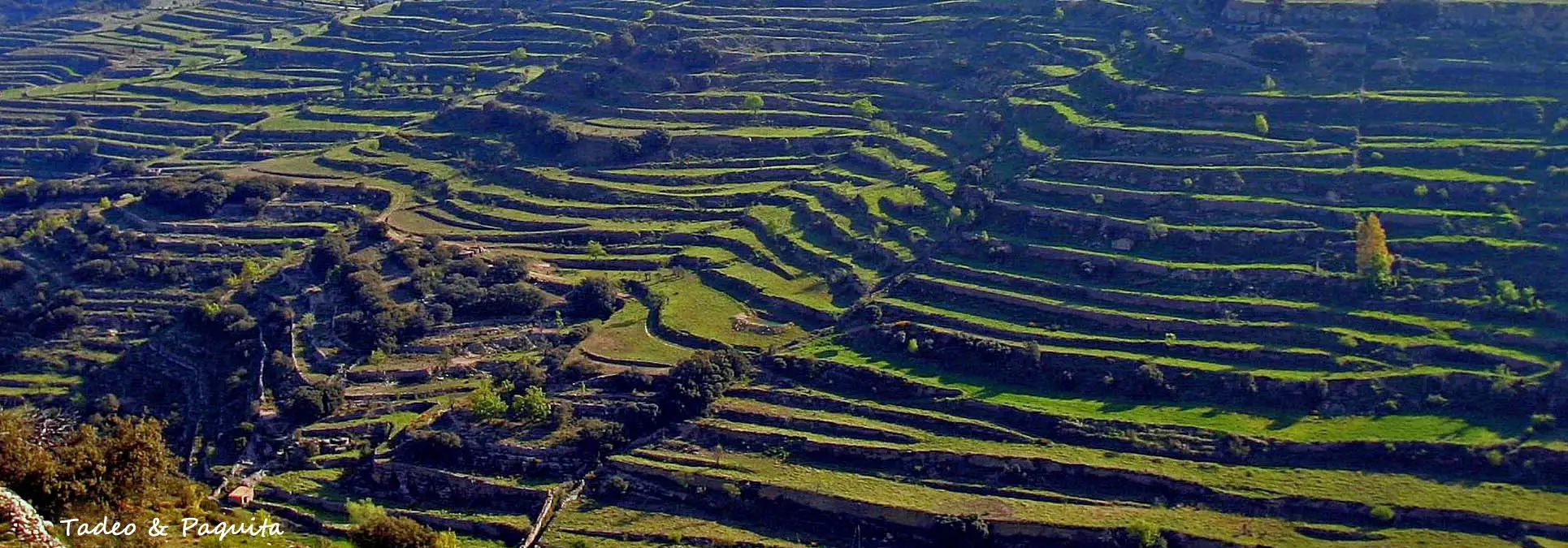
These constructions were needed to enlarge the area of cultivated fields. Dry-stone walls, called marges, form a wall that holds back the earth; in this way the fields absorb the rainwater and the seeds bear fruit.
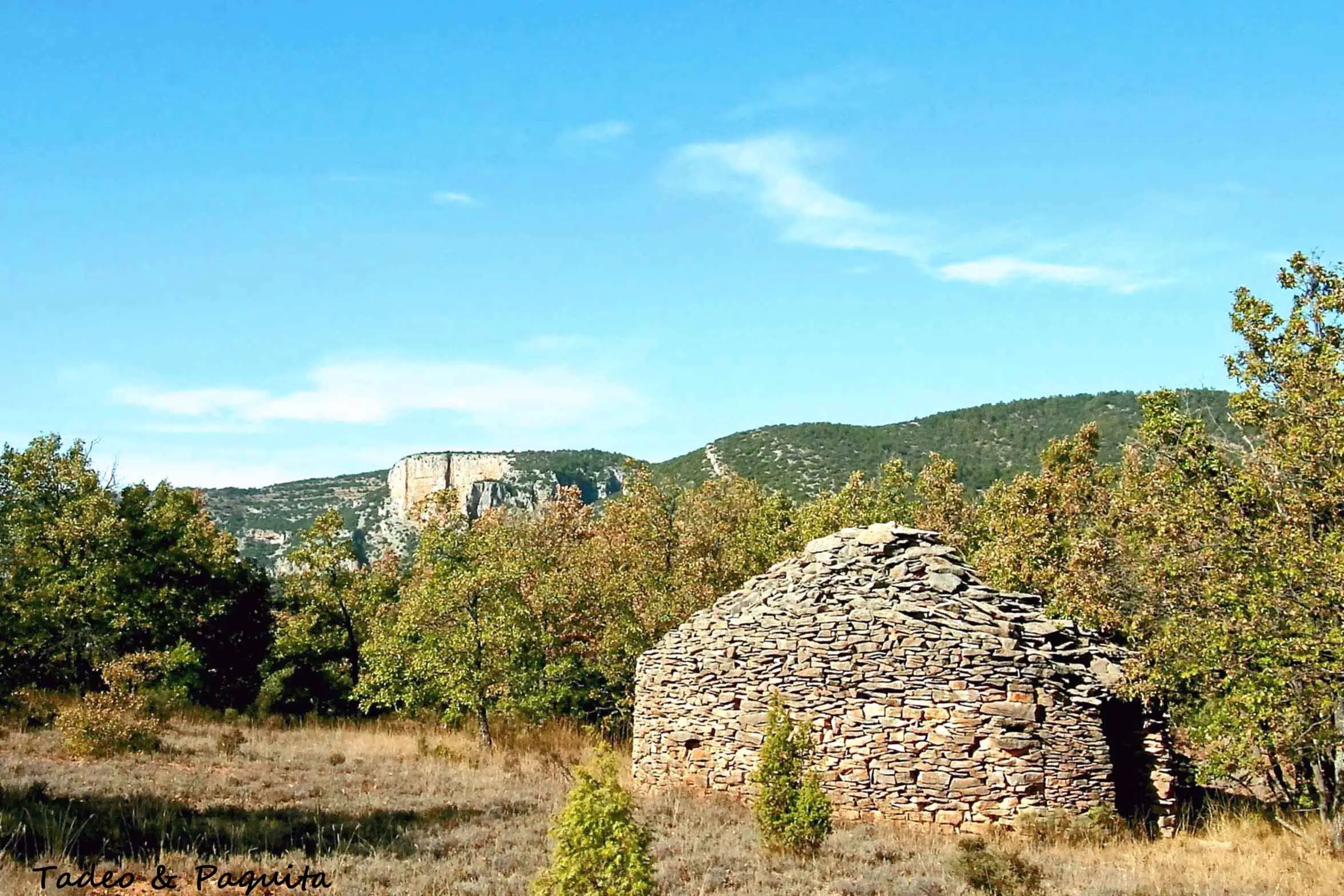
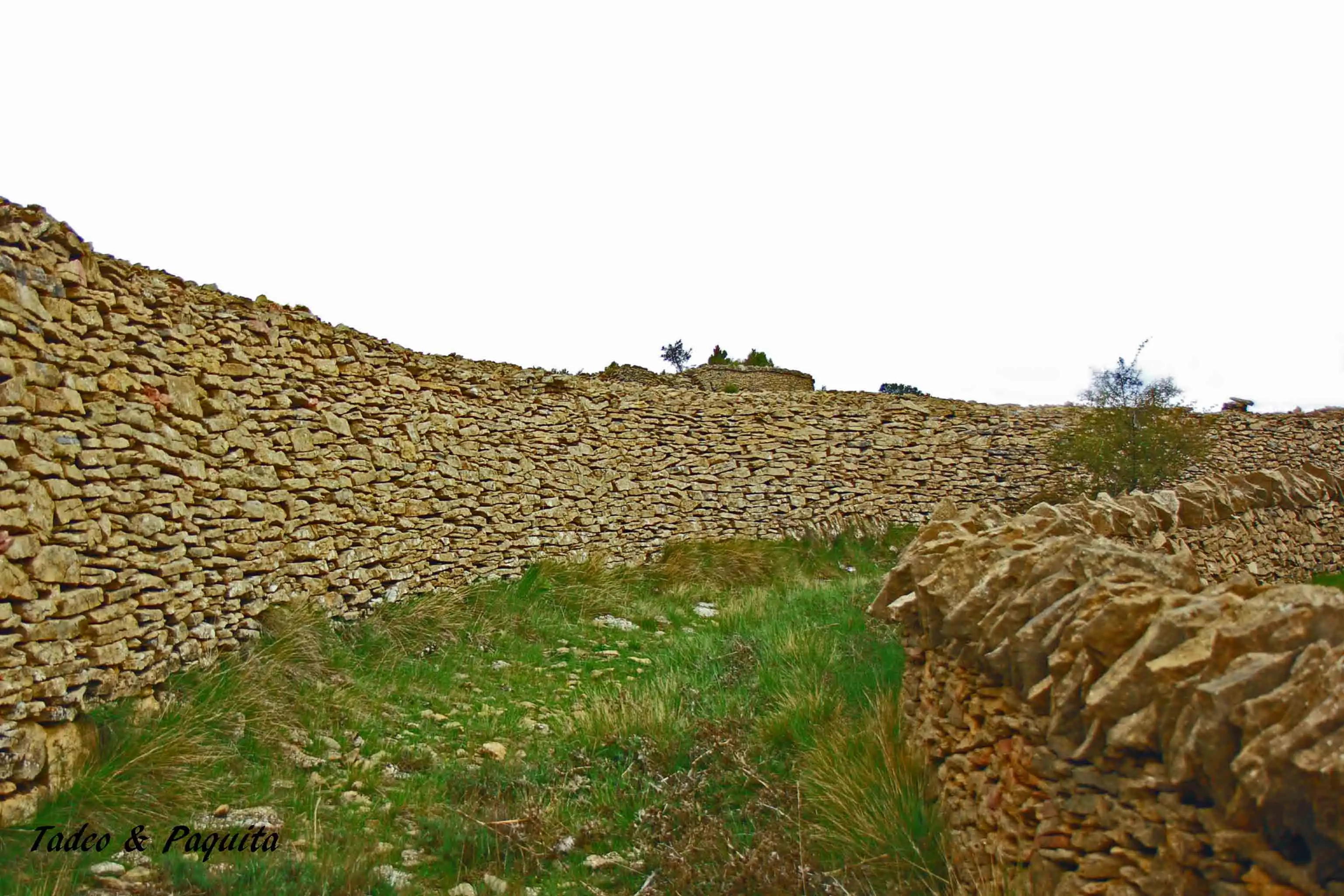
At other times the walls mark the boundary between paths and farms, and protect the crops from livestock.
The people of this land, with simple ideas, relying on logic and observation, with rudimentary tools and the technique learned from their ancestors, have raised true works of architecture with the only raw material taken from the land itself: the humble stone.
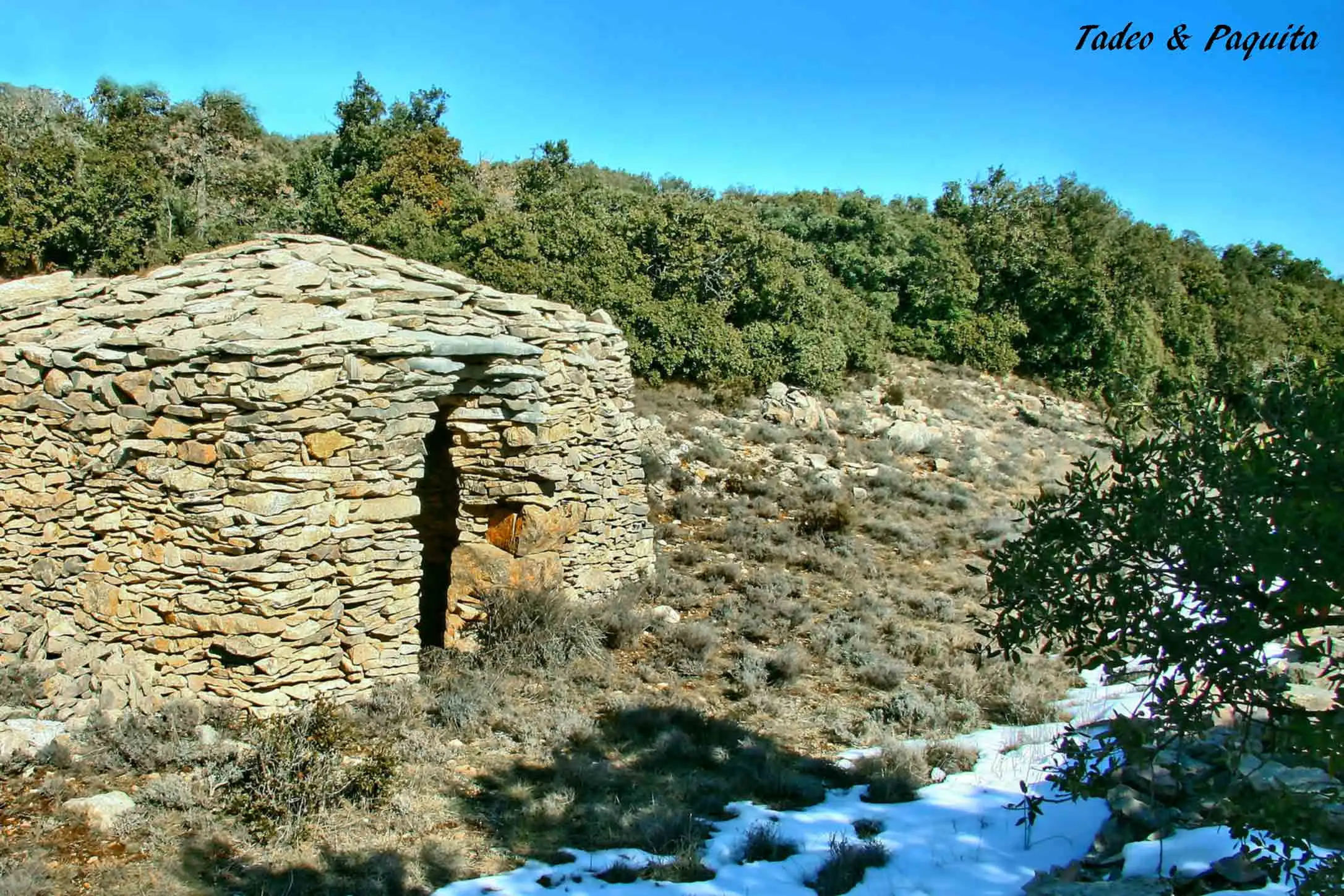
The different kinds of hut depend on the needs of each place. Some, smaller, serve as shelter from bad weather, such as storms and downpours; others, larger, are used both as shelter and as a place to keep farm tools.
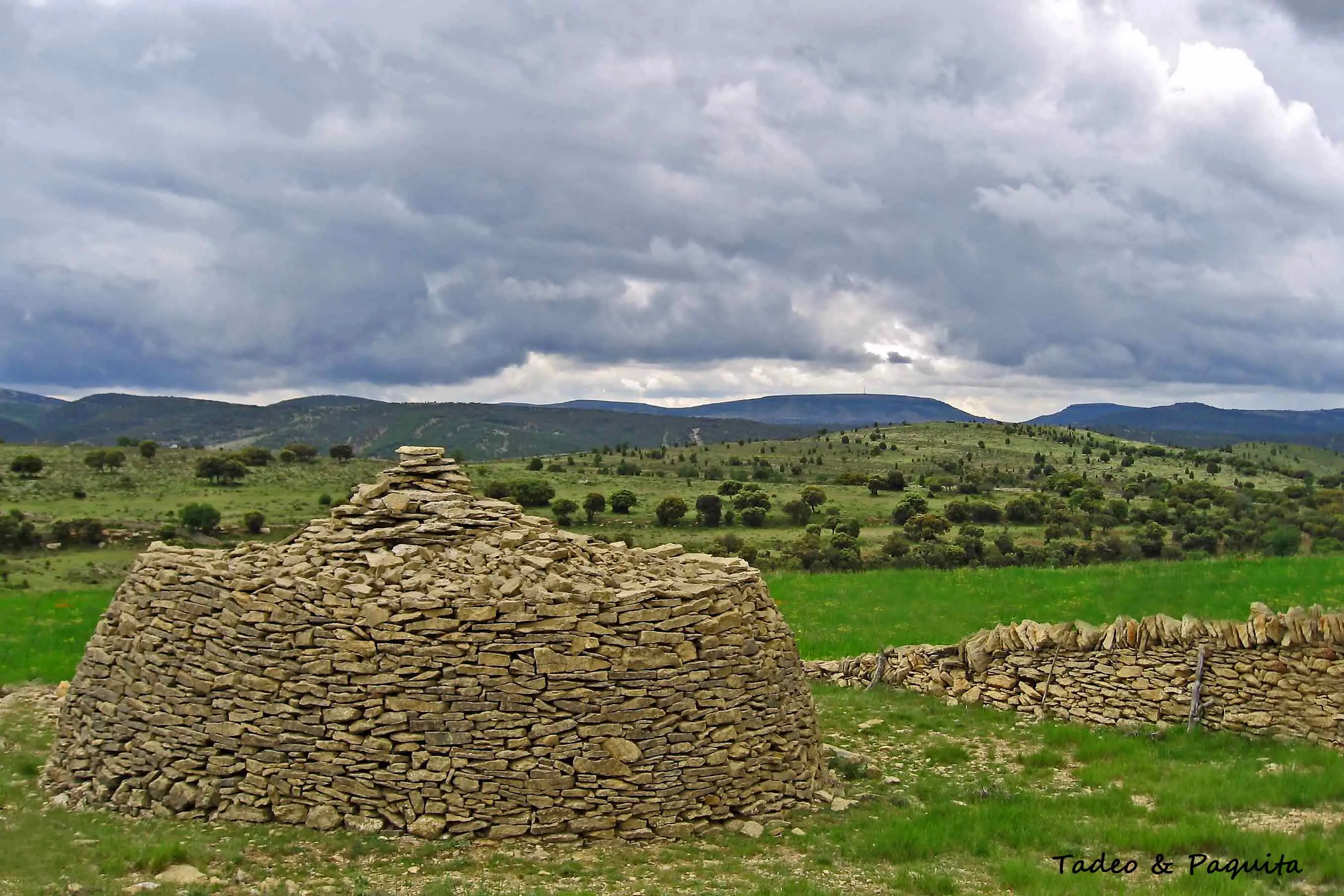
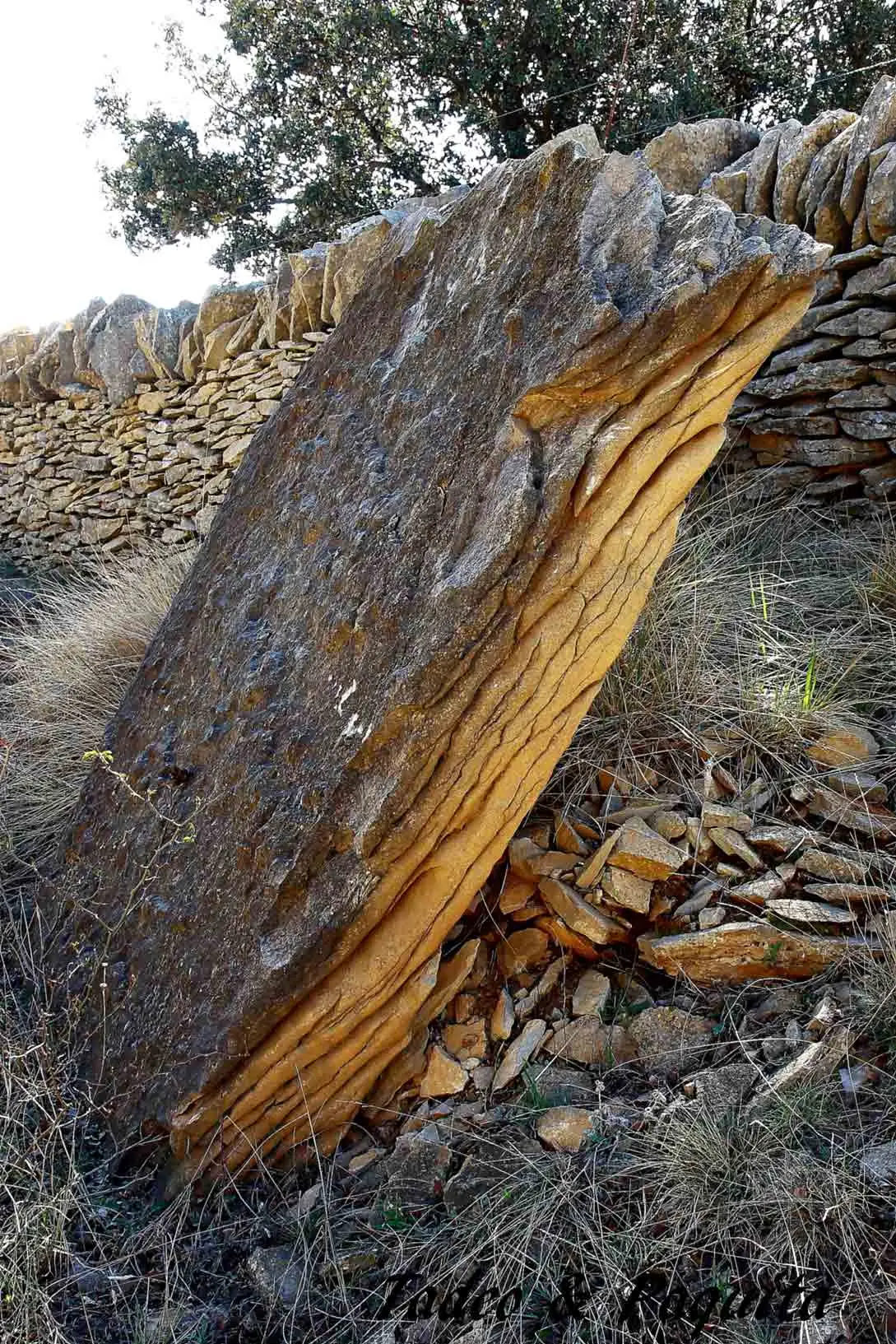
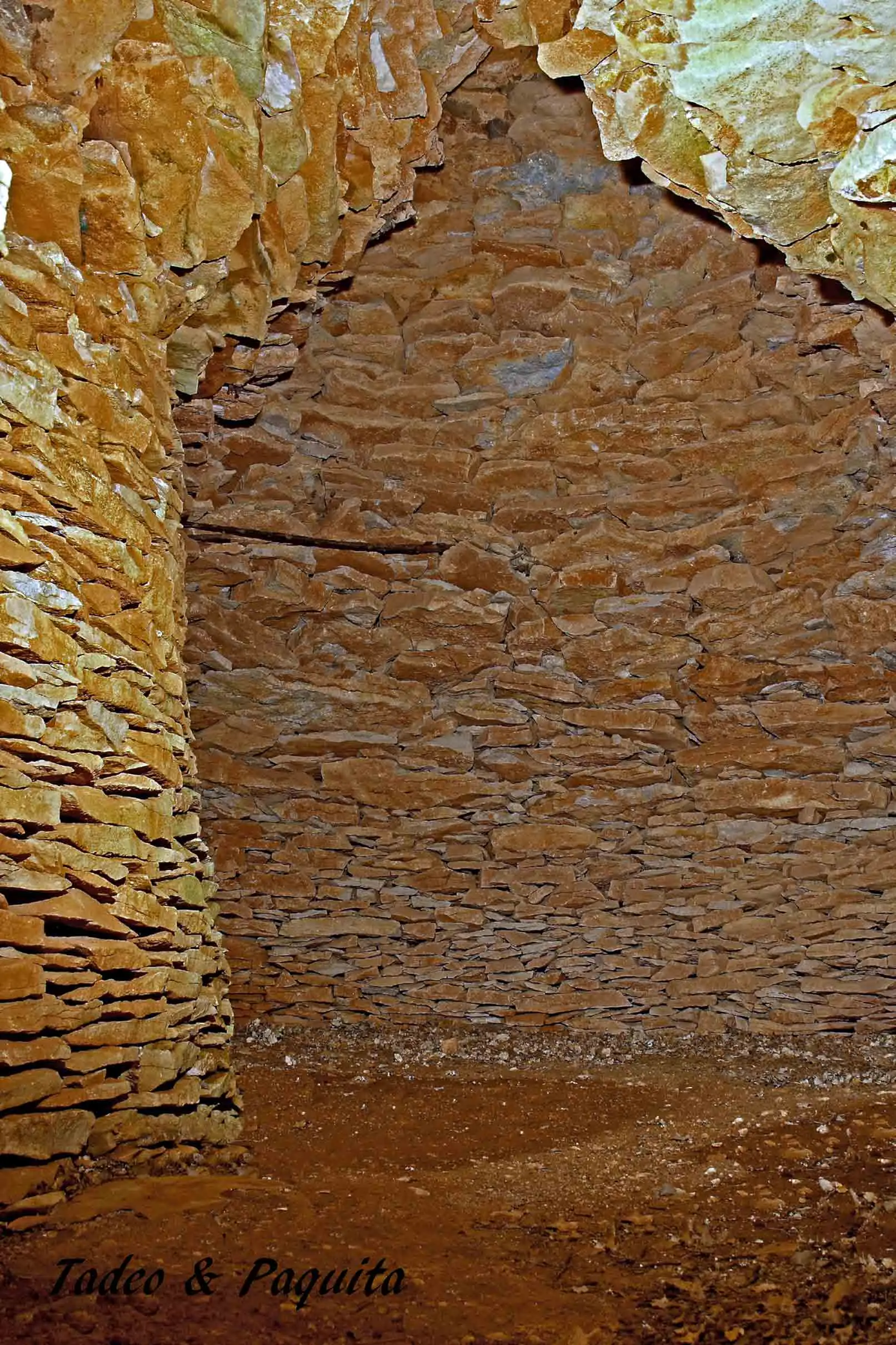
They are constructions that blend into the landscape, lending naturalness and service to the place where they stand.
More in The rambla
See the whole sectionThe nature reserve
Green, greys and ochres
Where the rambla is, how the Roca Parda and the Roca Roja were formed, and why the landscape changes completely when it rains.
Spring
The first green
The plants that have overwintered wake up, the almond trees cover the fields in white and pink, and every few days the colours change.
Summer
Harvest time
The region has always grown cereals. The solstice marked the high point of the harvest; today the combine does in an afternoon what once took weeks.