Summer
Harvest time
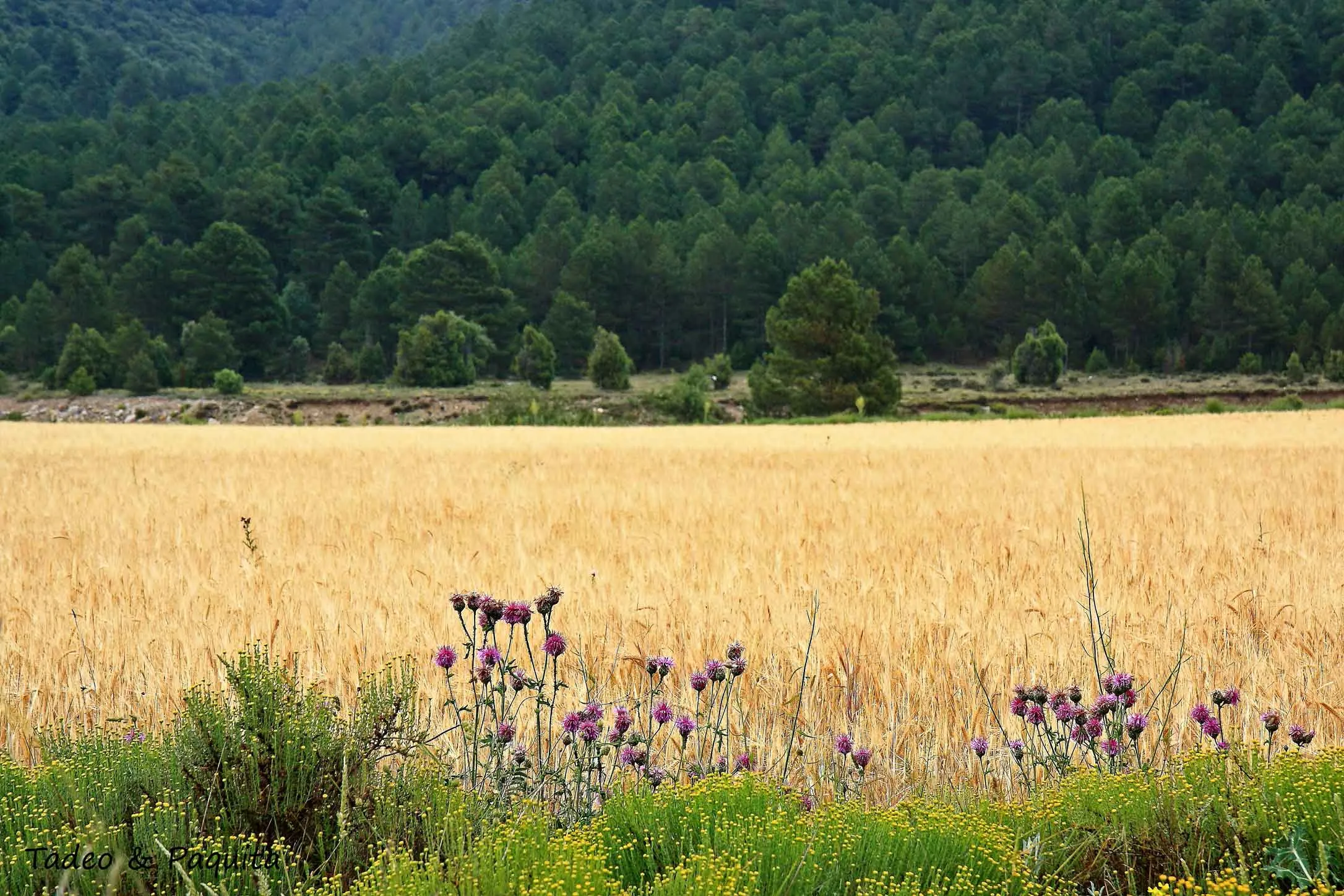
The region has always grown cereals. The solstice marked the high point of the harvest; today the combine does in an afternoon what once took weeks.
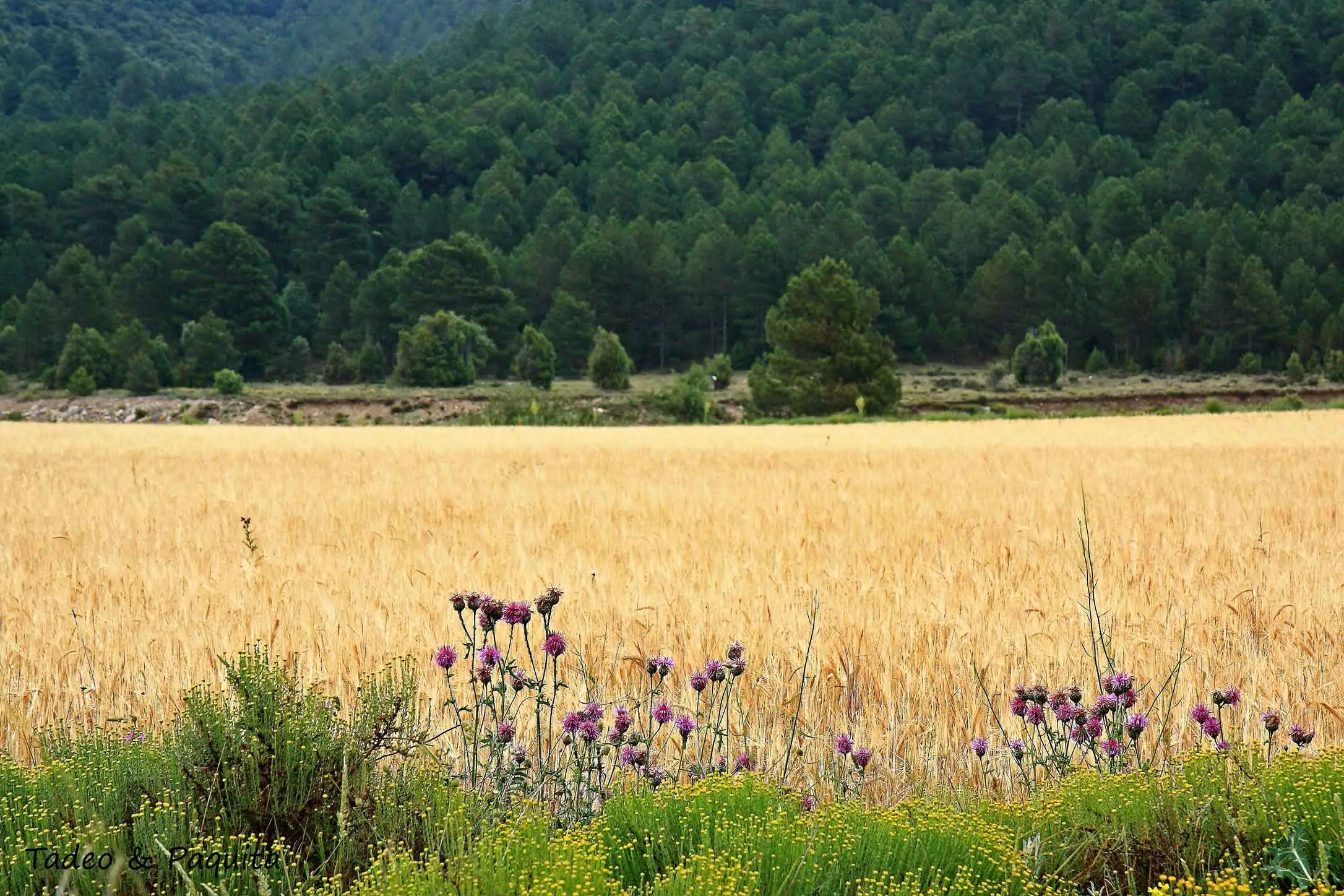
Summer is the season of the year that, astronomically, begins at the summer solstice —this year it fell on 21 June 2015— and ends at the autumn equinox.
For many cultures it was not merely an excuse to celebrate or pray: it was something essential to their existence. Linked to agriculture, the summer solstice was a reminder that the crops had reached their peak.
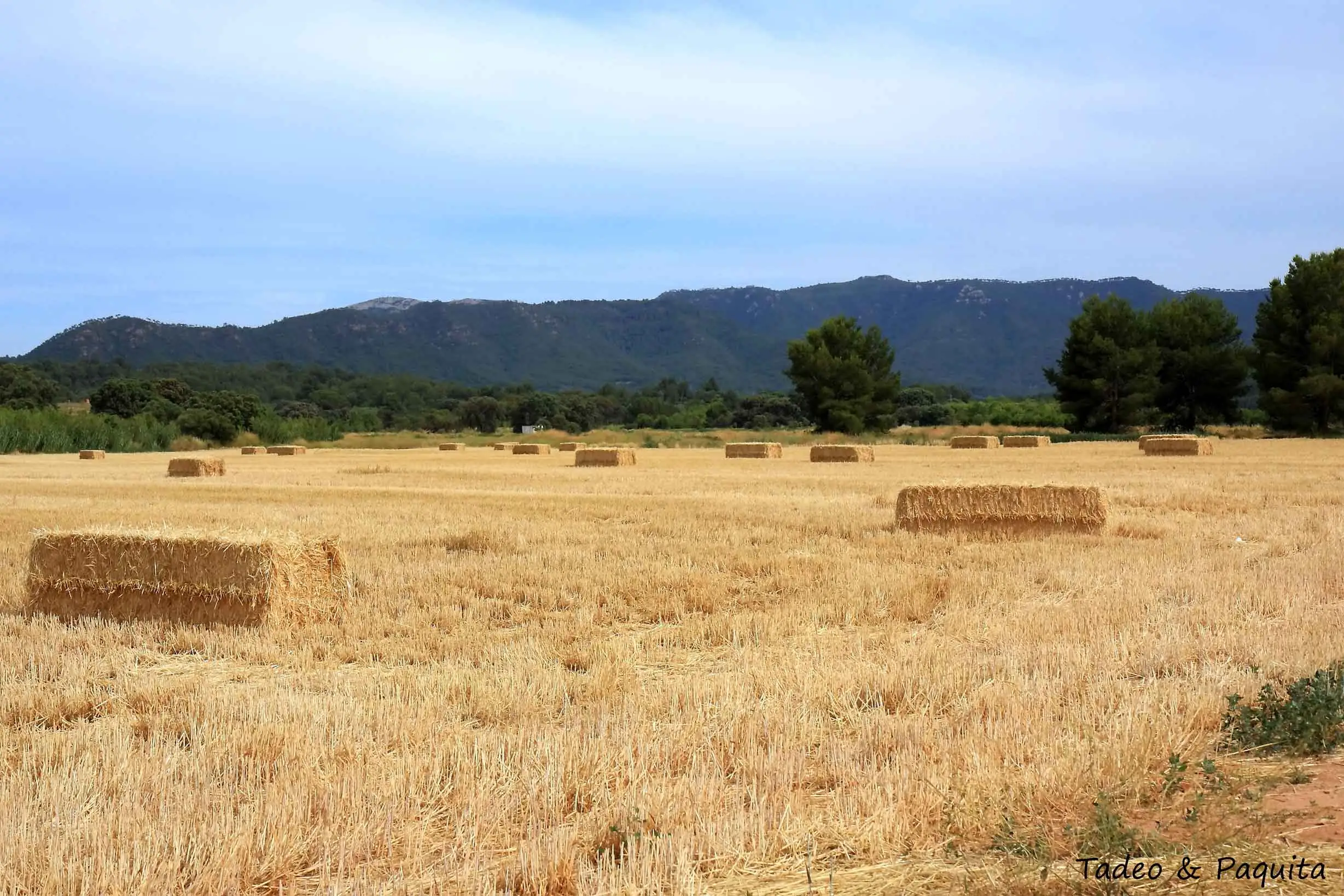
This region has been, and still is, mainly cereal-growing. With the spring rains, the cereal harvest comes more or less early. The way the harvest is gathered now has nothing to do with how it was done not so many years ago, when the manual work was very hard and the season began in June or July.
Although cereals —wheat, barley and rye— are still important and necessary, they are now grown only in large fields with easy access for the combine harvesters.
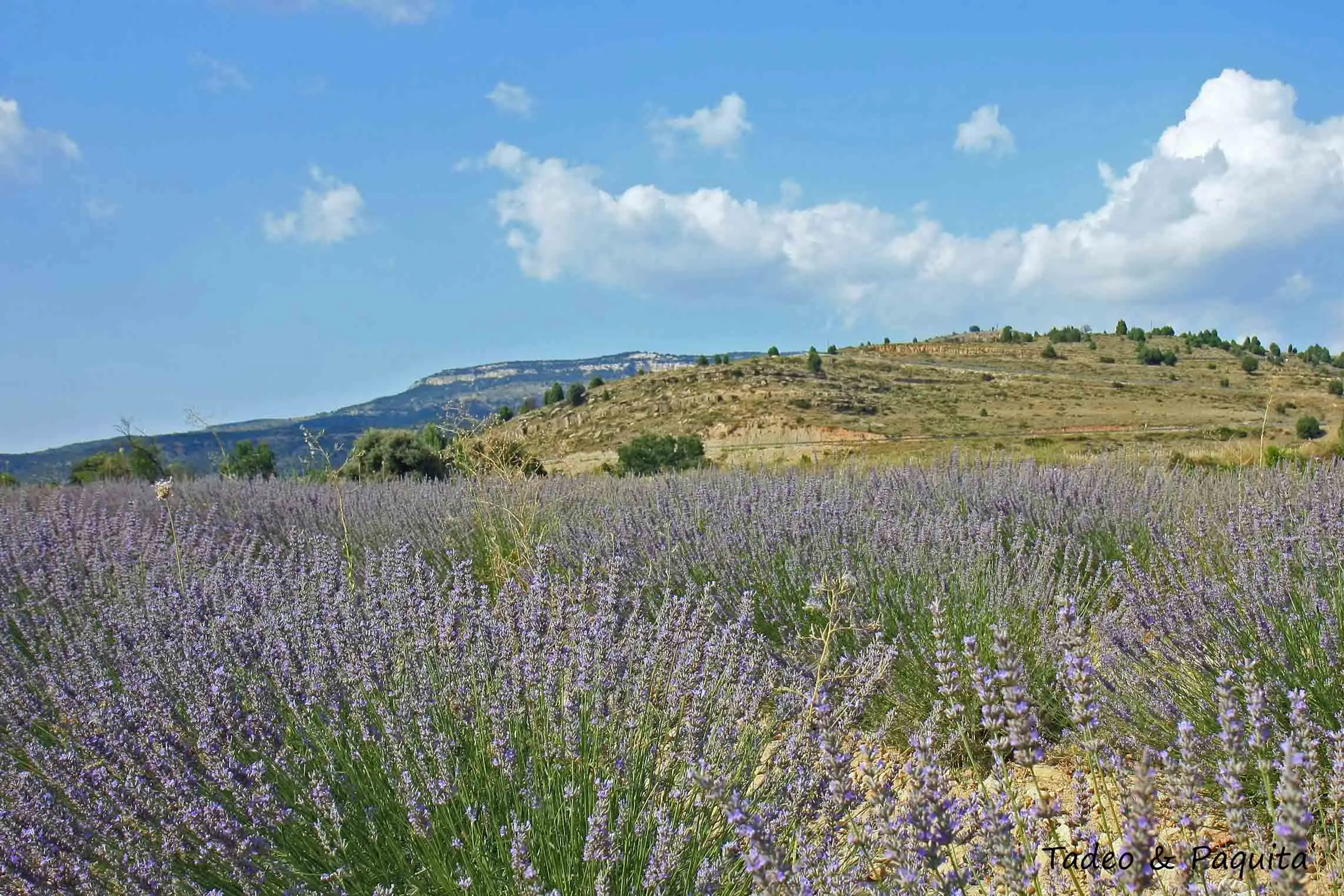
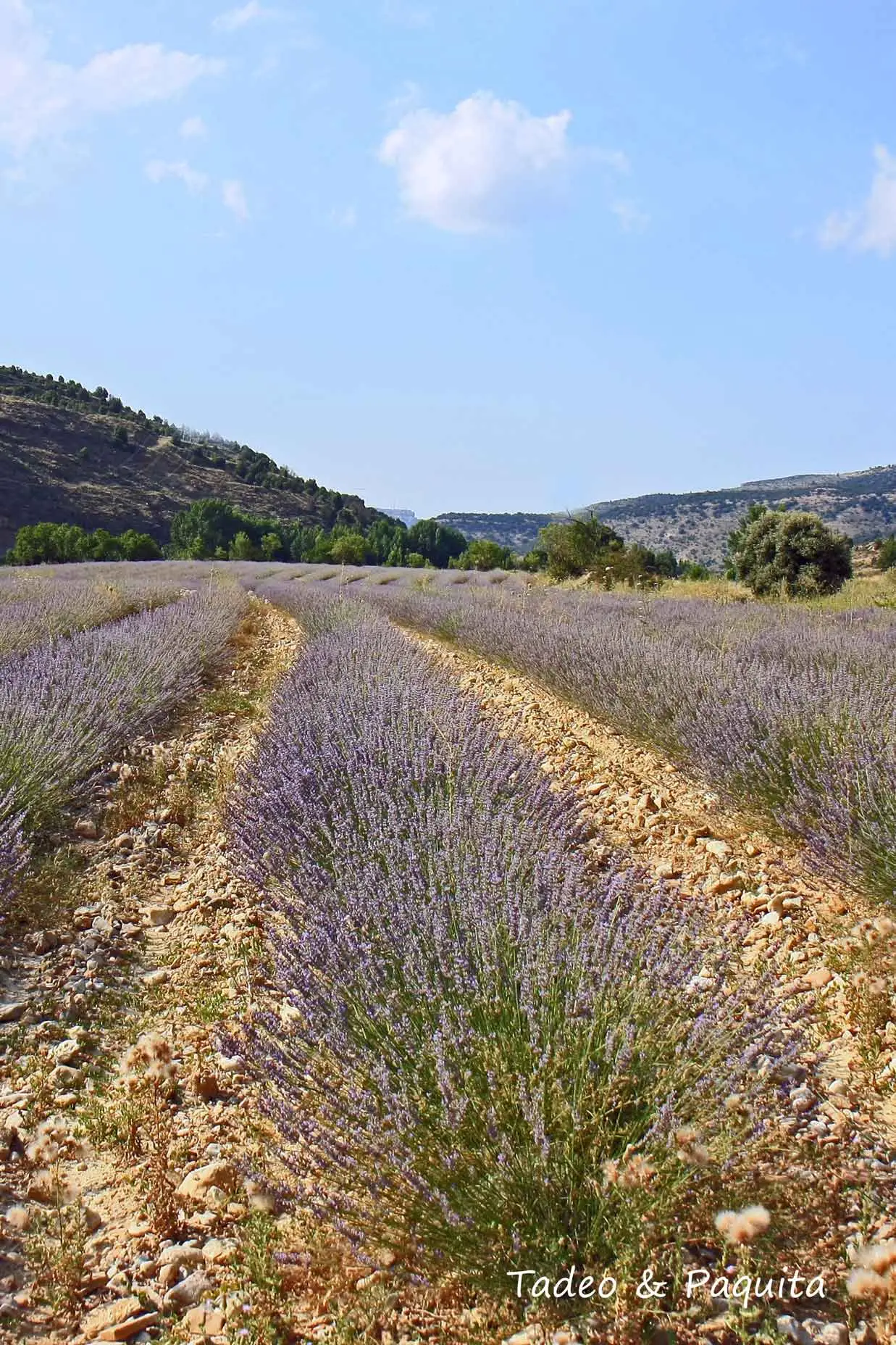
Various aromatic plants are also harvested, from which come the essential oils sold by a cooperative, helping the economy of this land, harsh because of its climate and frequent drought, except for the summer storms, which sometimes cause damage.
More in The rambla
See the whole sectionThe nature reserve
Green, greys and ochres
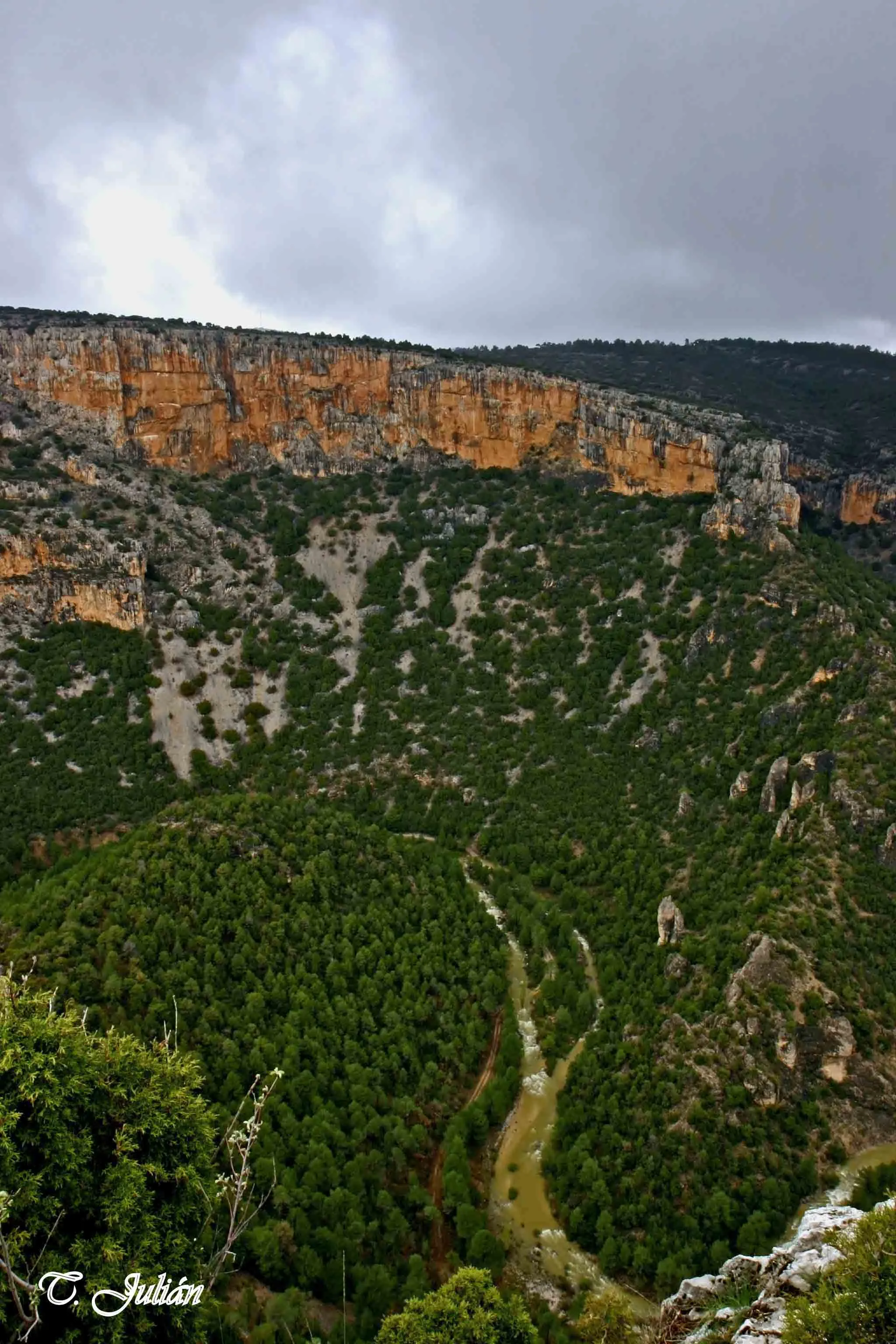
Where the rambla is, how the Roca Parda and the Roca Roja were formed, and why the landscape changes completely when it rains.
Dry-stone walls and shelters
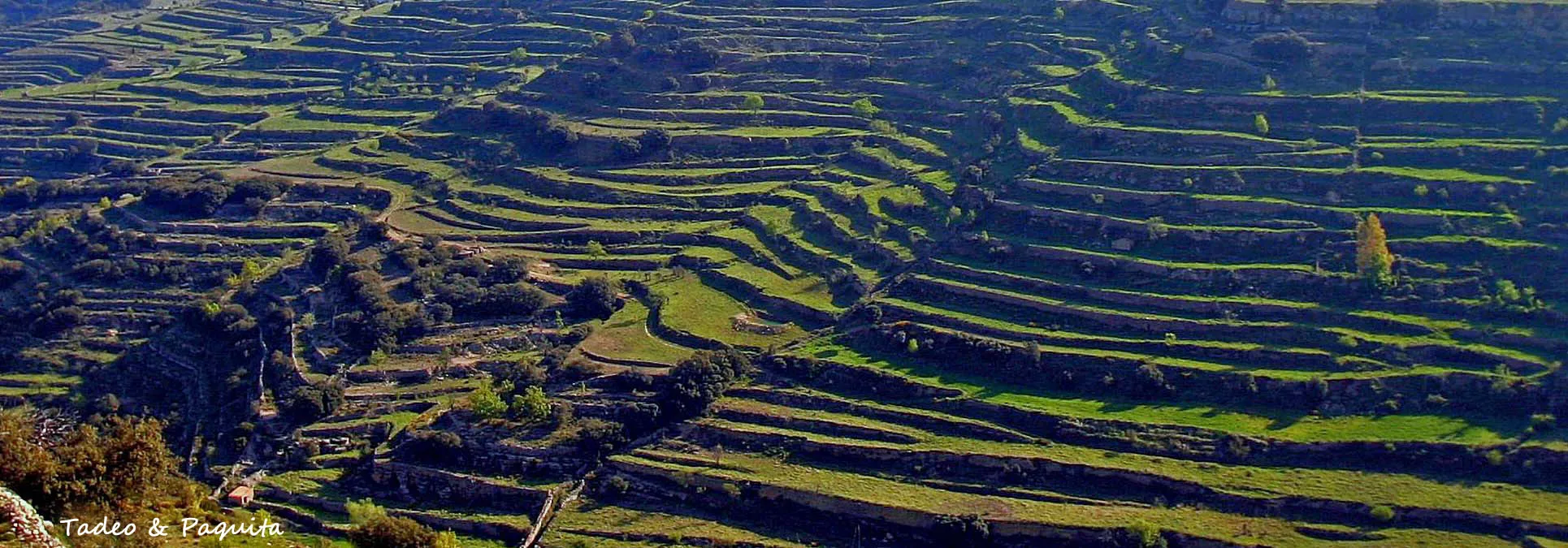
The terrace walls and huts that the people of this land raised with the only raw material they had to hand, stone, and which are now part of the landscape.
Spring
The first green
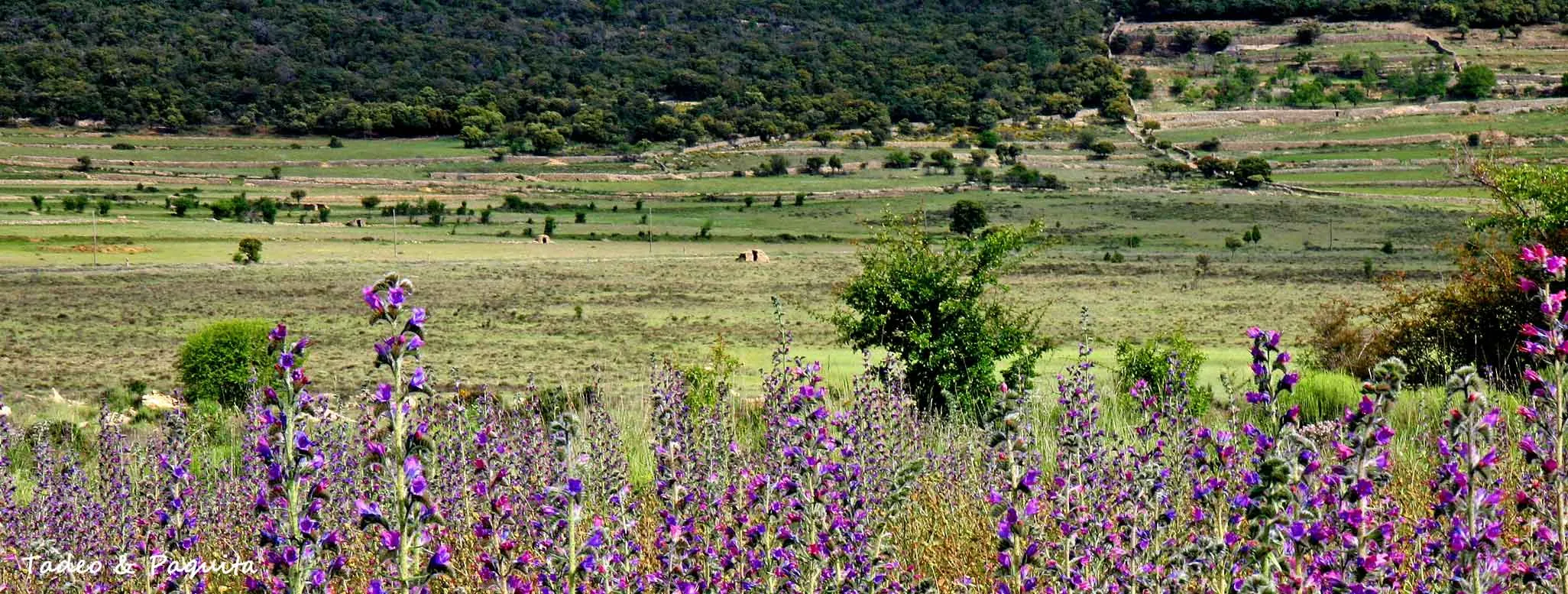
The plants that have overwintered wake up, the almond trees cover the fields in white and pink, and every few days the colours change.