Spring
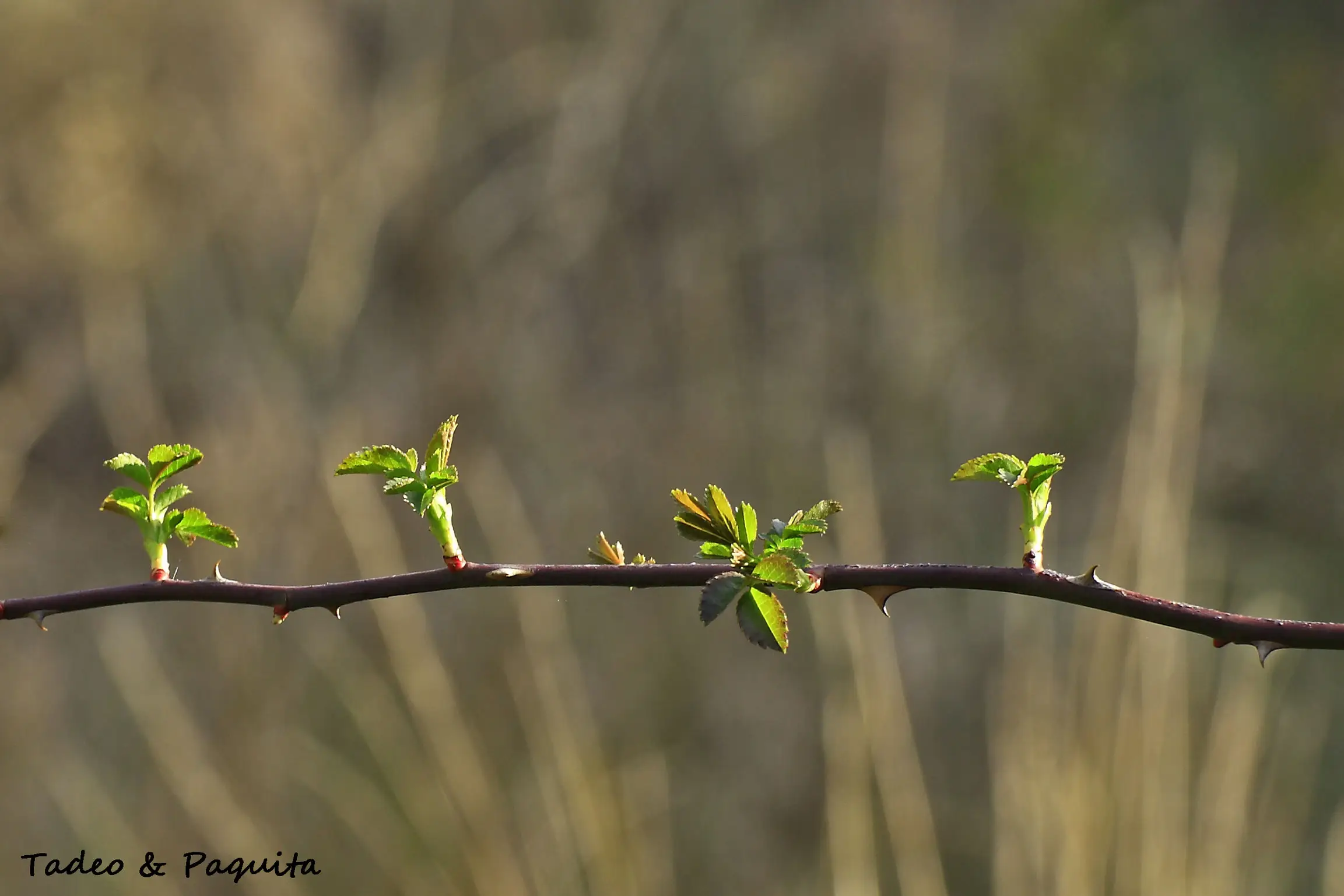
The first green
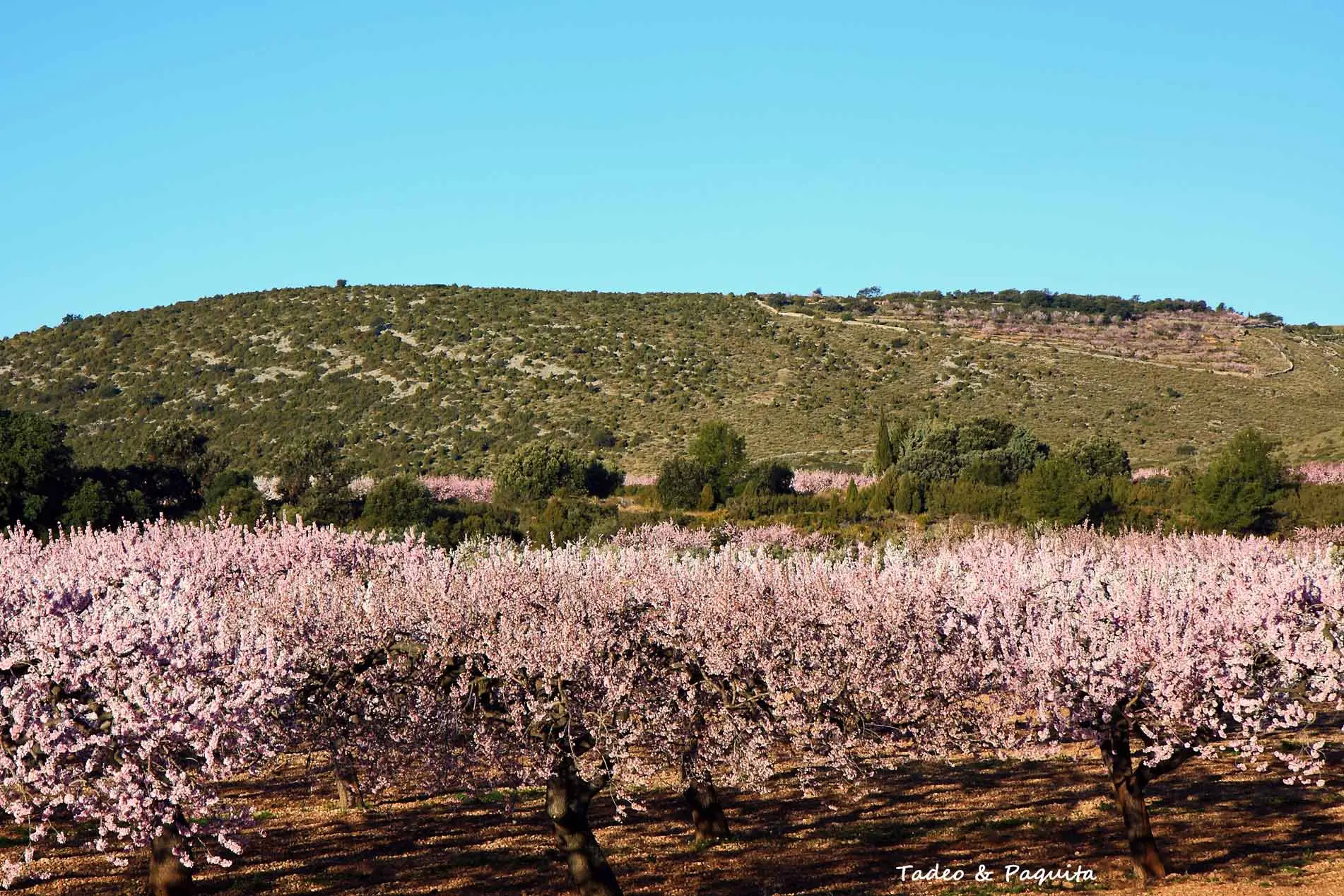
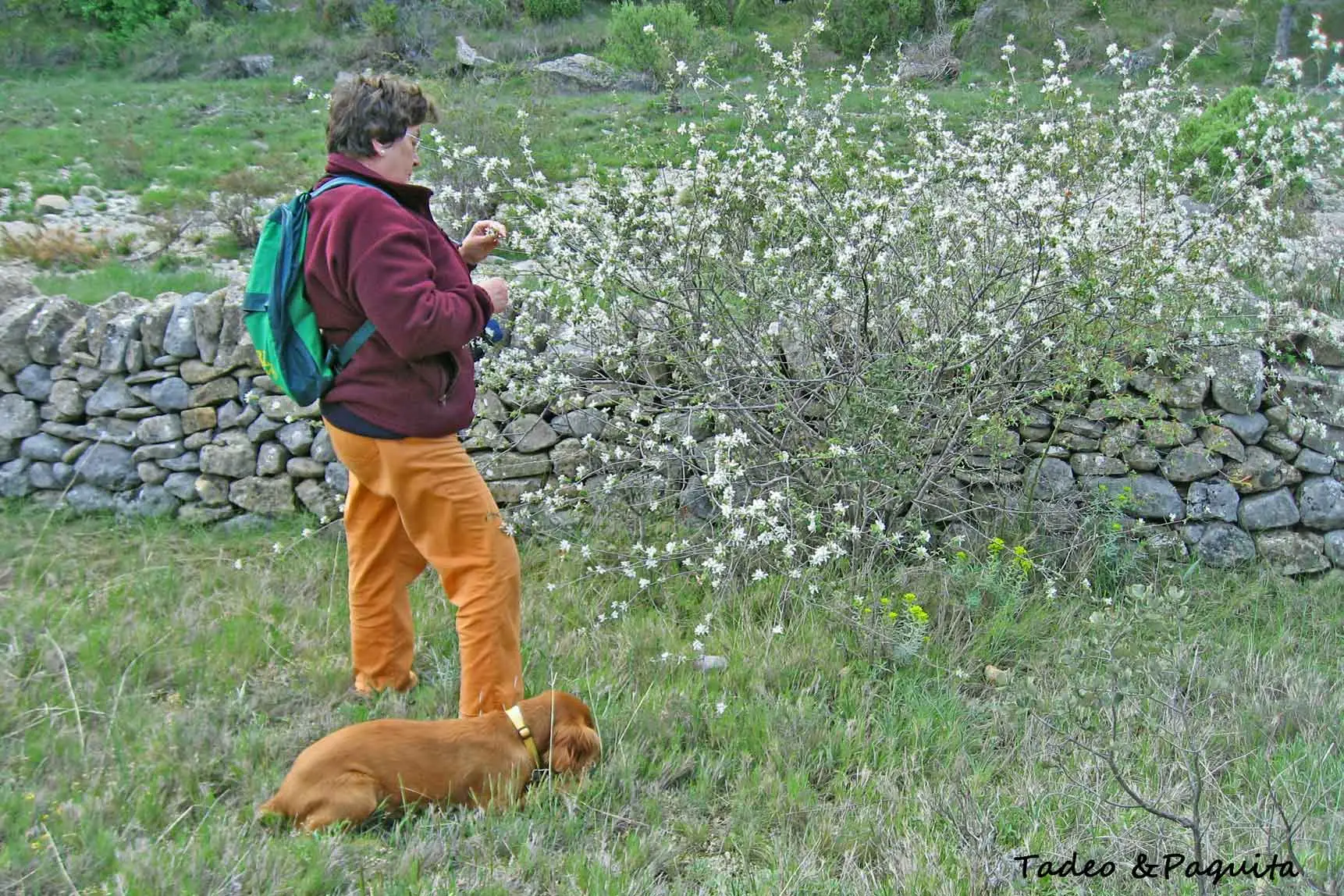
The plants that have overwintered wake up, the almond trees cover the fields in white and pink, and every few days the colours change.
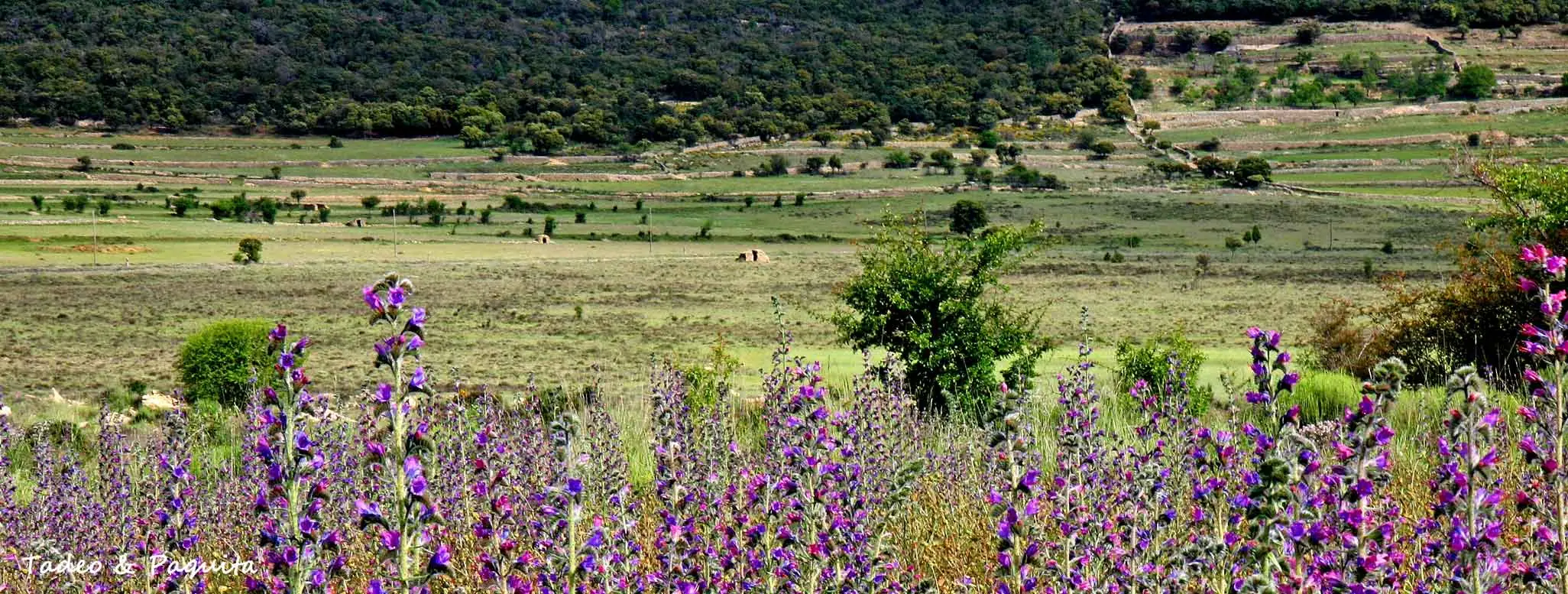
It is one of the four seasons of the year and, in Spanish, the only one with a feminine name: primavera means “first green”.
This year winter ended on 20 March at 23:45, with a solar eclipse that we could not see here because of the cloud all day long. From the spring equinox until 21 June 2015 the day grows almost three minutes longer each day in the peninsula, and the plants that have been overwintering wake up: they begin a period of growth and flowering, their activity starts.
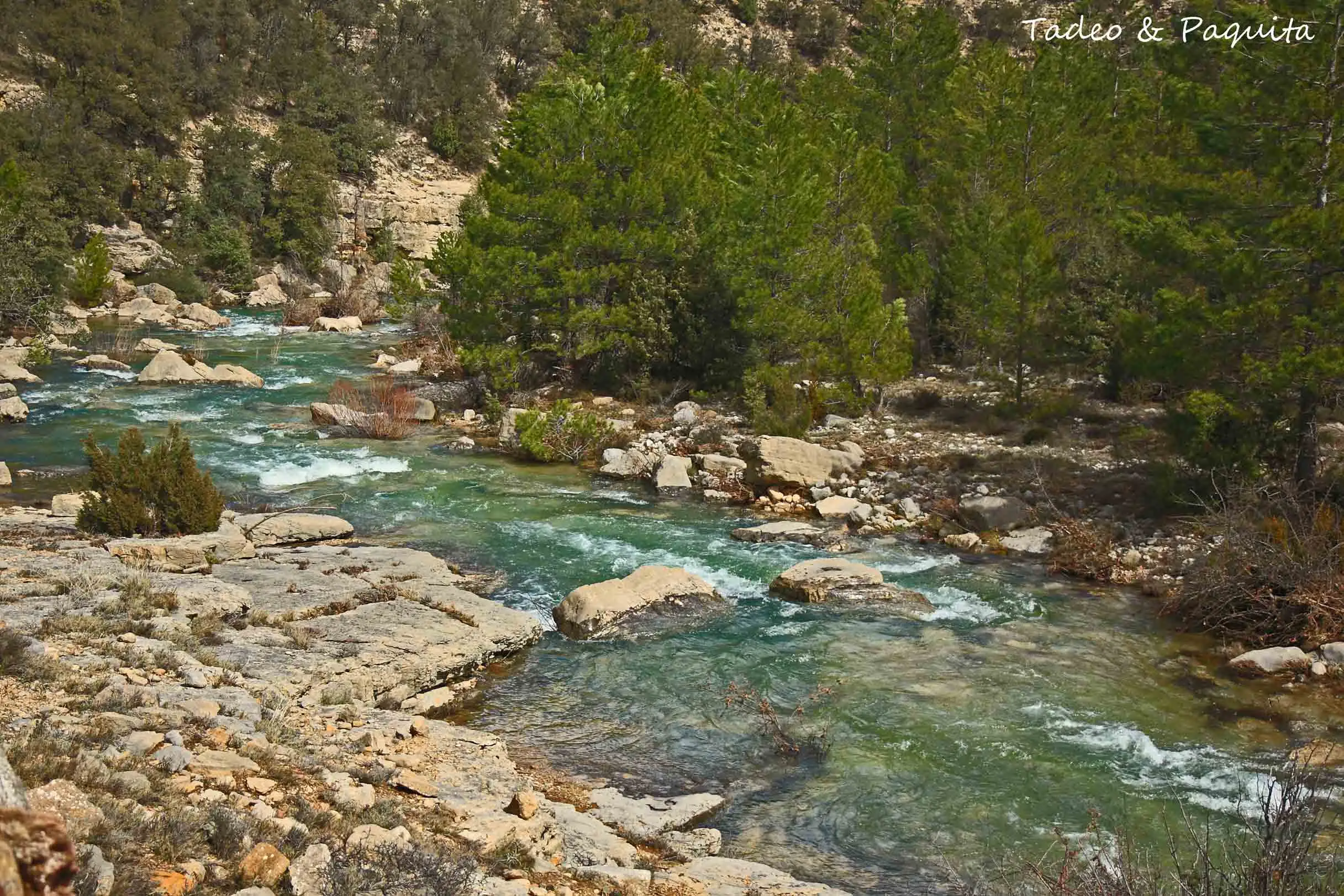
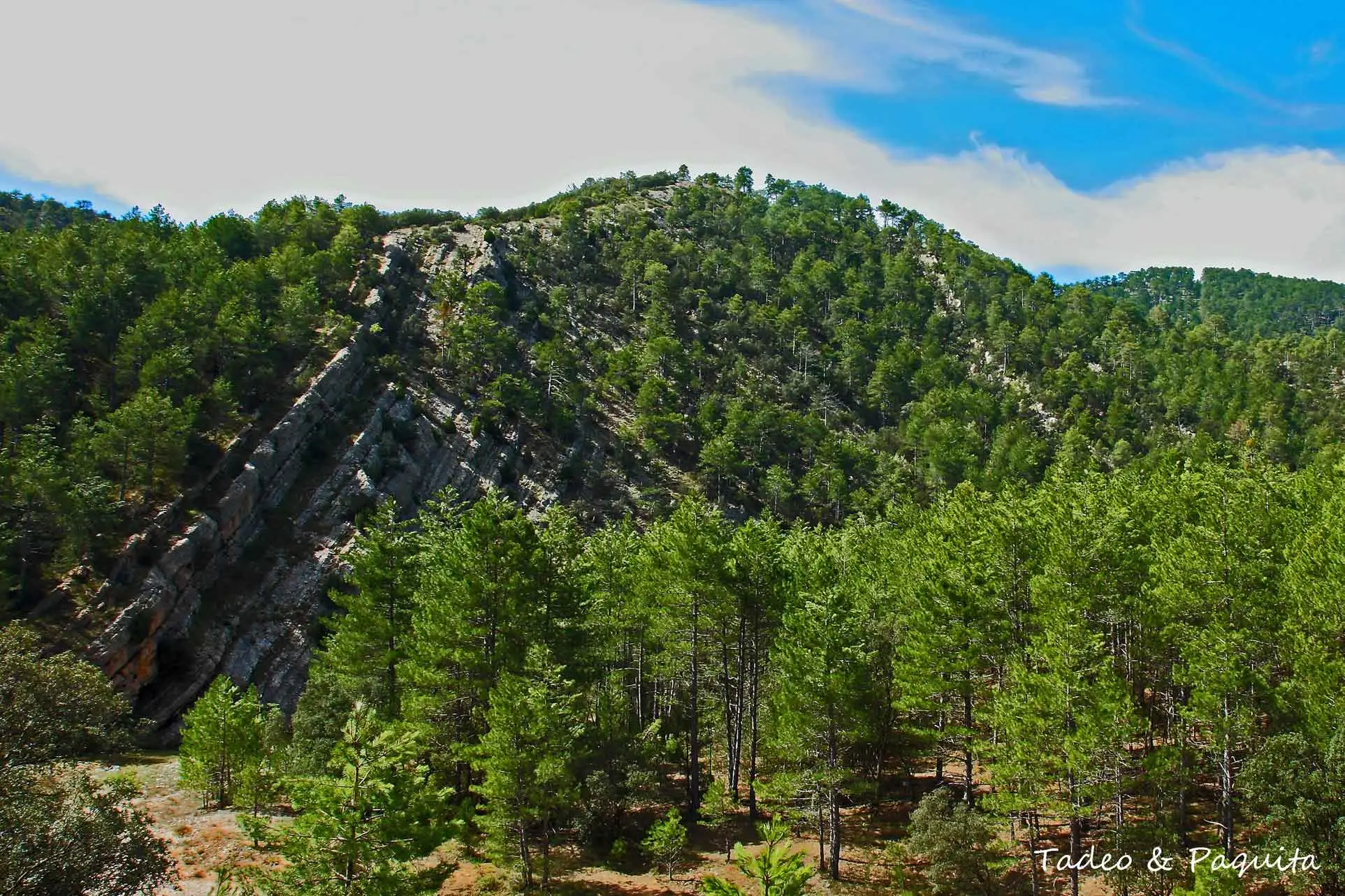
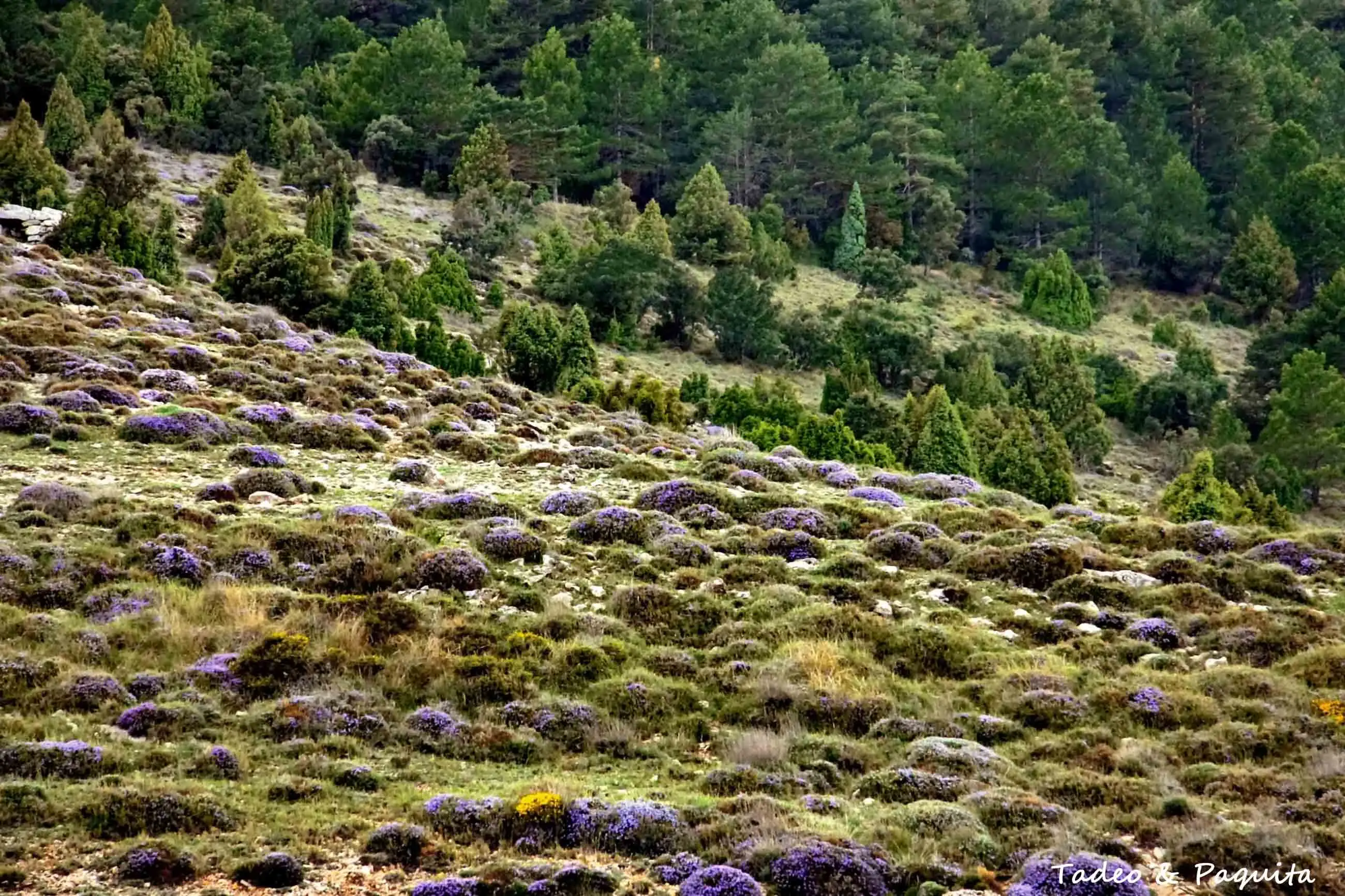
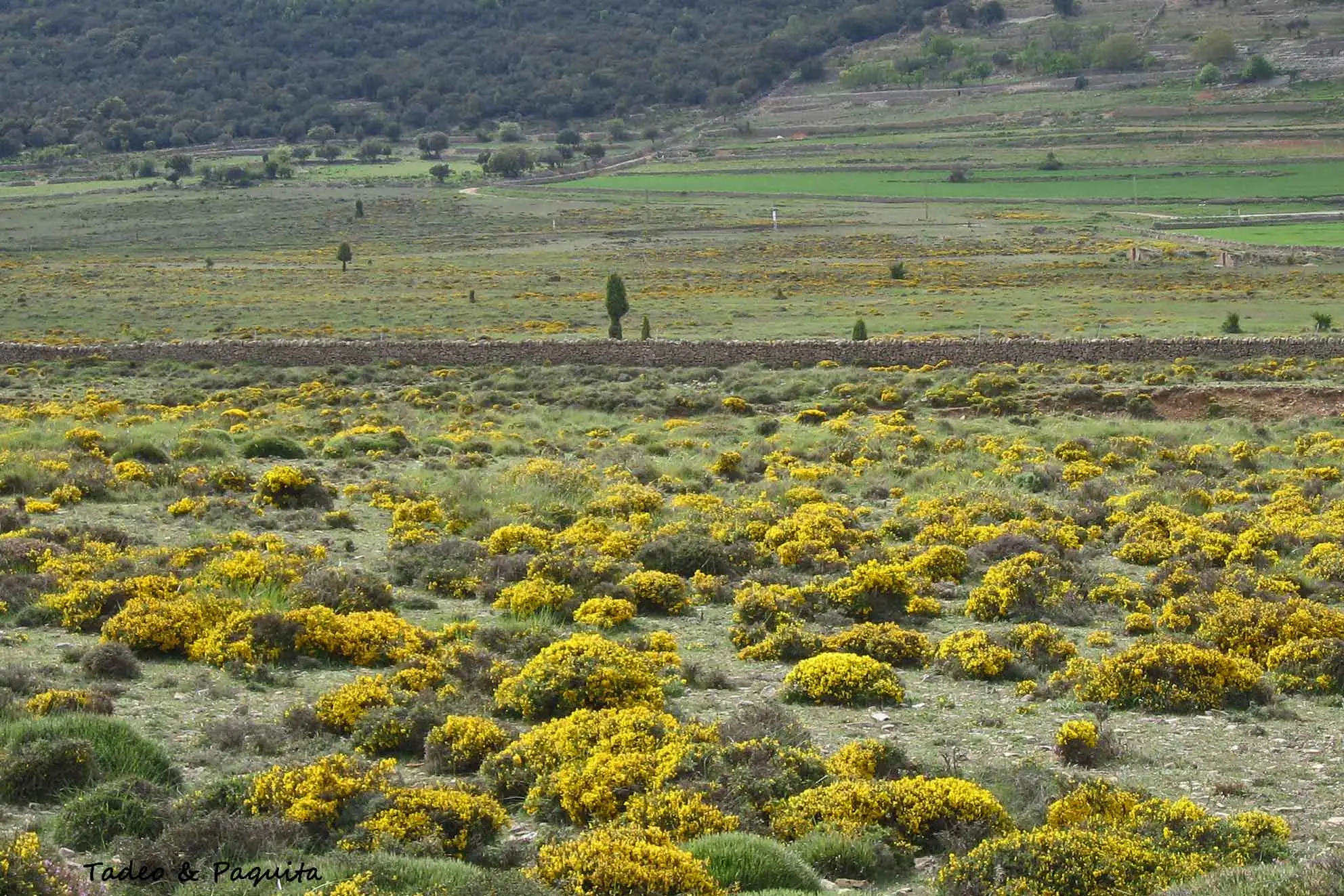
The green of the whole made up of trees, shrubs and every kind of vegetation is luminous, clean.
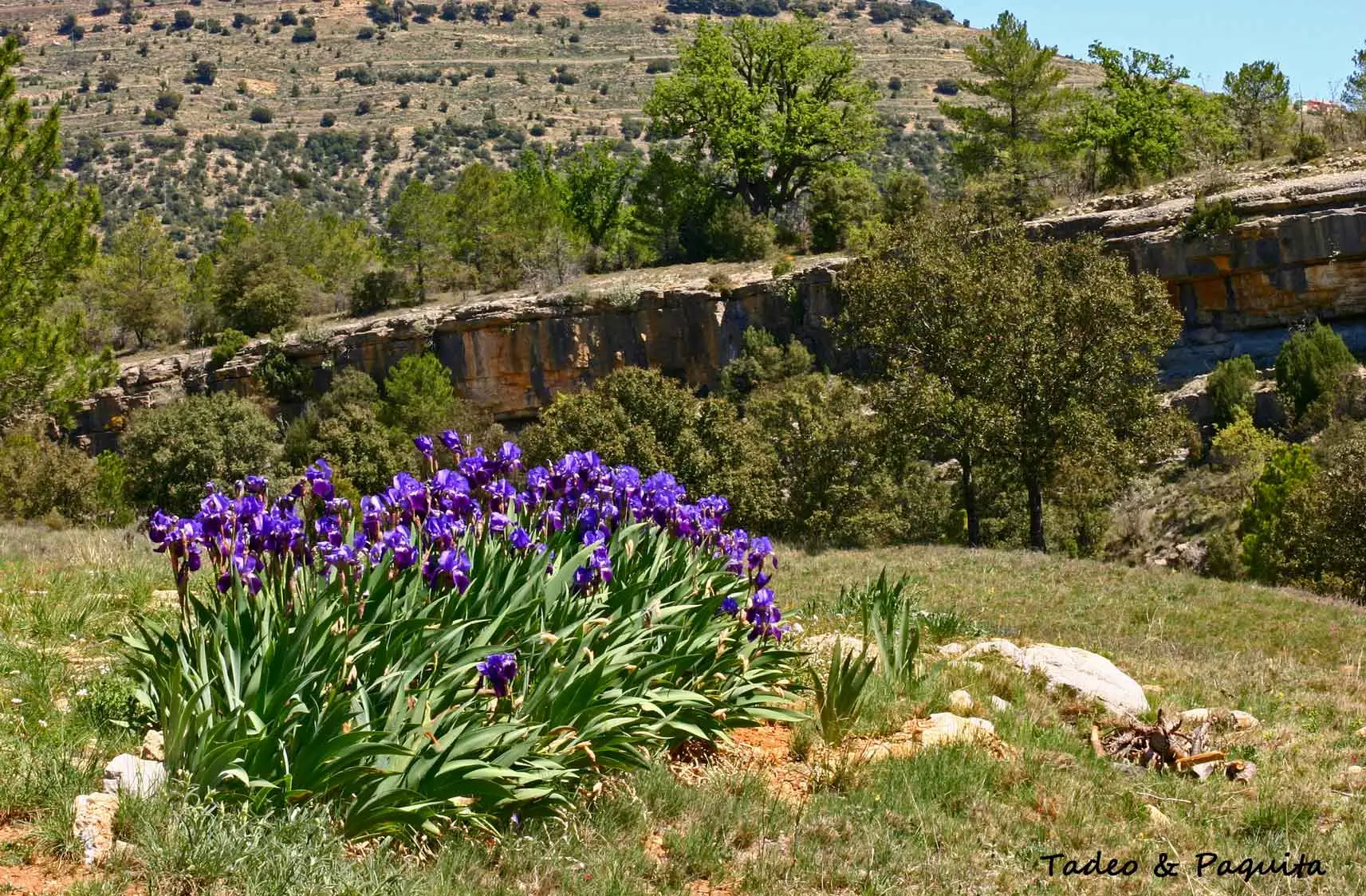
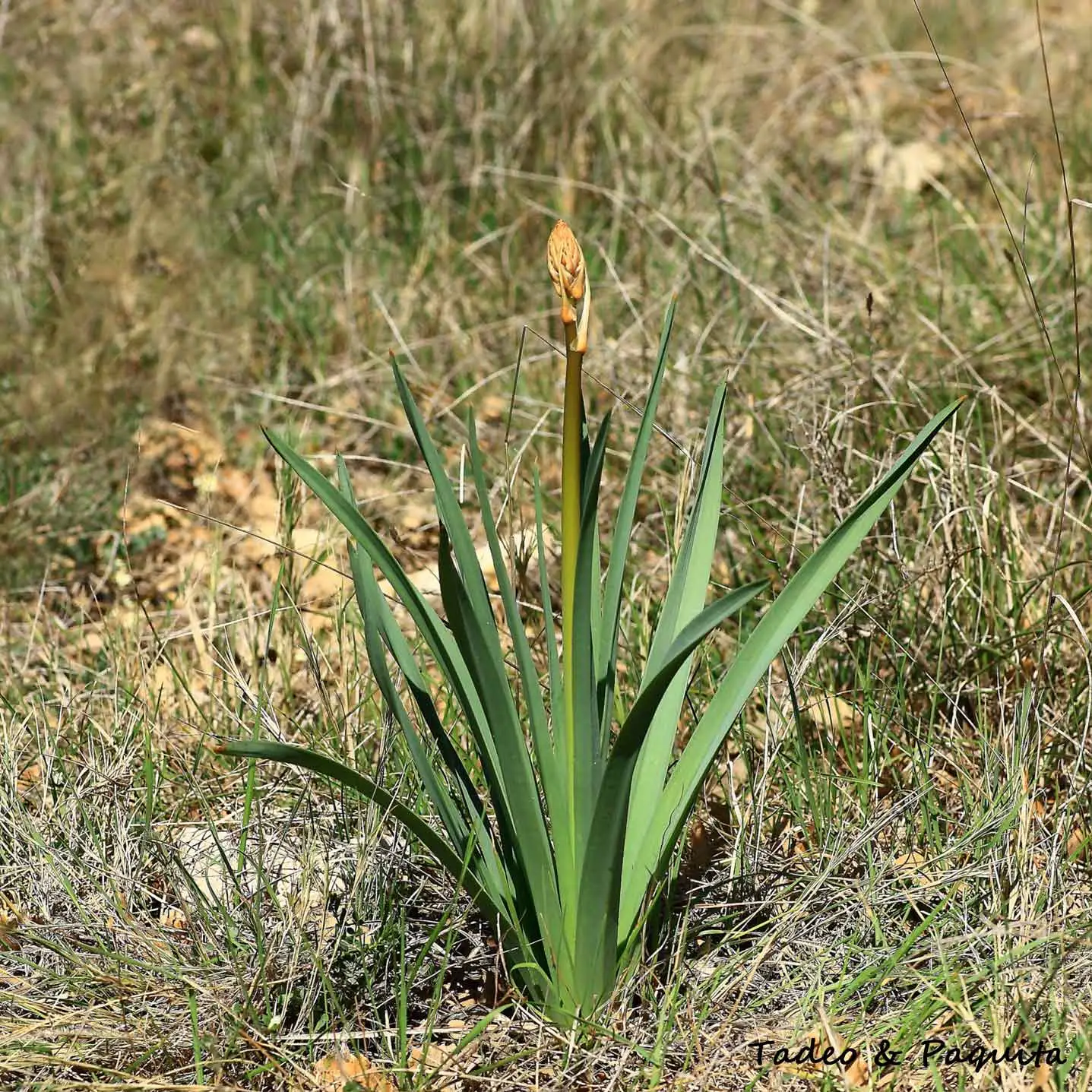
Bulbous plants send up the stems and leaves they lost in winter. Their bulbs are organs below ground where they store the nutrient reserves that feed the new plant.
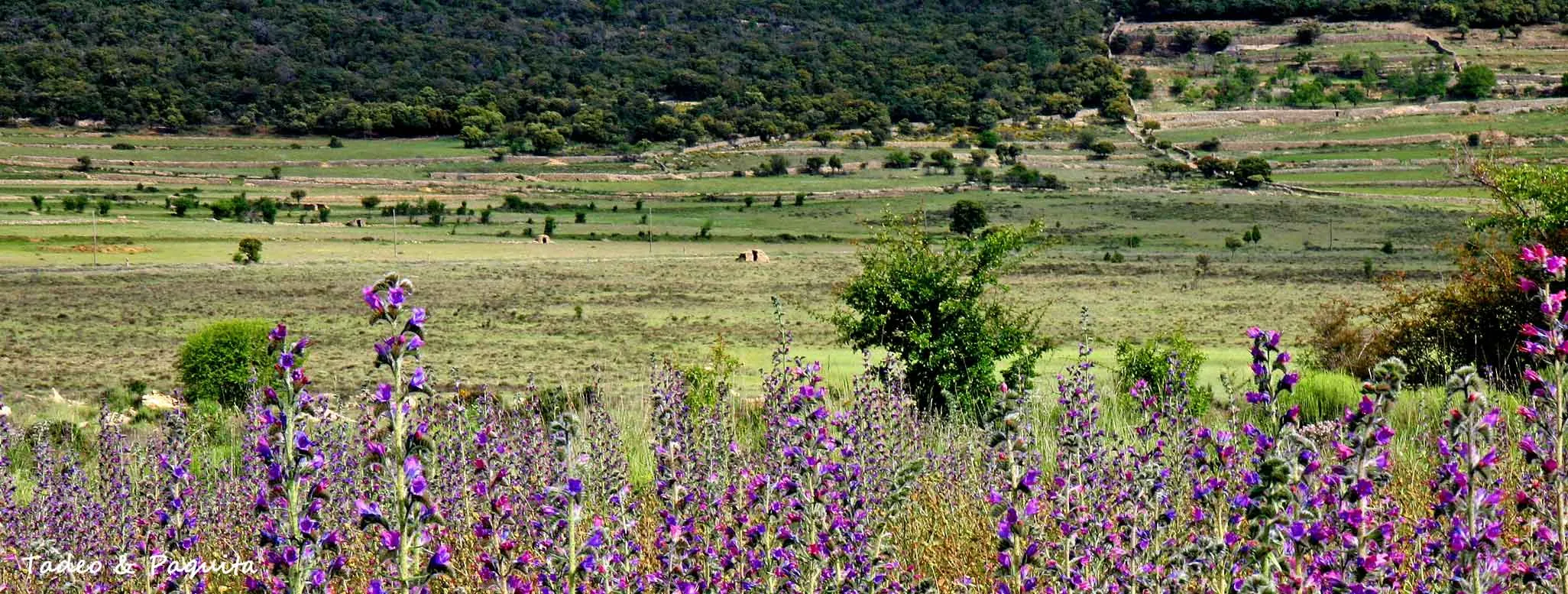
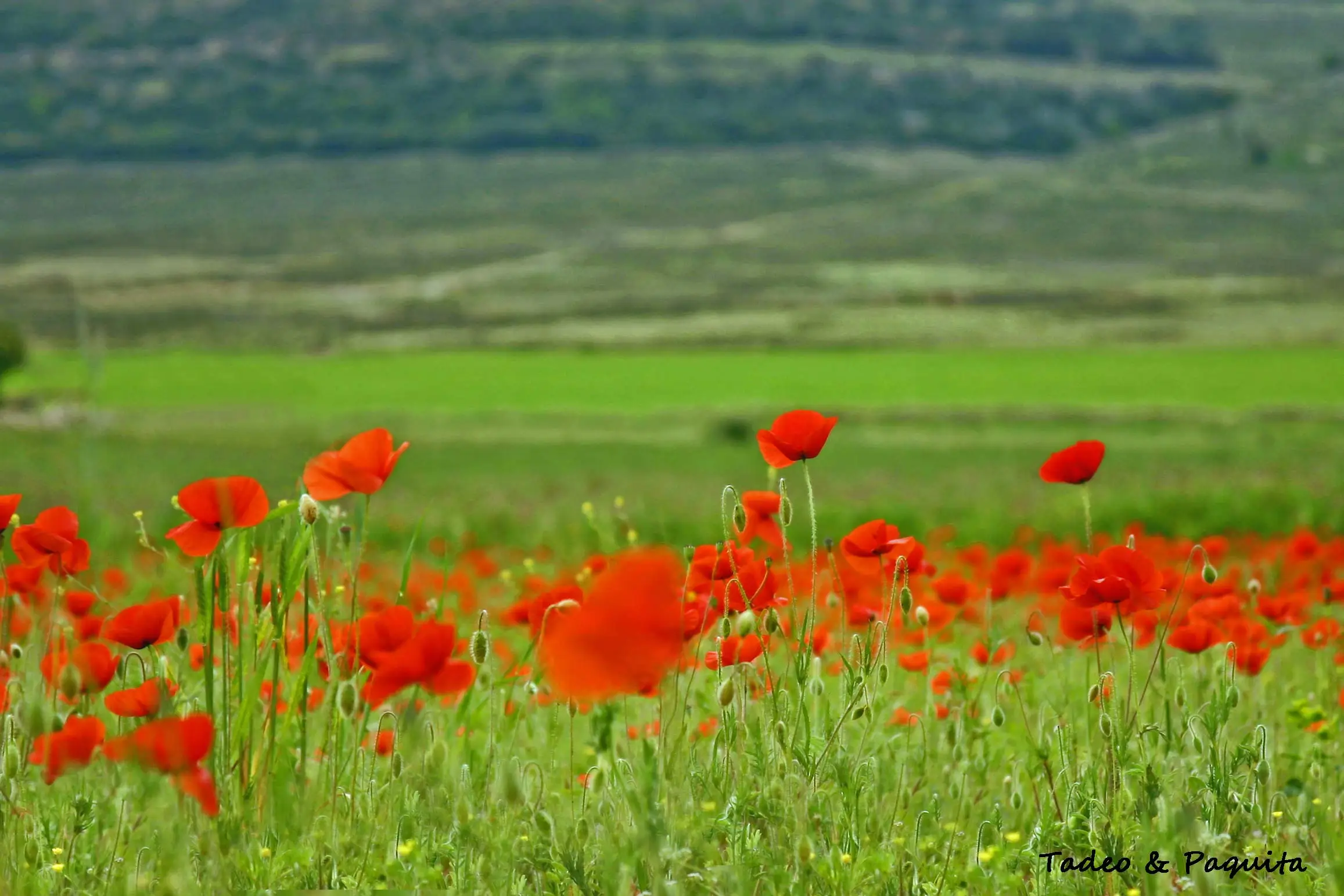
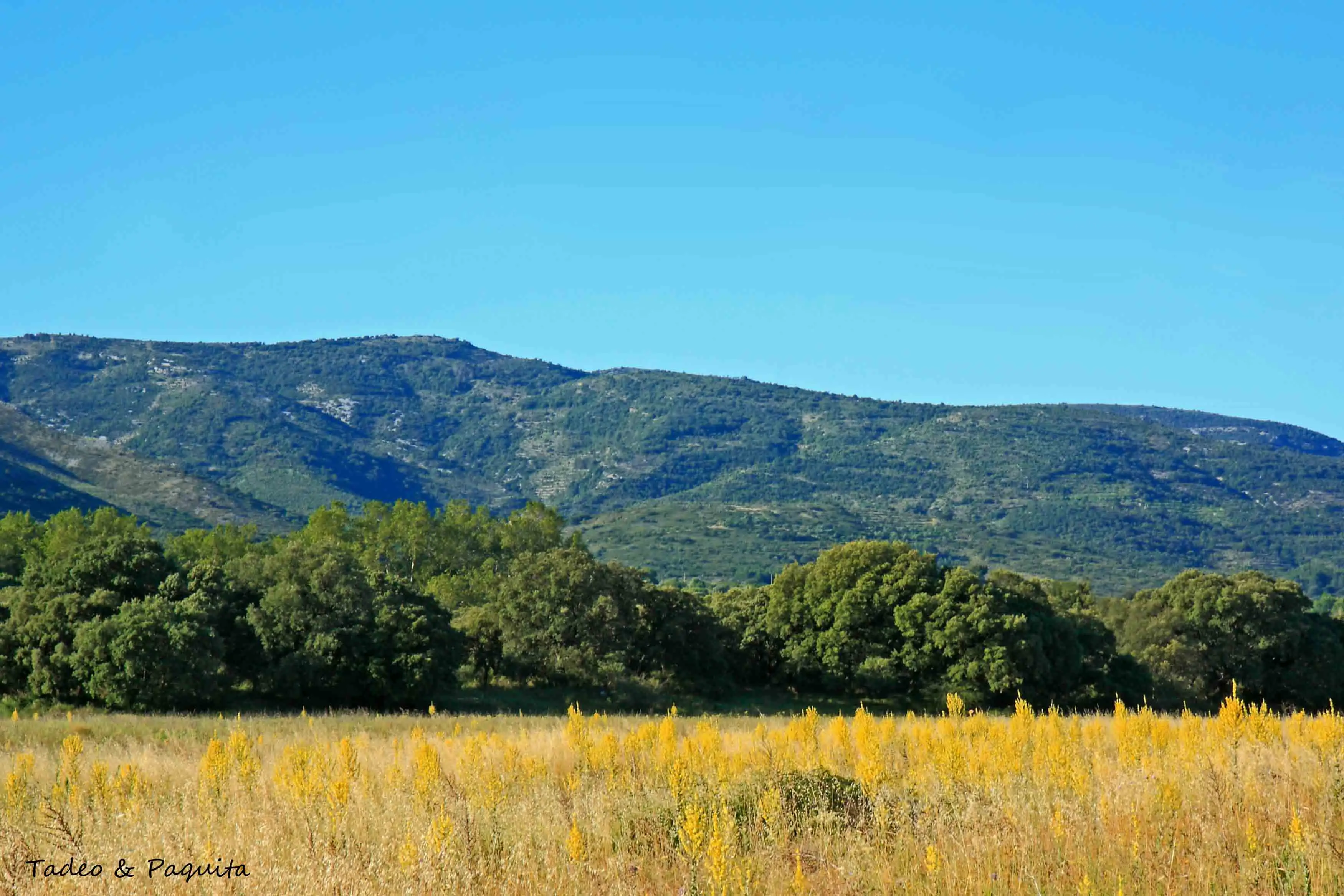
Deciduous trees put out their leaves again, giving shade and holding in moisture. Walking through the countryside you can see that the land is exuberant; every few days the colours change. I do not know why, but blues and yellows dominate among the flowers; the fields of almond trees in blossom are a broad carpet of white or pale pink, depending on whether the fruit is marcona or mollar, and on the banks and in the ploughed land the deep red of the poppies looks like drops of blood bringing life among the green of the vegetation. It is a spectacle that changes from day to day.
More in The rambla
See the whole sectionThe nature reserve
Green, greys and ochres
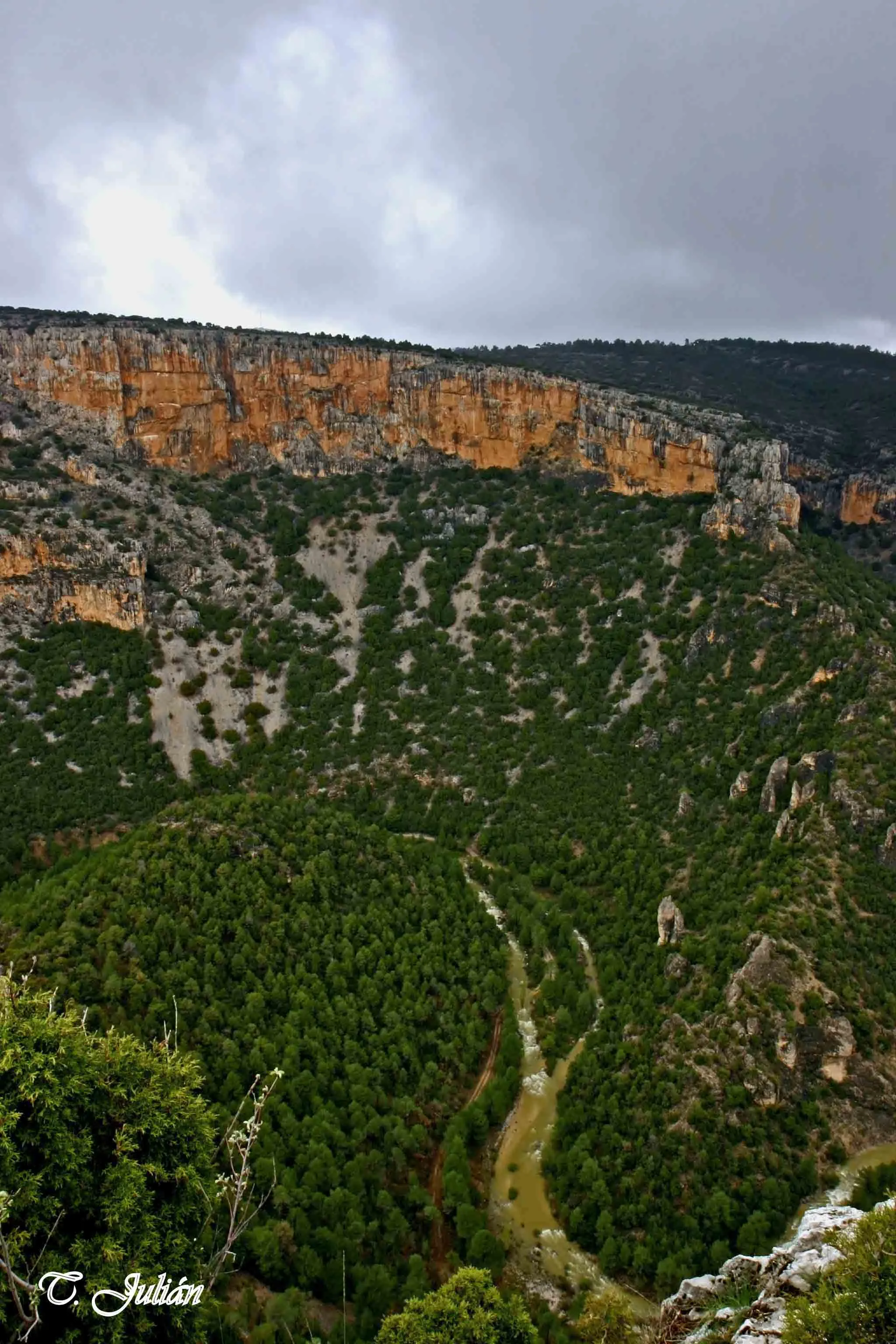
Where the rambla is, how the Roca Parda and the Roca Roja were formed, and why the landscape changes completely when it rains.
Dry-stone walls and shelters
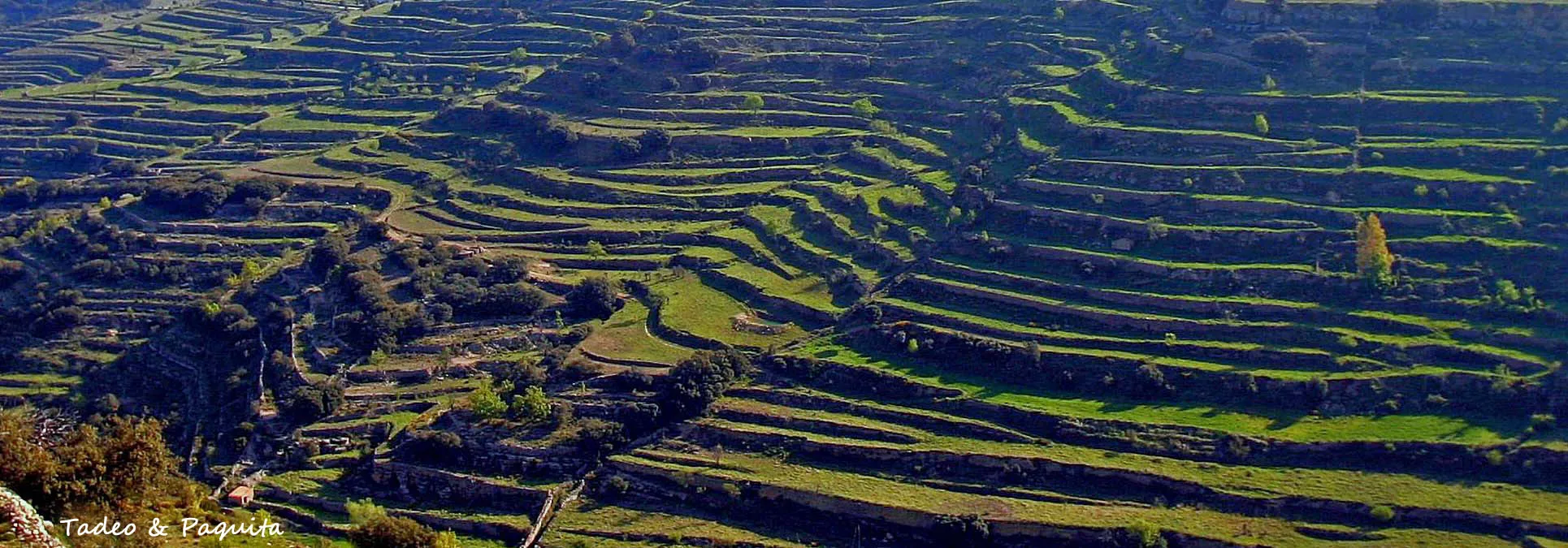
The terrace walls and huts that the people of this land raised with the only raw material they had to hand, stone, and which are now part of the landscape.
Summer
Harvest time
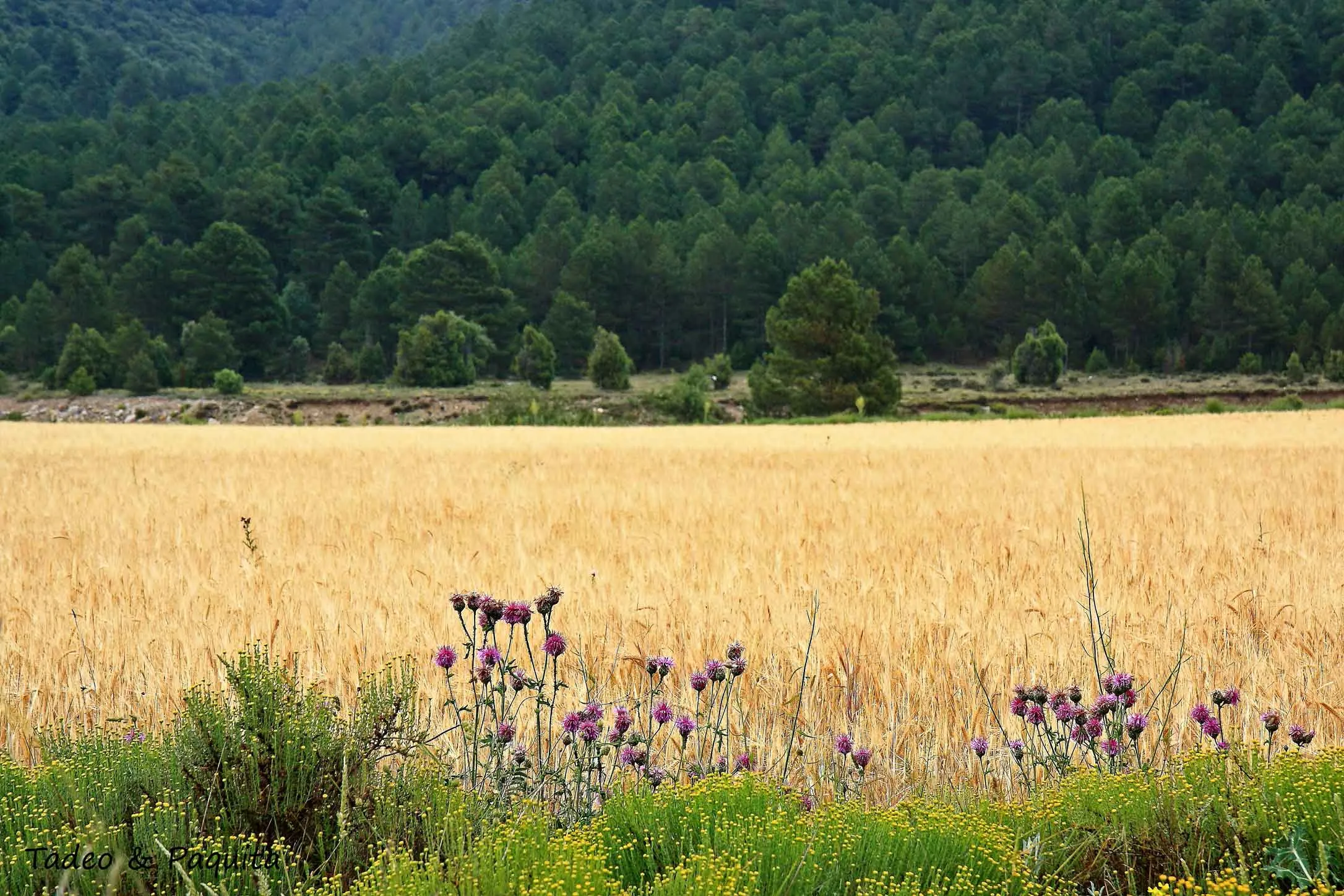
The region has always grown cereals. The solstice marked the high point of the harvest; today the combine does in an afternoon what once took weeks.